Home
Home
Why Z-Image Is Suddenly Dominating the AI Image Generation Scene
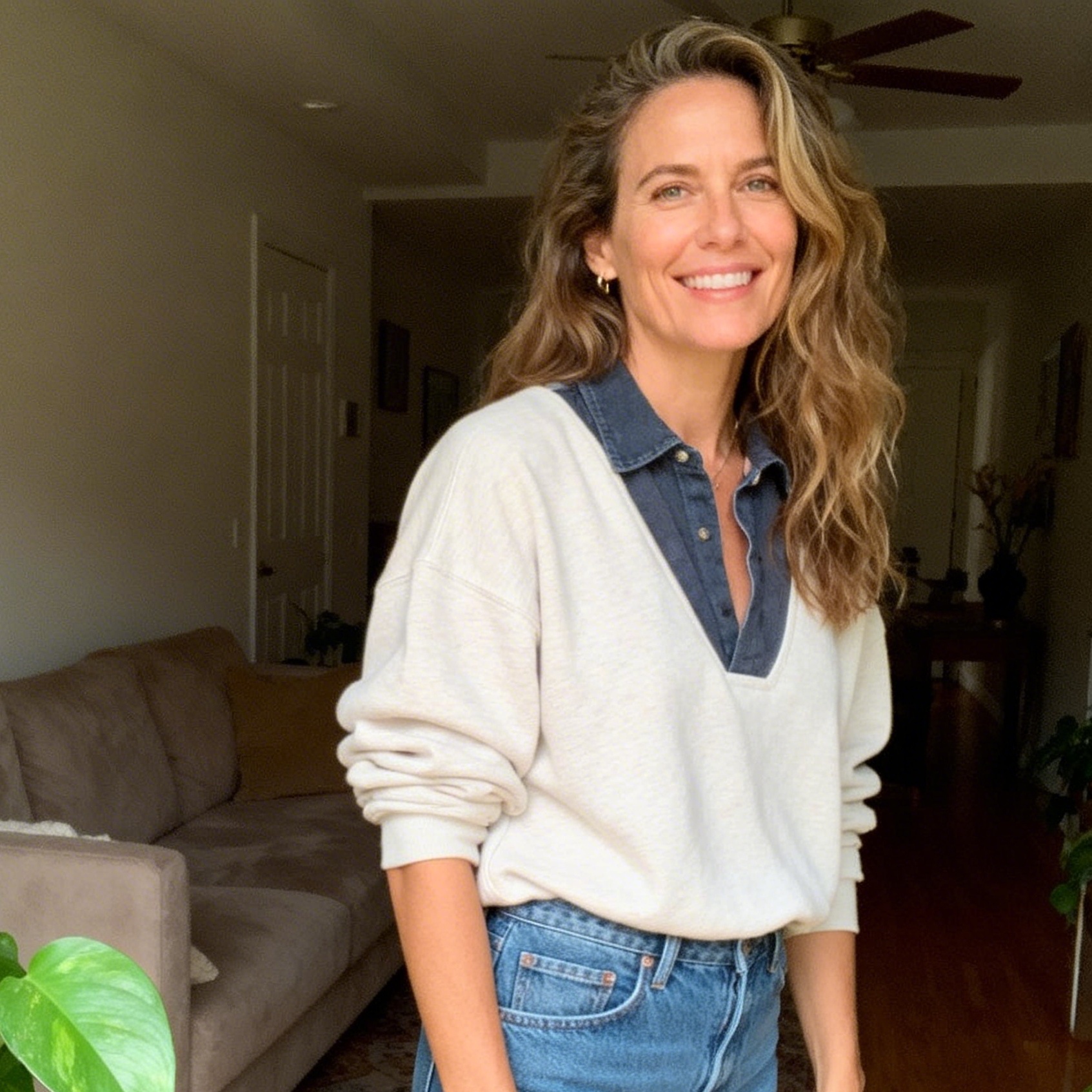
The landscape of generative artificial intelligence moves at a pace that often leaves even industry veterans breathless. However, every so often, a tool emerges that doesn't just add to the noise but fundamentally shifts the trajectory of the medium. Currently, that tool is Z-Image. If you have noticed an explosion of high-quality AI visuals that possess a startling degree of realism and perfectly rendered text, there is a high probability they were created using this new family of models.
Z-Image, developed by the Tongyi-Mai team at Alibaba, is trending not because it is the largest model on the market, but because it is one of the smartest and most efficient. In a field dominated by "bigger is better" mentalities, Z-Image has proven that architecture and optimization can outperform raw parameter count. By delivering professional-grade results on consumer-grade hardware, it has democratized high-end creative production.
The Core Reason Behind the Trend: Efficiency Over Scale
For years, the gold standard of AI image generation was tied to massive models with ten billion parameters or more. These models required high-end enterprise GPUs, effectively gatekeeping professional use behind expensive cloud subscriptions or high-cost hardware.
Z-Image broke this cycle by introducing a 6-billion (6B) parameter model that rivals, and in many cases exceeds, the output quality of its 12B+ counterparts. This efficiency is not accidental; it is the result of a significant architectural shift known as the Scalable Single-stream Diffusion Transformer (S3-DiT).
Unlike traditional dual-stream architectures that process text prompts and visual data in separate tracks before merging them, the single-stream approach unifies this information immediately. This leads to a much tighter correlation between what you type and what the AI generates. This architectural elegance is the primary reason why Z-Image is currently trending among developers and creators who value speed and precision over brute force.
Solving the AI "Text Problem"
One of the most persistent frustrations in AI art has been the "gibberish" text issue. Early iterations of Stable Diffusion and even some versions of Midjourney struggled to render legible words, often producing strange, alien-like glyphs instead of actual characters.
Z-Image has become a favorite for marketers and graphic designers because it handles bilingual text rendering (English and Chinese) with unprecedented accuracy. Whether it is a neon sign in a cyberpunk alleyway or a minimalist corporate poster, the model embeds text into the visual composition naturally, respecting lighting, shadows, and perspective.
For small business owners and social media managers, this capability transforms the tool from a toy into a production-ready asset. You no longer need to generate an image in one tool and then jump into Photoshop to add text; Z-Image handles the entire layout in one go.
The Aesthetic Shift: Embracing "Analog Chaos"
As AI-generated images flooded social media in late 2024 and 2025, a certain "AI look" became recognizable—overly polished, plastic skin textures, and unnaturally perfect lighting. The current trend in visual culture is a backlash against this perfection, moving toward what creators call "analog chaos."
Z-Image excels at this specific aesthetic. It produces images with intentional imperfections: film grain, soft lens flares, and the candid lighting typical of a real smartphone camera or a vintage Leica. This ability to mimic the "human touch" makes the content generated by Z-Image perform significantly better on platforms like Instagram and TikTok, where authenticity is the primary currency. When a viewer can't immediately tell if an image was shot on a real camera or generated by an algorithm, engagement rates soar.
Hardware Democratization: AI for Everyone
Perhaps the most significant factor driving the Z-Image trend is its accessibility. Most high-end AI models require at least 24GB of VRAM (Video RAM), which usually means owning an NVIDIA RTX 3090 or 4090—cards that cost thousands of dollars.
Z-Image, specifically the optimized and quantized versions (like GGUF builds), can run on GPUs with as little as 4GB to 8GB of VRAM. This means that a creative professional using a standard laptop can generate high-fidelity images locally without needing to pay for monthly API credits or worry about their data being stored on a third-party server.
This local-first approach appeals to two major groups:
- Privacy-Conscious Professionals: Agencies working with sensitive client data who cannot upload assets to the cloud.
- The Open-Source Community: Developers who want to fine-tune the model (using LoRAs) to create specific characters or brand styles without huge overhead costs.
Decoding the Z-Image Family: Base, Turbo, and Edit
The success of the Z-Image ecosystem is also built on its versatility. The developers didn't just release one model; they released a specialized suite tailored to different professional needs.
Z-Image-Base: The Foundation
This is the full 6B parameter model. It is designed for creators who prioritize quality above all else. It typically uses 50 diffusion steps to craft a high-resolution image with deep complexity. While slower than the other versions, the depth of detail—particularly in complex environments like crowded markets or intricate machinery—is unmatched in the open-source space.
Z-Image-Turbo: The Production Workhorse
Speed is the defining characteristic of Z-Image-Turbo. Utilizing a technical breakthrough called the "Decoupled-DMD" (Distribution Matching Distillation) algorithm, this version can generate high-quality visuals in as few as 8 to 12 steps. In practical terms, this means you can see a finished image in under 5 seconds on a mid-range PC. This rapid iteration loop is essential for brainstorming and creative exploration.
Z-Image-Edit: The Refinement Tool
Generating an image from scratch is only half the battle. Professional workflows often require precise adjustments. Z-Image-Edit is specifically built for inpainting, outpainting, and style transfer. It uses semantic-VQ tokens to ensure that when you change a specific part of an image (like changing a character's clothing), the rest of the image—the lighting, the background, the facial features—remains perfectly consistent.
Technical Deep Dive: Why S3-DiT Matters
To understand why Z-Image is outperforming its peers, we must look at the Scalable Single-stream Diffusion Transformer architecture. Most competitors use a "cross-attention" mechanism where the text prompt is injected into the image processing at various stages. This can sometimes lead to "prompt leakage" or a lack of coherence where the AI forgets parts of the instructions.
In the S3-DiT architecture, the text tokens and image latents are treated as part of the same sequence. They are processed through the same transformer blocks together. This creates a holistic understanding of the scene. If you ask for a "red apple reflecting in a blue glass table," the model doesn't just draw an apple and a table; it understands the relationship between the light, the color, and the reflection because they are processed as a single, unified data stream.
Competitive Comparison: Z-Image vs. The Giants
When comparing Z-Image to other popular models like Flux.1 or Midjourney v6, the differences become clear based on specific use cases.
| Feature | Z-Image | Flux.1 (Dev/Schnell) | Midjourney v6 |
|---|---|---|---|
| Parameter Count | 6 Billion | 12 Billion | Proprietary (Large) |
| VRAM Requirement | Low (4GB - 16GB) | High (16GB - 24GB) | N/A (Cloud Only) |
| Text Rendering | Excellent (Bilingual) | Good (English Only) | Very Good |
| Speed | Ultra-Fast (Turbo) | Moderate | Moderate |
| Accessibility | Open Source / Local | Open Source / Local | Closed / Subscription |
Z-Image occupies the "sweet spot" of the market. It offers the professional text handling of Midjourney with the local privacy and flexibility of Flux, all while requiring significantly less hardware power.
Practical Applications Driving the Trend
The trend is sustained by real-world utility. We are seeing Z-Image adopted in several key industries:
1. Digital Marketing and E-commerce
Small e-commerce brands are using Z-Image to generate lifestyle product photos. By using a product image as a reference (Image-to-Image), they can place their product in diverse settings—a beach in Bali, a cozy apartment in Paris, or a high-tech lab—without ever leaving their office. The ability to add accurate branding text directly in the generator saves hours of post-production.
2. Game Development and Concept Art
Indie game studios are using the Turbo model to rapidly prototype environments and character concepts. The consistency provided by Z-Image-Edit allows them to iterate on a single character design across different poses and lighting conditions, which is crucial for building a cohesive game world.
3. Social Media Content Creation
Influencers are utilizing the "analog" style of Z-Image to create "day in the life" style photos that never actually happened. These images are often used to illustrate storytelling videos or to create aesthetic backgrounds for text-heavy carousel posts.
How to Get Started with Z-Image
If you are looking to join the trend, there are three main ways to access Z-Image today:
- Cloud Hosting Platforms: Sites like Cleep.ai or specialized AI model hubs allow you to test the model using web-based interfaces. This is the easiest way for non-technical users to experience the quality.
- ComfyUI and WebUI: For those with a dedicated GPU, downloading the model checkpoints from Hugging Face and integrating them into ComfyUI is the preferred method. This allows for complex workflows, including the use of LoRAs and ControlNets.
- Quantized Builds for Laptops: If you have limited VRAM, look for "GGUF" or "NF4" versions of the model. These compressed versions retain about 95% of the original quality while significantly reducing the memory footprint.
The Role of Alibaba and Open Source Ethics
The fact that a model of this caliber came from Alibaba's Tongyi-Mai team is also a point of discussion. It signals a shift in where the most innovative open-source AI research is happening. By releasing Z-Image to the public, they have sparked a global collaborative effort to improve the model. However, users should remain aware of local regulations regarding AI-generated likenesses and commercial usage rights, which vary by region (such as PIPEDA in Canada or the EU AI Act).
Summary: The Future of Z-Image
Z-Image is trending because it represents the "utility phase" of generative AI. We have moved past the initial shock of AI-generated art and into a period where creators demand tools that are fast, accurate, and cheap to run.
By perfecting text rendering, embracing a more realistic aesthetic, and optimizing for consumer hardware, Z-Image has set a new benchmark for what a 6B parameter model can achieve. It isn't just a trend; it's a blueprint for the next generation of creative software.
FAQ
What does "S3-DiT" stand for?
It stands for Scalable Single-stream Diffusion Transformer. It is an architecture that processes text and image data in a single unified stream, improving coherence and efficiency.
Can Z-Image run on a MacBook?
Yes, using optimized versions and frameworks like ComfyUI or specialized Mac-friendly AI wrappers, Z-Image can run effectively on Apple Silicon (M1, M2, M3 chips).
Why is Z-Image better for text than other models?
Because its single-stream architecture allows the model to have a deeper integrated understanding of how text characters relate to the visual space and lighting of the overall image.
Is Z-Image free to use?
As an open-source model, the code and weights are generally free to download. However, using it through cloud-based service providers usually involves a subscription or credit-based fee.
What is the difference between Z-Image and Flux?
Z-Image is smaller (6B vs 12B parameters), making it faster and easier to run on low-end hardware, and it currently offers superior bilingual (English/Chinese) text rendering compared to Flux.
-
Topic: Z image AI Review, Pricing, Features & Alternativeshttps://www.submitaitools.org/zimageai-live/
-
Topic: The Best Free AI Image Generator Is Out: Why Z-Image Will Change How - Canadian Technology Magazinehttps://canadiantechnologymagazine.com/z-image-free-ai-image-generator-canadian-businesses/?amp=1
-
Topic: Z Image AI Görsel Oluşturucu | Ücretsiz | Cleep.aihttps://cleep.ai/tr/generate/image/z-image/