Home
Home
Wondercraft AI Turns Written Content Into Studio Quality Podcasts in Minutes

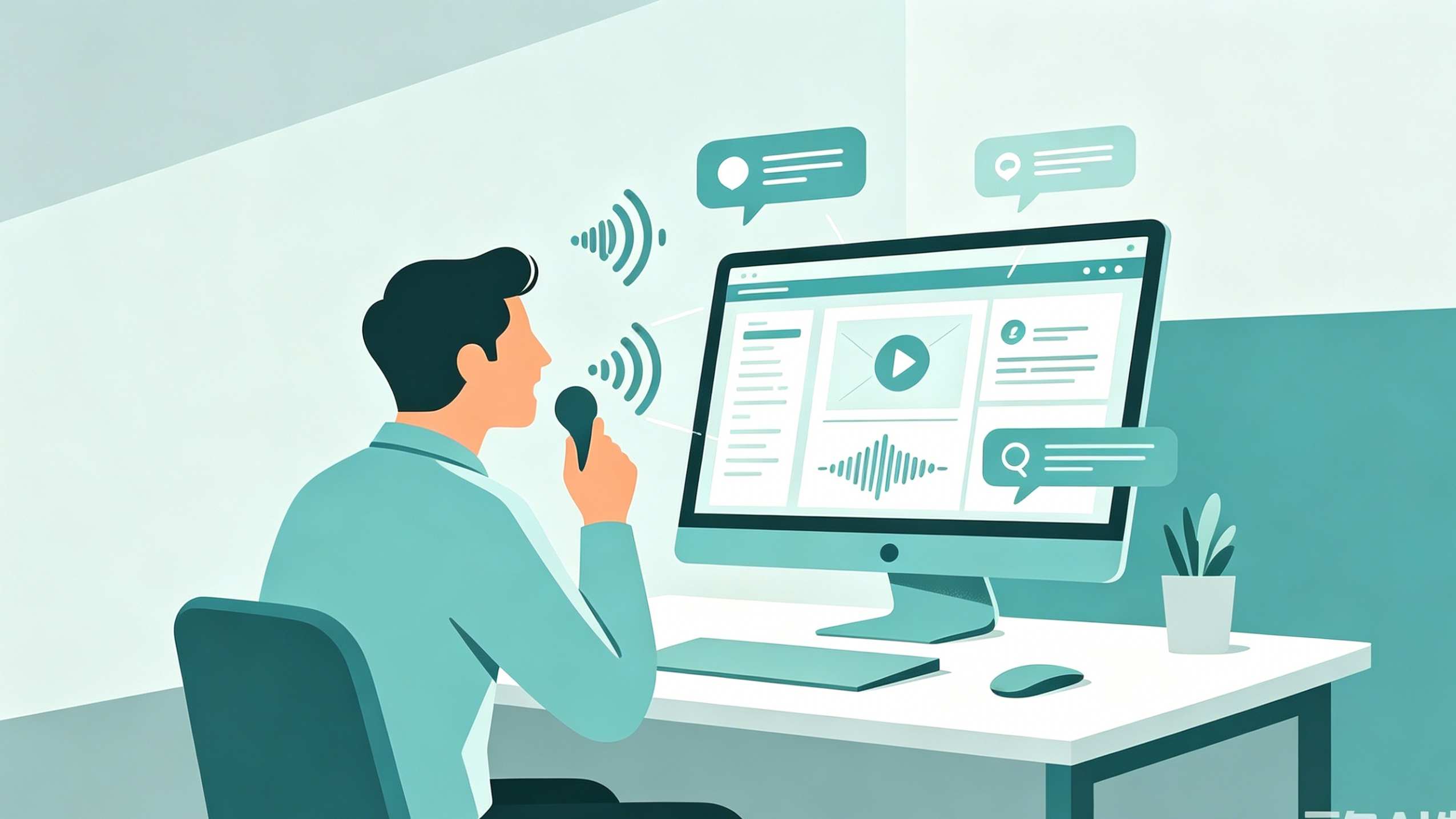
Wondercraft AI is an end-to-end AI-powered audio and video studio designed to transform text-based content into professional podcasts and multimedia assets. Unlike basic text-to-speech tools, this platform integrates scriptwriting assistance, hyper-realistic voice synthesis, a timeline-based editor, and automated video generation into a single workflow. By utilizing its "Wonda" AI assistant, creators can convert blog posts, newsletters, and internal documents into broadcast-ready audio without requiring microphones, recording studios, or advanced editing software.
The platform has evolved from a specialized podcast generator into a comprehensive creative suite that supports voice cloning in over 50 languages and provides access to a library of more than 1,000 realistic voices. It addresses the primary bottlenecks of traditional podcasting—high production costs, technical complexity, and the time-intensive nature of manual editing—making professional audio production accessible to individual creators, marketing agencies, and corporate learning and development teams.
The Core Infrastructure of the Wondercraft Creative Studio
Understanding how Wondercraft AI functions requires a look at its modular approach to production. The platform operates on a "human-in-the-loop" model, where the AI handles the heavy lifting of generation while providing the creator with granular control over the final output through a digital audio workstation (DAW) style interface.
Automated Scripting with the Wonda AI Assistant
The production process typically begins with the script. Wondercraft’s AI assistant, Wonda, is engineered to interpret various input types, including raw URLs, PDF documents, or simple bullet points. Instead of a verbatim reading of the text, Wonda can restructure the content into a conversational format.
For instance, if a user provides a long-form technical article, the AI can suggest a "two-host conversation" format. This adds a dynamic layer to the audio, mimicking the natural banter found in top-tier interview podcasts. The AI analyzes the sentiment of the source material to ensure the dialogue sounds natural, avoiding the robotic cadence often associated with automated content.
High-Fidelity Voice Synthesis and Custom Cloning
One of the standout technical features of the studio is its extensive voice library. These are not standard synthetic voices but high-fidelity models capable of nuanced emotional delivery. Users can filter voices by accent, age, gender, and intended use case, such as "energetic for ads" or "authoritative for news."
For brands looking for consistency, the voice cloning feature allows users to upload a 60-second recording of their own voice. The AI then creates a digital clone that can be used to narrate any script. This is particularly valuable for newsletter creators who want to maintain a personal connection with their audience without spending hours in a recording booth every week.
Timeline-Based Audio and Video Editing
Wondercraft differentiates itself from simpler tools by offering a full timeline editor. This interface allows users to drag and drop audio segments, layer background music from a royalty-free library, and insert sound effects.
The editor is built for precision. Creators can adjust the pacing between sentences, add strategic pauses for dramatic effect, and blend background tracks so they don't overpower the narration. Recently, this has expanded into a video studio where users can generate captions, animate visual elements, and create social media clips directly from their audio projects, facilitating easier distribution on platforms like TikTok and YouTube.
Strategic Workflows for Content Repurposing
The most significant value proposition of Wondercraft AI is its ability to extend the life of written content. Content teams often struggle to maintain a presence across multiple formats due to resource constraints. Wondercraft bridges this gap through specific automated workflows.
Converting Weekly Newsletters into Audio Series
Many professional newsletters, such as those on Substack, are now offering audio versions to cater to "on-the-go" consumers. In a typical workflow, a creator pastes the URL of their latest edition into Wondercraft. The AI generates a script that summarizes the key points while maintaining the creator's unique tone. By applying a cloned version of the creator's voice and a consistent intro/outro music track, a 2,000-word article can be transformed into a 10-minute podcast episode in under fifteen minutes.
Turning Meeting Notes into Professional Briefings
In a corporate setting, internal communication often gets lost in long email chains. HR and L&D teams are using Wondercraft to turn boring meeting minutes or training manuals into engaging audio briefings. Because the platform supports over 50 languages, a single set of English notes can be instantly translated and voiced in Spanish, French, or Mandarin, ensuring that global teams receive the same information in their native language with localized cultural nuances.
Transforming Blog Posts into Multi-Host Conversations
Static blog posts can be reimagined as dynamic "talk shows." By selecting the multi-host feature, the AI assigns different segments of the content to two distinct AI voices. This format is significantly more engaging for listeners and helps break up dense information. The "Director Mode" allows the creator to instruct the AI hosts to "sound more excited" or "speak slower" for specific sections, ensuring the final product feels curated rather than just generated.
Navigating the Technical Nuances of Director Mode
For creators who demand high production value, "Director Mode" is the critical interface for fine-tuning. While the initial AI generation is often 90% accurate, professional-grade audio requires that final 10% of human adjustment.
Fine-Tuning Performance and Emotion
Within the editor, users can highlight specific words or sentences to change how they are delivered. If a certain phrase needs more emphasis, the creator can prompt the AI to add "excitement" or "seriousness." This level of control prevents the "uncanny valley" effect in AI audio, where the voice sounds human but the emotional context is missing.
Managing Pacing and Silence
Natural speech is defined as much by its pauses as by its words. Wondercraft’s editor allows for the manual insertion of silence or "breath" sounds. This is essential for complex educational podcasts where the listener needs a few seconds to process a difficult concept. The ability to visualize the waveform on the timeline makes these adjustments intuitive, even for those without a background in sound engineering.
Sound Effects and Ambient Layering
To create an immersive experience, the studio includes an AI sound effects (SFX) generator. If a script mentions a "busy coffee shop" or "the sound of a gavel," the AI can generate or pull the appropriate ambient noise. Layering these sounds at a low volume beneath the narration adds a layer of professionalism that distinguishes a "homemade" recording from a "studio" production.
Why Choose an AI Studio Over Traditional Recording?
The decision to move to an AI-powered studio like Wondercraft is usually driven by three factors: cost, speed, and scalability.
- Elimination of Hardware Costs: A professional podcast setup (XLR microphones, mixers, acoustic treatment) can cost thousands of dollars. Wondercraft requires only a laptop and an internet connection.
- Production Speed: Traditional editing involves listening to the raw audio in real-time, cutting out "umms" and "ahhs," and balancing levels. An AI studio does this automatically during the generation phase, reducing production time by approximately 80%.
- Language and Localization: For global brands, hiring voice actors for five different languages is logistically and financially challenging. AI translation and dubbing allow for instantaneous localization of content, maintaining the same brand voice across all markets.
However, it is important to note that Wondercraft is a "collaborative partner." It is most effective when a human editor provides the initial creative spark and performs the final quality check. The "human-in-the-loop" approach ensures that the content remains authentic and aligned with the brand's identity.
Pricing and Accessibility for Different User Levels
Wondercraft operates on a freemium model, making it accessible to a wide range of users.
- Free Tier: Best for hobbyists or those wanting to test the core technology. It typically includes limited credits for audio generation and access to standard voices.
- Creator Plan: Designed for individual podcasters and newsletter writers. This plan usually unlocks higher-quality voices, longer export limits, and more advanced editing features.
- Pro/Enterprise Plans: Tailored for agencies and large teams. These tiers offer voice cloning, team collaboration tools, higher credit limits, and priority support. These plans are ideal for those producing high volumes of content or managing client accounts.
Frequently Asked Questions about Wondercraft AI
What is Wondercraft AI's primary use case?
The tool is primarily used for turning written content—like blogs, newsletters, and documents—into professional podcasts and videos. It is an all-in-one studio that handles scripting, voiceover, and editing.
Can I turn my existing blog into a podcast?
Yes. By pasting the URL of your blog post into the platform, the AI assistant (Wonda) will analyze the text and generate a conversational script. You can then choose your voices and add music to finish the episode.
Does Wondercraft support languages other than English?
Wondercraft currently supports over 50 languages. It also offers translation and dubbing features, allowing you to create a podcast in one language and export it in several others while maintaining high-quality voice synthesis.
Do I need prior audio editing experience?
No. The platform is designed with a user-friendly, drag-and-drop timeline. While it offers advanced features similar to professional audio software, its intuitive interface makes it accessible for beginners.
Can I use my own voice for the podcast?
Yes, Wondercraft offers a voice cloning feature. By providing a short sample of your speech, the AI can create a digital replica of your voice to use for all your narrations.
Where can I distribute my Wondercraft podcasts?
Once your episode is exported, you can download it as a high-quality WAV or MP3 file. Wondercraft also provides tools to generate RSS feeds for direct distribution to platforms like Spotify and Apple Podcasts.
Summary of the Wondercraft Production Ecosystem
Wondercraft AI represents a significant shift in how digital media is produced. By centralizing the entire production pipeline—from the initial idea to the final social media clip—it empowers creators to focus on strategy and storytelling rather than technical troubleshooting. Whether you are a solo writer looking to reach a new audience on Spotify or a global corporation needing to localize training materials, the platform provides a scalable, cost-effective solution for professional audio and video production. As AI technology continues to refine the nuances of human speech and emotional delivery, tools like Wondercraft are becoming essential components of the modern content creator's toolkit.
-
Topic: Wondercraft | AI Podcast Generatorhttps://www.wondercraft.ai/tools/ai-podcast-generator
-
Topic: Wondercraft | Notes To Podcast Generatorhttps://www.wondercraft.ai/tools/notes-to-podcast-generator
-
Topic: Wondercraft | Chatgpt Podcast Generatorhttps://www.wondercraft.ai/tools/chatgpt-podcast-generator