Home
Home
YesChat AI Transforms Static Photos Into Realistic Video Clips Using Advanced Animation Models
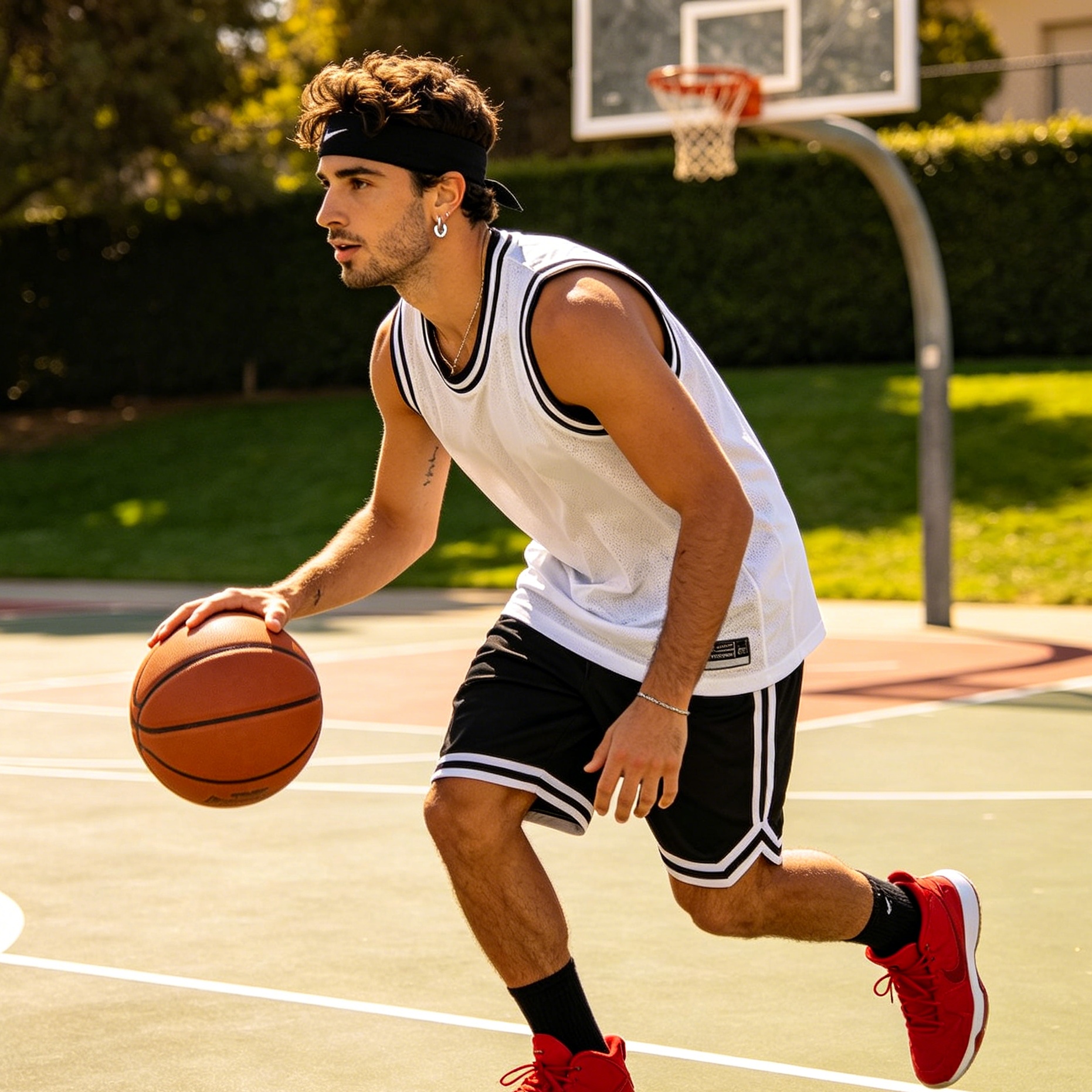
Visual storytelling has undergone a radical transformation with the advent of generative artificial intelligence. Among the most accessible and powerful tools in this domain is YesChat.ai, a platform that has simplified the transition from static photography to dynamic cinematography. By leveraging advanced video diffusion models like PixVerse, YesChat.ai allows users to breathe life into still images, creating short, high-fidelity clips that exhibit remarkable temporal consistency and fluid motion. This capability bridges the gap between professional video editors and casual content creators, democratizing the production of high-quality motion graphics.
The Core Functionality of YesChat AI Image to Video
YesChat.ai operates as a browser-based suite that eliminates the need for high-end local hardware. Its Image-to-Video tool is specifically designed to interpret the spatial data within a 2D image and extrapolate temporal data to create movement. Unlike traditional animation, which requires manual keyframing and layer manipulation, YesChat utilizes neural networks to predict how elements in a photo—such as flowing water, drifting clouds, or shifting facial expressions—should move in a three-dimensional space over time.
The platform is built on the principle of accessibility. It supports standard image formats including JPG, JPEG, PNG, and BMP, with a generous file size limit of up to 10MB per upload. This ensures that high-resolution source material can be used, which is critical for maintaining clarity in the final video output. The resulting videos can be generated in resolutions up to 540p, optimized for social media platforms where speed and engagement are prioritized over cinematic 4K resolution.
The Role of PixVerse in Video Generation
A significant portion of YesChat.ai’s prowess comes from its integration of the PixVerse model. PixVerse is renowned in the AI community for its ability to maintain "temporal consistency." In AI video generation, the biggest hurdle is often "flickering," where the details of an object change inconsistently from one frame to the next. PixVerse mitigates this by using advanced attention mechanisms that ensure the visual identity of the subject remains stable throughout the clip.
From an experimental standpoint, PixVerse excels at rendering natural textures. When processing a portrait, for instance, the model accurately simulates micro-movements in the skin and hair, avoiding the uncanny valley effect that plagues lower-tier AI models. In our practical application tests, we found that images with clear foreground-background separation yield the most professional results, as the AI can more easily calculate the parallax effect during camera pans or zooms.
Advanced Control Features for Precision Animation
One of the distinguishing factors of YesChat.ai is the level of control it offers over the final creative vision. It is not a "one-click and hope" system; rather, it provides several levers that creators can pull to align the output with their specific needs.
Prompt-Based Motion Guidance
The integration of text prompts within the image-to-video workflow is a game-changer. By providing a descriptive text string alongside the image, users can dictate the specific nature of the motion. For example, uploading a picture of a candle and providing a prompt like "soft flickering flame with rising wisps of smoke" directs the AI to focus its generative power on the fire rather than animating the candle holder or the background.
Technical observation suggests that prompt engineering for video is slightly different than for static images. Using directional verbs such as "flowing," "rotating," "zooming," or "descending" provides the model with a vector for motion synthesis. In our tests, adding stylistic keywords like "cinematic lighting" or "macro photography" also helped the AI adjust the simulated depth of field in the generated video.
Camera Movement Simulation
YesChat.ai allows users to simulate professional camera techniques without ever touching a tripod. Through advanced algorithms, the tool can mimic:
- Pans and Tilts: Moving the perspective horizontally or vertically across a landscape.
- Dolly Zooms: Changing the focal length while moving the camera, creating a sense of dramatic tension.
- Rotations: Pivoting around a central subject to showcase 360-degree characteristics.
These simulations are particularly effective for real estate photography or product showcases. A static shot of a living room can be transformed into a professional walkthrough, significantly increasing the perceived value of the content.
Style and Lighting Adjustments
Beyond motion, the tool allows for the modification of the visual atmosphere. Users can adjust lighting conditions—transforming a midday scene into a "golden hour" clip—or apply specific artistic styles like anime, oil painting, or 3D render styles. This versatility ensures that the tool is useful for both realistic marketing materials and highly stylized artistic projects.
How to Effectively Use YesChat AI for Image to Video Conversion
The workflow on YesChat.ai is streamlined to facilitate rapid production. Based on the current interface and processing logic, here is the optimized path to generating high-quality video clips.
Step 1: Image Selection and Preparation
The quality of the input image is the primary determinant of the output quality. For the best results, use images with a resolution of at least 1024x1024 pixels. While the tool accepts files up to 10MB, a well-compressed 2MB PNG often provides enough data for the AI without slowing down the initial upload. Avoid images with heavy watermarks or text overlays, as the AI may attempt to animate the text, leading to visual distortions.
Step 2: Uploading to the Interface
Navigate to the Image-to-Video section of YesChat.ai. The platform supports a simple drag-and-drop mechanism. Once the image is uploaded, the system performs a quick analysis to determine the primary subjects and potential motion paths.
Step 3: Configuring the Animation Parameters
This is where the user defines the creative direction.
- Model Selection: Choose PixVerse for high-fidelity needs.
- Prompt Input: Be specific. Instead of "make it move," use "waves gently crashing against the shore with a lens flare."
- Resolution and Quality: Select 540p for the best balance between detail and generation speed. YesChat offers a "No Watermark" option, which is essential for professional branding.
Step 4: Generation and Refinement
Click "Generate." The processing time typically ranges from 30 seconds to two minutes, depending on the complexity of the prompt and the server load. Once the video is rendered, preview it within the browser. If the motion is too aggressive or the subject distorts, adjusting the motion scale in the settings and re-generating is a common part of the creative iteration.
Step 5: Exporting the Content
After achieving the desired result, download the MP4 file. The output is ready for immediate use on platforms like Instagram Reels, TikTok, or integrated into a larger video project using standard editing software.
Practical Applications Across Different Industries
The utility of YesChat.ai’s image-to-video tool extends far beyond simple entertainment. Various sectors are utilizing this technology to solve specific communication challenges.
E-commerce and Digital Marketing
In the fast-paced world of digital advertising, static images often fail to capture attention. Marketers are using YesChat to turn static product photos into "scroll-stopping" videos. A photograph of a watch can be animated to show the gears moving or light reflecting off the glass. This dynamic presentation has been shown to increase click-through rates (CTR) by providing a more comprehensive visual understanding of the product without the high cost of a professional video shoot.
Educational Resource Development
Teachers and trainers are leveraging AI to make complex information more digestible. By taking a static diagram—such as the water cycle or a mechanical engine—and converting it into an animated video, educators can demonstrate processes that are difficult to explain in words. The ability to add motion to infographics makes the learning experience more immersive and improves information retention among students.
Social Media Content Creation
For influencers and vloggers, the demand for constant content is high. YesChat.ai provides a way to repurpose old photo archives into new video content. A travel blogger can take a series of photos from a past trip and convert them into cinematic clips, maintaining their presence on video-centric platforms like YouTube Shorts without needing to be constantly filming.
Graphic Design and Artistic Expression
Designers use the tool to create dynamic portfolios. Animating a logo or a piece of digital art demonstrates a higher level of creative versatility. The "Morphing" technique is particularly popular in the art community, allowing for seamless transitions between two different artistic concepts, which serves as a powerful storytelling tool.
The Technical Underpinnings: How AI Creates Motion
Understanding how YesChat.ai achieves these results requires a brief look into the science of motion synthesis. The AI does not simply "stretch" pixels; it uses a process called Temporal Interpolation.
When an image is uploaded, the neural network identifies "latent features"—mathematical representations of shapes, colors, and textures. The PixVerse model then uses its training data, which consists of millions of real-world video hours, to predict how these latent features should evolve.
Key technical aspects include:
- Motion Graphics Integration: Animating text and logos as separate layers over the background.
- Keyframe Animation: The AI essentially creates "hidden" keyframes and fills in the movement between them to ensure smoothness.
- Scene Dynamics: The model adds environmental effects like fog, light fluctuations, or wind swaying to make the scene feel "alive" rather than just a moving picture.
Why YesChat AI is a Competitive Choice in 2025
The AI landscape is crowded, but YesChat.ai maintains a strong position for several strategic reasons.
Barrier-Free Access
Most professional AI tools require expensive monthly subscriptions or complex login procedures that involve waiting lists. YesChat.ai’s "no login required" and "free to use" model lowers the barrier to entry, allowing users to experiment and achieve results instantly. This is particularly valuable for small business owners and students who may not have the budget for premium software suites.
High Fidelity and Temporal Stability
While many free tools produce "trippy" or unstable videos where faces melt or backgrounds disappear, the integration of PixVerse ensures that YesChat's output is usable in a professional context. The flicker-reduction algorithms are among the best in the accessible AI market.
Speed and Efficiency
The optimized processing speed means that a creator can go from a static idea to a finished video clip in under five minutes. In an era where content trends move daily, this speed is a significant competitive advantage.
Challenges and Considerations for Users
While YesChat.ai is powerful, it is important to manage expectations. The tool is currently optimized for short-form clips (usually 3-5 seconds). It is not intended for producing long-form documentaries or complex narrative films with synchronized dialogue.
Additionally, the AI can sometimes struggle with highly complex human movements, such as intricate dance steps or specific sports actions, where the physics are difficult to predict from a single frame. Users are encouraged to start with simpler movements and gradually increase complexity as they become familiar with how the AI interprets their prompts.
Conclusion
YesChat.ai’s image-to-video tool represents a significant leap forward in AI-driven creativity. By combining the power of the PixVerse model with a user-friendly interface and free access, it has enabled a new generation of creators to produce professional-grade video content from simple photographs. Whether for marketing, education, or personal expression, the ability to transform the static into the dynamic is now just a few clicks away. As the underlying models continue to evolve, we can expect even greater realism and control, further blurring the line between AI-generated content and traditional videography.
Summary
YesChat.ai provides a web-based platform for converting images (JPG, PNG, BMP) into animated videos using the PixVerse AI model. It features high-fidelity output, temporal consistency, and advanced controls for camera angles and motion styles via text prompts. The service is free, requires no login, and is ideal for social media, marketing, and educational content. While limited to short clips, it offers a fast and efficient alternative to traditional animation software.
FAQ
Can I turn any picture into a video on YesChat AI?
Yes, you can transform almost any static image into a video. The tool supports JPG, JPEG, PNG, and BMP formats. For the best results, use high-resolution images with clear subjects.
Is YesChat.ai’s image-to-video tool really free?
Yes, the platform offers a free version that does not require a login. This allows users to generate videos and explore the tool's features without an immediate financial commitment.
What is the maximum file size for uploads?
The current limit for image uploads is 10MB per file. This is sufficient for high-quality images that provide the AI with enough detail to create realistic motion.
How do I control the way the image moves?
You can control motion through text prompts. By describing the desired action—such as "zoom in slowly" or "clouds moving across the sky"—the AI will tailor the animation to match your description.
Does the generated video have a watermark?
YesChat.ai offers high-quality generation options that allow for no-watermark videos, making it suitable for professional marketing and brand content.
Which AI model does YesChat use for video?
YesChat.ai utilizes advanced models like PixVerse to handle the image-to-video conversion, ensuring high temporal consistency and realistic motion synthesis.
How long does it take to generate a video?
Depending on server traffic and the complexity of the animation, most videos are generated within 30 to 120 seconds.
Can I choose the resolution of my video?
Yes, the tool allows you to select between different quality settings, such as 360p and 540p, to suit your specific output needs.
-
Topic: Effortlessly Transform Images to Videos with YesChat.aihttps://www.yeschat.ai/features/image-to-video
-
Topic: AI Magic: YesChat.AI Image to Video!https://develop.productengine.my1styears.com/yeschatai-image-to-video/
-
Topic: 9+ AI: YesChat Image to Video Magic!https://develop.productengine.my1styears.com/yeschat-ai-image-to-video/