Home
Home
Best Free AI Headshot Generators That Deliver Professional Results in 2025
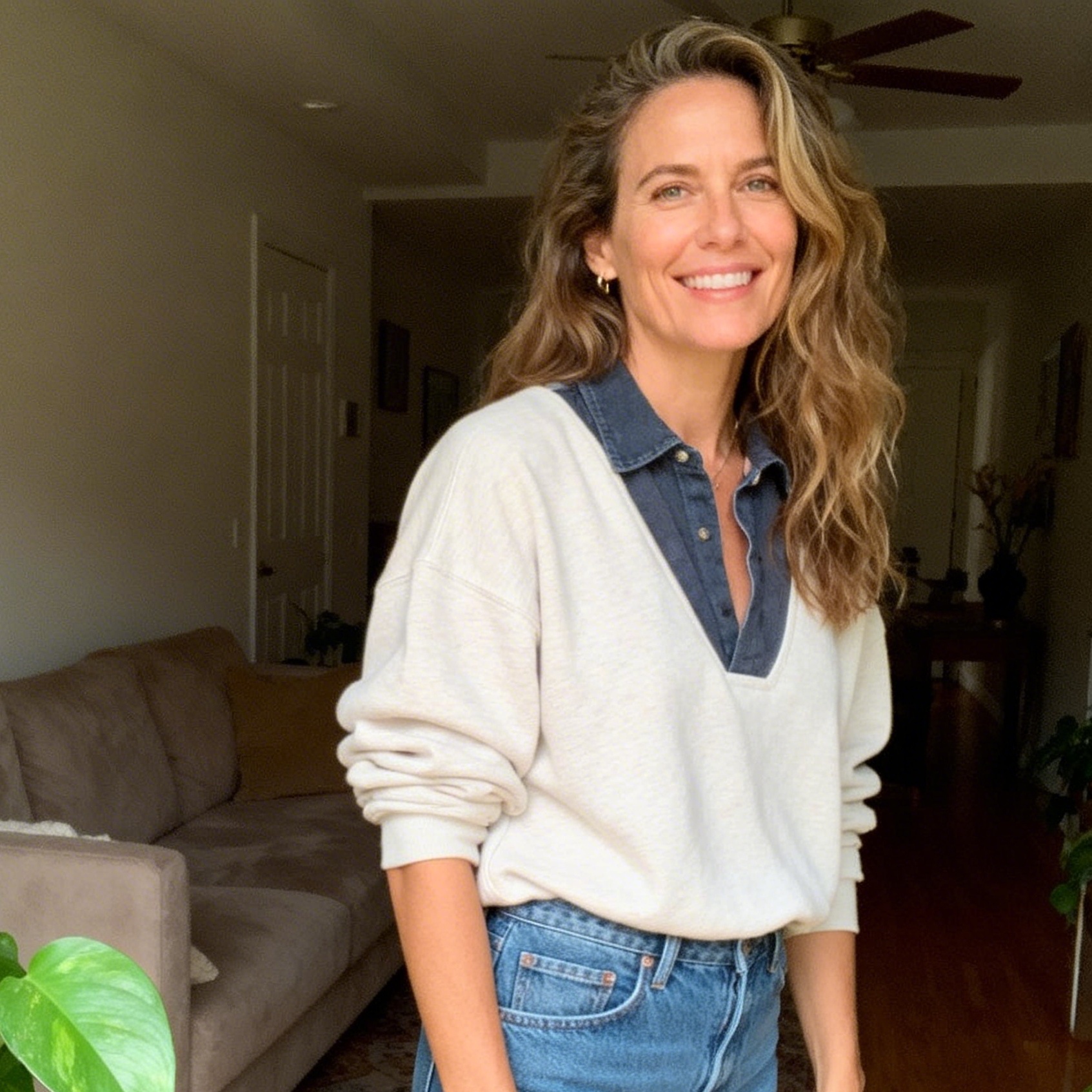
Finding a professional photographer for a corporate headshot can cost anywhere from $150 to $500. In 2025, AI has disrupted this market entirely, offering studio-quality portraits for a fraction of the cost—or in some cases, for free. However, the term "free" in the AI industry is often a marketing hook for freemium models.
This guide breaks down the top-performing free AI headshot generators, evaluates their output quality, and reveals a sophisticated DIY workflow that allows you to bypass expensive paywalls entirely.
The Reality of Free AI Headshot Services
Most users searching for "free AI headshots" are looking for high-resolution, LinkedIn-ready images without a $30 subscription. It is important to clarify that the market is currently divided into three categories:
- Freemium Web Apps: These tools give you 1 to 5 daily credits to generate headshots. They are easy to use but often limit the number of styles or add watermarks.
- Generative Design Tools: Platforms like Adobe Firefly or Canva that aren't dedicated "headshot makers" but have powerful AI features you can use to create professional portraits for free.
- The Face-Swap Workflow: A two-step technical process involving an AI image generator (like Microsoft Copilot) and a face-swapping tool (like Remaker). This is currently the most effective way to get high-end results for $0.
Top Rated Free AI Headshot Generators to Try Now
1. MyEdit: Best for Rapid Results with High Accuracy
MyEdit is currently one of the most generous platforms for individual users. Unlike many "professional" generators that require you to upload 20 photos and wait 2 hours, MyEdit can generate a batch of portraits from a single clear selfie.
- How it works: You upload one high-quality photo, select a style (such as "Business Suit" or "Smart Casual"), and the AI re-renders your face onto a professional body and background.
- The Free Plan: Users typically receive 3 free credits per day. While some styles are locked behind the premium wall, the basic professional options are available to free users.
- Our Experience: In our testing, MyEdit excelled at maintaining facial proportions. Many AI tools tend to "beautify" the face to the point where it no longer looks like the user, but MyEdit kept the jawline and eye shape consistent with the original photo. The skin texture can occasionally look a bit "waxy," so it is best used for social media profiles rather than high-resolution print.
2. LightX: Best for Style Variety and Daily Credits
LightX has emerged as a powerhouse for users who want variety. It offers a dedicated "AI Portrait" feature that is surprisingly robust for a free-entry tool.
- How it works: Similar to MyEdit, it uses a reference photo but allows for more granular prompt-based editing. You can choose from presets like "Executive," "Doctor," or "Creative Artist."
- The Free Plan: It offers 10 AI credits upon sign-up. Each generation uses one credit, making it one of the better options for those who need to experiment with different looks.
- Our Experience: LightX handles clothing textures exceptionally well. If you select a "Wool Blazer," the AI accurately simulates the fabric grain. However, the background blur (bokeh) can sometimes feel artificial, looking like a flat Gaussian blur rather than a natural lens depth-of-field.
3. Adobe Firefly (Generative Fill): Best for Realism and Control
If you already have a decent selfie but your clothes or background are unprofessional, Adobe Firefly’s "Generative Fill" is the gold standard. While Adobe is a paid suite, Firefly has a web-based version that offers 25 monthly generative credits for free.
- How to use it for headshots:
- Upload a clear photo of yourself.
- Use the brush tool to remove your current clothing.
- Type a prompt like "professional charcoal grey suit with a white shirt."
- Repeat the process for the background, changing it to an "out-of-focus modern office."
- Why it’s better: Because it uses your actual face from the original photo rather than generating a new version of you, the likeness is 100% accurate.
- Our Experience: This requires more manual effort than a one-click generator, but the results are significantly more professional. The lighting integration is what sets it apart; Firefly automatically adjusts the shadows on your neck and shoulders to match the new suit it generates.
4. AI Ease: Best Truly Free Experience Without Steep Learning Curves
AI Ease is a relatively newer entrant that focuses on simplicity. It provides a dedicated "Free AI Headshot" tool that operates on a daily refresh cycle.
- The Free Plan: It allows users to generate images twice daily. It doesn't require a complex setup, making it ideal for a quick LinkedIn update.
- Output Quality: The resolution is decent, though it lacks the advanced "upscaling" features found in paid competitors like Aragon or HeadshotPro. It's a reliable "no-frills" option.
The Professional DIY Hack: 100% Free and High Quality
If you find that the free tiers of the tools above are too restrictive, there is a "hacker" method that professional AI artists use to get unlimited, studio-quality headshots. This involves two steps: Generation and Face Swapping.
Step 1: Generate the "Perfect" Base Image
Use a tool like Microsoft Designer (Copilot). It is powered by DALL-E 3 and is completely free to use with a Microsoft account. Instead of trying to generate "you," generate a generic professional person who has the same body type and hair color as you.
The Prompt Strategy:
"A professional 8k cinematic headshot of a [gender] with [hair color/style], wearing a professional navy blue suit, standing in a blurred modern office. Natural lighting, sharp focus, high-end photography style."
Generate 5-10 variations until you find a body and background you like.
Step 2: Swap Your Face Onto the Base
Now, use a free face-swap tool like Remaker AI or Pica AI. These tools allow you to upload the "Target Image" (the professional base you just generated) and the "Source Image" (your actual selfie).
- Why this works: The AI model for face swapping is often better at preserving your identity than the text-to-image models. By separating the "professional environment" from the "facial identity," you avoid the weird artifacts that happen when an AI tries to do both at once.
- The Result: You get a high-resolution, perfectly lit headshot where the body and clothing look realistic because they were generated independently of your facial data.
How to Get the Best Results from Free AI Tools
The biggest reason AI headshots fail is poor input data. Even the most advanced model cannot fix a blurry, low-light selfie. Follow these technical guidelines for the best outcome:
1. Lighting is Everything
The AI uses the shadows on your face to map your 3D structure. If you upload a photo taken in a dark room with a harsh flash, the AI will likely create a distorted, flat version of your face.
- Tip: Stand in front of a window during the day (natural, diffused light). Ensure there are no harsh shadows across your nose or eyes.
2. The "No Accessories" Rule
AI still struggles with the interaction between human features and accessories.
- Avoid: Glasses (unless you wear them every day, but even then, AI often warps the frames), hats, large jewelry, or headphones.
- Tip: If you must wear glasses, ensure there is no glare on the lenses in your reference photo.
3. Angle Consistency
If you want a head-on professional portrait, don't upload a "top-down" selfie. The AI "hallucinates" the missing parts of your face based on the angle. If the angle is too extreme, the AI will struggle to reposition your features correctly.
- Tip: Keep the camera at eye level, approximately 3 feet away.
Privacy and Data Security Considerations
When using free AI tools, you are often paying with your data. It is vital to understand what happens to the photos you upload.
- Data Retention: Most reputable tools state that they delete your uploaded photos after 24–48 hours. However, some "completely free" tools may use your images to train their future models.
- Model Training: If you are sensitive about your likeness being used in a database, check the privacy policy for terms like "User Content for Model Improvement."
- Commercial Rights: Even if the image is free, do you own it? For LinkedIn and personal resumes, this is rarely an issue. However, if you are using the headshot for a book cover or a paid speaking engagement, check if the tool grants "Commercial Usage Rights" to free users.
How to convert an AI headshot to high resolution?
Free tools often export images at 512x512 or 720x720 pixels, which can look blurry on a large monitor. To make your free headshot look "expensive," use a free AI upscaler:
- Upscale.media: A free web tool that can double or quadruple your image resolution without losing detail.
- VanceAI (Free Trial): Offers excellent sharpening for eyes and hair textures.
By running your free AI headshot through an upscaler, you can achieve the "crisp" look associated with high-end DSLR photography.
Comparing the Best Free AI Headshot Options
| Tool | Free Allowance | Best For | Quality Score (1-10) |
|---|---|---|---|
| MyEdit | 3 Credits/Day | Speed & Ease | 8/10 |
| LightX | 10 Credits (Total) | Style Variety | 7/10 |
| Adobe Firefly | 25 Credits/Month | Realism (Editing) | 9/10 |
| AI Ease | 2 Images/Day | No-fuss results | 7/10 |
| Copilot + Remaker | Unlimited (Mostly) | Professional Control | 9.5/10 |
FAQ: Frequently Asked Questions about Free AI Headshots
What is the best free AI headshot generator for LinkedIn?
For LinkedIn, MyEdit and Adobe Firefly are the top choices. MyEdit offers the easiest "one-click" experience, while Adobe Firefly allows you to keep your actual face and simply change the outfit and background, which ensures you remain recognizable to colleagues.
Are free AI headshots obvious or "fake" looking?
They can be. The most common "tells" of an AI headshot are perfectly symmetrical hair, skin that is too smooth, and odd-looking pupils. Using the "Face-Swap Workflow" mentioned above helps mitigate these issues by using a more realistic base image.
Can I use a selfie as a professional headshot without AI?
Yes, but the background and lighting usually give it away. If you don't want to use AI to generate a face, you can use AI just for "Background Removal" and replace it with a neutral grey or office blur. This maintains your 100% natural look while giving it a professional context.
Do I need to upload multiple photos?
Most premium services (like Aragon) require 12-20 photos to build a "LoRA" (Low-Rank Adaptation) of your face. Most free tools use "Zero-Shot" or "InstantID" technology, which only requires one photo but is slightly less accurate in capturing your unique nuances.
Summary
Getting a professional headshot for free in 2025 is entirely possible if you know which tools to use. For a quick, automated result, MyEdit and AI Ease are your best daily options. If you want a result that can pass for a $200 studio session, use the Adobe Firefly method to edit your existing photo or the Microsoft Designer + Remaker workflow to build a portrait from scratch.
Regardless of the tool you choose, the quality of your input selfie remains the most important factor. Focus on natural lighting and a clear eye-level angle to ensure the AI has the best possible data to work with.
-
Topic: 4 Best FREE AI Headshot Generators (2026) - The Future of Photography is Here - Kripesh Adwanihttps://kripeshadwani.com/ai-headshot-generators/
-
Topic: Top 10+ Free & Paid AI Headshot Generators to Get a Perfect Portraithttps://filmora.wondershare.com/ai-generation/ai-headshot-generator.html
-
Topic: 8 Best Free Online AI Headshot Generators in 2025https://www.cyberlink.com/blog/photo-editing-online-tools/2751/ai-headshot-generators?srsltid=AfmBOorNvsnAACMr4DDq3N2S5azByN0XXYwpORvdrHc4GKTLoAtGLyEe