Home
Home
These Are the Best Free AI Selfie Generators for Professional Results
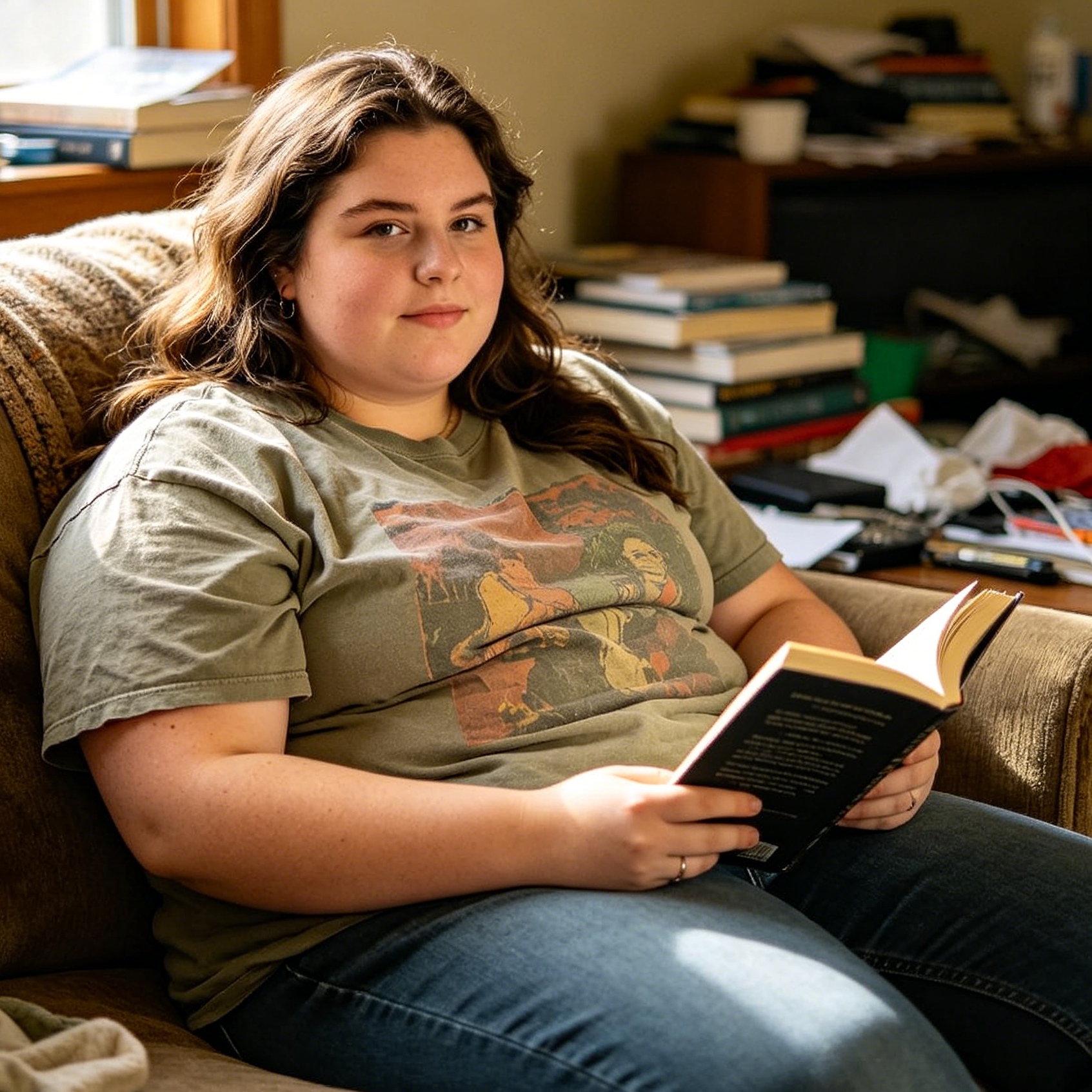
The landscape of digital self-expression has been fundamentally altered by the advent of generative artificial intelligence. For anyone looking to refresh their social media profile, create a professional headshot without a studio, or simply experiment with artistic filters, free AI selfie generators have become the primary destination. However, the term "free" in the AI world often comes with nuance, ranging from daily credit systems to limited trial periods.
Understanding the Landscape of Free AI Selfie Generation
The availability of high-quality image generation once required significant computing power and specialized knowledge. Today, these capabilities are accessible through web-based platforms and mobile applications. To navigate this space effectively, it is essential to categorize these tools based on their primary output and technical approach.
Stylized and Artistic Transformation
These tools prioritize creative flair over strict realism. They take an existing photograph and re-interpret it through specific artistic lenses, such as Japanese anime styles, oil paintings, or futuristic cyberpunk aesthetics. The underlying technology typically uses image-to-image (Img2Img) translation, where the AI preserves the structural geometry of the face while applying new textures and lighting.
Professional AI Headshots
Professional generators aim to simulate high-end studio photography. They are designed to replace traditional business portraits, offering options to change attire to suits or professional dresses and moving the subject to office or minimalist studio backgrounds. Achieving high fidelity in this category often requires the user to upload a diverse dataset of their own images—usually 10 to 20 photos—to allow the model to learn specific facial nuances.
Integrated Creative Suites
Many established design platforms have integrated AI "magic" tools into their existing workflows. These tools are often the most accessible for beginners because they combine AI generation with traditional editing features like text overlays, background removal, and color correction.
Top-Rated Platforms for Generating AI Selfies for Free
While many apps claim to be free, only a few offer genuine value without immediate paywalls. Based on performance metrics such as facial consistency, rendering speed, and style diversity, the following platforms represent the current peak of accessible AI generation.
1. CapCut Portrait Generator
Known primarily for its dominance in video editing, CapCut offers a surprisingly robust AI portrait tool. It focuses on accessibility and speed, making it ideal for content creators who need quick, high-impact visuals.
Performance and Experience In our testing, CapCut’s "3D Cartoon" and "Manga" filters showed exceptional stability. Unlike many mobile filters that "break" when the subject tilts their head, CapCut’s AI maintains facial proportions effectively. The interface is streamlined; once a photo is uploaded, the transformation happens in under ten seconds. One of the most significant advantages is the lack of intrusive watermarks on the generated portraits, a rarity in the free tier of the AI market.
- Best for: Social media avatars and TikTok profile pictures.
- Free tier status: Fully accessible with a CapCut account, though some high-definition exports may require a Pro subscription.
2. Canva Magic Media
Canva has moved aggressively into the AI space with its Magic Media toolset (formerly Text to Image). It allows users to generate selfies either through text prompts or by applying AI styles to uploaded assets.
Performance and Experience The real strength of Canva lies in its "Magic Edit" feature. If you have a selfie you like but hate your shirt, you can brush over the clothing area and type "navy blue blazer." During our evaluation, Canva successfully swapped attire while maintaining the original lighting of the face. This makes it a powerful hybrid tool for those who don't want a completely generated face but need to "fix" a real photo.
- Best for: Hybrid editing and professional branding.
- Free tier status: Offers a generous monthly allowance of AI generations for free users.
3. Fotor AI Selfie Generator
Fotor has evolved from a basic photo editor into a comprehensive AI suite. Its selfie generator specializes in "ID Photos" and "Artist Styles."
Performance and Experience Fotor uses a credit-based system. New users typically receive a batch of free credits, and daily check-ins can earn more. During our tests with the "Professional Headshot" mode, the AI successfully corrected skin blemishes and optimized lighting without making the skin look "plastic," a common issue with lower-end AI models. However, users should be aware that the most realistic headshot models often require a small credit investment.
- Best for: Business-ready portraits and realistic retouching.
- Free tier status: Credit-based; limited free generations available through tasks.
4. SeaArt AI
For users who want more control over the generation process, SeaArt AI provides a "pro-level" interface that is still remarkably accessible for free. It is built on the Stable Diffusion architecture but simplified for web use.
Performance and Experience SeaArt allows users to choose specific "Models" or "LoRAs" (Low-Rank Adaptations) created by the community. You can find specific models designed just for "Cyberpunk Portraits" or "Renaissance Oil Paintings." In our deep-dive testing, the ability to adjust the "Denoising Strength" was a game-changer. Lowering this value ensures the AI stays very close to your original facial structure, while raising it allows the AI to be more creative.
- Best for: Advanced users and highly specific artistic styles.
- Free tier status: Offers a high daily limit of free "stamina" (generation points).
5. Magic Hour
Magic Hour has gained popularity for its "Video-to-Video" and "Image-to-Video" capabilities, but its static AI selfie tool is equally impressive. It emphasizes "Vibe" over clinical perfection.
Performance and Experience This platform excels at generating images that look like they were taken with a high-end film camera. If you are looking for the "90s Yearbook" aesthetic or "Old Money" style, Magic Hour’s presets are finely tuned. The generation process is straightforward, and the free tier is generous enough for casual users to get five to ten high-quality exports per day.
- Best for: Aesthetic trends and vintage styles.
- Free tier status: Daily free generation limits.
How to Get the Best Results from a Free AI Generator
The quality of an AI-generated selfie is heavily dependent on the "seed" data—the photo you provide. Even the most advanced model cannot fix a poor-quality input. To maximize the effectiveness of free tools, follow these technical guidelines.
Optimize Your Input Lighting
AI models interpret depth through shadows and highlights. If you upload a photo taken in a dark room with heavy grain (digital noise), the AI will often hallucinate strange textures or "artifacts" on your skin.
- The Golden Rule: Use natural, front-facing light. Stand near a window during the day so your face is evenly illuminated without harsh shadows under the eyes.
Maintain Facial Clarity
Avoid photos where your face is partially obscured by hair, hands, or large sunglasses. The AI needs to "see" the distance between your eyes and the corners of your mouth to map your identity correctly.
- Practical Tip: Use a neutral expression or a natural smile. Extreme facial contortions (like "duck face") often lead to distorted results when the AI tries to apply a professional or artistic style over them.
Leveraging Text Prompts in Image-to-Image Modes
When using tools like SeaArt or Canva, you often have the option to provide a text prompt alongside your image. Do not just type "me as a knight." Be specific.
- Better Prompt: "A hyper-realistic cinematic portrait of a person, medieval silver armor, intricate engravings, soft sunset lighting, bokeh background, 8k resolution."
- Why this works: It gives the AI a clear roadmap for textures (silver, engravings) and environment (sunset, bokeh), reducing the chance of generic, blurry outputs.
What is the Catch? The Reality of "Free" AI
It is important to manage expectations when using free services. Running high-end AI models like Flux or Stable Diffusion XL requires expensive GPU (Graphics Processing Unit) time. To sustain this, companies implement several limitations.
The Resolution Gap
Free versions often cap the export resolution at 720p or 1024px. While this is perfectly fine for an Instagram profile picture or a LinkedIn avatar, it will not be sharp enough for physical printing. Professional-grade 4K upscaling is almost always a paid feature.
Watermarking and Branding
Some tools, like Vidnoz or Fotor, may place a small watermark in the corner of the free image. While these can sometimes be cropped out, they are designed to encourage users to upgrade to a premium plan for "clean" images.
Queue Wait Times
During peak usage hours, free users may be placed in a "queue." Paid subscribers always get priority, meaning a generation that takes 10 seconds for a "Pro" user might take 2 minutes for a free user.
Privacy and Data Security Considerations
When you upload your face to an AI generator, you are providing sensitive biometric data. It is vital to understand how this data is handled.
Data Retention Policies
Reputable platforms like Canva and CapCut have clear terms of service stating that they do not sell your personal photos. However, some smaller, "viral" apps may use your uploaded images to further train their models.
- Safety Step: Always look for a "Delete Data" or "Clear History" option in the app settings after you have downloaded your generated images.
Avoiding "Shadow" Apps
Be cautious of mobile apps that require excessive permissions (like access to your contacts or location) just to generate a selfie. Stick to well-known web-based platforms or apps with high ratings on the official App Store or Google Play Store.
Why Does My AI Selfie Look Weird? Troubleshooting Common Artifacts
Users often complain about "AI hands" (six fingers) or "double eyes." These occur because the AI is predicting pixels based on patterns, not actually "understanding" human anatomy.
How to Fix Distortions
- Lower the Strength: If you are using a tool with a "strength" or "influence" slider, move it closer to the "original image" side. This forces the AI to stick to your actual facial structure.
- Use Negative Prompts: If the tool allows negative prompts, type: "extra fingers, deformed eyes, blurry, low quality, distorted face."
- The "In-Painting" Solution: If the face is perfect but the background is messy, use a tool like Canva to cut out your face and place it on a clean, AI-generated background.
Future Trends in AI Selfies
We are moving toward a world of "Personalized LoRAs." In the near future, instead of just using a general "free" tool, you might train a small, private model of your own face that lives on your phone. This would allow you to generate yourself in any scenario—attending a gala, hiking the Himalayas, or acting in a sci-fi movie—with 100% facial consistency and total privacy.
For now, the combination of tools like SeaArt for creativity and Canva for polish offers the best "free" workflow available.
Conclusion
Finding a high-quality free AI selfie generator is no longer a difficult task, provided you know where to look and how to manage the "freemium" limitations. Whether you choose the artistic versatility of CapCut, the professional utility of Canva, or the deep customization of SeaArt AI, the key to success lies in high-quality input and a basic understanding of how to guide the AI. As the technology continues to evolve, these tools will only become more realistic, making professional-grade digital imagery accessible to everyone with a smartphone and an internet connection.
FAQ
What is the best free AI selfie generator for LinkedIn? Canva and Fotor are the most suitable for LinkedIn because they offer "Professional" presets that focus on realistic lighting and office attire, avoiding the overly stylized look of cartoon filters.
Are AI selfie generators safe for my privacy? Most established platforms are safe, but you should always read the privacy policy. Avoid apps that do not have a clear company history or those that ask for unnecessary permissions.
Can I generate an AI selfie without uploading a photo? Yes, but it won't look exactly like you. You can use "Text-to-Image" tools like DALL-E 3 or Bing Image Creator and describe your features (e.g., "A man with short brown hair, glasses, and a blue shirt"), but it will be a generic person rather than a true selfie.
Why do I have to pay after a few tries? Generating AI images costs the company money for server usage. The "free" tier is usually a marketing tool to let you test the quality before committing to a subscription.
How do I remove a watermark from an AI selfie for free? While we recommend supporting the creators, you can often use "AI Object Removers" (also available for free on platforms like Media.io) to clean up small watermarks in the corners of images.
-
Topic: 8 Best Free AI Selfie Generators to Created AI Yourselfhttps://www.vidnoz.com/ai-solutions/ai-selfie-generator.html
-
Topic: Custom AI Art Selfie: Top 10 Tools To Generate Online For Freehttps://www.capcut.com/resource/ai-art-selfie-generator
-
Topic: 9 Best Free AI Selfie Generators for All Devices [Online]https://www.media.io/ai-image-tips/best-ai-selfie-generators.html#Part1