Home
Home
Generating High Quality Images Directly Within Perplexity AI
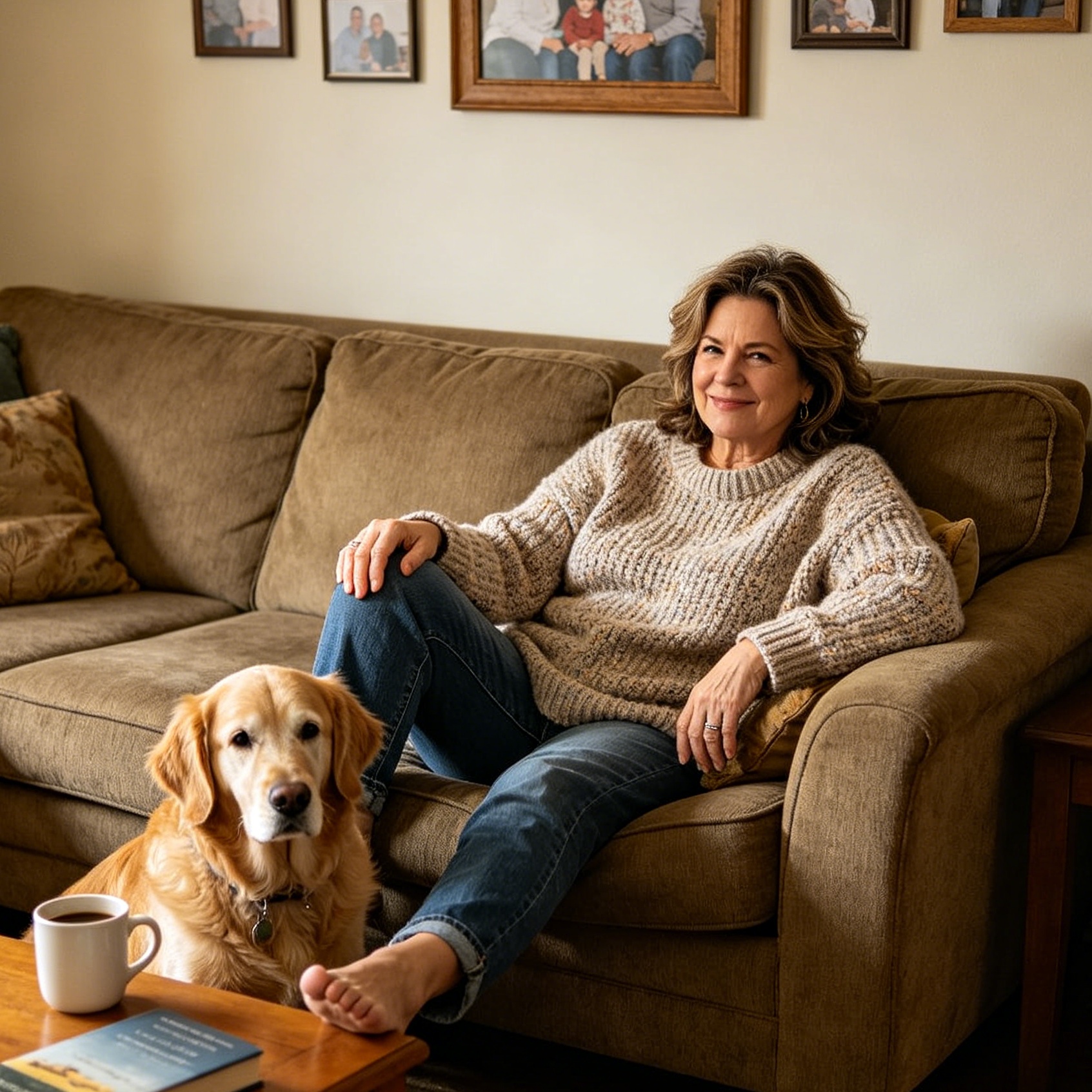
Perplexity AI can generate custom images directly within its conversational interface. While primarily known as a powerful AI search engine, the platform has evolved into a versatile creative tool that allows users to produce visual content alongside text-based research. This feature is accessible across all major platforms, including the web interface, mobile applications (iOS and Android), and desktop apps.
The image generation process in Perplexity is seamless. Instead of switching between different tools like Midjourney or DALL-E, users can simply describe the image they need within their ongoing research thread. The platform then utilizes advanced underlying models to interpret the prompt and render high-quality visuals.
Understanding the Perplexity Image Generation Architecture
To use Perplexity effectively for visuals, it is essential to understand that Perplexity does not maintain its own proprietary image model. Instead, it functions as a sophisticated "switchboard" or orchestrator. When a user submits an image prompt, Perplexity routes that request to one of several third-party industry-leading engines.
This architectural choice offers a significant advantage: flexibility. Depending on the subscription level and user preferences, Perplexity can tap into models developed by OpenAI, Google, and Bytedance. This allows the platform to provide a variety of artistic styles and technical capabilities under a single interface.
The Automated Generation Workflow
In earlier versions, generating an image required clicking a specific button after a text response was generated. However, recent updates have streamlined this into a more intuitive flow. Today, Perplexity automatically detects the intent to create an image based on the language used in the prompt. If a user asks to "generate an image of a futuristic city," the system identifies this as an image request and triggers the visual engine immediately.
Integrated Editing and Iteration
One of the strengths of generating images within a research thread is the ability to iterate. If the initial result does not perfectly match the vision, users can use follow-up prompts to refine the output. For example, after generating a landscape, a user might add, "Now change the lighting to sunset and add a small cabin in the foreground." This conversational approach to image creation makes it accessible to those who may not be experts in complex prompt engineering.
Step by Step Guide to Creating Images in Perplexity
Creating an image is straightforward, but maximizing the quality requires knowing where the settings are hidden and how to structure the input.
Accessing the Image Settings
Before typing a prompt, users on paid plans should verify which model is currently active. To do this, navigate to the user profile icon, select "Settings," and then enter the "Preferences" menu. Here, an option titled "Image Generation Model" allows for the selection of specific engines. While the "Default" setting lets Perplexity choose based on the query, manual selection is often better for specific creative needs.
Drafting the Effective Prompt
The quality of the generated image is directly proportional to the detail provided in the prompt. Vague requests like "make a picture of a cat" often result in generic outputs. In contrast, a high-value prompt should include:
- Subject: What is the main focus? (e.g., A Maine Coon cat).
- Style: Is it a watercolor, a photorealistic photograph, a 3D render, or a minimalist sketch?
- Environment: Where is the subject located? (e.g., sitting on a velvet chair in a library).
- Lighting and Mood: Is it dramatic, soft, neon-lit, or golden hour?
- Composition: Is it a close-up, a wide shot, or an isometric view?
The Regeneration Process
If the image is not satisfactory, the "Regenerate" button located beneath the image provides a quick way to try again. It is important to note that each regeneration counts toward the daily or monthly limit of the user's plan. For those who want more control, sending a new message in the same thread with specific feedback—such as "make the colors more vibrant"—is often more effective than hitting regenerate blindly.
Comparative Analysis of Available Image Models
Perplexity offers a rotating selection of top-tier models. As of late 2025 and early 2026, the lineup typically includes versions from the GPT family, Google’s visual stack, and Bytedance’s design engines.
Nano Banana (Powered by Google)
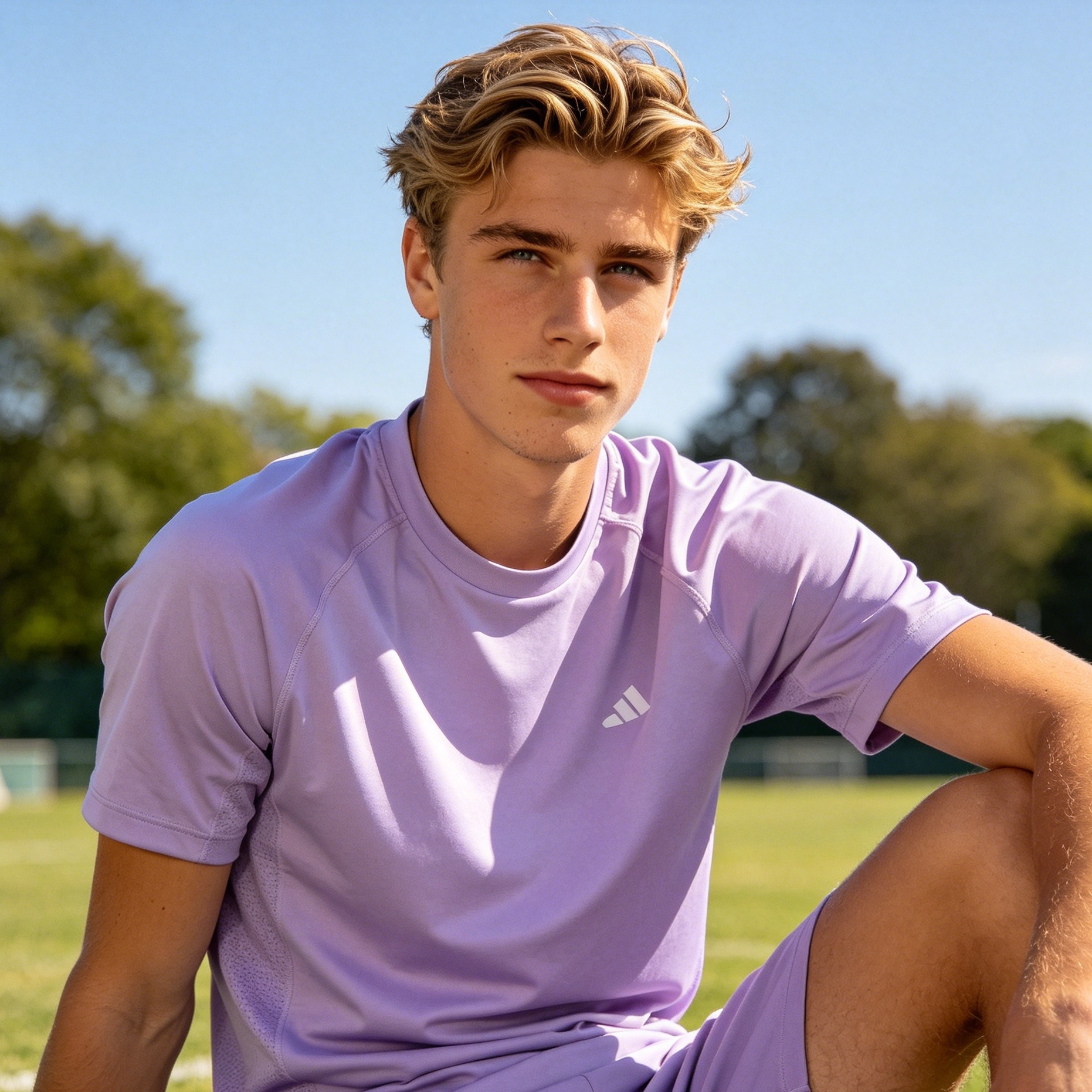
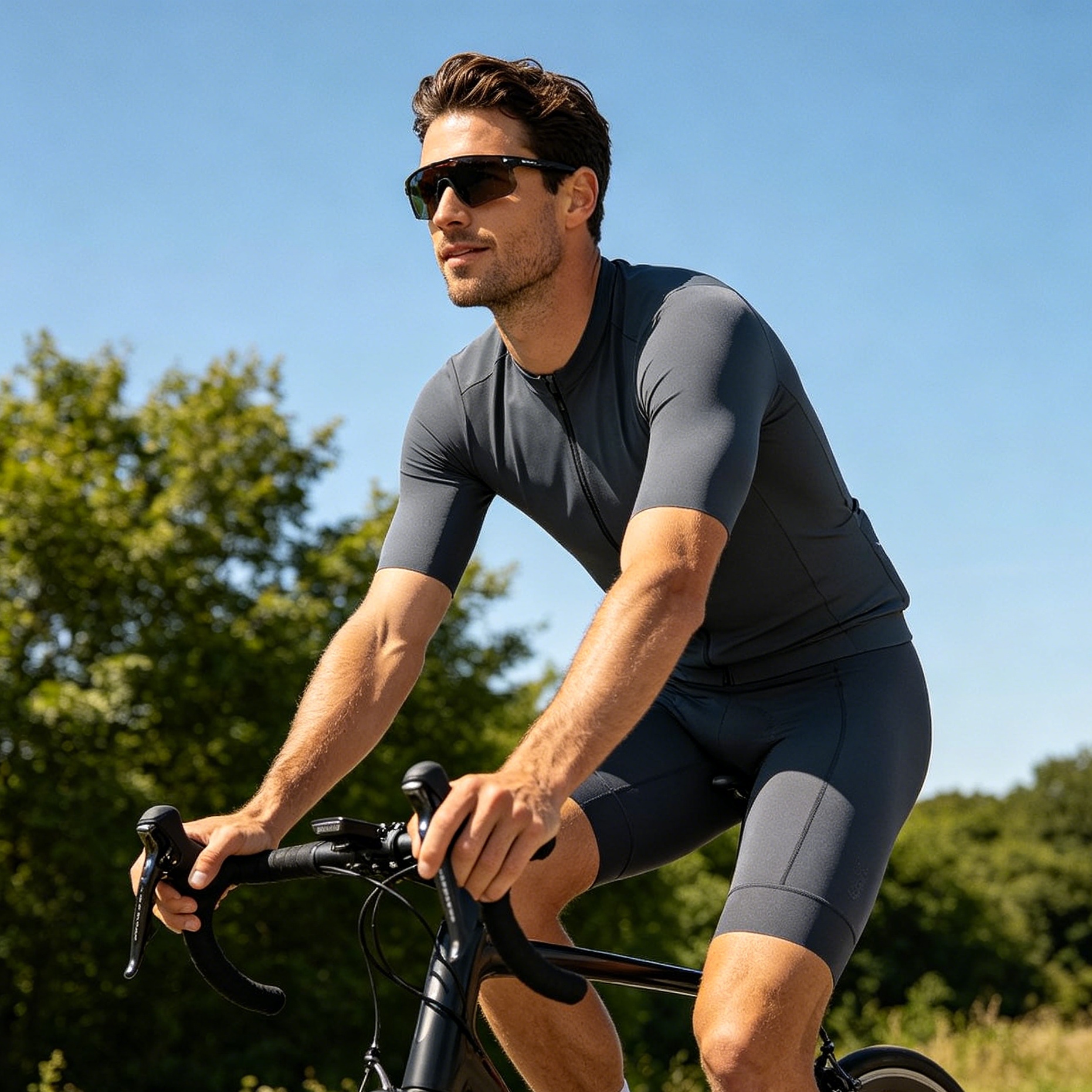
Nano Banana is often the default choice for high-volume, general-purpose image generation. In real-world testing, this model excels at photorealism and human anatomy.
- Best For: Realistic portraits, architectural visualizations, and sharp, clean product shots.
- Pros: Very fast generation times and high accuracy in following complex spatial instructions.
- Cons: Can sometimes feel "too perfect" or overly processed, lacking the artistic flair found in more specialized models.
See Dream 4.5 (Powered by Bytedance)
See Dream 4.5 has gained a reputation for its painterly and artistic qualities. It is the model of choice for users looking for something that feels designed rather than just captured.
- Best For: Concept art, book illustrations, editorial graphics, and social media banners.
- Pros: Exceptional handling of "mood" and artistic styles. It is particularly strong when processing follow-up edits to existing images.
- Cons: Sometimes struggles with highly specific technical text within images compared to the latest GPT-based models.
GPT Image 1 and 2 (Powered by OpenAI)
OpenAI’s contributions to the Perplexity stack remain a staple for users who appreciate the DALL-E style of interpretation. These models are famous for their "semantic understanding"—the ability to grasp the nuance behind a prompt.
- Best For: Creative storytelling images and prompts that involve complex metaphors.
- Pros: Excellent at following "negative" prompts (what NOT to include) and understanding intricate relationships between objects.
- Cons: Generation can occasionally take longer during peak usage periods.
Subscription Tiers and Generation Limits
Access to image generation is not unlimited, and the capacity varies significantly depending on the user's subscription tier. Understanding these limits is crucial for power users who rely on the tool for daily work.
The Free Tier
Perplexity allows free users to experiment with image generation, but the access is highly restricted.
- Availability: Limited number of generations per day.
- Quality: Often restricted to "standard" or "medium" quality models.
- Controls: Free users typically cannot select their preferred model; they must use the default selected by the system.
Pro and Education Pro Plans
The Pro plan ($20/month) is the "sweet spot" for most freelancers and researchers.
- Availability: A generous daily allowance of high-quality image generations. While Perplexity does not always publish a hard number, frequent users often report a soft cap of around 10 to 30 images per day before throttling occurs.
- Quality: Full access to the model selector, including See Dream 4.5 and the latest GPT variants.
- Bonus: Access to enhanced research capabilities alongside image tools.
Max and Enterprise Max Plans
For agencies and power users, the Max tiers provide the most extensive access.
- Availability: The highest priority in the generation queue and the most expansive limits.
- Exclusive Models: Max users often get early access to "Pro" versions of models, such as Nano Banana Pro, which offers higher resolution and better prompt adherence.
- Enterprise Features: Includes administrative controls and increased security for team-based workflows.
Practical Insights and Real-World Limitations
While the feature is powerful, our testing has revealed several nuances that users should be aware of to avoid frustration.
The Aspect Ratio Constraint
One of the most frequent complaints from professional users is the current user interface's tendency to force images into a 1:1 square aspect ratio. Even if the underlying model—like Nano Banana 2—is capable of rendering 16:9 widescreen or 9:16 vertical images, the Perplexity UI often crops or pads these results.
- Workaround: For those requiring specific dimensions for blogs or YouTube thumbnails, the best strategy is to generate the high-quality square image in Perplexity and then use external "Generative Fill" tools or manual cropping to reach the desired format.
Transparency of Usage Quotas
Unlike some competitors that provide a clear "credits remaining" dashboard, Perplexity’s limits are somewhat opaque. Users may find themselves suddenly unable to generate images without warning once they hit a rolling quota. In professional workflows, it is wise to generate mission-critical images early in the day to ensure you are not throttled during a deadline.
File Handling and API Limits
For developers using the Perplexity Agent API to automate image generation, there are technical boundaries. Image payloads are typically capped at 50MB. Furthermore, rate limits for queries vary significantly by API tier, ranging from 1 query per second (QPS) for entry-level tiers to 33 QPS for high-tier Enterprise accounts.
Commercial Usage Rights and Legal Considerations
Can you use Perplexity-generated images for your business? The answer depends entirely on your plan. This is a critical distinction that many users overlook.
Personal vs. Commercial Use
According to Perplexity's terms of service:
- Free, Pro, and Max (Individual) Plans: Images generated on these plans are intended for personal, non-commercial use only. This means you can use them for your private social media, school projects, or personal blogs that do not generate revenue.
- Enterprise Pro and Enterprise Max Plans: These tiers are designed for business use. Images generated under Enterprise accounts can be used for commercial purposes, such as marketing materials, paid advertisements, and revenue-generating websites.
Ownership and Copyright
The legal landscape regarding AI-generated art is still evolving globally. Generally, while Perplexity grants usage rights based on the plan, the ability to "own" a copyright on an AI-generated image remains a complex legal question in many jurisdictions. Users should consult with legal counsel if they intend to use AI images as a core part of their brand identity or trademark.
Best Practices for Writing Image Prompts
To get the most out of Perplexity’s image engines, consider these expert-level prompting strategies.
Use Artistic Keywords
Instead of just describing an object, describe the medium. Using keywords like "Oil painting on canvas," "Double exposure photography," "Unreal Engine 5 render," or "80s synthwave aesthetic" tells the model exactly which visual language to use.
Define the Lighting
Lighting changes the entire mood of an image. Try adding:
- Volumetric lighting: To create beams of light through dust or fog.
- Cyberpunk neon: For high-contrast, vibrant night scenes.
- Soft diffused light: For professional-looking portraits.
- High-key lighting: For bright, upbeat, and minimal commercial looks.
The Power of Reference Images
Users can upload images to a Perplexity thread (up to 50MB in formats like PNG, JPEG, or WEBP) and ask the AI to use them as inspiration. For example, "Generate a new image in the same style as the one I just uploaded, but with a different subject." This is one of the most effective ways to maintain visual consistency across a project.
Summary
Perplexity AI successfully bridges the gap between deep research and creative visual generation. By acting as a sophisticated router for world-class models like Nano Banana and See Dream, it allows users to stay within a single workflow to find information and visualize it. While the 1:1 aspect ratio and the commercial restrictions on individual plans are notable drawbacks, the convenience and quality of the integration make it an invaluable tool for modern digital creators.
FAQ
Does Perplexity AI have a dedicated image generation button?
No, Perplexity does not have a single "button" in the main search bar. Instead, you trigger image generation by including instructions like "generate an image" or "create a picture" in your prompt.
Is image generation free on Perplexity?
Yes, there is a limited free version available, but it does not allow for model selection and has strict daily limits. Paid Pro and Max plans offer more generations and higher-quality model options.
Which is the best model for realistic photos in Perplexity?
Nano Banana is currently the strongest performer for photorealistic images, especially for human faces and architectural details.
Can I change the size of the images?
Currently, the Perplexity user interface primarily displays and generates images in a 1:1 square ratio. For other sizes, users often need to post-process the images using external editing software.
Can I use the images for my YouTube channel or blog?
If you are on a Free or individual Pro/Max plan, the images are for personal use only. If your channel or blog is monetized, you should upgrade to an Enterprise plan to ensure you have the rights for commercial use.
-
Topic: Generating Images with Perplexity | Perplexity Help Centerhttps://www.perplexity.ai/help-center/en/articles/10354781-generating-images-with-perplexity
-
Topic: Tips for Getting Better Answers from Perplexity | Perplexity Help Centerhttps://www.perplexity.ai/help-center/en/articles/13645819-tips-for-getting-better-answers-from-perplexity
-
Topic: Can Perplexity Generate Images?https://www.tobiasholm.com/tech/can-perplexity-generate-images