Home
Home
How to Generate High Quality Images With Perplexity AI Models

Perplexity AI can generate images directly within its search interface. While originally known for its precision in delivering text-based citations and real-time web searching, the platform has integrated advanced generative AI models that allow users to create visuals from descriptive prompts. This capability transforms Perplexity from a standard search engine into a multi-modal productivity tool capable of synthesizing information and creating original art simultaneously.
The image generation feature is not powered by a proprietary Perplexity model but rather acts as a sophisticated gateway to industry-leading engines from OpenAI, Google, and Bytedance. This "switchboard" approach gives users the flexibility to choose specific aesthetics—ranging from photorealistic renders to artistic illustrations—depending on their subscription tier and personal preferences.
Getting Started with Image Generation in Perplexity
Generating an image in Perplexity is designed to be frictionless. Unlike other AI platforms that require you to switch to a specific "image mode," Perplexity integrates this functionality into the standard conversational thread.
Step-by-Step Execution
To create an image, follow these specific steps:
- Access the Platform: Log in to your Perplexity account via the web browser, mobile app (iOS/Android), or the desktop application.
- Define Your Intent: Start a new thread. You do not need to toggle any special filters.
- Draft the Prompt: In the search bar, type a descriptive request. For the best results, start the sentence with actionable verbs like "Generate an image of..." or "Create a visual for...".
- Automatic Processing: Once you hit enter, Perplexity's system identifies the intent. It will first provide a brief textual context (if applicable) and then automatically trigger the image generation process.
- Review and Refine: The resulting image will appear directly in the chat window. If the output does not meet your expectations, you can use the "Regenerate" button located below the image to try again with the same prompt.
The Evolution of the Workflow
In earlier versions of the platform, image generation was a secondary step that required users to click a "Generate Image" button after receiving a text response. As of late 2025 and moving into 2026, the workflow has been streamlined. The AI now interprets the request and produces the visual immediately alongside the text, significantly reducing the "time-to-visual" for content creators and researchers.
Comparative Analysis of Available Image Models
One of the most significant advantages of using Perplexity is the ability to select which underlying AI model handles your request. In the Settings > Preferences menu, users on paid plans can manually override the "Default" setting.
GPT Image (OpenAI)
OpenAI’s integration is often the go-to for users who want high conceptual accuracy. In our testing, this model excels at following complex instructions involving multiple subjects or specific text elements within the image. If your prompt requires a specific layout—such as "a robot holding a sign that says 'Future' while sitting on a pink cloud"—the GPT-based engine generally maintains the highest fidelity to the literal text of the prompt.
Nano Banana and Nano Banana Pro (Google)
The Google-powered Nano Banana series (specifically Nano Banana 2 in current deployments) is optimized for speed and photorealism. This model is particularly effective for:
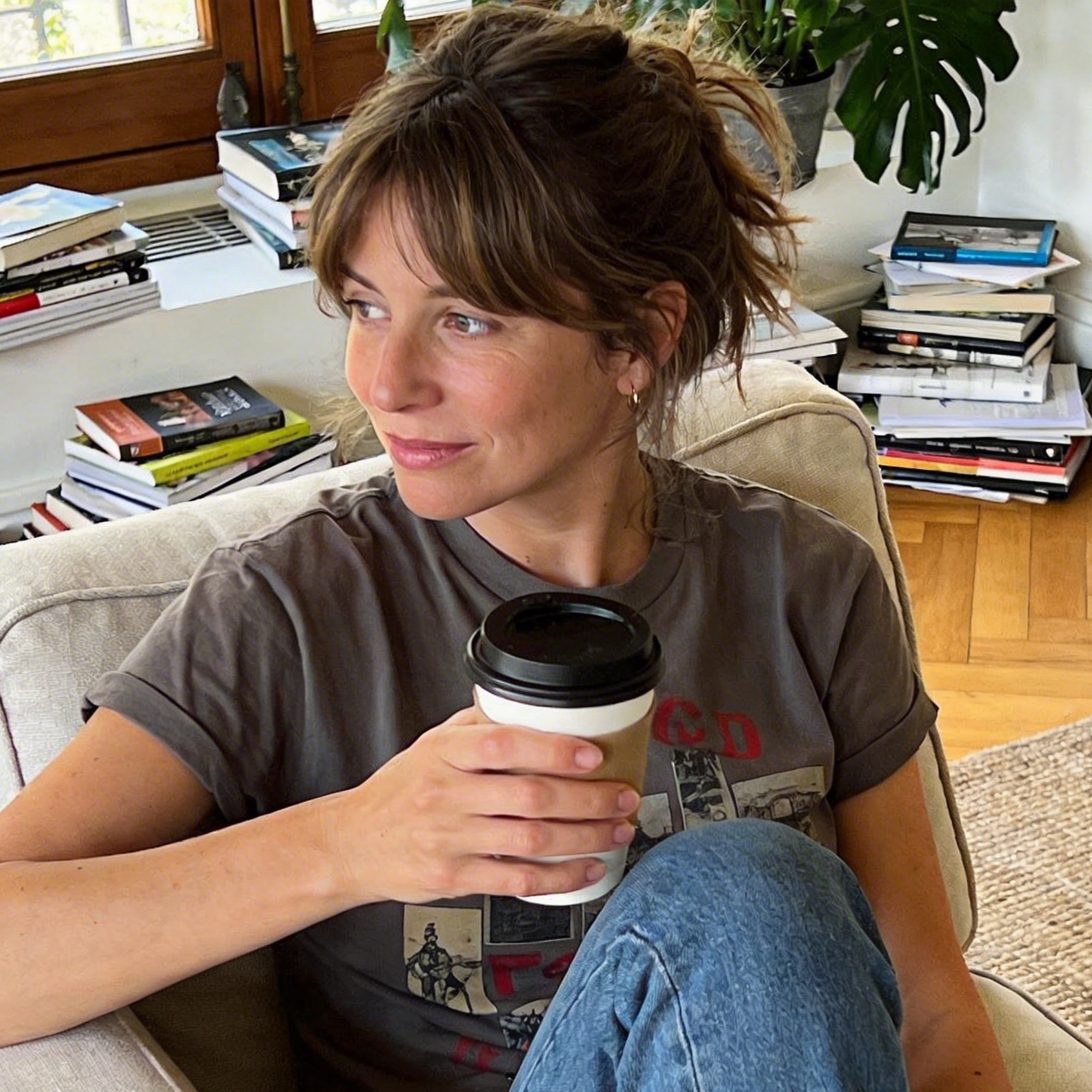
- Portraits: It handles skin textures and lighting more naturally than its competitors.
- Landscapes: It produces sharp, high-contrast outdoor scenes.
- Speed: It often renders faster than the OpenAI or Bytedance alternatives. Subscribers on the Max and Enterprise Max plans gain access to "Nano Banana Pro," which offers higher resolution and improved consistency across multiple generations.
See Dream 4.5 (Bytedance)
Bytedance’s See Dream 4.5 engine offers a distinct aesthetic that many designers describe as "painterly" or "stylized." It is often the best choice for creative projects where you don't necessarily want a photo, but rather an evocative piece of concept art.
- Resolution: See Dream 4.5 typically caps at 2048 x 2048 pixels.
- Strengths: It is exceptionally strong at handling soft lighting, atmospheric effects like fog or smoke, and abstract concepts.
The Default Router
If you leave the setting on "Default," Perplexity uses an internal routing logic to determine which model is best suited for your specific prompt. For example, if your prompt mentions "photorealistic," the router might lean toward Nano Banana. If it mentions "intricate detail and text," it might favor the GPT engine.
Subscription Tiers and Usage Limits
Access to image generation varies significantly based on your account type. Understanding these boundaries is essential for power users who rely on these tools for daily workflows.
| Plan Tier | Image Generation Access | Key Limitations |
|---|---|---|
| Free | Limited | Minimal generations per day; no model selection. |
| Pro / Education Pro | Enhanced | Access to high-quality models; approximately 10-30 high-res images daily. |
| Max | Extensive | Priority access; includes Nano Banana Pro and higher daily quotas. |
| Enterprise Pro | High-Volume | Commercial usage rights included; administrative controls. |
| Enterprise Max | Unlimited* | Top-tier models; video generation capabilities; full commercial rights. |
Note: Even "unlimited" plans are subject to fair use policies and potential throttling during periods of extreme global demand.
The "Hidden" Quota Problem
One aspect of Perplexity that often confuses new users is the lack of a visible "usage meter" for images. Unlike some platforms that show you exactly how many credits you have left, Perplexity tends to use a rolling window. If you generate twenty images in an hour on a Pro plan, you might find the quality of the outputs suddenly drops or the system asks you to wait. Based on empirical testing, Pro users can generally expect about 10–15 high-quality generations before noticing any latency or throttling.
Professional Techniques for Better Image Prompts
Simply asking for "a cat" will yield a generic result. To truly leverage the power of Perplexity’s multi-model stack, you must provide context and technical specifications.
The Anatomy of a High-Performance Prompt
A professional-grade prompt should include four key pillars:
- Subject: What is the main focus? (e.g., "A vintage 1960s sports car").
- Environment: Where is it located? (e.g., "Driving along the Amalfi Coast at sunset").
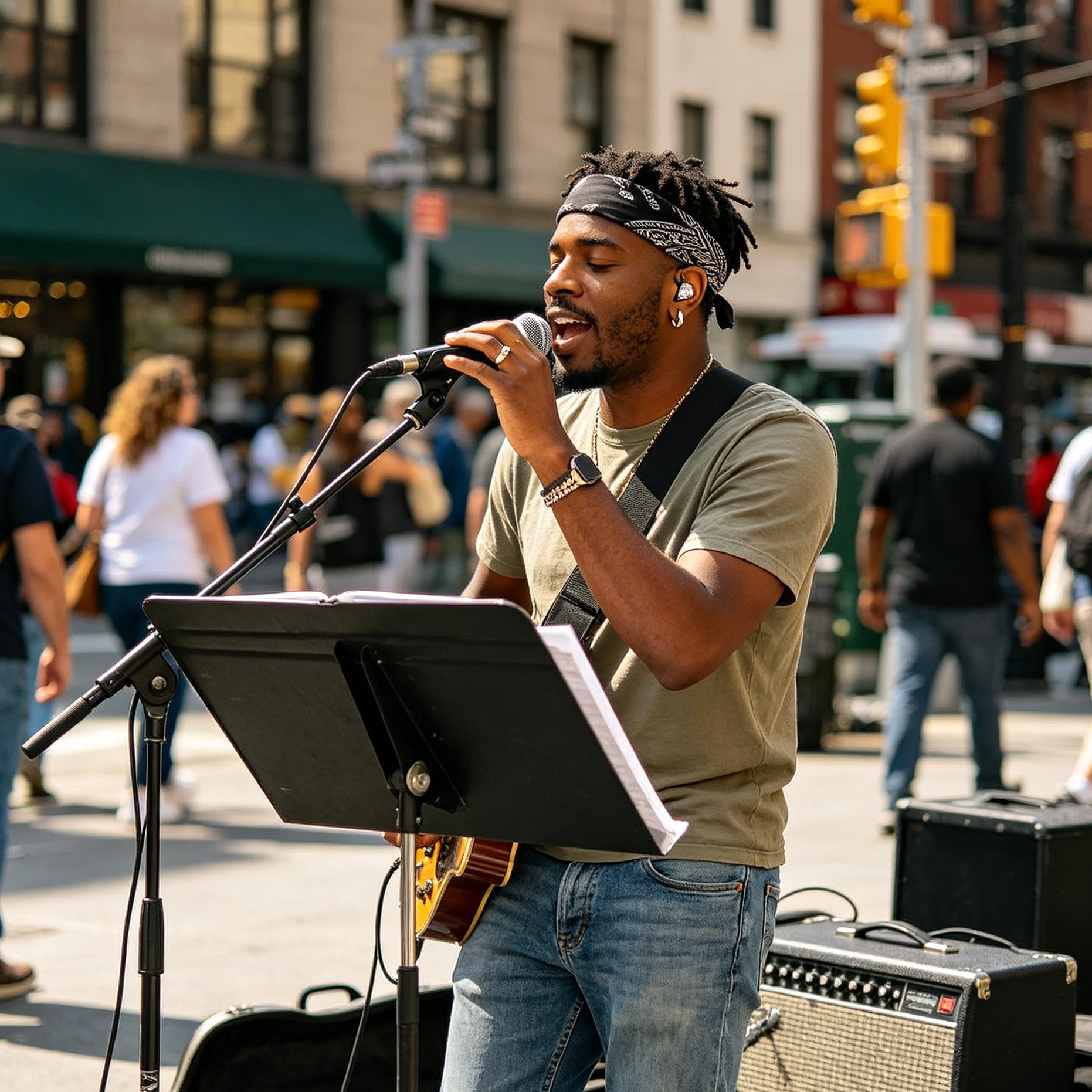
- Style/Medium: What should it look like? (e.g., "Kodachrome film style, 35mm lens, slight motion blur").
- Lighting/Mood: What is the feeling? (e.g., "Golden hour light, nostalgic atmosphere, warm tones").
Example of a weak prompt: "A picture of a forest." Example of a strong prompt: "A cinematic wide shot of a misty pine forest in the Pacific Northwest, early morning light filtering through the trees, photorealistic style, 8k resolution, shot on Sony A7R IV."
Iterating and Editing
If the first image isn't perfect, do not start a new thread. Use the conversation history to your advantage. You can say:
- "Keep the same car but change the color to midnight blue."
- "Make the lighting darker and more moody."
- "Add a person standing next to the vehicle."
Perplexity’s "Regenerate" button is useful for a complete refresh, but follow-up prompts are better for fine-tuning specific details.
Real-World Limitations and "Pain Points"
While the tool is powerful, it is not without its frustrations. As an experienced user of the platform, there are several "reality checks" that every creator should be aware of.
The Aspect Ratio Constraint
One of the most persistent issues in the current Perplexity UI is the tendency to default to a 1:1 square aspect ratio. Even if you explicitly ask for a "16:9 widescreen image for a YouTube thumbnail," the underlying models (especially Nano Banana) might still return a square image padded with white space or simply ignore the instruction.
- The Workaround: If you absolutely need a specific ratio, it is often more efficient to generate the highest resolution square image possible and then use an external tool (like Photoshop’s Generative Fill) to expand the canvas.
Content Safety and Restrictions
Perplexity maintains strict safety filters. It will refuse to generate images of public figures, copyrighted characters (in some instances), or anything involving violence or explicit content. If your request is blocked, the AI will usually provide a polite message stating it cannot complete the request due to content guidelines.
Text Rendering
While the GPT-based model is better at text than previous generations, it is still not 100% reliable. You might find "garbled" letters or misspellings in logos or signage. For professional branding work, it is always recommended to generate the visual background in Perplexity and add the typography in a dedicated design suite.
Commercial Use and Copyright Ownership
The question of "who owns the image" is critical for businesses and freelancers.
- Free and Individual Pro/Max Users: Perplexity’s terms generally state that images generated on these plans are for personal, non-commercial use. This means you can use them for your personal blog, social media, or school projects, but you should not sell them or use them in paid advertising.
- Enterprise Pro and Enterprise Max Users: These tiers are specifically designed for business environments. Users on these plans are granted commercial use rights, allowing the images to be used in marketing collateral, corporate presentations, and commercial products.
Always consult the most recent Terms of Service within your Perplexity dashboard, as these legal frameworks are subject to change as AI regulations evolve globally.
Perplexity AI vs. Dedicated Image Generators
Is Perplexity a replacement for Midjourney or DALL-E 3? The answer depends on your workflow.
When to Use Perplexity
- Research Integration: If you are researching a topic and need a quick visual to accompany your findings, Perplexity is unbeatable.
- Variety: You get access to three different model families under one subscription.
- Simplicity: The interface is cleaner and more intuitive than the Discord-based Midjourney.
When to Use Dedicated Tools
- High-End Artistic Control: If you need deep control over camera settings, "chaos" parameters, or specific "stylize" values, Midjourney still holds the edge.
- Extreme Resolutions: For large-format printing, specialized tools often provide better upscaling options.
Practical Use Cases for Modern Professionals
How are people actually using this? Here are three scenarios where Perplexity’s image generation shines:
1. Content Marketing and Blogging
A blogger writing about "The Future of Sustainable Architecture" can use Perplexity to research the latest trends in green building materials. Once the research is done, they can immediately prompt: "Generate a photorealistic image of a futuristic skyscraper covered in vertical gardens and solar glass, blue sky background." This creates a cohesive workflow from research to asset creation.
2. Educational Presentations
Teachers can create custom illustrations for complex scientific concepts. Instead of searching for royalty-free images of "mitosis," they can generate a high-clarity diagram that perfectly matches the aesthetic of their slide deck.
3. Rapid Prototyping and Storyboarding
UI/UX designers and filmmakers use Perplexity to quickly visualize "mood boards." By choosing the See Dream 4.5 model, they can create atmospheric concept art to convey a specific "vibe" to clients without spending hours on manual sketches.
Summary
Perplexity AI has successfully bridged the gap between information retrieval and creative production. By providing a unified interface for multiple high-end image models, it offers a level of versatility that few other AI tools can match. While it still faces minor hurdles regarding aspect ratio controls and daily quotas, its ability to generate high-quality visuals alongside real-time research makes it an essential tool for the modern digital professional.
Frequently Asked Questions (FAQ)
Can I generate images for free on Perplexity?
Yes, users on the free plan have access to a limited number of image generations. However, they cannot choose which model is used, and the daily quota is significantly lower than that of Pro or Max subscribers.
Which model is best for photorealistic faces?
For the most realistic human features and skin textures, the Nano Banana (Google) models are currently the top performers within the Perplexity ecosystem.
Why did Perplexity stop generating images for me today?
If you have used the feature extensively, you may have hit your rolling daily limit. Paid plans like Pro have higher limits, but they are not infinite. You will usually be able to generate images again after 24 hours.
Can I upload an image and ask Perplexity to edit it?
Yes, you can upload an image (up to 50MB) and provide a prompt to modify it. The See Dream 4.5 model is particularly effective at these types of image-to-image editing tasks.
Does Perplexity support video generation?
As of 2026, video generation is primarily reserved for Enterprise Max users and certain beta testers on the Max plan. It allows for the creation of short, high-quality clips from text prompts or still images.
How do I change the image model?
Go to Settings, select the Preferences tab, and look for the Image Generation Model dropdown. Note that this option is only available to paid subscribers.
Are the images generated by Perplexity unique?
Yes, every image generated is a unique creation based on the specific noise and weights of the AI model at the moment of the prompt. No two images will be exactly identical, even with the same prompt.
-
Topic: Generating Images with Perplexity | Perplexity Help Centerhttps://www.perplexity.ai/help-center/en/articles/10354781-generating-images-with-perplexity
-
Topic: Tips for Getting Better Answers from Perplexity | Perplexity Help Centerhttps://www.perplexity.ai/help-center/en/articles/13645819-tips-for-getting-better-answers-from-perplexity
-
Topic: Can Perplexity Generate Images?https://www.tobiasholm.com/tech/can-perplexity-generate-images