Home
Home
Google Gemini Veo 3.1 Brings Native Audio and 4K Fidelity to AI Video
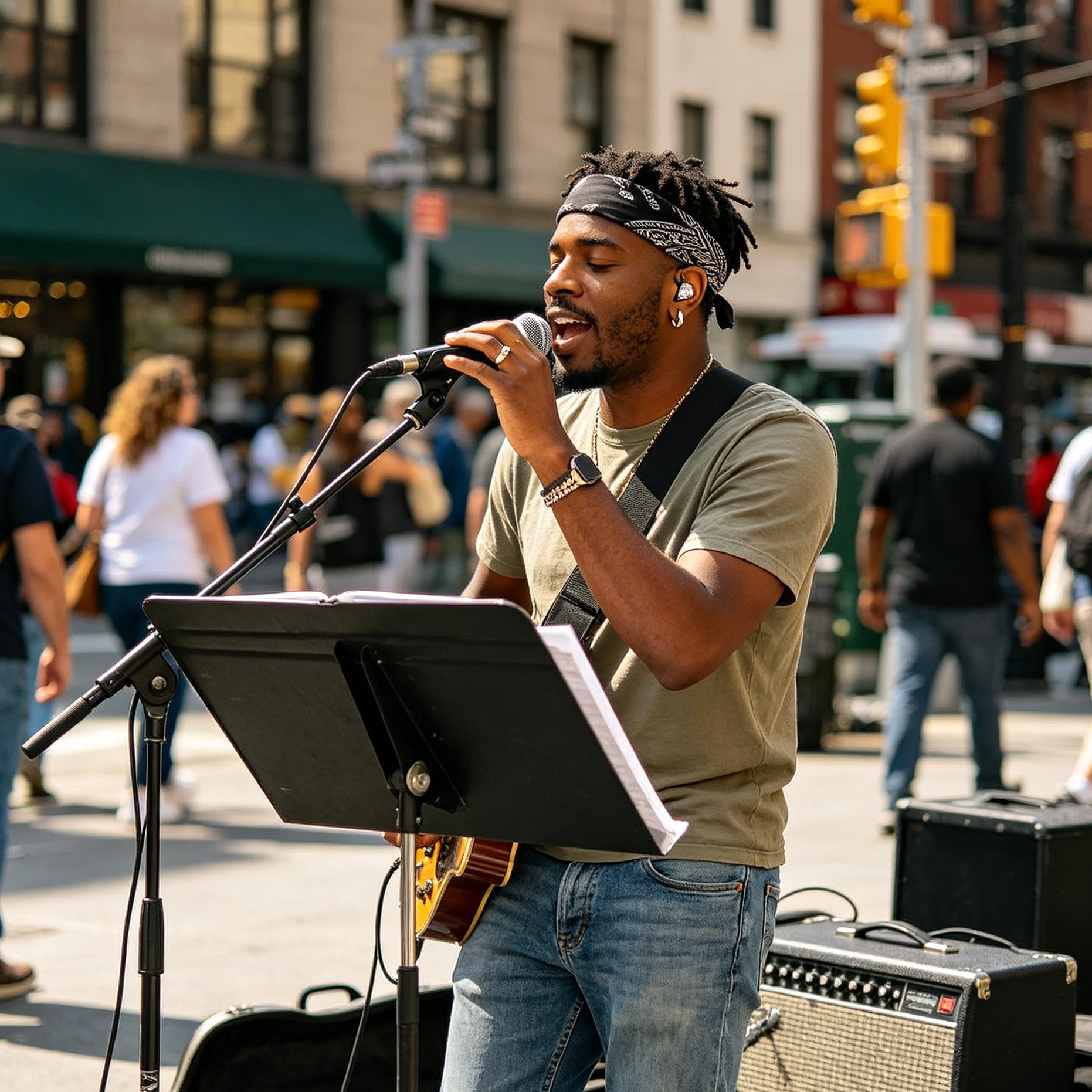
Google has solidified its position in the generative media landscape with the rollout of Veo 3.1, the latest iteration of its flagship video generation model integrated within the Gemini ecosystem. As of April 2026, Veo 3.1 represents a significant leap forward from early experimental versions, transitioning from a silent video generator to a comprehensive audiovisual production tool. By merging high-fidelity visual synthesis with native audio generation, Google is addressing the long-standing industry challenge of synchronizing sound and motion in AI-generated content.
The Breakthrough of Native Audio Generation
The most transformative feature of Veo 3.1 is its ability to generate synchronized audio alongside video in a single inference pass. Unlike previous workflows that required users to generate a silent clip and then use a separate tool for sound effects or music, Veo 3.1 treats audio as a fundamental component of the scene.
Synchronized Dialogue and Sound Effects
In our testing of the model’s dialogue capabilities, the lip-syncing precision observed in 4K renders is notably superior to post-processed audio solutions. When a prompt specifies a character speaking—such as a weathered sailor recounting a maritime legend—the model aligns the phonemes with the visual movement of the mouth and facial muscles. Beyond speech, the model excels at ambient noise layering. A scene of a bustling rainforest doesn't just show moving leaves; it generates the specific rustle of wind, the distant call of exotic birds, and the crunch of footsteps on damp soil, all timed to the visual cues.
Orchestral and Rhythmic Composition
The audio engine within Veo 3.1 isn't limited to realism. It can interpret creative musical prompts, such as "a cat singing opera with a full orchestra." The model understands the relationship between the dramatic gestures of the feline "performer" and the swelling crescendos of the background strings. This temporal coherence between sight and sound reduces the "uncanny valley" effect often found in AI video, where the lack of environmental sound makes the visuals feel sterile.
Visual Fidelity and the 4K Frontier
While the industry average for AI video has hovered around 720p or 1080p, Veo 3.1 pushes the ceiling to native 4K resolution. This increase in pixel density is not merely about sharpness; it significantly impacts how the model renders complex textures and lighting.
Realistic Physics and Lighting Interaction
One of the hallmarks of the Veo 3 series is its improved physics engine. In high-resolution outputs, light interacts with surfaces with a high degree of accuracy. Reflections on water, the refraction of light through glass, and the way shadows soften across skin tones are handled with cinematic nuance. For instance, in a close-up shot of a person sitting by a flickering campfire, the orange glow correctly illuminates the pores and fine hairs on the skin, with shadows dancing in sync with the flame's movement.
Character and Style Consistency
A persistent pain point in AI video has been "character drift," where a subject's appearance changes between frames. Veo 3.1 introduces more robust consistency layers. By using multiple reference images—up to three in the current API implementation—users can define a character’s face, clothing, and style. The model then maintains these attributes across the 8-second clip, even during complex movements or changes in camera angles.
Advanced Creative Controls and Editing
Veo 3.1 is designed for professional workflows, offering granular controls that go beyond simple text-to-video prompting. These features allow for iterative creative processes rather than "one-shot" attempts.
Aspect Ratio and Resolution Flexibility
The model supports multiple formats to cater to different distribution channels. Users can toggle between:
- Landscape (16:9): Optimized for traditional cinematic displays and YouTube, supporting resolutions up to 4K.
- Portrait (9:16): Tailored for social media platforms like TikTok and Reels, currently optimized for 720p and 1080p outputs.
Image-Based Guidance and Specified Frames
The "Image-to-Video" capability has been expanded to allow users to set the "First Frame" and "Last Frame." This is particularly useful for controlled transitions. If a designer provides an image of a closed bud as the first frame and a blooming flower as the last, Veo 3.1 intelligently interpolates the biological process of blooming over the 8-second duration. This level of control is essential for brand storytelling where specific start and end points are non-negotiable.
Video Extension and Scene Seamlessness
Veo 3.1 allows for the extension of existing clips. If an 8-second generation is insufficient, the model can analyze the final frames of a clip and generate a subsequent 8-second segment that maintains the same characters, lighting, and environmental context. This "stitching" capability enables the creation of longer narratives without the jarring shifts in style that characterized earlier generative video models.
Model Variants: Veo 3.1 vs. Veo 3.1 Fast
Google has tiered the Veo 3.1 architecture to balance quality and speed, catering to different user needs and computational budgets.
Veo 3.1 (Standard)
This is the high-fidelity flagship model. It is optimized for the highest possible visual quality, native 4K output, and complex audio-visual synchronization. It is the preferred choice for filmmakers, advertisers, and high-end content creators who prioritize the "final look" over generation speed.
Veo 3.1 Fast
As the name suggests, this variant is optimized for rapid iteration. It maintains high visual quality but prioritizes speed, making it ideal for:
- Rapid Prototyping: Visualizing storyboards or concepts during brainstorming sessions.
- Social Media Content: Generating trending memes or quick updates where the 4K resolution is less critical than the turnaround time.
- Cost-Effectiveness: For enterprise users, the Fast model typically incurs lower API costs, allowing for higher volume generation.
Accessing Veo 3.1 via the Google Ecosystem
Google has integrated Veo 3.1 across its consumer and developer platforms, ensuring that both casual users and software engineers can leverage the technology.
The Gemini App Experience
For individual users, the Gemini App serves as the primary portal.
- Interface: Users can find a dedicated "Video" button within the prompt bar.
- Subscription Tiers: Access is currently linked to Google AI plans. Users on the Google AI Pro plan generally have access to the Veo 3.1 Fast model, while those on the Google AI Ultra plan get the highest access to the standard Veo 3.1 model for 4K high-fidelity outputs.
- Mobile Usage: The feature is fully supported on mobile, allowing users to generate and share 8-second videos directly from their smartphones.
Google Vids for Productivity
Within the Google Workspace environment, Google Vids incorporates Veo 3.1 to help professionals create video presentations and internal communications. Personal Google accounts currently receive a limited number of free generations per month (typically 10), allowing casual users to experiment with the technology without a subscription.
Vertex AI and Gemini API for Developers
For businesses looking to integrate video generation into their own applications, Veo 3.1 is available via the Gemini API and Vertex AI. Developers can programmatically control aspects like:
aspect_ratio: Defining the output format.negative_prompt: Specifying elements to exclude (e.g., "blur," "low quality," "cartoon").person_generation: A safety-gated parameter that controls how human subjects are rendered, subject to regional regulations.
Safety, Watermarking, and SynthID
As generative AI becomes more sophisticated, the risk of deepfakes and misinformation increases. Google has addressed this through a multi-layered safety strategy.
Digital Watermarking with SynthID
Every video generated by Veo 3.1 is embedded with SynthID. This is a digital watermark that is imperceptible to the human eye but remains detectable by specialized software even after the video has been compressed, cropped, or had its colors modified. This ensures that AI-generated content can be identified throughout its lifecycle on the internet.
Content Filtering and Red Teaming
Before a video is even rendered, the text and image prompts undergo rigorous filtering to prevent the generation of content that violates Google’s safety policies. This includes blocks on sexually explicit material, hate speech, and the unauthorized depiction of real public figures. Google employs "red teaming"—a process where safety experts actively try to bypass these filters—to identify and patch vulnerabilities in the model’s safeguards.
Technical Implementation: A Developer’s Perspective
Integrating Veo 3.1 into a workflow requires an understanding of its API structure. The model is accessed as a "long-running operation" because video generation is computationally intensive.
API Logic and Polling
When a request is sent to the Gemini API using the generate_videos method, the system returns an operation name. Because a 4K, 8-second video with audio takes time to process, developers must "poll" the operation status. A typical Python implementation involves a while loop that checks the operation.done status every few seconds. Once complete, the response contains a URI to download the final MP4 file.
Parameter Optimization
Successful video generation often relies on the correct use of configuration parameters. For example, the aspect_ratio defaults to 16:9. If a developer is building a social media tool, they must explicitly set this to 9:16. Similarly, the use of negative_prompt is highly recommended for professional outputs to steer the model away from common AI artifacts like over-saturation or distorted textures.
The Future of Storytelling with Veo 3.1
The introduction of Veo 3.1 changes the economics of video production. Small teams can now produce high-quality visual concepts that previously required significant budgets for lighting, sound design, and cinematography.
Marketing and Advertising
Brands can use Veo 3.1 to create hyper-localized video ads. A restaurant could generate a video of a specific dish being prepared, complete with the sizzling sounds of a grill, and customize the background to match different cityscapes—all within minutes.
Education and Training
In educational settings, complex concepts can be visualized through 8-second "micro-learning" clips. An instructor could generate a 3D-style animation of a chemical reaction or a historical event, using the dialogue feature to narrate the process in real-time.
Rapid Prototyping for Filmmakers
Directors and cinematographers can use Veo 3.1 as a sophisticated storyboarding tool. Instead of static sketches, they can generate moving clips that demonstrate camera pans, lighting transitions, and character interactions, providing a much clearer vision to the production crew.
Frequently Asked Questions
How long are the videos generated by Veo 3.1? Standard generations are 8 seconds long. However, these can be extended using the "Video Extension" feature to create longer sequences.
Does Veo 3.1 support 4K resolution? Yes, the standard Veo 3.1 model supports 4K output for the 16:9 aspect ratio, providing high visual fidelity suitable for professional use.
Is there a way to generate videos for free? Yes, users with personal Google accounts can currently access a limited number of generations (up to 10 per month) within Google Vids at no cost.
How does the model handle audio? Veo 3.1 features native audio generation, meaning the sound is created as part of the video generation process. This includes synchronized dialogue, ambient sound effects, and musical scores based on the prompt.
Can I use my own images to guide the video? Absolutely. Veo 3.1 allows you to upload up to three reference images to guide the style, character consistency, or to serve as specific frames (first or last) in the video.
Conclusion
Google Gemini Veo 3.1 represents a milestone in generative AI by unifying high-resolution video with contextually aware, synchronized audio. By moving beyond the silent, often-distorted clips of the past, Veo 3.1 offers a viable tool for professional content creation, marketing, and storytelling. With its integration into the Gemini app and Google Vids, the technology is accessible to a broad spectrum of users, while its robust API and safety features like SynthID provide the necessary infrastructure for enterprise adoption. Whether for a quick social media meme or a high-fidelity cinematic concept, Veo 3.1 sets a new standard for what is possible in the world of AI-driven media.
-
Topic: 在 gemini api 中 使用 veo 3.1 生成 视频 | google ai for developershttps://ai.google.dev/gemini-api/docs/video?hl=zh-cn
-
Topic: Générer des vidéos avec Veo 3 dans l'API Gemini | Gemini API | Google AI for Developershttps://ai.google.dev/gemini-api/docs/video?hl=fr
-
Topic: Gemini AI video generator powered by Veo 3https://gemini.google/overview/video-generation/?hl=id-ID