Home
Home
How AI Reimagines Aesthetic Glamour Photography Through Prompt Engineering
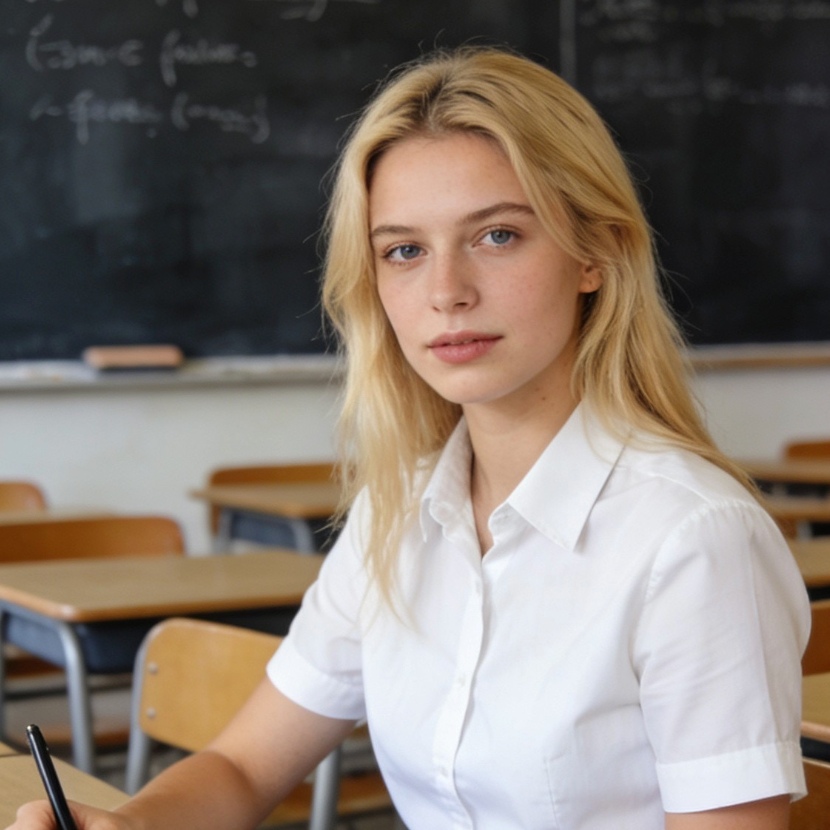
The intersection of artificial intelligence and digital art has sparked a paradigm shift in how visual beauty is conceptualized and rendered. When users explore themes associated with "AI sexy photos," the underlying drive is often a quest for high-fidelity, aesthetically pleasing human portraiture that pushes the boundaries of digital realism. This domain, situated between traditional glamour photography and cutting-edge generative technology, involves intricate technical maneuvers and a deep understanding of light, texture, and human anatomy.
However, it is essential to establish a clear distinction between aesthetic glamour art and sexually explicit content. Major AI platforms operate under stringent safety protocols that prohibit the generation of harmful or explicit imagery. Understanding these boundaries is the first step for any digital artist or technophile looking to master the art of virtual character creation.
Understanding the Safety Boundaries and Ethical Constraints of AI Image Generation
Before diving into the mechanics of creation, the reality of the current AI ecosystem must be addressed. Leading large language models and image generators are programmed with robust safety filters. These filters are designed to prevent the creation of non-consensual imagery, sexually explicit depictions, or content that objectifies real individuals.
When an AI system refuses a prompt, it is often due to the detection of keywords or semantic structures that trigger these safety guardrails. For creators, this means the focus must shift from "provocation" to "aesthetics." The goal of high-end AI art is to emulate the quality of high-fashion editorials or cinematic character studies. By focusing on artistic elements—such as the play of light on skin, the flow of fabric, and the emotional depth of a gaze—creators can produce compelling results that remain within the ethical and functional boundaries of the technology.
The ethical landscape also demands caution regarding deepfakes. Creating AI-generated imagery that mimics the likeness of real people without consent is not only a violation of platform terms but also carries significant legal risks concerning personality rights and defamation. Professional creators focus on "latent space" characters—entirely unique individuals generated by the model's internal logic rather than real-world data points.
The Technical Foundations of Photorealistic AI Portraiture
To achieve a level of realism that rivals traditional photography, one must understand the underlying architecture of modern diffusion models. Whether using Flux.1, Stable Diffusion XL (SDXL), or Midjourney, the process of generating an "aesthetic" person involves orchestrating millions of parameters.
Model Selection and Latent Consistency
The choice of model significantly impacts the "aesthetic" output. For instance, the Flux.1 [dev] model has gained acclaim for its exceptional handling of skin textures and anatomical accuracy. Unlike earlier models that often produced "plastic-looking" skin, newer iterations integrate advanced noise-reduction techniques that preserve skin pores, fine hairs, and natural blemishes.
In our internal tests, achieving a lifelike result requires balancing the guidance scale. A high guidance scale (e.g., above 7.0) can often lead to over-saturation and a loss of natural shadows, making the subject look artificial. Lowering the scale to 3.5 or 4.0 in models like Flux can result in a more organic, "shot-on-film" quality that enhances the sophisticated beauty of the subject.
The Role of Prompt Engineering in Glamour Art
Prompting is the language of the AI artist. To move beyond generic outputs, a creator must utilize specific modifiers that describe the physical and environmental nuances of the scene.
- Skin Texture and Materiality: Instead of using vague terms like "pretty" or "beautiful," professional prompts specify the texture. Terms such as "micro-pore detail," "subsurface scattering," and "hyper-realistic skin grain" tell the AI to prioritize the physical interaction of light with the human body.
- Wardrobe and Fabric Physics: The "sexiness" of a photo often lies in the elegance of the attire. Describing fabrics like "semi-transparent silk," "distressed denim," or "high-gloss latex" allows the model to calculate how these materials drape over the form and reflect the environment.
- Anatomy and Posture: Using terms from the world of modeling, such as "contrapposto," "dynamic pose," or "candid shot," helps the AI avoid the stiff, "T-pose" look common in lower-quality generations.
Mastering Light and Cinematography in AI Photography
Light is the most critical element in defining the mood and aesthetic appeal of an image. In AI art, we describe light not just by its source, but by its quality and behavior.
Volumetric Lighting and Tyndall Effects
To create a sense of atmosphere and depth, incorporating "volumetric lighting" is essential. This simulates the way light beams are visible through dust or moisture in the air. For a beach-side "glamour" shot, specifying "golden hour light with soft Tyndall effects" can transform a flat image into a masterpiece of warmth and shadow.
The Chiaroscuro Technique
In classical art and noir photography, Chiaroscuro refers to the strong contrast between light and dark. Applying this to AI prompts—for example, "dramatic Rembrandt lighting with deep shadows"—allows the creator to highlight specific contours of the face and body, creating a sense of mystery and allure without needing to resort to explicit detail.
Camera Specs and Lens Simulation
Sophisticated AI models understand the "language of the lens." By specifying camera hardware, you can dictate the depth of field and color science:
- 85mm f/1.8: This is the "gold standard" for portraiture. It creates a shallow depth of field (bokeh) that blurs the background, making the subject pop with clarity.
- 35mm f/1.4: Better for environmental portraits where you want to show a "sexy" or "chic" subject within a context, such as a neon-lit city street.
- Shutter Speed: Using "1/1000s shutter speed" can freeze motion, capturing a "candid" moment of a woman running on a beach, preserving the spray of water and the tension in the muscles.
What is the Difference Between AI Realism and the Uncanny Valley?
A major challenge in creating AI-generated human photos is avoiding the "Uncanny Valley"—the point where a digital human looks almost real but has subtle, unsettling flaws. This is often seen in the eyes and the hands.
To bridge this gap, experienced creators use "Negative Prompts" (in Stable Diffusion) or "Stylize" parameters (in Midjourney). Negative prompts like "deformed iris," "extra fingers," or "mutation" help steer the AI away from common anatomical errors. Furthermore, the use of "LoRAs" (Low-Rank Adaptation) allows artists to train the AI on specific aesthetic styles or "looks," ensuring consistency across a series of images.
The Influence of Cultural Aesthetics on AI Models
AI models are trained on massive datasets of existing human photography. Consequently, they reflect cultural biases and prevailing beauty standards. When a user prompts for a "sexy woman," the AI typically defaults to the most common representations found in its training data—often lean, symmetrical, and conforming to Western or East Asian "glamour" ideals.
However, the power of AI lies in its ability to diversify beauty. By explicitly prompting for "diverse body types," "older age groups," or "atypical beauty," creators can break the mold of the "generic AI model." This is where the true value of the technology shines: the ability to create bespoke aesthetics that are not limited by the availability of human models or physical locations.
Practical Guide to Building a High-Aesthetic Prompt
To illustrate the complexity, let’s deconstruct a prompt designed for a high-quality, aesthetic glamour shot:
Prompt: "A photorealistic cinematic portrait of a 28-year-old woman with athletic build, wearing a bespoke emerald silk gown with a deep back view, standing on a misty balcony overlooking a futuristic Tokyo at night. Lighting: volumetric neon purple and teal glow, soft rim lighting on the hair. Camera: Sony A7R IV, 85mm lens, f/1.8, ISO 100. Details: hyper-realistic skin texture, visible pores, soft bokeh, intricate lace embroidery, 8k resolution, masterpiece."
Why this works:
- Specificity of Age and Build: Gives the AI a concrete starting point.
- Environmental Context: The "misty balcony" and "futuristic Tokyo" provide a narrative and color palette.
- Material Interaction: "Emerald silk" and "lace embroidery" force the AI to render complex reflections.
- Technical Parameters: The camera specs ensure the "look" of a professional photograph rather than a digital painting.
How to Handle Common Issues in AI Character Creation
Even with perfect prompts, AI can struggle. Here are some "pro-tips" from the field:
- The Hand Problem: If the hands are deformed, try cropping the image to a "medium shot" or "close-up portrait" where the hands are not the focal point.
- Eye Irregularities: Use "Inpainting" tools to specifically regenerate the eyes at a higher resolution.
- Skin Smoothing: If the skin looks too "filtered," add "raw photo" and "film grain" to the prompt to reintroduce natural noise.
The Future of AI in Fashion and Lifestyle Media
We are entering an era where AI "models" are becoming influencers in their own right. These digital entities are used by brands to showcase clothing in impossible environments. The "sexy" aspect of this is often a marketing tool—harnessing the human brain's natural attraction to beauty to drive engagement.
As the technology evolves, we will see even more integration of "AI photos" into our daily feeds. The key for the audience is to develop "AI literacy"—the ability to recognize that what looks like a perfect human in a perfect sunset is actually a highly sophisticated arrangement of pixels, generated by a machine that has learned the "math of beauty."
FAQ: Navigating the World of AI Beauty and Ethics
Is it legal to generate AI photos of celebrities in "sexy" outfits?
Generally, no. Most platforms have strict policies against using celebrity names in prompts to create suggestive content. Furthermore, many jurisdictions are enacting laws against "deepfake" creations that use a person's likeness without their explicit permission, especially in a suggestive context.
Which AI generator is best for photorealistic humans?
Currently, Flux.1 and Midjourney v6.1 are considered the industry leaders for human realism. Flux is praised for its anatomical accuracy and skin textures, while Midjourney is favored for its "artistic eye" and superior lighting default settings.
How can I make my AI photos look less like AI?
The secret is in the "imperfections." Professional AI artists add terms like "candid," "messy hair," "slight sweat," or "freckles" to their prompts. Reducing the "perfection" makes the image far more believable to the human eye.
Can AI generate "explicit" content if I use a private server?
While open-source models like Stable Diffusion can be modified to remove safety filters, doing so often violates the terms of service of the hosting providers and can lead to legal issues depending on your local laws. Most creators find that staying within the "aesthetic glamour" niche is more rewarding and sustainable.
Conclusion: The New Frontier of Digital Aesthetics
The quest for "ai sexy photo" content is ultimately a journey into the heart of digital aesthetics. AI has given us the tools to act as directors, photographers, and stylists of a virtual world. By moving away from the simplistic and often problematic pursuit of explicit imagery, and instead focusing on the sophisticated application of light, texture, and composition, we can unlock a new form of artistic expression.
Generative AI does not just "copy" beauty; it synthesizes it. It allows us to explore the "what if" of human form and fashion in ways that were previously impossible. As long as we navigate this space with a commitment to ethics, consent, and artistic integrity, the future of AI-generated glamour photography is incredibly bright—and undeniably beautiful.
-
Topic: AI Generated Sexy Photos and Artwork | Deep Dream Generatorhttps://deepdreamgenerator.com/tags/sexy
-
Topic: 2,416 Sexy Ai Woman Stock Photos - Free & Royalty-Free Stock Photos from Dreamstimehttps://www.dreamstime.com/photos-images/sexy-ai-woman.html
-
Topic: AI Generated Sexy Photos and Artwork | Deep Dream Generatorhttps://deepdreamgenerator.com/tags/sexy?m=3