Home
Home
How to Generate Photorealistic AI Images That Look Like Professional Photography
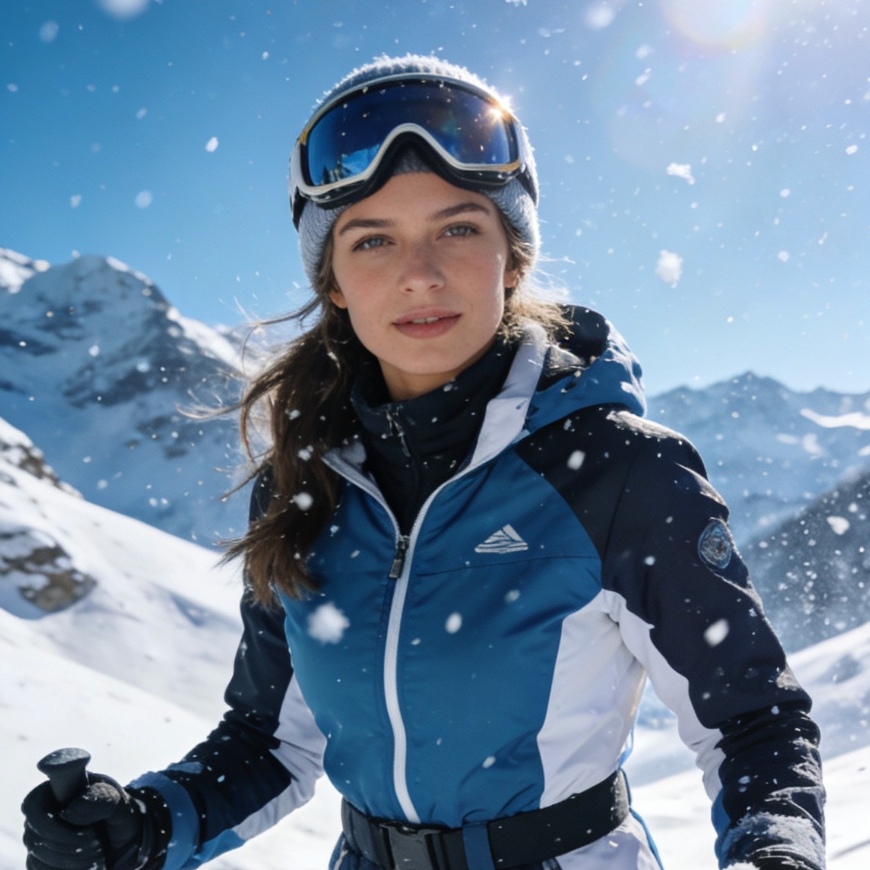
The transition from AI-generated artifacts to professional-grade commercial imagery represents the most significant shift in digital marketing since the advent of social media. For a brand, the difference between a "plastic-looking" AI generation and a photorealistic masterpiece is the difference between consumer distrust and a high-conversion campaign. Achieving this level of realism requires more than just a creative imagination; it demands a deep understanding of optical physics, lighting properties, and the technical nuances of specific AI diffusion models.
The Optical Blueprint for Photorealistic Prompts
The most common mistake in AI image generation for business is using vague adjectives like "ultra-realistic" or "high definition." Modern AI models respond far better to the language of photography than to generic praise. To generate images that deceive even a trained eye, a prompt must follow a structured technical hierarchy.
The Physics of the Lens
In professional photography, the lens dictates the emotional resonance and focus of the image. When prompting models like Midjourney v6.1 or Flux.1, specifying focal length is essential for establishing realism.
- 35mm to 50mm (Natural Perspective): These lenses mimic the human eye. They are ideal for lifestyle marketing, team photos, and environmental portraits where the subject needs to feel grounded in a real-world office or retail setting.
- 85mm to 105mm (Compression and Bokeh): These are portrait lenses. By specifying a "shallow depth of field" or "f/2.8 aperture," the AI is forced to simulate the blur (bokeh) of the background, which instantly adds a premium, professional feel to product shots or individual headshots.
- Macro Lenses: For industries like skincare or jewelry, prompts focusing on "macro photography" ensure the AI prioritizes microscopic textures, such as the moisture on a face cream or the fine facets of a gemstone.
Light Interaction and Volumetric Effects
Lighting is the primary differentiator between a flat AI render and a photorealistic photo. In a business context, the mood of the light must align with the brand identity.
- Golden Hour: Provides a warm, low-angle light that is perfect for real estate and travel marketing.
- Softbox Studio Lighting: Essential for e-commerce product photography to ensure even distribution and minimize harsh, unnatural shadows that often plague lower-tier AI models.
- Volumetric Lighting: This simulates light rays interacting with particles in the air (like dust or fog). It adds a cinematic quality to indoor office environments or industrial scenes, making them feel three-dimensional rather than flat.
Comparative Analysis of High-Performance AI Models for Business
Not all AI models are created equal when it comes to photorealism. Each has a specific "latent space" bias that makes it suitable for different marketing tasks.
Midjourney v6.1: The Aesthetic Leader
Midjourney remains the benchmark for artistic composition and lighting. In our testing, it excels at lifestyle imagery where the "vibe" is as important as the subject. It has an inherent understanding of cinematic color grading. However, for business users, the lack of a native web interface (until recently) and the reliance on a Discord-based workflow can be a hurdle for enterprise teams.
Flux.1: The New King of Texture and Text
Flux.1 has recently disrupted the market by offering superior rendering of human anatomy and, crucially, typography. For marketing assets that require integrated text—such as signs in the background of a store or labels on a bottle—Flux.1 significantly outperforms its competitors. Its ability to render skin pores, fine hairs, and realistic hands makes it the preferred choice for high-resolution close-up portraits.
Adobe Firefly: The Corporate Standard
While Firefly may sometimes lag slightly behind Midjourney in terms of raw "artistry," it is the only model built from the ground up for brand safety. Because it is trained on Adobe Stock and public domain content, it mitigates the risk of copyright infringement. For large corporations, the ability to integrate Firefly directly into Photoshop for "Generative Fill" tasks makes it a powerful tool for extending existing photographic assets rather than creating new ones from scratch.
Breaking the "Uncanny Valley" Through Controlled Imperfection
The "Uncanny Valley" is the phenomenon where a digital creation looks almost human but lacks a certain "soul," causing unease in the viewer. In AI marketing, this usually manifests as skin that is too smooth, eyes that are too symmetrical, or environments that are too clean.
The Power of Grain and Texture
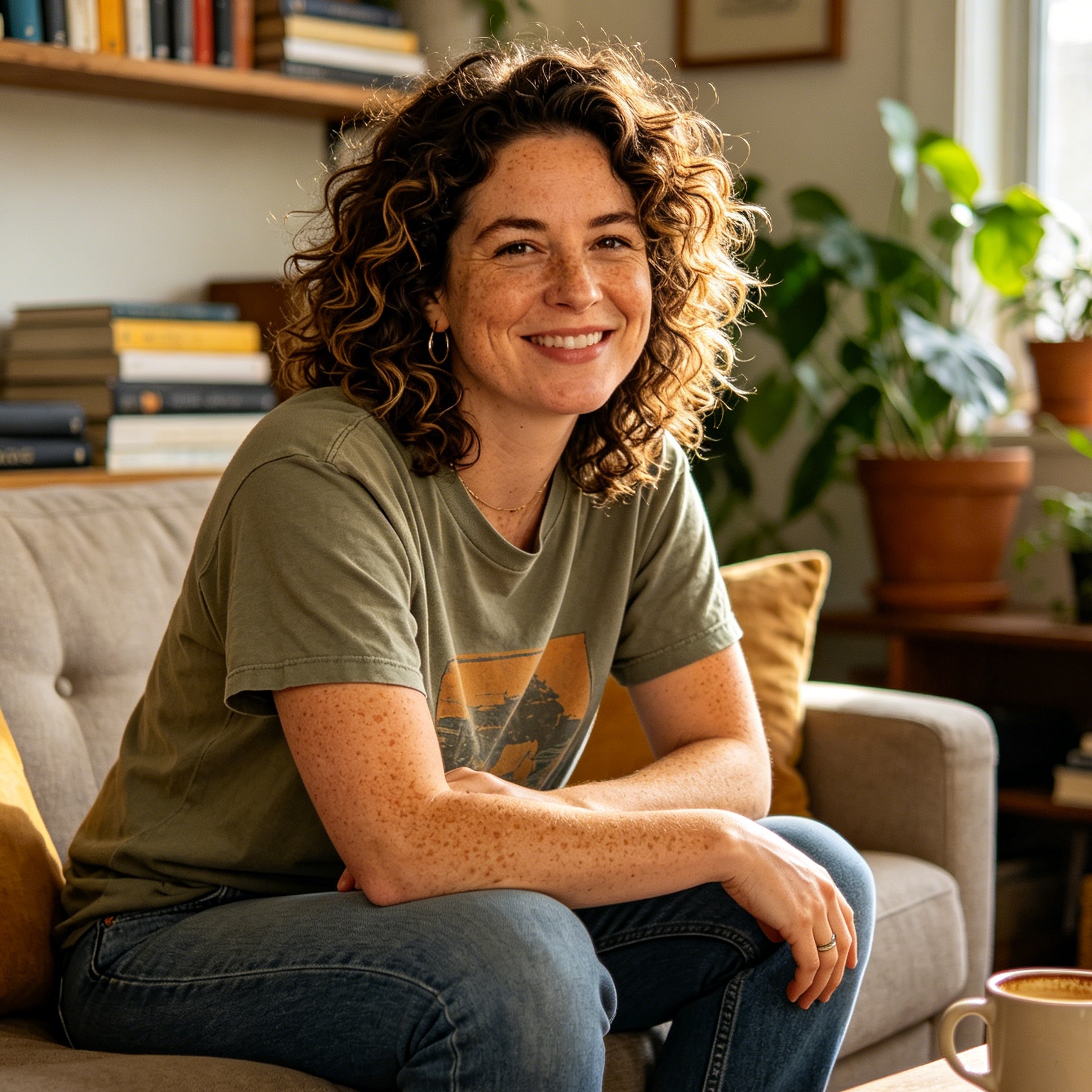
Real photography has noise. Digital sensors and film stocks produce a subtle grain that ties the image together. Adding "subtle film grain" or "ISO 400 noise" to a prompt can break the digital smoothness of an AI generation. Furthermore, specifying textures such as "micro-perspiration," "fabric pilling," or "dust motes" forces the model to move away from sterilized outputs toward authentic reality.
Asymmetry and Candid Motion
Professional marketing photography often captures a "moment" rather than a pose. Using keywords like "candid," "mid-sentence," or "slight motion blur" tells the AI to stop trying to create a perfect, static statue and start creating a dynamic human experience. This is particularly effective for SaaS companies wanting to show "real" teams collaborating in a fast-paced environment.
Advanced Workflows: From Generation to Production
A single prompt is rarely enough for a high-stakes marketing campaign. Professional workflows involve a multi-stage process to ensure the final asset is "production-ready."
The Inpainting and Outpainting Cycle
Often, an AI generates a perfect scene but ruins a specific detail—perhaps a distorted hand or a misaligned logo. Inpainting allows a designer to mask that specific area and regenerate only the problematic part. Outpainting, or generative expansion, is used to take a vertical portrait and turn it into a horizontal website hero banner by "imagining" what lies beyond the original frame.
High-Fidelity Upscaling
Standard AI outputs are usually limited in resolution (often around 1024x1024 or 2048x2048 pixels). For print media or high-density displays, this is insufficient. Tools like Magnific AI or specialized Stable Diffusion upscalers are used to inject new details during the enlargement process. Instead of just stretching pixels, these tools add "hallucinated" details like finer fabric weaves or sharper leaf edges, maintaining the illusion of a high-end DSLR shot.
Maintaining Brand Consistency Across Campaigns
The greatest challenge for AI in marketing is the "Character Consistency" problem. If a brand uses a specific model for a campaign, that model must look the same across various ads, poses, and settings.
- LoRA (Low-Rank Adaptation): This involves training a small, specialized layer on top of a base model using 15-20 photos of a specific person or product. This ensures that every time the AI generates an image, the "subject" remains identical.
- Reference Images: Using "Character References" (--cref in Midjourney) allows users to point the AI toward a specific face or style, ensuring the visual identity doesn't drift during a multi-week content creation cycle.
- Color Grading Palettes: Consistent use of HEX codes or specific artistic styles (e.g., "minimalist Scandinavian aesthetic") in every prompt ensures that the entire image library feels like it was shot by the same photographer.
Ethical Governance and Legal Considerations
As AI images become indistinguishable from reality, the legal landscape is evolving rapidly.
Copyright and Ownership
In many jurisdictions, including the United States, images generated solely by AI without significant human intervention cannot be copyrighted. For businesses, this means that while you can use these images for ads, you may not be able to prevent a competitor from using the exact same image. The solution is "Hybrid Creation": using AI to generate the base asset, then significantly modifying it in traditional design software to establish human authorship.
The Transparency Requirement
Regulatory bodies are increasingly suggesting or requiring that AI-generated content be labeled. For high-trust industries like finance or healthcare, transparency is a brand asset. Using invisible watermarking (like C2PA standards supported by Adobe) can help verify the origin of the image while maintaining the aesthetic integrity of the marketing materials.
Strategic Industry Applications
Real Estate and Interior Design
AI can transform a gray, empty apartment into a sun-drenched, modern home. By specifying "wide-angle lens," "HDR photography," and "architectural digest style," real estate marketers can generate lifestyle imagery that helps potential buyers visualize the potential of a space without the $5,000 cost of a professional staging and photography crew.
E-commerce and CPG
For Consumer Packaged Goods (CPG), the ability to generate "mood shots" is revolutionary. A bottle of sparkling water can be placed on a marble countertop in a Mediterranean villa one minute, and on a rustic wooden table in a mountain cabin the next. The key is ensuring the bottle's label remains crisp and accurate, which often requires a combination of AI generation and traditional Photoshop compositing.
SaaS and B2B Services
Software companies often struggle with dry, repetitive stock photos of people pointing at laptops. AI allows for the creation of unique, brand-aligned conceptual imagery. Instead of a generic "diverse team," a SaaS brand can generate a "diverse team in a futuristic, neon-lit research lab, shot on 35mm lens, focusing on collaborative energy."
Conclusion
Generating photorealistic AI images for business marketing is a bridge between the precision of technology and the nuance of art. By moving beyond simple prompts and embracing the technical language of photography—focal lengths, lighting types, and textural imperfections—brands can produce high-value visual assets at a fraction of the traditional cost. However, the true value lies in the workflow: selecting the right model for the task, refining the details through inpainting, and ensuring brand consistency through advanced training techniques. As these tools continue to evolve, the brands that master the "optical prompt" will be the ones that define the visual standard of the next decade.
FAQ
Which AI tool is best for realistic human skin?
Flux.1 and Midjourney v6.1 are currently the leaders. Flux.1, in particular, excels at rendering pores, fine lines, and realistic textures that avoid the "wax figure" look common in older models.
Can I use AI-generated images for commercial ads?
Yes, but with caveats. You must check the Terms of Service of the specific tool (e.g., Midjourney requires a paid plan for commercial rights). Additionally, be aware that you may not own the copyright to the image, meaning others could potentially use it.
How do I stop AI from making hands look weird?
Use models with better anatomy training like Flux.1. If an image is perfect except for the hands, use the "Inpainting" feature in an AI editor to specifically regenerate the hand area until it looks natural.
Do I need to tell my customers that an image is AI-generated?
Ethical standards and emerging laws suggest that disclosure is best practice, especially if the image could be mistaken for a real person in a sensitive context (like a testimonial). Many brands use a small "AI-assisted" watermark or mention it in the image metadata.
How can I make sure the AI uses my specific brand colors?
Include specific HEX codes or very descriptive color terms (e.g., "Deep Navy Blue and Burned Orange palette") in the prompt. You can also use a "Style Reference" image to guide the AI toward your brand's specific color grading and mood.
-
Topic: From Prompt to Production: Automating Brand-Safe Marketing Imagery with Text-to-Image Modelshttps://arxiv.org/pdf/2602.13349
-
Topic: The 8 Most Realistic AI Image Generators of The Yearhttps://www.capcut.com/resource/realistic-ai-image-generator
-
Topic: 9 Best AI Image Generators for Your Business in 2024 - DepositPhotos Bloghttps://blog.depositphotos.com/9-best-ai-image-generators-2024.html