Home
Home
How Chat V2.0 Style Generators Are Transforming Digital Interaction Aesthetics

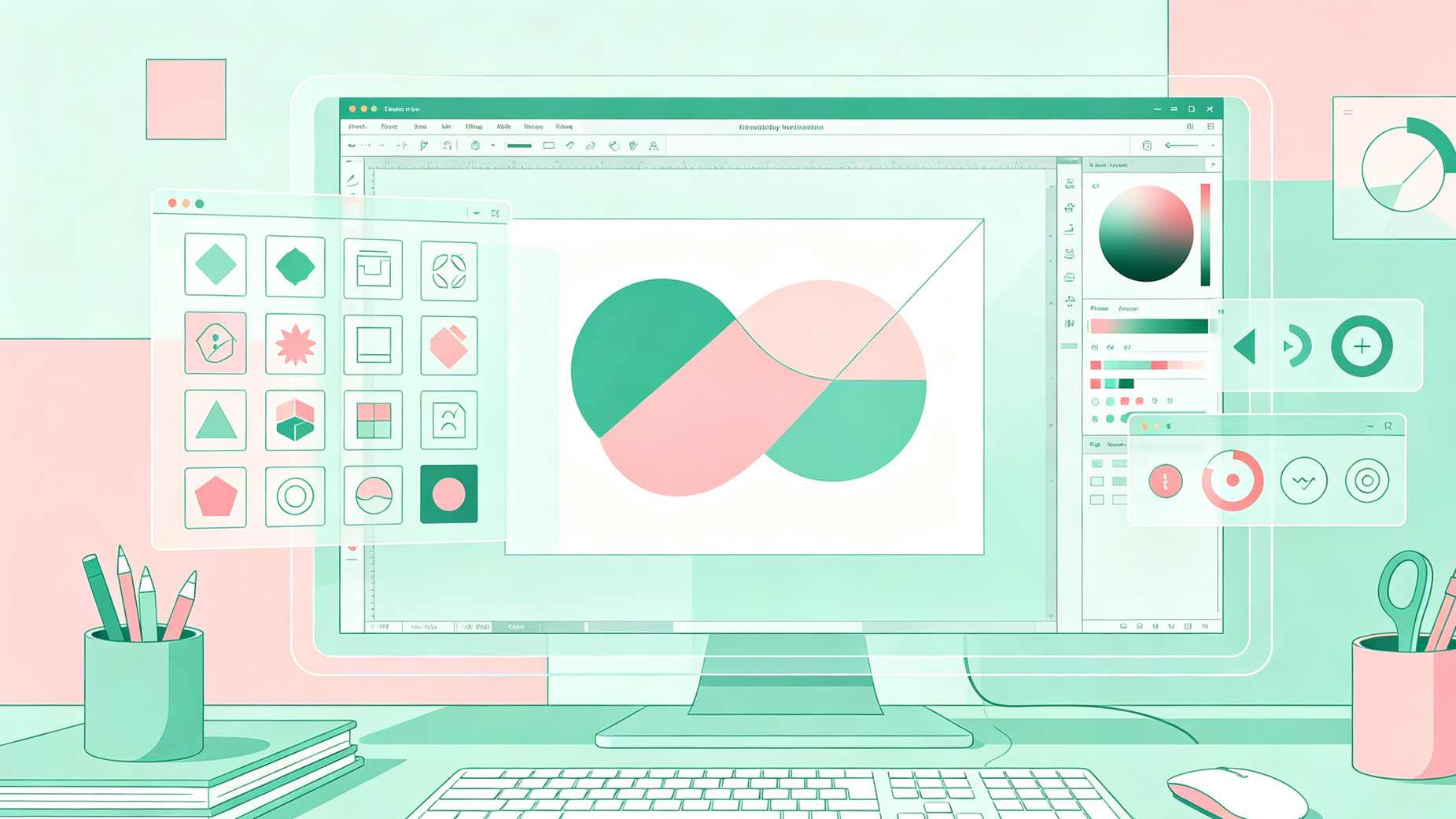
Modern digital interaction has moved far beyond the era of simple scrolling text. The emergence of Chat v2.0 style generators represents a fundamental shift in how we perceive and build conversational interfaces. Whether it is for a high-stakes AI assistant or a viral live-streaming broadcast, the "v2.0" designation implies a transition from static, linear message bubbles to dynamic, modular, and context-aware environments. Designing these interfaces requires a deep understanding of typography, real-time data streaming, and the psychological impact of motion design.
The Evolution of Conversational Interfaces from v1.0 to v2.0
To understand why a style generator is necessary, one must first recognize the limitations of legacy systems. Chat v1.0 was defined by its simplicity: a vertical stream of text, basic markdown support, and stateless interactions. In that environment, the user and the system exchanged information in a predictable, "ping-pong" fashion.
Chat v2.0 breaks this mold by introducing "Reactive Cards" and "Agentic UI." Instead of just reading text, users interact with widgets, data tables, and media players embedded directly within the chat flow. The interface is no longer a passive transcript; it is an active workspace. A Chat v2.0 style generator must therefore handle complex state management and multi-modal rendering. While v1.0 focused on "What was said," v2.0 focuses on "How it is being processed and visualized."
Comparing Legacy and Next-Gen Interface Philosophies
The difference lies in the underlying architecture. Legacy systems treated chat as a log. Modern systems treat it as a dynamic UI layout.
- Linear vs. Modular: v1.0 uses a fixed width for all messages. v2.0 utilizes adaptive modules where a message might expand into a full-width dashboard if the AI is presenting financial data or a code repository.
- Stateless vs. Context-Aware: v2.0 interfaces leverage persistent memory, visually indicating to the user that the system "remembers" previous interactions through subtle UI cues or persistent sidebars.
- Pure Text vs. Interactive Components: The generator must output more than just CSS for text; it must define the look and feel of buttons, sliders, and calendars that trigger system actions.
Core Pillars of Chat v2.0 Aesthetic Design
When using a style generator to create a custom chat appearance, several visual pillars determine the professional quality of the output. These parameters are critical for both developers building SaaS platforms and streamers optimizing their OBS (Open Broadcaster Software) setups.
Typography and Hierarchy in High-Density Environments
Readability is the primary goal. In a Chat v2.0 environment, different roles (User, Assistant, System, Moderator) require distinct typographic treatments.
- Font Selection: Using highly legible sans-serif fonts like Imprima or Changa One ensures that text remains crisp even on low-resolution displays or mobile devices. For international audiences, fonts like Nanum Gothic provide excellent rendering for CJK (Chinese, Japanese, Korean) characters.
- Visual Weight and Color Coding: A sophisticated generator allows for independent color control over channel names, message bodies, and timestamps. For example, assigning a vibrant gold (#FFD600) to "Owner" messages and a cool blue (#5E84F1) to "Moderators" creates an instant visual hierarchy that helps users navigate fast-moving conversations.
- Outlines and Contrast: To ensure visibility against diverse backgrounds (especially in live streaming where the background video changes constantly), a 2px black outline is often the industry standard. This prevents "text washout" and maintains accessibility standards.
Avatar and Channel Identity Customization
Avatars are the visual anchor of a message. In v2.0 design, avatar size typically ranges from 24px to 48px. The generator should allow for toggleable outlines and specific border radii (circular vs. rounded square) to match the overall branding.
Channel names require specific attention to "Line Height." A line height set to 0 often defaults to the font's internal metrics, but manual adjustment is necessary when using custom badges. Badges—such as those for sponsors or verified users—should be aligned perfectly with the baseline of the text to prevent visual clutter.
Motion and Animation Logic
Static messages feel robotic. Chat v2.0 style generators prioritize "Animate In" and "Animate Out" sequences.
- Fade-In Effects: A 200ms fade-in time is generally considered the "sweet spot" for human perception—fast enough to feel responsive but slow enough to avoid jarring the user's eyes.
- Slide Dynamics: Integrating a subtle upward slide as new messages appear mimics natural physical movement, making the digital conversation feel more organic.
- Wait Time and Fade-Out: For cleaner interfaces, "automatic cleanup" is essential. Setting a wait time of 30 seconds before a message fades out helps keep the screen focused on the most relevant, recent information.
Designing the Agentic UI: Visualizing the AI Thought Process
One of the most significant innovations in Chat v2.0 is the visualization of "thought." In previous iterations, users would stare at a "typing..." indicator for several seconds. In v2.0, the style generator provides templates for "Thought Bubbles."
The Psychology of Thought Bubbles
When an AI model is processing a complex query—such as analyzing a legal document or generating a 3D model—showing its internal reasoning process builds trust. These thought bubbles should be styled differently from the final answer:
- Background: Often a light gray or semi-transparent wash.
- Border: A dashed or dotted line to indicate that the content is "in-progress" or "internal."
- Collapsibility: Users should be able to expand or collapse the reasoning steps to maintain a clean workspace.
Tool-Use Indicators and Progress Bars
If the chat system is "Agentic," it means it can perform actions like searching a database or executing Python code. The v2.0 style generator must include specific CSS/HTML components for these actions. A "Searching database..." indicator with a subtle pulsing animation provides immediate feedback that the system hasn't crashed, even if the latency is high.
Technical Architecture for Implementing a Style Generator
For developers, a Chat v2.0 style generator is more than a CSS file; it is a component library. Implementing this requires a modern technical stack that can handle asynchronous data and real-time updates.
The Message Factory Pattern
A robust generator should output a "Message Factory." This is a logic layer that decides which component to render based on the metadata of the message.