Home
Home
How Generative AI Is Redefining the Way We Make Videos Today
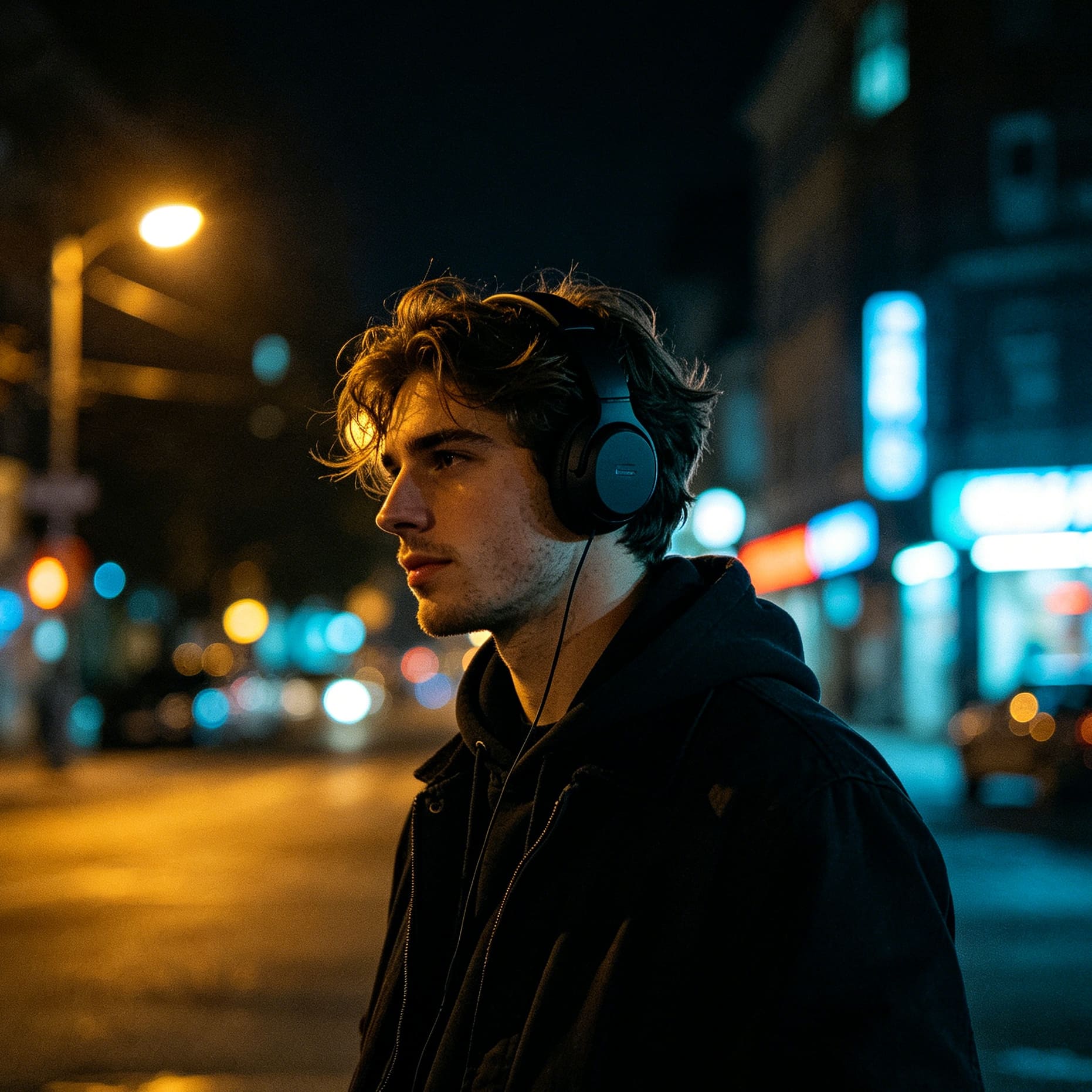
AI video generation has shifted from a conceptual novelty to a core component of modern digital storytelling. Unlike traditional filmmaking, which relies on physical cameras and manual linear editing, AI-driven video production uses machine learning models to synthesize visual and auditory content from data inputs like text, images, or existing video clips. This technology streamlines the creative process, allowing creators to bypass expensive production costs and long turnaround times.
The current landscape of AI video tools is categorized into three primary segments: generative models that create footage from scratch, digital avatar systems that simulate human presenters, and intelligent editing suites that automate post-production. Understanding which technology to use depends entirely on the specific goals of the project, whether it is a cinematic marketing campaign, a corporate training module, or a high-frequency social media strategy.
Understanding the Three Main Categories of AI Video Technology
To effectively use AI to make videos, one must first distinguish between the different technical approaches available. Each category serves a distinct purpose and requires a different set of inputs.
Generative Text-to-Video and Image-to-Video Models
Generative models represent the most advanced and visually creative branch of AI video. These tools, such as Runway (Gen-3), Luma Dream Machine, and Kling AI, use diffusion-based technology to "hallucinate" pixel data into coherent motion.
Text-to-video allows a creator to input a descriptive prompt, which the AI interprets to generate a short clip. Image-to-video, however, is often preferred by professionals for its precision. By starting with a high-quality static image (often generated via Midjourney or DALL-E 3), the AI uses that image as a structural anchor, ensuring that characters, lighting, and environments remain consistent as motion is added. This is particularly useful for storytelling where visual continuity is paramount.
AI Avatar and Digital Presenter Platforms
For educational and corporate content, AI avatar systems like HeyGen and Synthesia have become the standard. Instead of generating abstract cinematic shots, these platforms focus on creating hyper-realistic digital humans that deliver a script with synchronized lip movements and natural expressions.
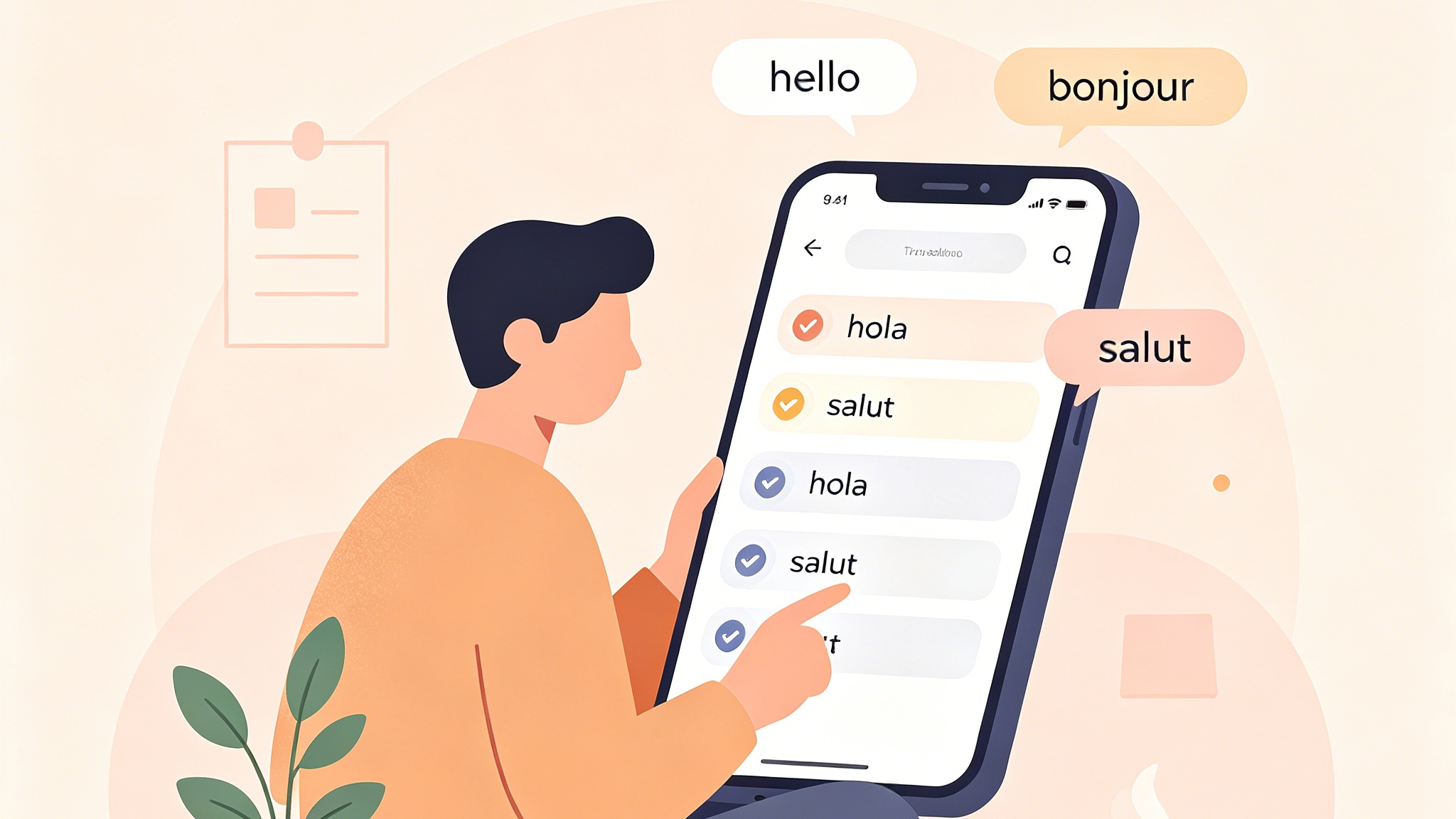
The primary value here is the elimination of the "camera-shy" hurdle and the need for expensive studio setups. These tools can translate a single script into dozens of languages while maintaining the same speaker's appearance and voice characteristics. In testing environments, these systems have proven highly effective for personalized sales videos and internal training, where the "human" touch is necessary but a full film crew is impractical.
Intelligent Video Editors and Production Suites
The third category involves tools like CapCut, InVideo AI, and Descript, which function as "co-pilots" rather than pure generators. These platforms excel at taking existing assets—whether they are AI-generated clips, stock footage, or raw recordings—and assembling them into a finished product.
They utilize AI for tasks such as automated subtitling, color grading, background removal, and even "text-based editing," where a creator can edit a video simply by deleting words in the transcript. This hybrid approach is currently the most accessible for small businesses and independent content creators who need professional results without learning complex software like Adobe Premiere Pro.
Core Technologies Powering Modern AI Video Creation
The rapid progress in this field is driven by significant breakthroughs in deep learning. Understanding these concepts helps creators better manipulate the tools for higher-quality output.
Diffusion Models and the Quest for Consistency
Most high-end generative tools today rely on diffusion models. These models begin with a field of random Gaussian noise and iteratively refine it until a clear image or video frame emerges that matches the user's prompt. The challenge with video is "temporal consistency"—ensuring that frame 1 and frame 60 look like they belong to the same sequence.
In earlier iterations of AI video, subjects would often "morph" or flicker uncontrollably. Modern models solve this by implementing temporal layers that analyze the relationship between frames. When using tools like Sora or Runway, the AI isn't just generating 24 static images per second; it is calculating the vector of motion for every object within the scene to ensure the movement follows the laws of physics or the logic of the prompt.
Multimodal Integration: Audio and Scripting
The most recent shift in AI video is the move toward multimodality. This means the AI can handle text, image, video, and audio simultaneously. Advanced models are now capable of generating synchronized sound effects (SFX) and ambient noise that match the visual action. For instance, if the AI generates a scene of a car speeding through a rainy street, it can natively generate the sound of a revving engine and tires splashing in water, significantly reducing the time spent in the audio post-production phase.
Step-by-Step Workflow for AI Video Production
Creating a high-quality AI video requires more than just typing a single prompt. A professional workflow involves multiple stages of refinement and the use of different tools at each step.
Stage 1: Conceptualization and Scriptwriting with LLMs
Before touching a video generator, the project starts with a script. Large Language Models (LLMs) like ChatGPT or Claude are used to brainstorm themes, write dialogue, and create detailed storyboards.
Professional tip: When using an AI to write a script for a video, ask it to format the output into a "two-column script" (Visuals on the left, Audio/Dialogue on the right). This forces the AI to consider the visual pacing and ensures the generated scenes will align with the narration.
Stage 2: Generating Visual Assets and Scenes
Once the script is ready, the next step is asset generation. For cinematic content, an "Image-to-Video" workflow is recommended for better control.
- Generate a Base Image: Use an image generator to create the exact look of your character or setting.
- Apply Motion: Upload that image to a tool like Luma or Runway.
- Define Motion Parameters: Use "Motion Brushes" to highlight specific areas you want to move (e.g., a flowing river or a character's hair) while keeping the rest of the scene still. This prevents the "drifting" effect where the entire background moves unnaturally.
Stage 3: Adding Human Elements via AI Avatars
If the video requires a presenter, this is the stage where digital avatars are integrated. Upload the script to an avatar platform, select a voice that matches the brand's tone, and generate the talking-head segments. These clips can later be used as "A-roll," while the generative cinematic clips from Stage 2 serve as "B-roll" to keep the viewer engaged.
Stage 4: Assembly and Post-Production Editing
The final stage is assembly. Tools like CapCut or InVideo AI are used to stitch the clips together. During this stage:
- Apply AI Transitions: Use AI-powered transitions that match the motion of the clips.
- Enhance Resolution: If the generated clips are low-resolution (often 720p in the free tier of many tools), use an AI video upscaler to bring them to 4K.
- Generate Subtitles: Automated captions are essential for social media, where many users watch videos without sound.
Practical Use Cases Across Different Industries
The application of AI in video making varies significantly depending on the industry and the target audience.
Marketing and Social Media Content
For social media managers, speed is the primary benefit. AI allows for the creation of "scroll-stopping" visuals that would otherwise require a CGI team. Advertisers use AI to create multiple versions of a single ad, testing different backgrounds, music, and speakers to see which performs better in A/B testing. This level of personalization was previously impossible due to budget constraints.
Corporate Training and Educational Materials
Companies use AI avatars to create consistent training videos for global teams. Instead of flying executives to a studio or hiring voice actors for localization, they can update training modules in minutes. If a company policy changes, they simply update the text script, and the AI regenerates the video with the same presenter, saving thousands of dollars in re-shooting costs.
Rapid Prototyping for Filmmakers
In the film industry, AI is being used for "pre-visualization" (previz). Directors can use AI video tools to create rough versions of complex scenes before committing a multi-million dollar budget to VFX or live-action filming. This helps in communicating the creative vision to stakeholders and identifying potential issues with camera angles or pacing early in the process.
Common Challenges and Professional Tips for Success
While the technology is impressive, it is not without its flaws. Professional creators must learn to work around the current limitations of AI.
Dealing with Temporal Jitter and Artifacts
AI-generated videos often suffer from "artifacts"—strange visual glitches where fingers might blend together or objects might vanish. To minimize this:
- Keep Clips Short: Most models perform best in 3 to 5-second intervals. It is better to generate ten short, high-quality clips and edit them together than to try and generate one long 60-second video.
- Use High Seed Consistency: If a tool allows for "seed" numbers, using the same seed across related prompts can help maintain a similar aesthetic style across different clips.
The Importance of Iterative Prompting
Rarely does the first prompt produce a perfect result. Successful AI video creation is an iterative process. If the motion is too fast, add keywords like "slow motion," "cinematic," or "stable camera." If the lighting is flat, specify "golden hour," "volumetric lighting," or "high contrast."
Hardware and Resource Management
Generating AI video is computationally expensive. While most tools are cloud-based and run on a subscription model, local experimentation with open-source models (like Stable Video Diffusion) requires high-end hardware. A minimum of 24GB of VRAM (such as an NVIDIA RTX 3090 or 4090) is typically recommended for local generation to avoid crashes and ensure reasonable rendering times.
Frequently Asked Questions About AI Video Production
What is the best AI tool to make videos from text?
For cinematic and artistic clips, Runway Gen-3 and Luma Dream Machine are currently the leaders in visual quality and motion realism. For marketing and social media automation, InVideo AI and Pictory are better suited as they provide a more structured editing environment.
Can I make AI videos for free?
Most professional-grade AI video makers offer a limited free trial or a credit-based system. Tools like CapCut provide extensive free AI editing features, while generative tools like Kling AI or Leonardo.ai often give daily free credits that allow for a few seconds of generation per day.
Is AI-generated video content copyrightable?
The legal landscape is still evolving. In many jurisdictions, including the United States, works created solely by AI without significant human creative input may not be eligible for copyright protection. However, videos that use AI as a tool within a broader creative process (including human-written scripts and manual editing) are generally treated differently.
How do I fix "AI-looking" glitches in my videos?
Using a "Video-to-Video" approach can help. By taking a rough AI-generated clip and running it through a secondary AI filter or an upscaler with low "denoising strength," you can smooth out artifacts and make the textures look more natural.
Summary
Generative AI has fundamentally changed the barrier to entry for video production. By leveraging text-to-video generators, AI avatars, and intelligent editing suites, creators can now produce professional-grade content with a fraction of the traditional resources. While challenges like temporal consistency and artifacts remain, the iterative workflow—combining LLM scripting, image-to-video generation, and manual post-production—allows for stunning results. As the technology continues to move toward multimodality and real-time generation, the line between AI-assisted content and traditional cinema will continue to blur, making these tools indispensable for any modern content creator.
-
Topic: Making AI-Enhanced Videos: Analyzing Generative AI Use Cases in YouTube Content Creationhttps://mathcs.clarku.edu/~shniu/publisher_2019/Making%20AI-Enhanced%20Videos%20Analyzing%20Generative%20AI%20Use%20Cases%20in%20YouTube%20Content%20Creation.pdf
-
Topic: Top 7 AI Video Generators In 2026: Best Free AI Video Makers Reviewedhttps://www.capcut.com/resource/top-7-ai-video-generators
-
Topic: 6 Best Free AI-Generated Video Makers to Transform Ideas into Videoshttps://www.capcut.com/resource/ai-generated-video-makers