Home
Home
How RTST.ai Transforms Your Smartphone Into a Professional AI Production Studio

RTST.ai is a comprehensive AI-powered creative platform that centralizes world-class image and video generation models into a single user-friendly interface. Available as both a browser-based studio and a mobile application for iOS and Android, it serves as a bridge between complex generative AI research and daily content creation. By aggregating high-end models such as Kling, Vidu, and Flux, RTST.ai eliminates the need for creators to manage multiple subscriptions or possess high-end local hardware, effectively democratizing professional-grade digital artistry.
The Evolution of Mobile Generative AI Through RTST.ai
In the rapidly shifting landscape of artificial intelligence, the barrier to entry has traditionally been computational power or technical prompt engineering. RTST.ai addresses these hurdles by providing a mobile-first ecosystem. Developed by Dharam AI, the app has seen over 370,000 downloads and maintains a high user rating, signaling a shift in how creators perceive mobile editing. Unlike standard photo filters, RTST.ai utilizes massive cloud-based neural networks to synthesize entirely new assets from text or reference images.
The platform is designed for a diverse demographic: social media influencers aiming for viral TikTok reels, business professionals requiring studio-quality LinkedIn headshots, and digital artists experimenting with conceptual visualizations. The core philosophy of the app is "multi-model access," allowing users to toggle between different AI engines depending on the specific aesthetic or motion requirements of their project.
Exploring the Multi-Model Powerhouse Architecture
The standout feature of RTST.ai is its role as an aggregator. Rather than relying on a single proprietary model that might excel in one area but fail in another, the platform provides access to industry-leading engines.
Top-Tier Video Models: Kling, Vidu, and Wan
Video generation is currently the "frontier" of generative AI, and RTST.ai integrates the most potent tools available:
- Kling (Versions 1.6 to 2.6): Known for its cinematic quality and realistic physics, Kling is the go-to choice for creators who need high-motion consistency. In practical testing, Kling 2.1 handles complex human movements—like dancing or running—with significantly fewer artifacts than earlier iterations.
- Vidu (Q1 & Q2): Vidu excels in artistic flair and rapid generation. It is particularly effective for surrealist sequences or stylized transitions that require a high degree of creativity.
- Wan (2.5 & 2.6): A rising star in the AI space, Wan models are praised for their prompt adherence, ensuring that the visual output matches the user’s text description with high precision.
- Veo 3.1: This model specializes in lighting and texture, making it ideal for product showcases or high-fashion video clips where the "feel" of the material is paramount.
High-Fidelity Image Engines: Nano Banana and Flux
For static imagery, RTST.ai leverages models that rival mid-journey performance levels:
- Nano Banana: A specialized model optimized for speed and social media aesthetics. It tends to produce vibrant, high-contrast images that perform well on Instagram feeds.
- Flux 2 Pro: For those seeking hyper-realism and intricate detail, Flux 2 Pro provides the depth needed for professional design work. It is particularly adept at rendering hands and text within images, two areas where older AI models often struggle.
Core Creative Features of the RTST.ai App
The application organizes its vast capabilities into distinct tools, each tailored to specific creative outcomes.
Text-to-Image Mastery
The text-to-image module is the foundation of the RTST.ai experience. Users enter a descriptive prompt, select a style (such as Anime, Fantasy, or Realistic), and the AI generates four variations. The app supports "Negative Prompts," which are crucial for refining results. For example, adding terms like "low resolution," "extra limbs," or "blurry" tells the AI what to avoid, resulting in a cleaner final product.
Animating Static Content with Image-to-Video
One of the most engaging features is the ability to breathe life into still photos. By uploading a portrait or a landscape, users can apply "Motion Transfer." The AI analyzes the composition and adds realistic movement—such as hair blowing in the wind or a character performing a specific dance. This feature is powered by the "See Dance 2.0" engine, which maps motion data onto static subjects with surprising anatomical accuracy.
AI Headshot Studio for Professionals
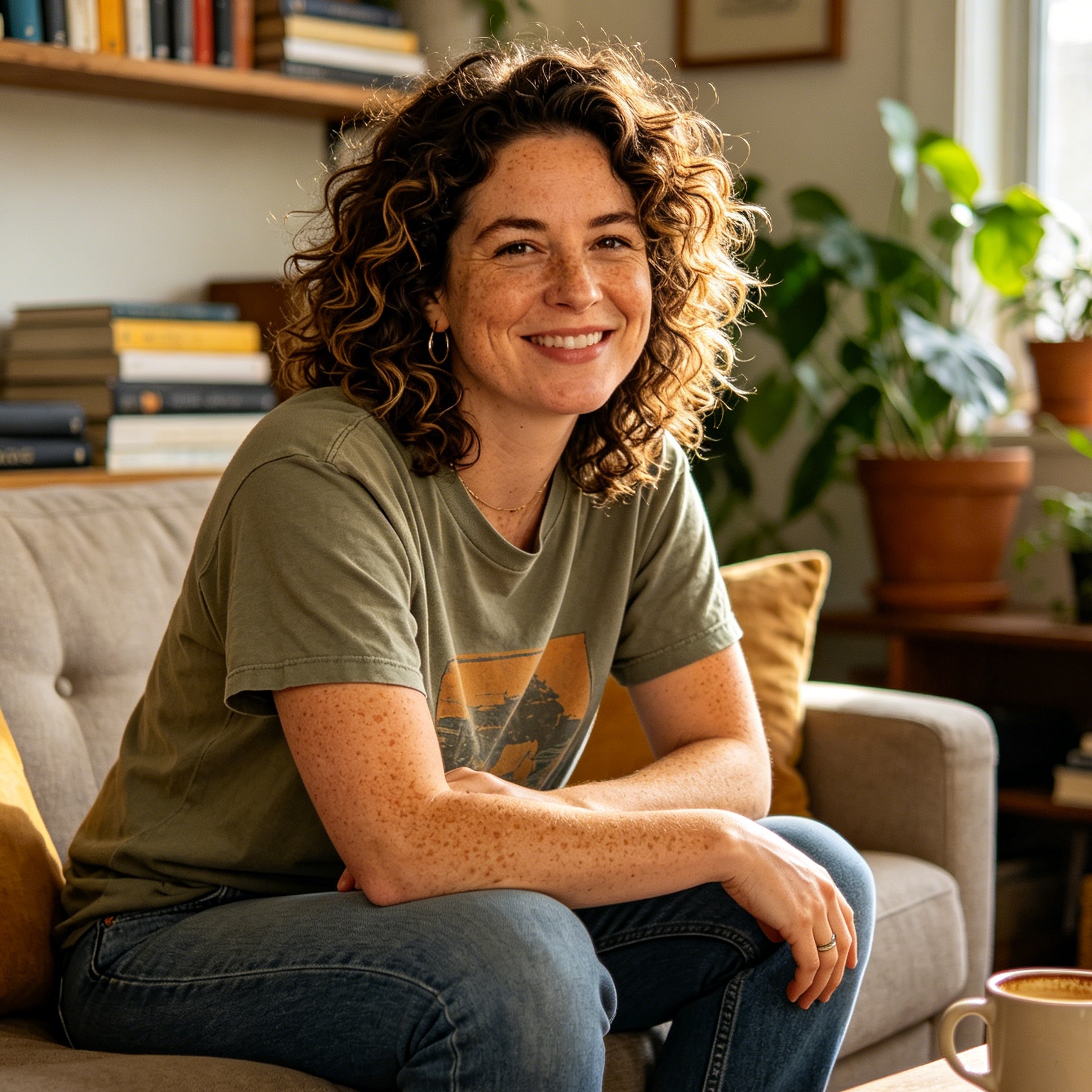
Professional photography can be expensive and time-consuming. RTST.ai’s Headshot Studio allows users to upload casual selfies and transform them into corporate-grade portraits. The AI adjusts the lighting, corrects the attire (swapping a t-shirt for a blazer), and places the subject in a professional setting like a modern office or a neutral studio background. The result is a high-resolution image suitable for resumes and corporate websites.
The AI Stylist and Fashion Transformation Suite
Social media creators often use the AI Stylist and AI Fashion tools to experiment with looks without purchasing new wardrobe items.
- Hair Stylist: Instantly change hairstyles or hair colors while maintaining the user's original facial features and background.
- AI Fashion: Swap outfits on a model or self-portrait. This is particularly useful for e-commerce entrepreneurs who want to visualize how different patterns or styles look on a person before moving to production.
- AI Influencer: This unique tool allows users to create a consistent digital character with a unique style and personality, which can then be used across multiple images and videos to build a brand identity.
A Practical Workflow Guide to Generating High-Impact Content
To get the most out of RTST.ai, a structured approach to the creative process is recommended. In our tests, the most successful assets followed a three-step workflow.
Step 1: Crafting the Strategic Prompt
Generative AI is only as good as the instructions it receives. A "good" prompt includes a subject, an action, a setting, and a lighting style. Instead of "a cat," a superior prompt would be "a majestic Maine Coon cat sitting on a Victorian velvet sofa, golden hour sunlight streaming through a window, 8k resolution, cinematic lighting."
Step 2: Choosing the Right Model and Style
Not every project requires the same engine. If you are creating a viral TikTok dance video, the Kling 2.6 model is the logical choice due to its motion stability. However, if you are creating a Studio Ghibli-style illustration, the Nano Banana model with the specific "Anime" style filter will yield a more authentic aesthetic.
Step 3: Upscaling and Background Management
Once a base image or video is generated, RTST.ai offers post-processing tools. The AI Upscaler can take a standard generation and sharpen it to 4K resolution, removing noise and adding fine details. If the subject is perfect but the background is distracting, the Background Remover provides a clean cutout in seconds, allowing for easy compositing into other designs.
User Experience and Technical Performance Analysis
Navigating RTST.ai on a mobile device is surprisingly fluid, considering the complexity of the underlying technology. The "Home" tab features over 1,000 community-inspired templates, which serve as an excellent starting point for beginners who may not be comfortable writing prompts from scratch.
Interface and Accessibility
The UI is divided into four main sections:
- Home: Trending templates and popular styles.
- Explore: A global community feed where users can see what others are creating and "remix" their prompts.
- Create: The central hub for all AI tools (Text to Video, Image to Image, etc.).
- Creations: A personal gallery where all generated assets are stored.
One of the major updates in version 2.7.3 was the introduction of a Guest Mode. This allows new users to explore the app’s features and community creations without immediately committing to an account, lowering the friction for curious creators.
Performance and Stability
Operating at the intersection of high-resolution video and AI requires significant resources. RTST.ai handles this by performing the "heavy lifting" on its own servers. This means users do not need a phone with a high-end GPU. However, a stable internet connection is required. During peak usage times, generation might take slightly longer, but the "Priority Generation" feature for premium subscribers effectively mitigates this wait time.
Understanding the RTST.ai Economy: Credits and Subscriptions
RTST.ai operates on a credit-based system, which is standard for the generative AI industry. Each generation (image or video) consumes a specific number of credits based on the complexity of the model used and the desired resolution.
- Free Access: New users typically receive a small amount of starting credits. The app also incentivizes daily usage through a "Daily Check-in" reward system, where users can earn free credits just by opening the app.
- Premium Subscriptions: For power users, the premium tier offers unlimited access to certain models, priority in the generation queue, and the removal of watermarks on exported content.
- Credit Packs: For those who don't want a recurring subscription, one-time credit packs are available for purchase, providing flexibility for project-based needs.
Why Creators Choose RTST.ai Over Competitors
The mobile AI market is crowded, with apps like Luma or Pika offering similar services. However, RTST.ai differentiates itself through its multi-model diversity. Most competitors lock users into one proprietary model. RTST.ai acts as a "browser for AI models," giving users the freedom to pick the best tool for the job.
Furthermore, the integration of specialized utilities like the Multi-Angle tool (which generates 9 cinematic angles from a single image) and the AI Game Dump (creating gameplay avatars) shows a deep understanding of specific social media niches.
Frequently Asked Questions About the RTST.ai App
What are the system requirements for RTST.ai?
For Android, the app requires version 8.0 or higher. For iOS, it requires version 13.0 or higher. While the AI runs in the cloud, having at least 4GB of RAM on your device ensures the user interface remains responsive while handling large video files.
Can I use RTST.ai for free?
Yes, the app is free to download. Users can earn credits through daily check-ins or use the initial free credits provided upon signup. However, advanced models and high-resolution exports typically require a premium subscription or additional credits.
Is the content generated by RTST.ai copyright-free?
RTST.ai allows for commercial-ready asset exports. However, users should always review the latest terms of service, as AI copyright laws vary by jurisdiction. Generally, if you are a premium subscriber, you have broader rights to use the generated assets for commercial purposes.
Which video model is best for realistic humans?
Based on current performance, the Kling 2.1 and Wan 2.6 models integrated into RTST.ai are the most capable of rendering realistic human anatomy and movement.
Does RTST.ai require a lot of storage space?
The app itself is approximately 74 MB. However, as you generate and save high-resolution 4K videos and images, your phone's storage may fill up quickly. Using the app's integrated cloud storage feature is recommended to save local space.
Conclusion: The Future of Mobile Content Creation
RTST.ai represents a significant milestone in the evolution of mobile creativity. By consolidating cutting-edge AI models like Kling, Vidu, and Flux into a single, accessible mobile app, it has transformed the smartphone from a consumption device into a high-powered production studio. Whether you are a professional photographer looking to speed up your workflow with AI headshots or a content creator aiming for the next viral TikTok trend, RTST.ai provides the tools necessary to compete in a digital-first world. As the platform continues to update its models—averaging a new release every 17 days—it remains at the forefront of the generative AI revolution, making professional artistry available to anyone with a vision and a smartphone.
-
Topic: RTST.ai - AI-Powered Image & Video Generationhttps://lp.rtst.ai/
-
Topic: RTST.AI: AI Powered Art Creation - Easy, Innovative, and Global Platform for All Artistshttps://tr.rtst.ai/
-
Topic: RTST.ai: Video & Photo Editor - Free APK Download for Androidhttps://www.appbrain.com/app/rtst-ai-ai-image-generator/com.dharam.rtstai