Home
Home
How Specific Descriptive Words Transform Simple AI Image Prompts
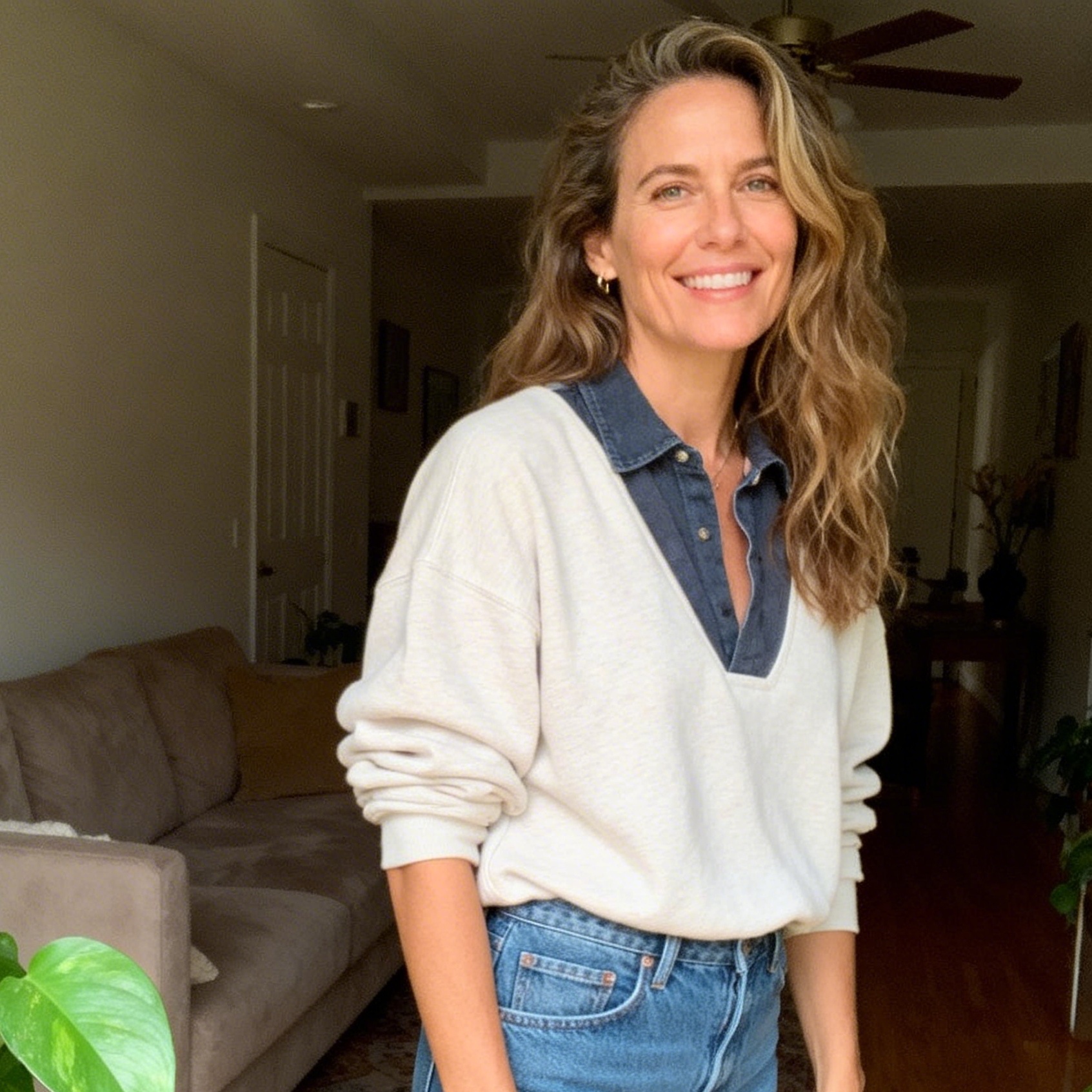
The evolution of generative artificial intelligence has moved rapidly from simple keyword recognition to a sophisticated understanding of narrative context. In the early days of AI art, a user might type "a cat" and receive a rudimentary representation. Today, the difference between a generic image and a breathtaking masterpiece lies in the specificity of the language used. Crafting a picture prompt is no longer just about naming an object; it is about directing a digital camera, choosing a lens, setting the stage lighting, and defining the emotional temperature of a scene.
Precise descriptive language acts as a bridge between human imagination and machine execution. When a prompt provides clear parameters regarding texture, light refraction, and historical style, the AI model has more data points to synthesize. This results in images that possess depth, realism, and artistic intent rather than just random pixel generation.
The core anatomy of a high performing picture prompt
To move beyond trial and error, creators must understand the structural components that make a prompt successful. While every AI model, from Midjourney to DALL-E 3, has its own quirks, they all respond to a foundational four-pillar framework.
The Subject: Defining the focal point
The subject is the "who" or "what" of your image. A common mistake is being too broad. Instead of "a city," an experienced creator might specify "a neo-futuristic megalopolis with tiered hanging gardens and glass monorails."
When defining the subject, consider its state of being. Is it moving? What is it wearing? What is its physical condition? For instance, "a weathered explorer with sun-damaged skin and a tattered linen scarf" provides infinitely more texture for the AI to interpret than simply "a traveler."
The Art Medium and Style: Setting the visual language
This pillar determines whether the image looks like a photograph, a Renaissance oil painting, or a 3D render. In our practical testing, we found that specifying the art medium early in the prompt significantly anchors the aesthetic. If you want realism, terms like "photorealistic" are helpful, but naming specific photography styles—such as "National Geographic street photography"—is even more effective.
For artistic styles, referencing movements like "Art Deco," "Impressionism," or "Ukiyo-e" allows the model to pull from vast historical datasets. In professional workflows, we often combine styles, such as "a cyberpunk city in the style of 19th-century oil painting," to create unique, cross-genre visuals.
The Setting and Environment: Creating the world
The environment provides the context and scale. It defines the background, the atmosphere, and the spatial relationship between objects. Instead of "in the forest," use "nestled within a dense redwood canopy where moss-covered stones line a narrow brook."
Specific environmental details like "bioluminescent flora," "industrial smog," or "low-hanging morning mist" change the way the AI calculates depth and perspective. This is where you set the "where" and "when" of the story.
Lighting and Mood: The emotional engine
Lighting is perhaps the most critical factor in achieving professional-grade results. It dictates the shadows, highlights, and the overall color palette. Professional prompts often include cinematography terms like "chiaroscuro," "God rays," "backlit with neon pink," or "golden hour rim lighting."
Mood is the psychological layer. Words like "melancholy," "triumphant," "eerie," or "serene" tell the AI how to balance the color saturation and contrast. A "serene meadow" will likely have soft pastels and diffused light, while a "menacing meadow" might feature harsh shadows and desaturated tones.
Why technical parameters matter for realism
For those seeking hyper-realism, the prompt must speak the language of professional photography and hardware. When we test prompts for high-end commercial visuals, we integrate camera specifications that force the AI to simulate optical physics.
Lens and Aperture simulation
Mentioning a specific focal length changes the field of view. An "85mm lens" is ideal for portraits as it creates natural compression and a beautiful "bokeh" (background blur), whereas a "14mm wide-angle lens" is perfect for vast landscapes or architectural shots to emphasize scale.
Adding aperture values like "f/1.8" tells the AI to create a shallow depth of field, making the subject pop against a blurred background. This technical specificity prevents the "flat" look common in low-effort AI generations.
Hardware and Rendering requirements
Depending on whether you are using a cloud-based service or running a local model like Flux.1 Dev, hardware awareness is vital. For example, running Flux.1 Dev locally requires at least 24GB of VRAM to handle the model's complexity. When the model is given a prompt that includes "8k resolution," "Ray tracing," or "Unreal Engine 5 render," it attempts to simulate the high-fidelity lighting and shadow calculations found in modern game engines and high-end GPUs.
Categorized picture prompt library for inspiration
To help you get started, here are several sets of optimized prompts across different popular genres. These are designed to be "copy-paste ready" but can be easily modified to fit your specific vision.
Cinematic and Photorealistic Portraits
- The Introspective Elder: "A hyper-realistic side-profile portrait of an elderly fisherman, deep wrinkles and sun-weathered skin, 85mm lens, f/1.8 aperture, soft natural morning light, sea salt crystals caught in a white beard, background of a softly blurred harbor, 8k resolution, cinematic color grading."
- The Futuristic Mechanic: "Close-up portrait of a young woman with holographic grease smudges on her cheek, wearing a heavy industrial exoskeleton, low-key lighting with sharp blue rim light, shot on 35mm film, grainy texture, intense introspective gaze, dark workshop environment with glowing embers."
- The Ethereal Nomad: "A full-body shot of a desert nomad wearing flowing silk robes that shimmer like a prism, walking through a sandstorm at sunset, volumetric lighting, golden hour, high contrast, sand particles caught in the air, cinematic wide shot."
Sci-Fi and Futuristic Landscapes
- The Solar Megacity: "A sweeping cinematic wide shot of a city powered by giant orbital mirrors, towering skyscrapers made of white ceramic and gold, flying transport pods moving through transparent tubes, biophilic architecture with hanging forests, midday bright sunlight, clean and optimistic atmosphere."
- The Deep Space Outpost: "An abandoned research station on a frozen moon, glowing red emergency lights reflecting off icy floors, a massive gas giant planet visible through a cracked glass dome, dark and moody atmosphere, sci-fi horror aesthetic, highly detailed mechanical textures."
- The Neon Alley: "A cyberpunk street scene in the rain, vibrant neon signs in pink and teal reflected in deep puddles, a solitary robot selling street food from a wooden stall, cinematic anamorphic lens flares, 4k, moody and crowded."
Fantasy and Magical Realms
- The Hidden Library: "An ancient library carved into the heart of a giant living tree, thousands of glowing books floating in mid-air, a wizard sitting at a carved stone desk, dust motes dancing in shafts of emerald light, magical atmosphere, intricate wood carvings, fantasy art style."
- The Dragon’s Peak: "A massive obsidian dragon perched on a jagged mountain peak, breathing a soft blue flame that illuminates the surrounding snow, a valley of clouds below, epic scale, dark fantasy style, reminiscent of oil paintings by old masters."
- The Fairy Circle: "A miniature village built inside a circle of glowing mushrooms, tiny lanterns hanging from blades of grass, soft moonlight, sparkling dew drops, whimsical and enchanting mood, macro photography style."
Product and Interior Design
- The Minimalist Lounge: "A sun-drenched modern living room with a sunken conversation pit, floor-to-ceiling windows overlooking a Mediterranean coast, Scandinavian furniture, neutral color palette, soft linen textures, interior design photography, high-end architectural digest style."
- The Luxury Timepiece: "A macro product shot of a skeleton watch, intricate gears and gold springs visible, dark obsidian background, sharp dramatic lighting highlighting the brushed metal edges, shallow depth of field, professional commercial photography."
- The Artisan Coffee: "A steaming ceramic mug of latte art on a dark walnut table, coffee beans scattered around, soft warm light from a nearby window, realistic textures, 50mm lens, cozy and inviting atmosphere."
How to use prompts effectively for creative growth
Simply copying a prompt is the first step. To truly master AI image generation, you must treat the process as an iterative dialogue.
The Power of Iteration
Rarely does the first prompt produce the perfect result. When you receive an image, analyze it. Is the lighting too harsh? Add "diffused light." Is the subject too small? Add "close-up." Most modern tools allow for "variations" or "inpainting." Use these features to fix specific parts of an image without changing the entire composition.
Creative Writing Practice
For writers, picture prompts are an excellent way to break through writer's block. Generating a visual representation of a character or a setting can provide new sensory details you hadn't considered. Describe the scene you've generated back into your text—mention the way the light hit the "scratched copper plating" or the "smell of ozone in the neon rain."
Classroom and Professional Utility
In educational settings, these prompts can be used as "story starters." A teacher can generate a mysterious image of "a door appearing in a cornfield" and ask students to write the backstory. In a professional marketing context, these prompts allow for rapid prototyping of mood boards and concept art before committing to expensive photo shoots.
What makes a great AI image prompt?
The difference between a mediocre and a great prompt is the presence of "intentionality." A great prompt doesn't just list items; it describes a moment in time.
Consider these three tips for better results:
- Avoid contradictory terms: Don't ask for "a dark and moody scene" and "bright midday sun" in the same sentence unless you specifically describe how they coexist (e.g., "a dark room with a single bright shaft of midday sun").
- Order of importance: Most AI models give more weight to the words at the beginning of the prompt. Place your subject and primary style first.
- Use negative prompts: Many platforms allow you to specify what you don't want. If you find your images are consistently too "cartoonish," adding "cartoon, illustration, 3d render" to a negative prompt can force the model toward realism.
Summary
The art of the picture prompt is the art of descriptive storytelling. By mastering the four pillars of subject, style, environment, and lighting, and by incorporating technical photography language, you can unlock the full potential of generative AI. Whether you are a professional designer looking for inspiration or a hobbyist exploring new worlds, the key lies in the specificity of your vocabulary. The more you can "see" the image in your mind and describe its physical and emotional properties, the better the AI will be at bringing that vision to life.
FAQ
What is the most important part of a picture prompt?
While all parts matter, the Subject and the Style/Medium are the most critical. Without a clear subject, the AI lacks a focal point; without a style, the AI defaults to a generic, often unappealing, aesthetic.
Can I use the same prompt on different AI models?
Yes, but the results will vary significantly. Midjourney tends to be more "artistic" and interprets metaphors well, whereas DALL-E 3 is highly literal and excels at following complex, multi-subject instructions. Stable Diffusion offers the most control but requires more technical knowledge of parameters.
How do I make my AI images look more realistic?
To achieve realism, use photography-specific terms. Mention camera models (e.g., "Shot on Sony A7R IV"), lens types ("35mm lens"), lighting techniques ("Rembrandt lighting"), and film stocks ("Kodak Portra 400") to guide the AI toward a photographic look.
Are long prompts always better than short ones?
Not necessarily. While detail is good, excessive "fluff" can confuse the model. Aim for "dense" prompts where every word adds new information. Avoid repeating the same concept with different synonyms unless you want to emphasize that specific trait.
Can AI generate text inside the pictures?
Historically, AI has struggled with text. However, newer models like DALL-E 3, Midjourney v6, and Flux.1 have significantly improved. To get text, wrap the desired words in quotation marks and explicitly tell the AI to "write the text 'Your Words' on the sign."
Is it better to use keywords or full sentences?
Most modern models (especially DALL-E 3 and Midjourney v6) prefer natural language and full sentences. Older models responded better to comma-separated keywords. For the best current results, describe the scene as if you were explaining it to a person.
-
Topic: 150+ Best Picture Prompts to Enhance Creativityhttps://chatsmith.io/blogs/prompt/picture-prompts-00080
-
Topic: Photo Prompts Stock Illustrations – 7,441 Photo Prompts Stock Illustrations, Vectors & Clipart - Dreamstimehttps://www.dreamstime.com/illustration/photo-prompts.html
-
Topic: AI image prompt examples - Adobe Fireflyhttps://www.adobe.com/products/firefly/ai-generated-examples/image-prompts.html