Home
Home
How to Bring Your Photos to Life Using Modern AI Video Generators
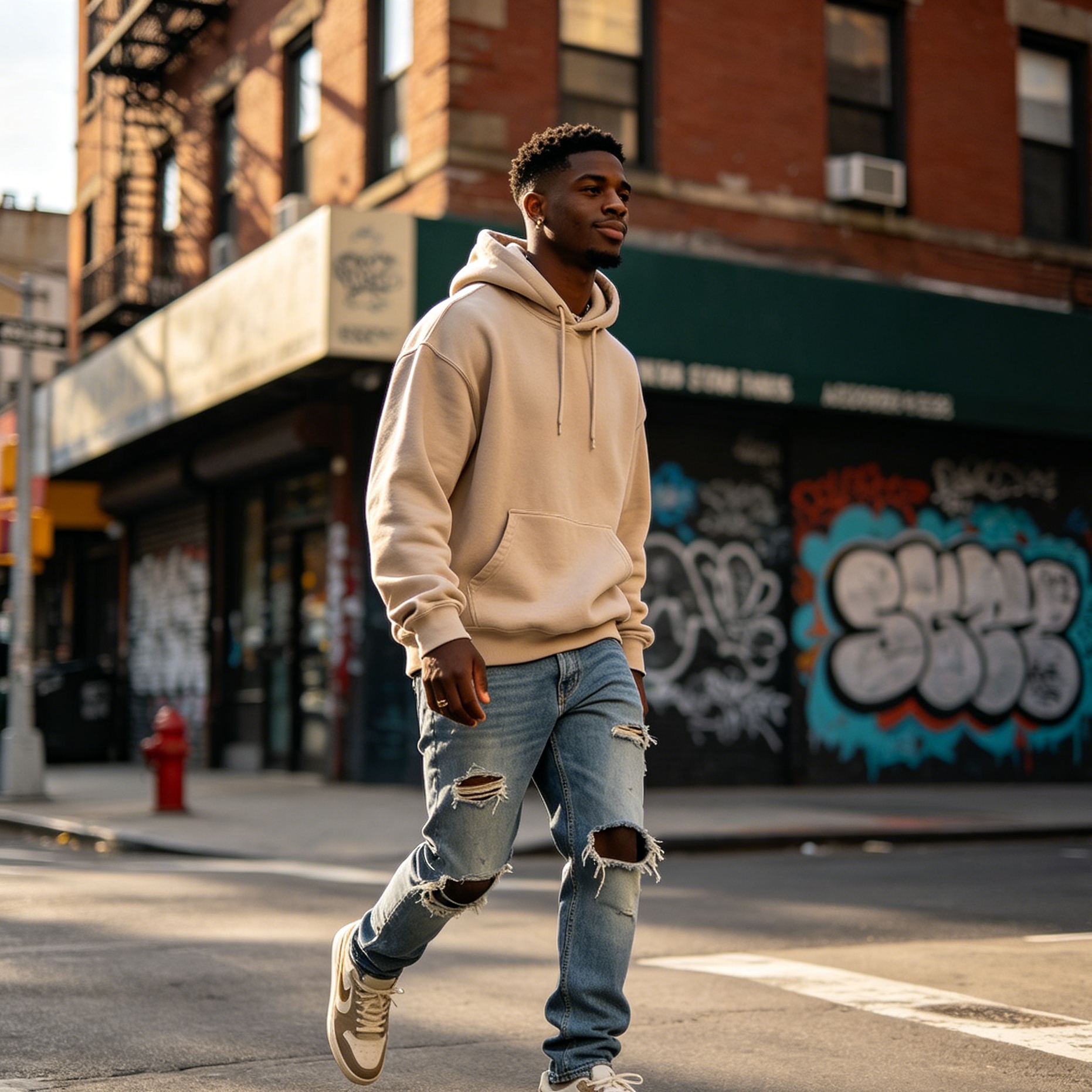
Image-to-video AI generators represent one of the most significant shifts in digital content creation since the invention of non-linear editing. These tools take a single static image—whether it is a professional photograph, a digital painting, or an AI-generated portrait—and use sophisticated neural networks to predict movement, adding a dimension of time and motion that was previously impossible without expensive animation teams.
The Evolution of Static Media into Motion
For years, turning a photo into a video meant using "Ken Burns" effects—simple pans and zooms. Today, generative AI tools like Runway, Luma, and Kling utilize diffusion models to understand the 3D geometry and semantic context of an image. When you upload a picture of a waterfall, the AI doesn't just move the pixels; it understands that water flows downward, creates spray at the bottom, and reflects light based on the surrounding environment.
This technology relies on being trained on millions of hours of video data. By analyzing how objects move in the real world, the AI can "hallucinate" subsequent frames that maintain the identity of the original subject while introducing realistic physics.
Top AI Video Generators for Image Transformation
Choosing the right tool depends on your specific needs, whether you are looking for cinematic realism, social media flair, or commercially safe assets for a marketing campaign.
1. Runway Gen-3 Alpha: The Professional Creative Choice
Runway has long been the industry leader in the AI video space. Their latest model, Gen-3 Alpha, is designed for creators who need granular control over the output.
- Key Feature: Motion Brush. One of the most powerful aspects of Runway is the ability to paint over a specific area of your image and tell the AI exactly how that part should move. If you have a photo of a person standing by a fire, you can paint the flames to flicker rapidly while keeping the person static.
- Camera Controls. Runway allows users to input specific camera directions such as "Horizontal Pan," "Zoom In," or "Static Shot with subtle movement."
- Performance Note. In our testing, Runway Gen-3 Alpha excels at maintaining "Temporal Consistency." This means the characters don't morph into different people as the video progresses, a common issue in lower-quality models.
2. Luma Dream Machine: Unmatched Realism and Physics
Luma Labs released Dream Machine to compete directly with high-end models, and it stands out for its ability to handle complex physics and lighting.
- Cinematic Quality. Luma is often the first choice for creators looking to generate B-roll for films. It handles reflections, shadows, and the weight of objects with surprising accuracy.
- Accessibility. Unlike some professional tools that require complex subscriptions immediately, Luma often offers a user-friendly interface that allows for quick iterations.
- User Experience Tip. When using Luma, provide an "End Frame" if the tool supports it. Uploading a starting image and an ending image helps the AI "tween" the motion, ensuring the video arrives at the exact composition you desire.
3. Kling AI: Extended Duration and Human Motion
Originating from developers in China and now available globally, Kling AI has gained massive traction for its ability to generate longer clips—up to 5 or 10 seconds—with high-fidelity human movements.
- Human Anatomy. Many AI models struggle with hands and walking cycles. Kling AI has shown a superior ability to render humans eating, walking, or performing complex tasks without the limbs "melting."
- Resolution. It supports high-definition exports that are sharp enough for professional display.
- VRAM and Processing. As a cloud-based service, the processing is handled on their servers, but the wait times can vary significantly based on the demand for their "Professional" versus "Standard" generation modes.
4. Adobe Firefly Video Model: The Commercially Safe Standard
For enterprise users and professional designers, Adobe Firefly offers something the others often cannot: commercial indemnity.
- Ethically Trained. Adobe trains its models only on licensed content from Adobe Stock and public domain data. This makes it the go-to choice for agencies that need to ensure they aren't infringing on any artist's copyrights.
- Ecosystem Integration. Because it is built into the Adobe Creative Cloud, you can take a frame from Photoshop, animate it in Firefly, and drop it directly into a Premiere Pro timeline.
- Control over Style. Firefly allows for specific style matching, ensuring that the generated video clip retains the exact color grading and "feel" of your original brand assets.
5. Pika (Pika Labs): Creativity and Social Media Viral Effects
Pika is widely known for its "Pika Effects," which go beyond simple animation into the realm of creative transformation.
- Melt, Inflate, and Explode. Pika introduced fun, physics-defying buttons that allow you to take an object in a photo and make it "melt" or "squish." This is incredibly effective for eye-catching social media content.
- Lip Sync. Pika also offers robust lip-syncing features, allowing you to upload a photo of a person, provide an audio file, and have the AI animate the mouth to match the speech perfectly.
Key Features to Evaluate in a Picture to Video Generator
When testing these tools, it is easy to get lost in the "wow" factor. However, for a productive workflow, you should evaluate them based on these specific criteria:
Prompt Adherence
How well does the AI follow your instructions? If you ask for a "slow cinematic zoom" but the AI provides a "fast shaky pan," the tool will waste your credits. High-end tools like Runway and Luma generally have better adherence to complex text prompts.
Consistency and Artifacts
Check the background of your generated video. Do the buildings in the distance stay the same shape, or do they "vibrate" and change? This "vibrating" effect is known as noise or artifacts. The best generators minimize this, creating a stable environment around the moving subject.
Motion Control Tools
Does the platform offer a "Motion Slider"? This allows you to set the intensity of the movement. Sometimes you only want a subtle breeze in a landscape; other times you want a high-speed car chase. Having a scale from 1 to 10 for motion intensity is a vital feature for creative directors.
Practical Use Cases for AI-Generated Video
The ability to turn pictures into video isn't just a gimmick; it has solved several "pain points" in the creative industry.
Creating High-Quality B-Roll
Traditional B-roll (supplementary footage) can be expensive to license or shoot. If you have a high-quality photo of a boardroom or a scenic mountain, you can generate 5 seconds of cinematic motion to use as a transition in a documentary or corporate video.
Social Media Marketing
Static ads are often ignored on platforms like Instagram and TikTok. By taking a product photo and adding subtle motion—such as steam rising from a coffee cup or light reflecting off a watch face—you can increase engagement rates significantly without the cost of a full video production.
Reviving Historical Archives
Historians and educators are using image-to-video AI to animate old family photos or historical archives. Seeing a figure from 1920 blink or turn their head creates a powerful emotional connection that a static image cannot replicate.
Overcoming Common Challenges in AI Video Generation
While the technology is impressive, it is not perfect. Here is how to handle the most common issues:
- The "Uncanny Valley": If a person's face looks slightly "off," try reducing the motion intensity. Subtle movements are often more realistic than large facial expressions.
- Morphing Objects: If a car turns into a bus halfway through the clip, try using a more descriptive prompt that reinforces the identity of the object (e.g., "A red sports car driving, staying a red sports car throughout").
- Resolution Issues: Most AI generators default to lower resolutions to save processing time. Always check if there is an "Upscale" or "HD" toggle before your final export.
The Cost of Creativity: Subscription Models
Most professional-grade AI video generators operate on a credit-based system.
- Free Tiers: Usually include watermarks and limited generations (e.g., 30 credits a month).
- Pro Tiers: Typically range from $20 to $95 per month. These tiers offer faster rendering times, no watermarks, and higher resolution.
- Enterprise: For large teams, companies like Adobe and Runway offer custom pricing with enhanced security and collaboration features.
How to Write the Perfect Prompt for Image-to-Video
The secret to a great AI video starts with the text you provide alongside the image. Here is a formula for success:
[Subject Description] + [Specific Action] + [Camera Movement] + [Lighting/Environment]
- Bad Prompt: "Make the clouds move."
- Good Prompt: "A dramatic sunset over the ocean, the clouds are drifting slowly to the left, cinematic drone shot zooming in, golden hour lighting with realistic water reflections."
By being specific about the camera and the environment, you give the AI the constraints it needs to produce a professional result.
Summary
The landscape of picture-to-video AI generators is moving at breakneck speed. Tools like Runway Gen-3 and Luma Dream Machine have lowered the barrier to entry for high-end animation, allowing anyone with a photograph and an imagination to create cinematic content. While challenges like temporal consistency and high subscription costs remain, the ability to generate "instant motion" is a transformative power for marketers, storytellers, and digital artists alike.
Frequently Asked Questions
Which AI video generator is best for beginners?
Canva and Pika are generally the most accessible for beginners due to their intuitive interfaces and "one-click" effects. Adobe Firefly is also very approachable for those already familiar with the Adobe ecosystem.
Can I use these AI videos for commercial purposes?
It depends on the tool. Adobe Firefly is designed for commercial safety. Runway and Luma allow commercial use on their paid plans. Always check the Terms of Service for the specific plan you are using to ensure you have the rights to the output.
How long does it take to generate an AI video from a photo?
Most tools take between 60 seconds and 3 minutes to generate a 5-second clip, depending on the server load and the complexity of the motion requested.
Why does the quality of the video look lower than my original photo?
AI generators often compress the image to process the motion frames more quickly. To get the best results, look for "Upscale" features within the tool or use a secondary AI upscaler after the video is generated.
Is there a free AI image to video generator?
Most platforms offer a limited free trial or a set number of free credits per month. However, completely free, unlimited, high-quality generators are rare due to the high computational costs of running these AI models.
-
Topic: Image to video AI - Adobe Fireflyhttps://www.adobe.com/products/firefly/features/image-to-video.html
-
Topic: Image to video AI: Convert image to video | Adobe Fireflyhttps://www.adobe.com/uk/products/firefly/features/image-to-video.html
-
Topic: Photo to Video: Top 5 Best AI Tools Recommendation [2026]https://www.wps.com/blog/photo-to-video-top-5-best-ai-tools-recommendation/