Home
Home
How to Generate AI Images in ChatGPT for Free
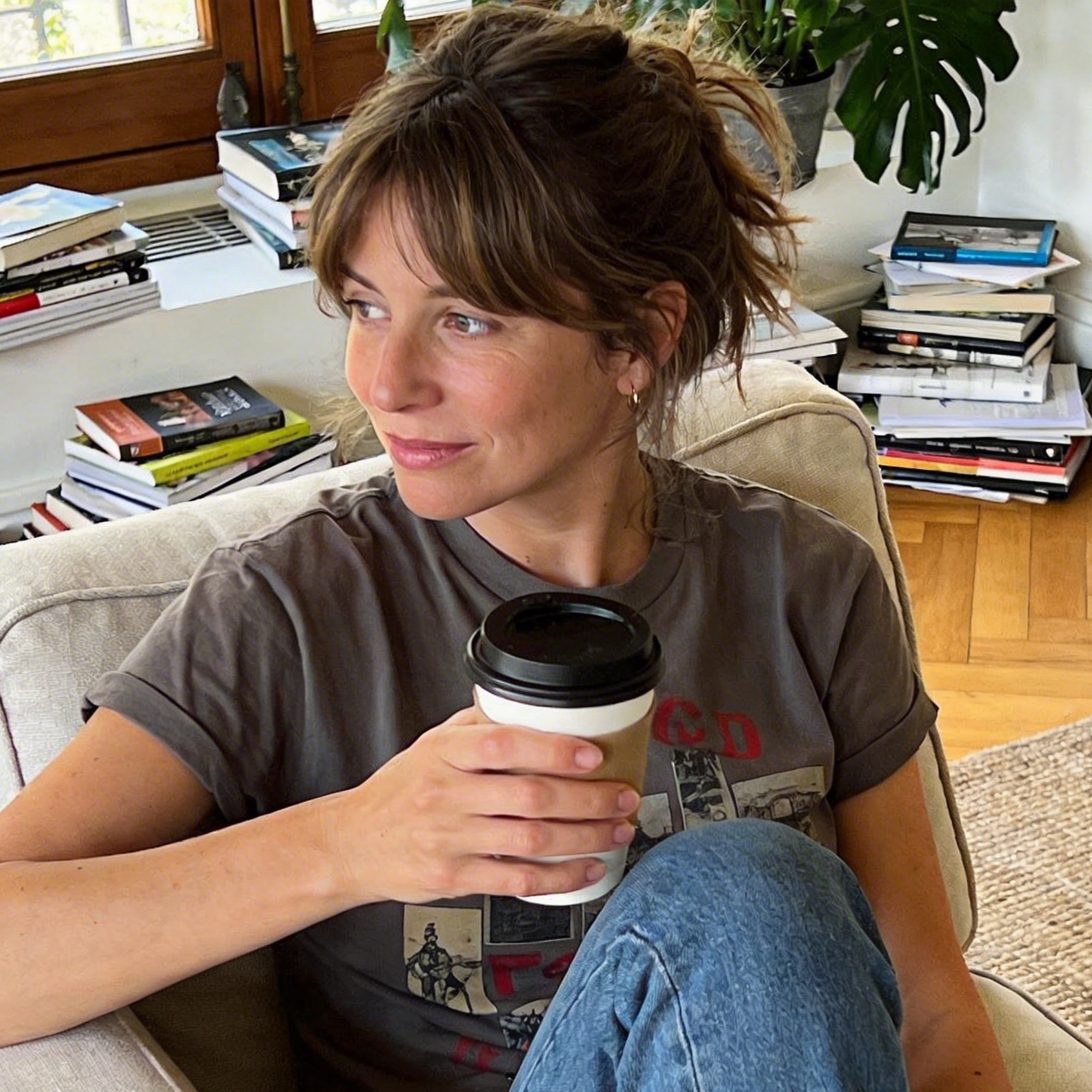
Users can generate high-quality images for free within the official ChatGPT platform. OpenAI has integrated its advanced DALL-E 3 and GPT-4o image generation capabilities directly into the free tier of ChatGPT. This means anyone with a standard account can create visuals simply by describing them in plain language. Beyond the official OpenAI site, Microsoft Copilot offers another robust, free avenue to access the same underlying technology without the strict daily caps found elsewhere.
How to Access the Free Image Generator in ChatGPT
Accessing the image generation feature does not require a paid subscription or complex software installations. The process is integrated into the standard chat interface at chatgpt.com or through the mobile application.
To start creating, a user simply needs to log into their free OpenAI account. Once in a new chat session, they can input a descriptive prompt such as "Create an image of a golden retriever wearing a tuxedo in a library." The underlying model, typically GPT-4o for free users, interprets the text and invokes the DALL-E 3 engine to render the visual output.
The seamless integration allows for iterative editing. If the initial image is not perfect, a user can reply with follow-up instructions like "Change the dog's tuxedo to red" or "Add a cup of tea on the table." ChatGPT understands the context of the previous image and attempts to modify it accordingly, a feature that distinguishes it from standalone image generators.
Understanding the Daily Limits for Free Users
While image generation is accessible to free users, it is not unlimited. OpenAI manages server capacity by imposing a daily limit on the number of images a free-tier user can generate.
The exact number of free generations can vary based on current server demand and regional settings. Typically, once a user reaches their daily quota, ChatGPT will inform them that they have hit the limit for image creation. At this point, the user must wait until their limit resets—usually within 24 hours—or upgrade to a ChatGPT Plus subscription for significantly higher usage ceilings.
It is also important to note that during peak traffic hours, free users may experience slower generation speeds. The system prioritizes processing power for paid subscribers, meaning a free request might take 30 to 60 seconds to complete compared to the near-instant results provided to Plus users.
Microsoft Copilot as a Powerful Free Alternative
For those who find the daily limits in ChatGPT too restrictive, Microsoft Copilot (formerly Bing Chat) serves as a premier alternative. Copilot utilizes the same DALL-E 3 technology as ChatGPT because of the close partnership between Microsoft and OpenAI.
Copilot provides several advantages for users seeking free "Picture GPT" capabilities:
- Higher Daily Allowances: Historically, Copilot has offered a more generous daily allotment of "boosts" for image generation compared to the standard ChatGPT free tier.
- Multiple Style Options: Copilot often allows users to toggle between different creative modes (Creative, Balanced, Precise), which can subtly influence how the DALL-E engine interprets artistic prompts.
- Designer Integration: Microsoft integrates the image generator with Microsoft Designer, allowing users to perform basic graphic design tasks, such as adding text or changing aspect ratios, immediately after the image is generated.
To use this, one simply visits the Copilot website or opens the Copilot app and types a prompt starting with "Generate an image of..." or "Draw a..."
Advanced Prompting Recipes for High Quality Visuals
The quality of an AI-generated picture is directly proportional to the specificity of the prompt. Relying on simple one-word descriptions often leads to generic results. To maximize the potential of the DALL-E 3 engine within ChatGPT, users should incorporate specific "ingredients" into their requests.
Defining Artistic Style
Instead of just asking for a "picture of a mountain," specify the medium. For example:
- Photorealistic: "A high-resolution photograph of a snow-capped mountain at sunrise, shot on 35mm film, sharp focus, natural lighting."
- Digital Art: "A cyberpunk-style digital painting of a mountain range with neon glowing rivers, 8k resolution, trending on ArtStation."
- Traditional Media: "A classic watercolor painting of a mountain, soft edges, pastel colors, on textured paper."
Mastering Lighting and Atmosphere
Lighting dictates the mood of the generated image. Use terms like:
- Golden Hour: For warm, soft, orange light.
- Volumetric Lighting: To create rays of light shining through dust or fog.
- Cyberpunk Neon: For high-contrast, vibrant blues and pinks.
- Moody/Noir: For heavy shadows and high contrast.
Compositional Instructions
Tell the AI where to "place the camera."
- Bird's Eye View: For an overhead perspective.
- Macro Shot: For extreme close-ups of small objects.
- Wide Angle: To capture vast landscapes or large groups of people.
- Depth of Field: Use "bokeh" or "blurred background" to make the subject stand out.
How to Edit Images Using ChatGPT Dialogue
One of the most powerful aspects of using GPT for pictures is the conversational editing capability. Unlike traditional tools where you must start from scratch if a detail is wrong, ChatGPT allows for "in-painting" logic through conversation.
When an image is generated, a free user can click on the image to select a specific area (in the web interface) or simply type a request. If the AI generates a kitchen scene but the cabinets are the wrong color, the user can say: "The kitchen looks great, but please change the wooden cabinets to a matte navy blue and make the countertop white marble."
The AI will then attempt to maintain the overall composition—the placement of the windows, the lighting, the floor—while specifically targeting the requested changes. This iterative process is highly efficient for refining logos, character designs, or social media graphics.
Comparing ChatGPT Free vs ChatGPT Plus for Images
While the core technology is the same, there are functional differences between the free and paid tiers that impact the user experience.
| Feature | ChatGPT Free | ChatGPT Plus ($20/mo) |
|---|---|---|
| Engine | GPT-4o / DALL-E 3 | GPT-4 / GPT-4o / DALL-E 3 |
| Daily Limit | Limited (fluctuates) | High (up to 50+ images per 3 hours) |
| Speed | Standard | Priority (Fast) |
| Early Access | No | Yes (New models/features first) |
| Image Editing | Basic conversational edits | Advanced selection & canvas tools |
For casual users, the free version is more than sufficient. However, for professionals or small business owners who need to generate dozens of variations for a marketing campaign, the Plus subscription removes the "quota anxiety" that comes with the free tier.
Common Troubleshooting: Why Image Generation Might Fail
Occasionally, users may encounter errors when trying to generate pictures. Understanding these common pitfalls can save time.
Safety Filter Triggers
OpenAI has strict safety guidelines. The system will refuse to generate images that contain:
- Public Figures: Requests for specific celebrities or politicians are blocked to prevent deepfakes.
- Copyrighted Material: Directly asking for "Mickey Mouse" or "Iron Man" may trigger a refusal. Instead, describe the aesthetic (e.g., "a heroic figure in high-tech red and gold armor").
- Violence or Explicit Content: Any prompts hinting at gore, self-harm, or sexual themes are automatically rejected.
Technical Glitches
If the "Generate" button is grayed out or the chat says "Internal Server Error," it is often due to high traffic. Refreshing the page or clearing the browser cache typically resolves these issues. In some cases, if the prompt is too long or complex (over 1000 characters), the model might struggle to process it. Keeping prompts descriptive but concise (under 200 words) is the best practice.
Practical Use Cases for GPT-Generated Pictures
The ability to generate images for free has democratized design for various groups of people.
- Content Creators: Bloggers and social media managers use ChatGPT to create unique featured images that aren't available on stock photo sites. This improves SEO and engagement by providing original visual content.
- Educators: Teachers generate visual aids, such as "An infographic of the water cycle in a cartoon style," to make lessons more engaging for students.
- Small Business Owners: Entrepreneurs create mockups for logos, business cards, and product packaging before hiring a professional designer. This helps them visualize their brand identity for free.
- Personal Use: From creating custom birthday cards to generating DnD (Dungeons & Dragons) character portraits, the creative possibilities are endless.
Avoiding Third-Party Scams and Fake "Free GPT" Sites
As AI popularity grows, many fraudulent websites claim to offer "Unlimited Free GPT Image Generation." Users should exercise caution. Many of these sites are "wrappers" that may steal personal data, install malware, or charge hidden fees after a few uses.
Always prioritize official channels:
- OpenAI (chatgpt.com): The official source.
- Microsoft Copilot (bing.com/chat): The official partner.
- App Stores: Only download the official "ChatGPT" app published by OpenAI or the "Copilot" app by Microsoft.
If a site asks for credit card information for a "free" service or seems overloaded with aggressive pop-up ads, it is likely untrustworthy.
What is the Future of Image Generation in ChatGPT?
The field of AI is moving toward "multimodality." This means that GPT is no longer just a text model that "calls" an image engine. Instead, newer versions like GPT-4o are natively multimodal, meaning they can understand and generate text, audio, and images simultaneously.
In the future, we can expect:
- Faster Generation: Real-time image creation as you type.
- Consistent Characters: The ability to generate the same character in different poses and environments consistently—a current challenge for AI.
- Video Integration: The evolution from static pictures to short, AI-generated video clips (Sora technology).
Even for free users, these advancements will likely trickle down, making high-end creative tools accessible to everyone with an internet connection.
Summary of Free Image Generation Options
Generating pictures with GPT is now a standard feature that requires no financial investment. By using the official ChatGPT portal or Microsoft Copilot, users can harness the power of DALL-E 3 to create everything from photorealistic landscapes to abstract art. The key to success lies in mastering descriptive prompts, understanding the daily usage limits, and respecting the safety guidelines set by the developers.
FAQ
How many images can I generate for free on ChatGPT? OpenAI does not publish a fixed number, as it changes based on demand. However, most free users report being able to generate between 2 to 5 images per day before hitting a limit.
Can I use the images I generate for commercial purposes? According to OpenAI's current terms, users own the output they create with ChatGPT, including images. However, copyright laws regarding AI-generated art are still evolving, so it is advisable to consult a legal professional for major commercial projects.
Does ChatGPT support different image sizes? While ChatGPT usually defaults to a square (1:1) aspect ratio, you can specify "Wide" (16:9) or "Tall" (9:16) in your prompt. DALL-E 3 is capable of rendering these different formats.
Is there a way to get more free images without waiting? If you hit your limit on ChatGPT, you can switch to Microsoft Copilot. It uses the same engine and often provides a separate, additional quota of free generations.
Why does the text inside my generated images look weird? DALL-E 3 is much better at text than its predecessors, but it still occasionally makes spelling errors or "gibberish" characters. To fix this, try a follow-up prompt like: "The image is perfect, but please correct the spelling of the word 'Coffee' on the sign."
Can I upload my own photo and ask GPT to edit it for free? Yes, free users can upload images to ChatGPT. You can then ask the AI to describe the image, analyze it, or use it as a reference to generate a new, similar image.
Is DALL-E 3 the only model used for pictures? In ChatGPT, DALL-E 3 is the primary engine. However, the GPT-4o model handles the "understanding" part of the prompt, ensuring the final image aligns closely with your complex instructions.
-
Topic: Chat GPT Picture Generator Free – No More Struggling with Complex Design Apps!https://pixelfox.ai/blog/chat-gpt-picture-generator-free-no-more-struggling-with-complex-design-apps
-
Topic: Free, Unlimited GPT Image APIhttps://developer.puter.com/tutorials/free-unlimited-gpt-image-api/
-
Topic: gpt image 2 — free ai image generator & editor by open ai | playgroundhttps://playground.com/gpt-image-2