Home
Home
How to Master ChatGPT Images for Professional Generation Analysis and Editing
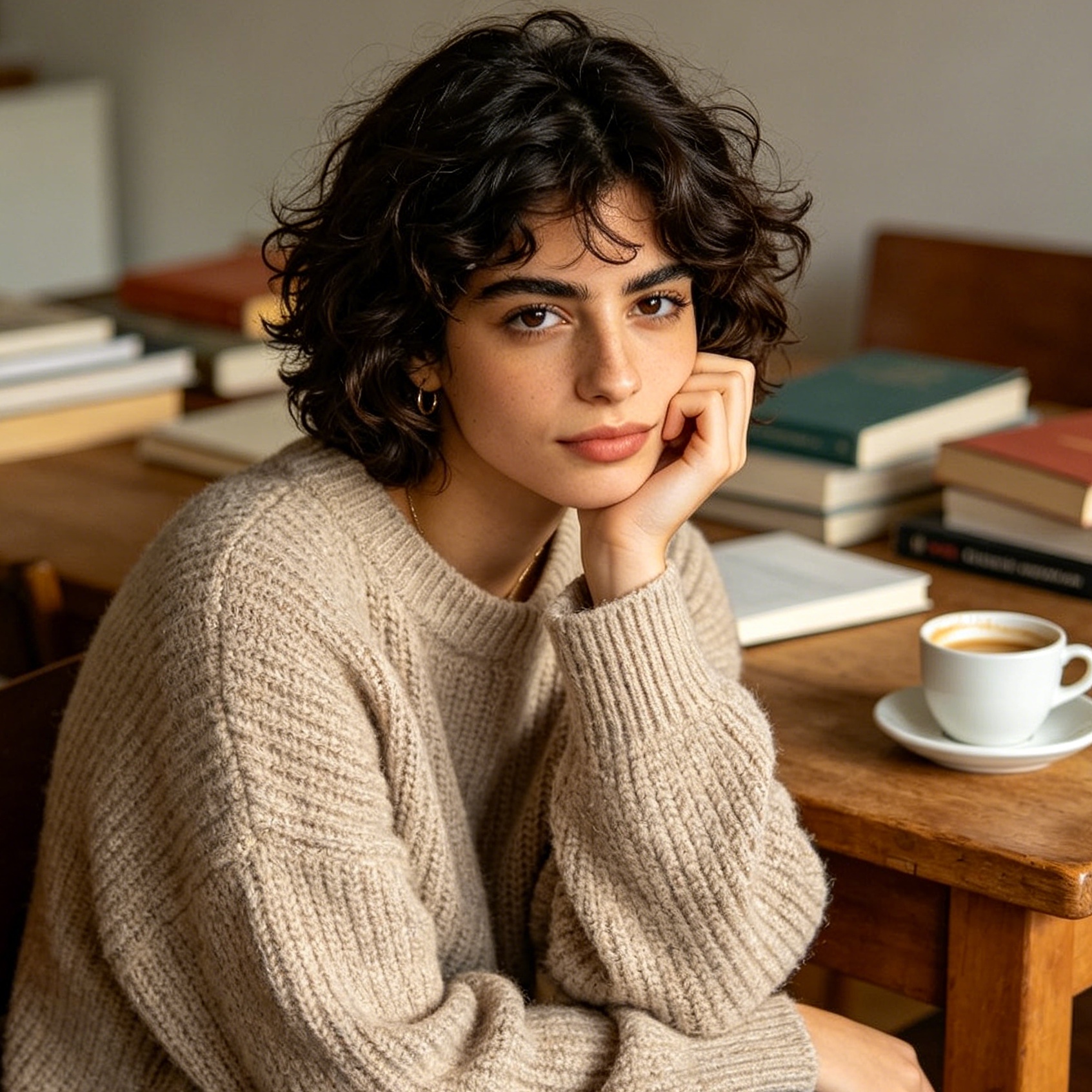
ChatGPT has evolved from a text-based conversationalist into a multimodal powerhouse capable of creating, interpreting, and refining visual content. This transformation is driven by two primary technical pillars: Image Generation (creating visuals from text descriptions) and Image Analysis/Vision (understanding and processing uploaded files). As of the latest updates in late 2025, the introduction of the GPT-Image series has significantly improved text rendering, spatial consistency, and localized editing.
Understanding how to navigate these visual features is essential for professionals, creators, and students alike. This article provides a deep dive into the mechanics, practical applications, and expert-level strategies for using images in ChatGPT effectively.
The Dual Nature of Images in ChatGPT
ChatGPT processes images through two distinct workflows. While they appear in the same chat interface, they utilize different underlying neural architectures to achieve their goals.
1. Generative Capabilities (GPT-Image 2)
The generative side allows you to translate natural language into high-fidelity visuals. Unlike earlier iterations that often struggled with human anatomy or legible text, the current GPT-Image 2 model (and its iterations like 1.5 in the API) excels at following complex multi-part instructions. It is designed to handle intricate layouts, specific color palettes, and even embedded typography with high precision.
2. Analytical Capabilities (GPT-Vision)
The analytical side, commonly referred to as Vision, enables ChatGPT to "see." By uploading a photo, screenshot, or document, you allow the model to perform OCR (Optical Character Recognition), object identification, and contextual reasoning. This is not mere image labeling; it is a sophisticated reasoning engine that can explain a complex biology diagram or troubleshoot a hardware issue based on a grainy smartphone photo.
Mastering Professional Image Generation
Generating a generic image is easy, but generating a professional-grade asset requires a nuanced understanding of prompt engineering. The model responds best to structured, descriptive language rather than vague adjectives.
How to Construct a High-Performance Prompt
To get the most out of ChatGPT’s image generation, you should treat your prompt as a creative brief. In our internal testing, we have found that a four-part structure consistently yields the best results:
- Subject & Action: What is the main focus? (e.g., "A robotic arm assembling a delicate glass sculpture.")
- Environment & Lighting: Where is it? What is the mood? (e.g., "In a high-tech cleanroom, illuminated by soft blue neon lights and natural moonlight from a skylight.")
- Style & Medium: Is it a photo, an oil painting, or a 3D render? (e.g., "A cinematic 8k photograph with shallow depth of field.")
- Composition & Technical Details: Camera angle, aspect ratio, and framing. (e.g., "Wide-angle shot, rule of thirds, 16:9 aspect ratio.")
Aspect Ratios and Dimensions
Standard generations often default to a square (1:1) format, which is ideal for social media profile pictures but less effective for presentations or website banners. You can explicitly request different formats:
- Widescreen (16:9): Perfect for YouTube thumbnails, presentation slides, and hero images on websites.
- Vertical (9:16): Essential for mobile-first content like Instagram Stories or TikTok backgrounds.
- Custom Ratios: You can request specific ratios like 3:2 or 4:5 to match traditional photography standards.
Precise Text Rendering
One of the most significant breakthroughs in the 2025 updates is the ability to render text accurately. In previous years, AI-generated images often contained "gibberish" text. Today, you can specify exactly what you want written.
- Example Prompt: "Create a minimalist book cover titled 'The AI Frontier' in bold white sans-serif font. The author's name 'Jordan Vance' should be in smaller text at the bottom. The background should be a dark gradient."
Using Vision for Data Extraction and Problem Solving
The ability to upload images changes ChatGPT from a writing tool into a visual assistant. This functionality is accessible via the paperclip or image icon in the chat bar.
Converting Visual Data to Structured Text
For business users, the most powerful application of Vision is data extraction. You can upload a photo of a handwritten meeting note, a complex spreadsheet, or a restaurant receipt, and ask ChatGPT to:
- "Convert this table into a Markdown format."
- "Summarize these handwritten bullet points into a formal email."
- "Extract the line items from this invoice and calculate the tax manually to verify."
Technical Troubleshooting and DIY
Vision acts as a real-time expert for physical tasks. If you are struggling to assemble furniture or fix a leaking faucet, you can take a photo of the parts.
- User Case: A user uploads a photo of a circuit board.
- Prompt: "Look at the capacitor near the top left. Does it look swollen? Also, identify the model number of the black chip in the center."
- Result: ChatGPT analyzes the visual cues, identifies potential hardware failure, and provides the specifications for the component.
Coding and UI/UX Design
Developers often use Vision to bridge the gap between design and code. You can upload a wireframe or a screenshot of a website you admire and ask:
- "Write the Tailwind CSS and HTML code to replicate the layout and color scheme of this image."
- "Critique the UI of this mobile app dashboard. Are the call-to-action buttons prominent enough?"
The Image Editor: Precise Local Adjustments
OpenAI introduced a dedicated Image Editor within the ChatGPT interface that allows for granular control without needing to restart the entire generation process. This is a game-changer for creative workflows where 90% of the image is perfect, but one detail needs changing.
How to Use the Selection Tool
When you click on a generated image, an "Edit" icon (usually a brush) appears.
- Highlight the Area: Use the brush to paint over the specific part of the image you want to modify (e.g., a character’s hat or the color of a car).
- Provide Instructions: In the chat box, describe the change. "Change this red hat to a blue baseball cap with a gold logo."
- Refinement: The model will regenerate only the selected area, maintaining the lighting, shadows, and overall composition of the rest of the image.
Conversational Editing (No Selection Needed)
If you don't want to use the brush tool, you can simply talk to the image.
- Prompt: "Keep the entire image the same, but change the background from a forest to a desert."
- Mechanism: The model uses the existing image as a "Reference Image" and applies a global transformation while attempting to preserve the identity of the subjects.
Advanced Strategies: Reference Images and Style Transfer
For those looking to push the boundaries of AI art, using reference images is the key to consistency.
Maintaining Character Consistency
One of the biggest challenges in AI art is keeping a character looking the same across different scenes. To mitigate this, you can upload an initial character sheet and use it as a reference for all subsequent prompts.
- Prompt: "Using the character in the attached image, generate a new scene where they are walking through a rainy city at night. Keep their facial structure and clothing exactly the same."
Combining Styles and Layouts
You can upload two different images and ask ChatGPT to merge them.
- Image 1: A photo of a modern kitchen.
- Image 2: A Van Gogh painting.
- Prompt: "Apply the artistic style, brushstrokes, and color palette of Image 2 to the kitchen layout in Image 1."
Understanding the Limitations and Safety Barriers
While ChatGPT’s image capabilities are industry-leading, they are not infallible. Users must navigate several technical and ethical constraints to avoid frustration.
Spatial and Mathematical Accuracy
Despite improvements, the model still struggles with precise spatial localization. Asking it to "Place a red dot exactly 2.5 centimeters to the left of the blue square" often results in inaccuracies. Similarly, tasks requiring exact counts of many small objects (e.g., "Count the 47 jellybeans in this jar") will likely result in an approximation rather than an exact count.
Medical and Professional Risks
ChatGPT is strictly prohibited from providing medical diagnoses. While it can identify a "rash" in a photo, it cannot and should not be used to interpret CT scans, X-rays, or provide clinical advice. The risk of "hallucination"—where the AI sees patterns that aren't there—is too high for high-stakes medical or legal applications.
Privacy and Likeness
The model has built-in filters to prevent the generation of public figures or the creation of deepfakes. If you ask for an image of a specific celebrity, the request will be blocked. It is also designed to refuse requests that involve generating sexually explicit content or depictions of extreme violence.
Best Practices for Workflow Integration
To truly "master" ChatGPT images, you should integrate them into your existing productivity suite.
For Marketers and Content Creators
Instead of searching for hours on stock photo sites, use ChatGPT to generate custom illustrations that match your brand’s exact color hex codes. Use the Vision tool to analyze your competitors' ad creatives and identify why their visual hierarchy is effective.
For Educators and Students
Convert complex textbook diagrams into simplified versions. If a student is stuck on a geometry problem, they can snap a photo, and ChatGPT can walk them through the steps by identifying the angles and shapes visually.
For Small Business Owners
Use the image-to-text capability to digitize years of physical records. Use the generation tool to create professional product mockups without the cost of a full-scale photoshoot.
Summary of Key Features
| Feature | Best For | Model Used |
|---|---|---|
| Image Generation | Marketing assets, concept art, logos | GPT-Image 2 |
| Vision/Analysis | OCR, troubleshooting, coding from UI | GPT-Vision |
| In-Chat Editor | Small tweaks, color changes, adding objects | Proprietary Editor |
| Reference Images | Consistency, style transfer, remixes | GPT-Image 1.5/2 |
Conclusion
The "Image ChatGPT" ecosystem is no longer just a toy for generating funny pictures; it is a sophisticated tool for professional visual communication. By mastering the art of the structured prompt, utilizing the precise editing tools, and leveraging Vision for data analysis, you can significantly reduce the time spent on creative and analytical tasks. Whether you are building a website from a sketch or refining a corporate presentation, the ability to communicate with AI through a visual medium is one of the most valuable skills in the modern digital landscape.
Frequently Asked Questions (FAQ)
Can I use ChatGPT to edit photos I took on my phone?
Yes. You can upload your own photos and use either the conversational interface or the selection brush tool to make changes, such as removing background objects, changing hair colors, or adjusting the lighting.
Is DALL-E still available in ChatGPT?
As of late 2025, OpenAI has largely transitioned users from the standalone DALL-E GPT to the integrated "ChatGPT Images" feature powered by newer models. While some legacy tools may exist, the new integrated system offers superior performance and editing capabilities.
What file types does ChatGPT support for image uploads?
ChatGPT supports standard image formats including PNG (.png), JPEG (.jpeg and .jpg), and non-animated GIF (.gif). Files should generally be under 20MB for optimal processing speed.
Can ChatGPT generate images with specific text?
Yes, the latest models are highly capable of rendering specific text. To ensure accuracy, put the desired text in quotation marks within your prompt and specify the font style and placement.
Are my uploaded images used for training?
For standard Free and Plus users, images may be used to improve model performance unless you opt out in the settings. For ChatGPT Enterprise and Team users, data is generally not used for training, providing a higher level of privacy for sensitive business assets.
-
Topic: Images in ChatGPT | OpenAI Help Centerhttps://help.openai.com/en/articles/11084440?trk=article-ssr-frontend-pulse_little-text-block
-
Topic: Image generation | ChatGPT Learnhttps://learn.chatgpt.com/docs/image-generation
-
Topic: ChatGPT Image Inputs FAQ | OpenAI Help Centerhttps://help.openai.com/en/articles/8400551-image-inputs-for-chatgpt-faq%253F.pict