Home
Home
Manus AI and ChatGPT Represent Two Different Paths for Artificial Intelligence

The artificial intelligence landscape has undergone a seismic shift. For the past few years, the world has been captivated by the conversational prowess of ChatGPT. However, a new category of technology—represented by Manus AI—is challenging the dominance of traditional Large Language Models (LLMs). While both tools utilize advanced neural networks, they represent two fundamentally different philosophies: the conversational assistant versus the autonomous agent.
The primary difference is simple but profound. ChatGPT is designed to talk with you, helping you refine ideas through dialogue. Manus AI is designed to work for you, taking a high-level goal and executing every necessary step to reach the finish line without human intervention. Understanding this distinction is the key to choosing the right tool for professional workflows.
The Philosophical Divide Between Co-pilot and Autopilot
When evaluating Manus AI and ChatGPT, the first thing to recognize is the user's role in the process. This is often described as the difference between a "Co-pilot" and an "Autopilot."
ChatGPT as the Conversational Co-pilot
ChatGPT operates on a feedback loop. It is an iterative tool. When you ask ChatGPT to write a marketing plan, it generates text based on the prompt. If the plan is too broad, you provide feedback; if the tone is wrong, you ask for a revision. You are the conductor, and ChatGPT is the instrument. The cognitive load of planning, verifying, and connecting different parts of the task remains largely on the user.
Manus AI as the Autonomous Autopilot
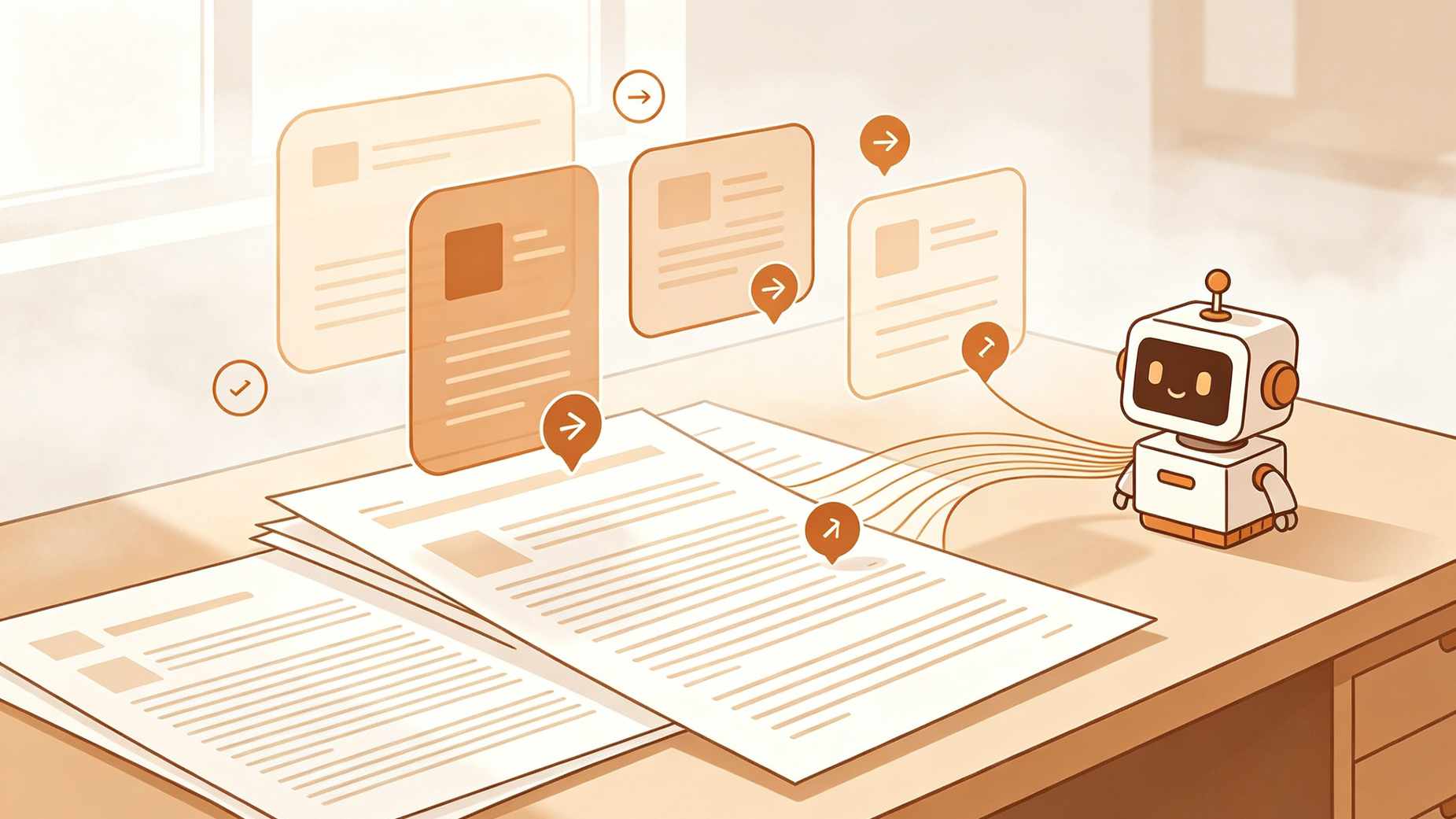
Manus AI functions as a "General Agent." Instead of providing a sequence of prompts, the user provides a goal—for example, "Research the competitive landscape of the sustainable packaging industry in Europe and provide a formatted PDF report." Manus AI does not just tell you how to do it; it performs the research, browses dozens of websites, synthesizes the data, and creates the file. It is a "set and forget" system where the AI handles the planning, tool selection, and error correction independently.
Technical Architectures and the Sandbox Environment
The capabilities of these two systems are defined by their digital environments. While ChatGPT lives within a chat interface, Manus AI operates within a virtual "sandbox."
The Limitations of the Chat Window
ChatGPT primarily interacts with the world through its internal knowledge and limited external tools like web browsing and a sandboxed Python interpreter (Advanced Data Analysis). While powerful, these tools are often sequential. If ChatGPT encounters a roadblock during a web search, it frequently returns to the user for clarification or provides a partial answer based on what it managed to find.
The Power of the Manus Sandbox
Manus AI is equipped with a comprehensive cloud-based sandbox. This environment includes:
- A Persistent File System: Allowing the agent to create, move, and edit files over a long duration.
- A Full Browser: Unlike simple API-based searching, Manus can navigate complex websites, interact with UI elements, and process hundreds of sources in parallel.
- Code Execution and Deployment: Manus can write code and then actually deploy it to a live environment, turning a concept into a functioning web application.
This sandbox allows Manus AI to go beyond "thinking" and move into "doing." It doesn't just suggest code; it runs it, debugs it, and presents the working result.
Direct Comparison of Core Features
To better understand how these tools stack up in a professional environment, we must look at their performance across specific technical domains.
| Feature | ChatGPT | Manus AI |
|---|---|---|
| Interaction Model | Iterative Dialogue | Goal-Oriented Execution |
| Autonomy Level | Low (Requires step-by-step guidance) | High (Operates independently) |
| Research Capability | Sequential web search (3-5 sources) | Parallel research (100+ sources) |
| Output Type | Text, snippets, and basic files | Production-ready apps, reports, and datasets |
| Execution Space | Sandboxed Python (limited) | Full Linux-like sandbox with browser access |
| Persistence | Session-based | Stateful task management |
Research and Data Synthesis
In a test scenario involving deep market research, ChatGPT excels at summarizing existing knowledge or conducting targeted searches for specific facts. However, it struggles with "breadth." If asked to analyze 50 different competitors, ChatGPT may provide a generalized overview.
Manus AI, by contrast, leverages "sub-agents." It can spawn multiple processes to scan dozens of websites simultaneously. It extracts specific data points, cross-references them for accuracy, and compiles them into a structured format like a CSV or a professional slide deck. This is not just a search; it is an automated investigation.
Software Development and Deployment
For developers, ChatGPT is a world-class code assistant. It can explain algorithms, debug snippets, and suggest refactorings. However, the developer still needs to copy that code into an IDE, set up the environment, and handle deployment.
Manus AI aims to close the gap between code and product. It can build a full-stack web application from a single prompt, including the frontend, backend, and database integration. Because it has access to a terminal and deployment tools, it can provide a live URL to the finished product. While ChatGPT helps you code, Manus AI builds the app.
Workflow Integration: How the User Experience Differs
The choice between Manus AI and ChatGPT often comes down to the nature of the task at hand and the desired level of control.
When to Choose ChatGPT
Professional users prefer ChatGPT when the task requires nuance, creativity, and high-level human judgment.
- Brainstorming: When you don't know the goal yet and need a partner to bounce ideas off.
- Editing: When you want to maintain a specific "voice" or style that requires constant manual adjustment.
- Quick Queries: For tasks that take less than 30 seconds to explain and execute, the overhead of an agentic workflow might be unnecessary.
When to Choose Manus AI
Manus AI is the superior choice for complex, multi-step, and time-consuming projects.
- Deep Research: When you need to synthesize information from a vast array of sources that would take a human hours to read.
- Complex Automations: Tasks like "find every real estate listing in this zip code under a certain price, extract the contact info, and put it in a spreadsheet."
- End-to-End Creation: When the goal is a finished deliverable (a report, a website, a data dashboard) rather than just a text response.
Analysis of Pricing and Economic Value
The pricing models for these two tools reflect their different approaches to resource consumption.
The Subscription Model of ChatGPT
ChatGPT typically operates on a flat monthly subscription (e.g., $20/month for Plus). This allows for virtually unlimited "conversation," making it highly predictable for individual users. It is an "all-you-can-eat" model for text generation and basic tool use.
The Credit-Based Model of Manus AI
Manus AI often employs a credit-based system where "tasks" consume resources based on their complexity. Researching 100 sources and building a website requires significant compute power and API calls. While this can be more expensive for high-volume tasks, it reflects the "labor" the AI is performing. For a business, paying for a task-oriented credit is often cheaper than paying a human professional for the same five hours of work.
What are the limitations of autonomous agents?
Despite the impressive capabilities of Manus AI, it is important to manage expectations. Moving from a chatbot to an autonomous agent introduces new challenges.
The "Black Box" Problem and Transparency
When ChatGPT makes a mistake, you usually see it immediately in the chat window. When an autonomous agent like Manus AI works in the background for 15 minutes, a mistake early in the process can lead to a flawed final result. To combat this, Manus AI utilizes a "side panel" approach, showing the user exactly what it is doing—what sites it is visiting and what code it is running—in real-time. This transparency is crucial for building trust in autonomous systems.
Handling Obstacles (Captchas and Paywalls)
Because Manus AI acts as a browser-based agent, it encounters the same obstacles humans do: paywalls, cookie consent banners, and Captchas. While AI technology is improving in navigating these hurdles, they remain a friction point for any tool that relies on real-time web interaction. ChatGPT, which often relies on indexed data or more limited browsing, may sometimes circumvent these issues but with less "fresh" data.
System Stability
Autonomous workflows are inherently more fragile than simple text generation. A change in a website's UI can break an agent's scraping logic. While Manus AI includes self-healing and reasoning capabilities to adapt to these changes, the complexity of the "real web" means that 100% success rates on complex tasks are still a goal rather than a guaranteed reality.
The Future of the AI Landscape
We are entering an era where LLMs are becoming the "brain" of more complex systems. ChatGPT remains the best interface for human-AI collaboration and refined thought. It is the ultimate tool for the "thinking" phase of a project.
Manus AI represents the "execution" phase. By integrating the reasoning power of models like Claude 3.5 Sonnet with a functional sandbox and autonomous planning, it creates a new category of software that doesn't just assist but actually accomplishes.
The most effective professionals will likely use both. They will use ChatGPT to sharpen their strategy and brainstorm their approach, and then delegate the heavy lifting of research, data processing, and technical implementation to Manus AI.
Summary: Choosing the Right Tool
To summarize the comparison:
- Choose ChatGPT if you need an instant response, a creative partner, or a conversational assistant to help you think through a problem. It is the gold standard for text-based interaction and iterative refinement.
- Choose Manus AI if you have a clear goal and want the AI to handle the research, planning, and execution independently. It is the superior tool for producing finished deliverables like apps, complex reports, and large-scale data analyses.
As AI continues to evolve, the gap between "saying" and "doing" will continue to shrink. For now, ChatGPT is your brilliant consultant, while Manus AI is your tireless, autonomous intern.
FAQ: Common Questions About Manus AI and ChatGPT
Can Manus AI replace my ChatGPT subscription?
It depends on your usage. If you primarily use AI for short questions and creative writing, ChatGPT is more cost-effective and natural. If you spend hours manually doing research or coding that an agent could automate, Manus AI offers significantly more value.
Is Manus AI safer than ChatGPT?
Both tools prioritize security, but they handle data differently. Manus AI operates in a sandboxed environment, which can actually be safer for running code. However, because it browses the live web more extensively, users should be mindful of the data the agent accesses on their behalf.
Does Manus AI use GPT-4?
Manus AI is a foundation-model-agnostic platform. It often utilizes a combination of models, including Anthropic's Claude 3.5 Sonnet and other high-performance LLMs, to power its reasoning engine, choosing the best model for the specific sub-task at hand.
Which is better for coding?
ChatGPT is better for learning to code and debugging specific snippets. Manus AI is better for building and deploying complete, functional applications from scratch.
Can Manus AI browse websites that ChatGPT cannot?
Yes. Because Manus AI uses a full browser and acts as an agent, it can interact with dynamic elements on a page (like clicking buttons or filling out forms) that ChatGPT's simpler browsing tool often cannot navigate.
-
Topic: Manus vs. ChatGPT: we do what ChatGPT cannothttps://manus.im/compare/vs-chatgpt
-
Topic: Manus AI vs ChatGPT: Full Comparison 2026 — Features, Pricing & Use Cases | Manus Matehttps://manusmate.ai/manus-vs-chatgpt
-
Topic: Manus AI vs ChatGPT vs Claude 2026: Which AI Wins for Your Use Case? | Manus Matehttps://manusmate.ai/manus-ai-vs-chatgpt