Home
Home
Pika Labs AI Video Generator Transforms Creative Ideas Into Cinematic Reality
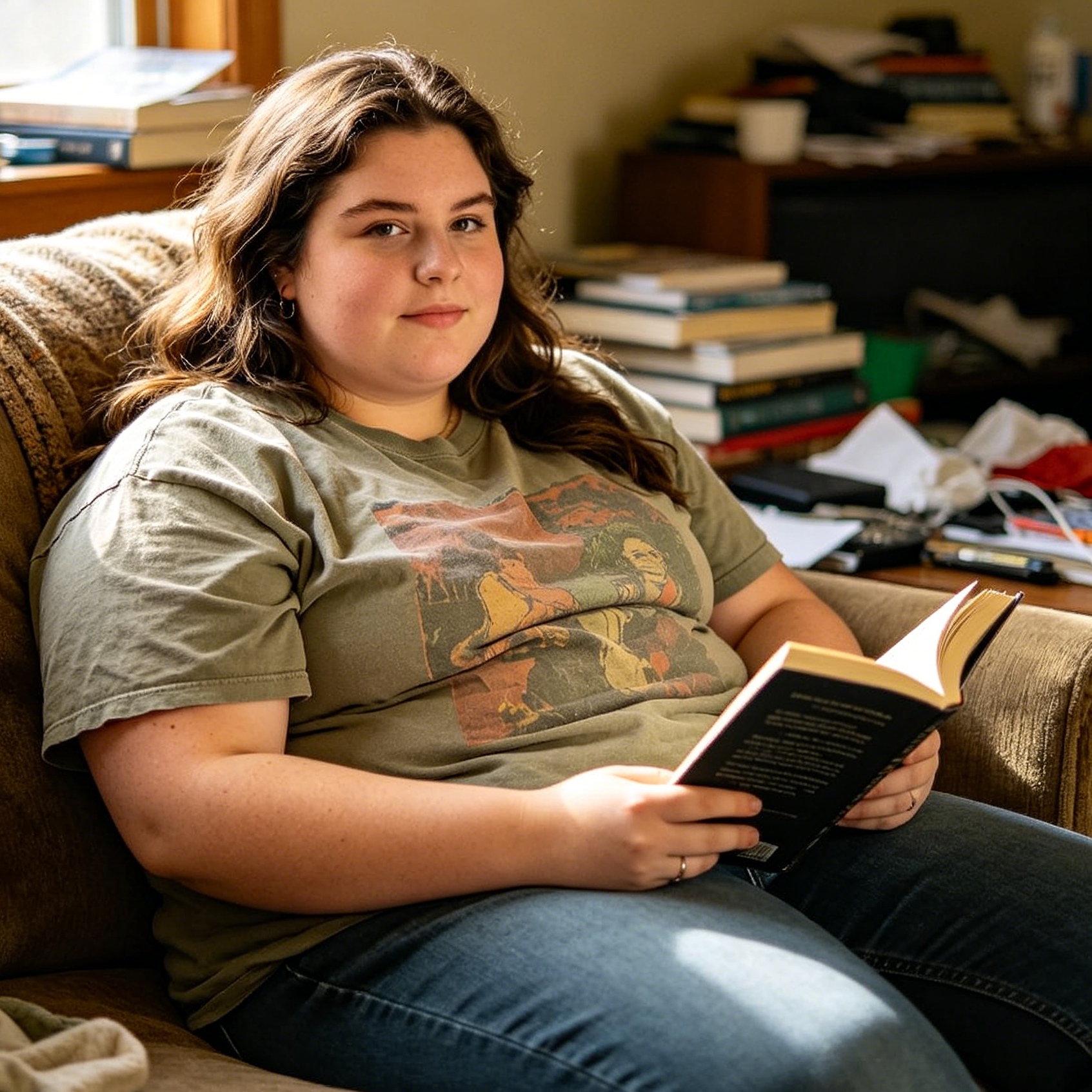
Pika Labs, widely recognized in the creative industry as Pika, has established itself as a cornerstone of the generative artificial intelligence movement. Since its inception, the platform has pivoted the complex, often gatekept world of professional video production into a streamlined "idea-to-video" workflow. Unlike traditional non-linear editors that require years of technical mastery, the Pika Labs AI video generator empowers users to synthesize high-definition cinematic clips using nothing more than natural language or static imagery.
As the generative landscape shifts from static pixels to temporal consistency, Pika has remained at the forefront by prioritizing two critical elements: user control and physical realism. The release of Pika 2.5 and its subsequent updates marks a significant milestone in how creators approach short-form content, social media marketing, and visual storytelling.
Core Capabilities of the Pika Video Ecosystem
At its heart, the Pika Labs AI video generator operates across three fundamental input methods, each designed to cater to different stages of the creative process.
Text-to-Video Synthesis
The text-to-video engine is the entry point for most creators. By entering a descriptive prompt—such as "a bioluminescent jellyfish floating through a futuristic neon city, 4k, cinematic lighting"—users can generate 5 to 10-second clips that previously would have required a full VFX team. The strength of Pika lies in its prompt adherence. The model doesn't just identify keywords; it interprets the mood, lighting, and atmospheric composition requested by the user.
Image-to-Video Animation
This feature serves as a bridge between static art and dynamic storytelling. By uploading a high-quality photograph, digital painting, or even a brand logo, the AI analyzes the depth and texture of the image to apply realistic motion. In professional workflows, this is frequently used to "bring to life" concept art or to create atmospheric backgrounds for presentations. The motion is not merely a filter; the AI understands the 3D space within the 2D image, allowing for parallax effects and natural swaying.
Video-to-Video Transformation
Video-to-video (or "Style Transfer") is perhaps the most advanced tool in the suite. It allows users to upload existing footage and transform its aesthetic entirely. For instance, a video of a person walking down a street can be re-rendered as an anime character in a post-apocalyptic setting. The system maintains the underlying motion data while completely replacing the textures and lighting, offering a powerful shortcut for rotoscoping and stylized animation.
What Are the Key Features of Pika 2.5?
The transition to Pika 2.5 represented a major technological leap for Pika Labs. While earlier versions were praised for their artistic flair, Pika 2.5 focused on the "physics of video"—ensuring that objects move, collide, and react in ways that align with human expectations of reality.
Enhanced Physical Realism
One of the primary challenges in AI video has been "hallucinations" or "morphing," where objects lose their shape during movement. Pika 2.5 introduced a refined physics engine that significantly reduces these artifacts. In a test involving a car turning a corner, the model now maintains the structural integrity of the vehicle's chassis while accurately reflecting light off its metallic surfaces.
Superior Visual Clarity and 1080p Support
Resolution is a non-negotiable factor for professional creators. Pika 2.5 supports high-definition 1080p output, ensuring that clips are sharp enough for YouTube Shorts, TikTok, and even commercial advertisements. The "brain" behind the generation produces cleaner frames with less noise in the shadows, a common issue in earlier generative models.
Smarter Prompt Adherence
The model's ability to follow complex, multi-layered instructions has improved. Creators can now specify foreground and background actions with higher precision. For example, a prompt like "a kitten sleeping in the foreground while a thunderstorm rages outside the window" results in a scene where the rain's movement is independent of the kitten’s breathing, demonstrating sophisticated spatial and temporal understanding.
Advanced Creative Tools and Effects
Beyond basic generation, Pika Labs offers a suite of specialized tools that provide "surgical" control over video content. These features move the platform away from being a "black box" and toward becoming a true creative partner.
Pikaformance: The Hyper-Real Lip-Sync Engine
Pikaformance is a specialized model designed for character-driven content. By uploading a portrait and an audio file (or typing text), users can generate videos where the character speaks, sings, or reacts with synchronized lip movements and facial expressions.
Unlike basic lip-sync tools that only move the mouth, Pikaformance analyzes the emotional tone of the audio. If the audio is aggressive, the AI adds micro-expressions like furrowed brows or squinted eyes. This is a game-changer for creators producing AI presenters, memes, or narrative-driven animated shorts.
Pikaffects: Defying the Laws of Physics
Pikaffects are a series of surreal, physics-bending transformations that have become a viral sensation on social media. These effects allow users to apply specific "actions" to objects within a video:
- Melt: Dissolving an object into a liquid state.
- Crush: Flattening a subject as if under immense pressure.
- Inflate: Making an object expand like a balloon.
- Explode: Breaking an object into a thousand realistic pieces.
These are not simple overlays; the AI recalculates the entire scene to ensure the lighting and shadows react to the transformation in real-time.
Modify Region and Canvas Expansion
The "Modify Region" tool allows for precise in-painting. If a generated video is perfect except for a character's clothing, a user can highlight the shirt and prompt the AI to change it to "a red leather jacket." The rest of the video remains untouched, preserving the consistency of the scene.
Similarly, the "Expand Canvas" feature acts as "Out-painting" for video. It allows users to change the aspect ratio—for instance, turning a vertical 9:16 video into a horizontal 16:9 cinematic frame—by having the AI imagine and generate the missing parts of the environment.
Pika Selves: Establishing Digital Identity
A recurring problem in AI video is the lack of character consistency. In a traditional workflow, the same character might look different in every generated clip. Pika Selves addresses this by allowing users to create a personalized AI "Self."
By training the model on a specific set of images, users can create a persistent digital avatar. This avatar can then be placed into any scene or action while maintaining its unique facial features and traits. For content creators who want to build a brand around a specific character or digital influencer, Pika Selves provides the necessary continuity to tell a long-form story across multiple video segments.
How to Master Camera Controls in Pika Labs
One of the most powerful but underutilized features of the Pika Labs AI video generator is the manual camera control system. Instead of hoping the AI picks a good angle, users can explicitly direct the "virtual cinematographer."
Directing the Camera via Prompts
Users can include specific camera commands within their text prompts or use the built-in slider controls:
- Pan: Move the camera horizontally (left or right) to reveal more of the landscape.
- Tilt: Move the camera vertically (up or down) to emphasize height or scale.
- Zoom: Create a sense of intimacy or tension by moving the "lens" closer to the subject.
- Roll: Rotate the camera for a disorienting, Dutch-angle effect, often used in horror or high-action sequences.
Adjusting Motion Intensity
Pika allows users to set a "Motion Score" (typically ranging from 1 to 4). A lower score (1-2) is ideal for subtle scenes, such as a person drinking coffee or a slow-moving river. A higher score (4) is necessary for high-octane sequences like car chases, explosions, or fast-paced dancing. Understanding this balance is key to preventing the AI from creating too much "noise" in the video.
Strategic Use Cases for AI Video Generation
The versatility of Pika Labs makes it applicable across various professional domains, each leveraging different aspects of the technology.
Social Media Marketing and Viral Content
For platforms like TikTok and Instagram Reels, the speed of production is paramount. Marketers use Pika to test multiple ad creatives in a single afternoon. By utilizing Pikaffects, brands can create "scroll-stopping" visuals that defy logic, capturing user attention within the first three seconds of a feed.
Prototyping and Concept Visualization
Filmmakers and game designers use Pika as a sophisticated "storyboarding" tool. Instead of showing investors static sketches, they can present a "mood reel" of generated clips that represent the final look and feel of a project. This significantly lowers the barrier to greenlighting expensive productions.
Educational and Explainer Videos
By combining Pikaformance with text-to-video, educators can create engaging avatars that explain complex topics. An AI-generated historical figure "speaking" their own biography makes for a far more immersive learning experience than a standard slideshow.
Frequently Asked Questions about Pika Labs
Is Pika Labs AI video generator free to use? Pika operates on a credit-based system. New users typically receive a set of free credits to experiment with the platform. For higher resolution (1080p), longer videos, and advanced features like Pika Pro or Pika Turbo, a paid subscription is required.
How long are the videos generated by Pika? Standard generations are usually around 3 to 5 seconds. However, with the latest updates in Pika 2.2 and 2.5, users can extend videos up to 10 seconds or use the "Extend" feature to add more duration to an existing clip.
Does Pika support sound and music? Yes. Pika has integrated sound effects generation. Users can describe the sounds they want (e.g., "birds chirping in a forest") and the AI will synthesize an audio track that aligns with the visual motion. Additionally, Pikaformance allows for the integration of speech and music for lip-syncing.
Can I use Pika on my mobile phone? Pika is accessible via a web browser (pika.art) and has dedicated mobile applications for iOS and Android, ensuring that creators can generate content on the go.
How does Pika compare to other AI video generators? Pika is often praised for its "artistic" quality and unique physics-based effects (Pikaffects). While competitors might focus on longer-duration raw video, Pika excels in "creative control," offering more specific tools for editing regions, swapping objects, and maintaining character consistency through Pika Selves.
Summary
The Pika Labs AI video generator has transitioned from a Discord-based experimental tool into a robust, professional-grade platform for digital expression. By focusing on the intersection of intuitive controls and sophisticated physics, Pika 2.5 has set a new benchmark for what is possible in generative motion. Whether it is through the surreal transformations of Pikaffects, the emotional nuance of Pikaformance, or the reliable consistency of Pika Selves, the platform continues to lower the barrier for creators worldwide, proving that the future of video production is limited only by the boundaries of the human imagination.