Home
Home
Top Text to Image AI Tools Redefining Digital Creation in 2026
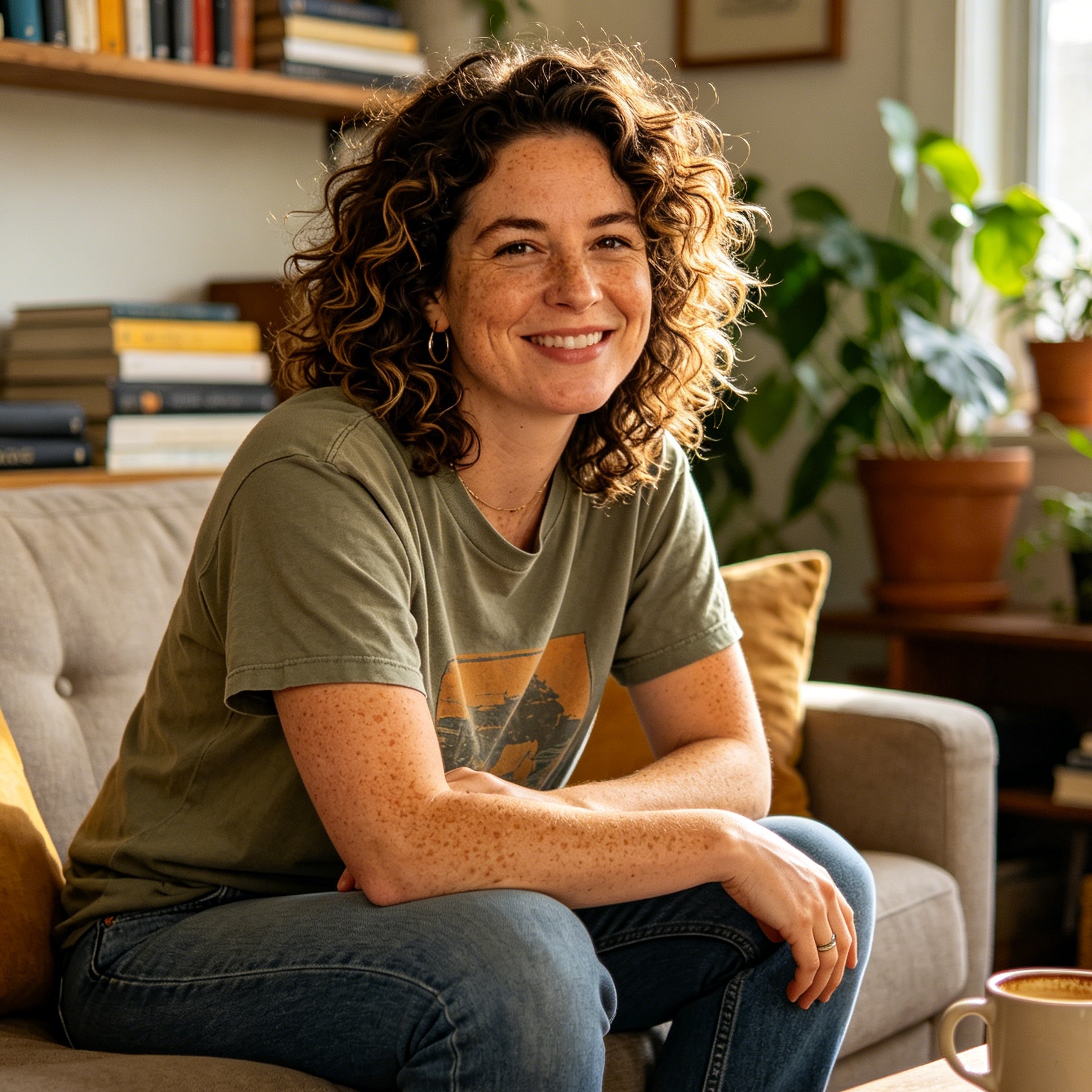
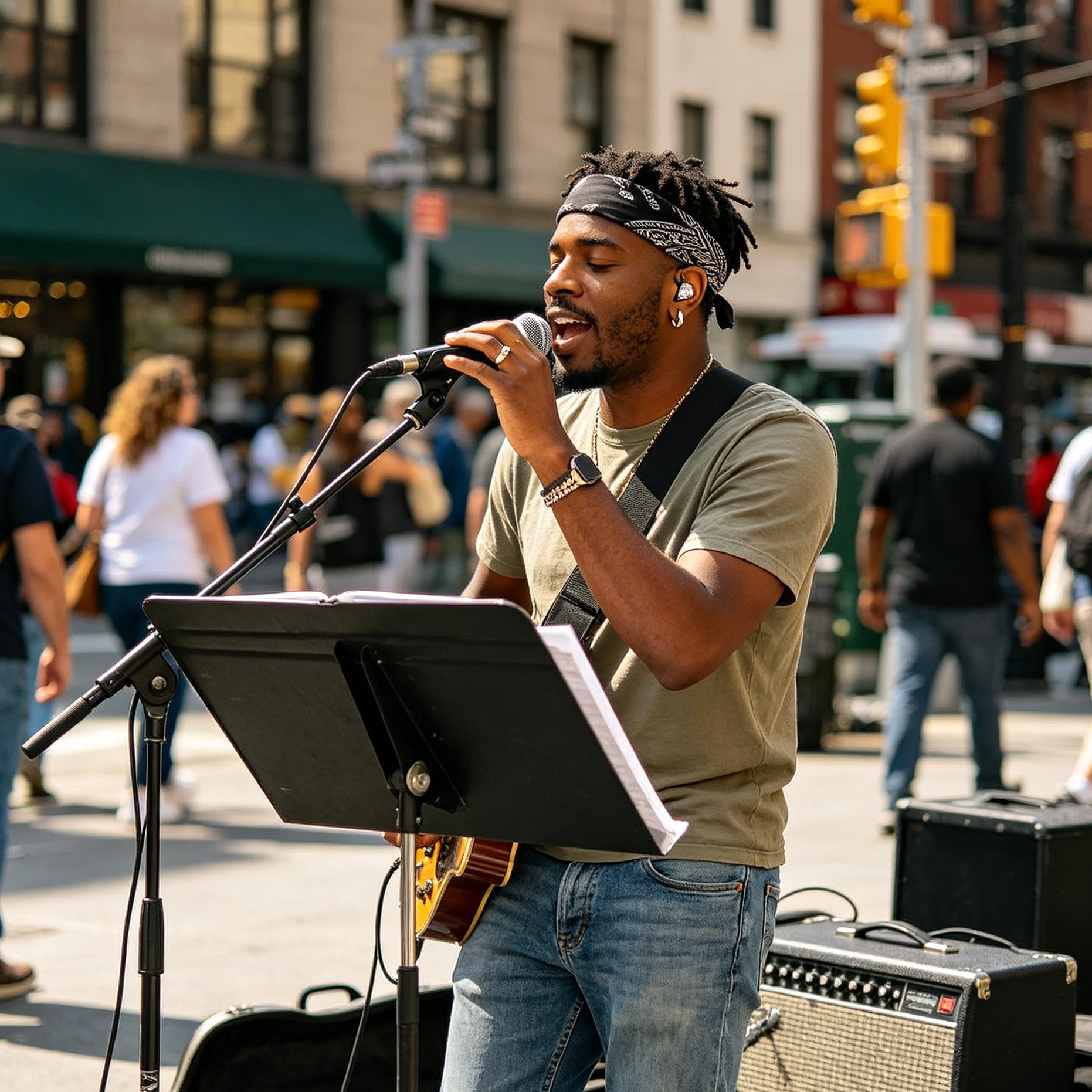
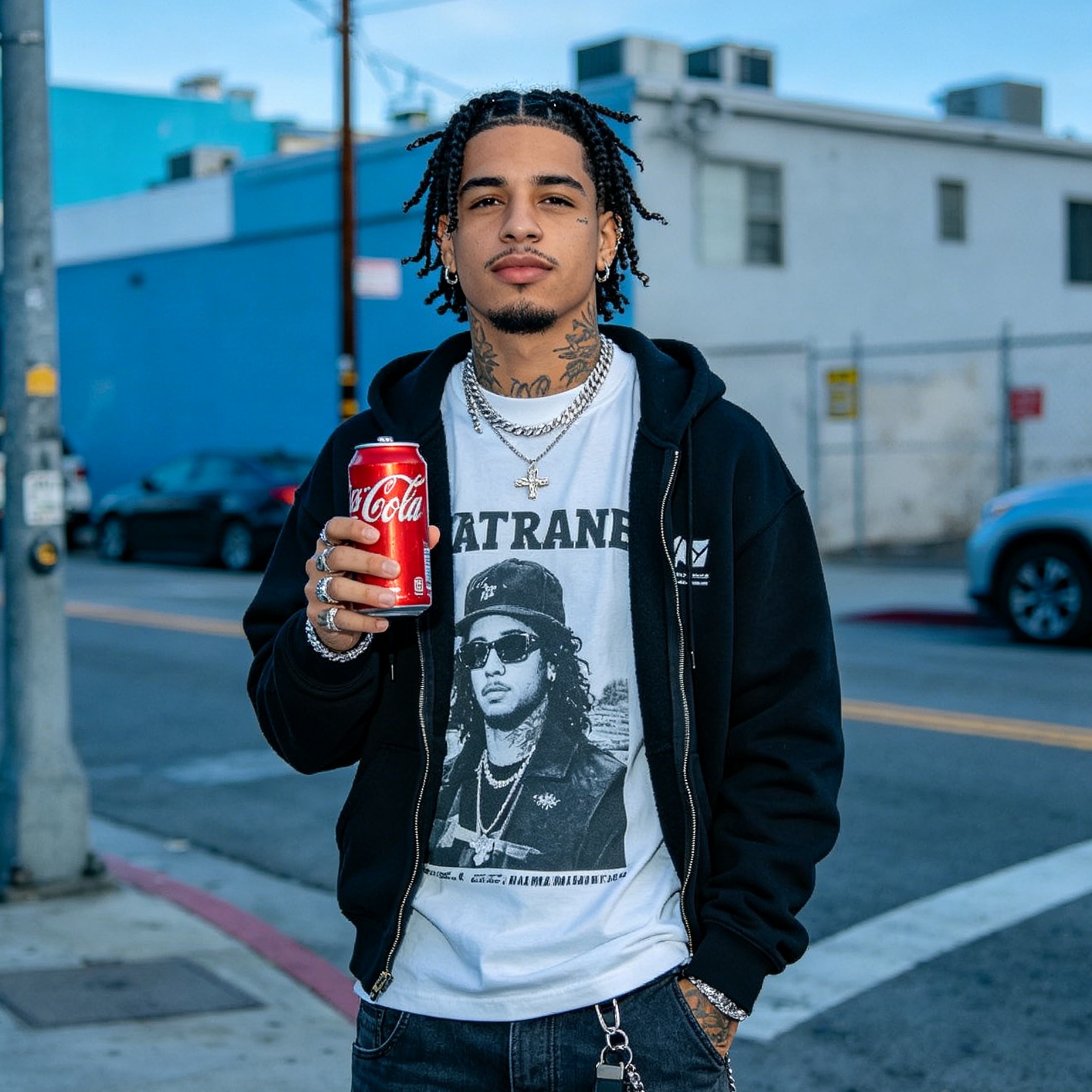
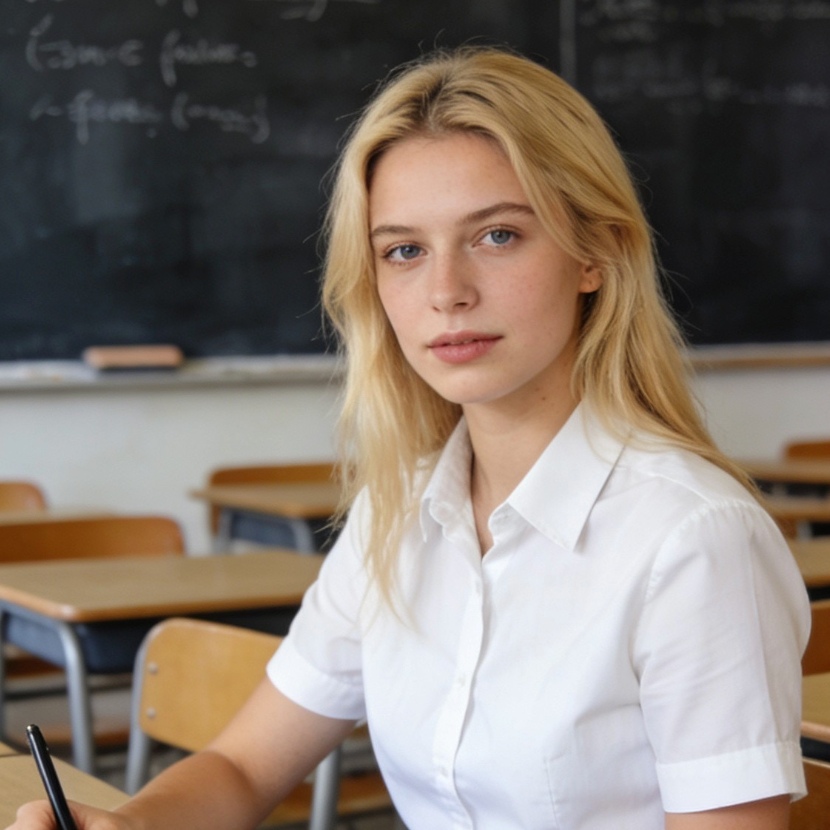
The landscape of generative artificial intelligence has shifted from a novel curiosity to a mission-critical component of the professional creative stack. As of mid-2026, finding the best text to image AI is no longer about identifying which model creates the most "surreal" art, but rather which one offers the highest prompt fidelity, character consistency, and commercial viability. The market is now defined by hyper-specialization, where the leading tools excel in distinct domains—from photorealistic rendering to precise typographic integration.
Quick Overview of Leading AI Image Generators
For those seeking an immediate recommendation, the following table categorizes the top-performing models based on real-world testing and industry adoption.
| Model Category | Recommended Tool | Key Strength |
|---|---|---|
| Overall Versatility | Google Gemini (Nano Banana) | Exceptional photorealism and character consistency. |
| Artistic Excellence | Midjourney v7 | Superior aesthetic bias and cinematic lighting. |
| Professional Workflow | Adobe Firefly | Deep Photoshop integration and 100% commercial safety. |
| Typographic Precision | Ideogram | Best-in-class rendering of legible, complex text. |
| Speed and Realism | FLUX | Extreme rendering speed with focus on human textures. |
| Graphic & Vector Design | Recraft | Tailored for UI/UX and scalable vector graphics. |
Why Google Gemini Nano Banana is Currently the Most Versatile Choice
In the current 2026 ecosystem, Google’s latest iteration, often referred to within technical circles as the Nano Banana architecture, has emerged as the most balanced tool for general-purpose high-end creation. What sets this model apart is its integration of the Gemini 3.0 Pro backbone, which allows it to understand complex, multi-layered instructions that previously confused latent diffusion models.
Unmatched Character and Object Consistency
One of the persistent "holy grails" of AI image generation has been maintaining the same character across different scenes. In our testing, Nano Banana demonstrates a significant leap in this area. When generating a series of storyboard frames, the model retains specific facial features, clothing textures, and even minor scars or accessories across various lighting conditions and angles without requiring extensive "Seed" manipulation. This makes it an indispensable tool for comic book artists and filmmakers during the pre-visualization phase.
Multilingual Typography and Layout Knowledge
Unlike older models that struggled with any text beyond a few English words, Nano Banana leverages Google's vast linguistic database. It can render accurate text in over 40 languages, including complex scripts like Devanagari or Arabic, directly into the image. For global marketing teams, this eliminates the need for manual post-editing in tools like Illustrator for simple localized social media assets.
Midjourney and the Pursuit of the Cinematic Aesthetic
Midjourney remains the preferred choice for those who prioritize "vibes" and artistic flair over clinical realism. With the release of version 7, the platform has further refined its aesthetic engine to reduce the "AI-generated look" that characterized earlier versions.
The Power of the Aesthetic Bias
Midjourney is inherently opinionated. When a user provides a short, vague prompt like "a quiet street at night," Midjourney doesn't just generate a street; it applies professional-grade color grading, atmospheric fog, and sophisticated light-leaks. For concept artists, this "baked-in" creativity is a feature, not a bug. It provides a starting point that feels like a finished piece of art rather than a raw render.
Discord vs. Web Interface
While the Discord interface remains a staple for the community, the Midjourney web platform has matured significantly in 2026. It now offers advanced "In-painting" and "Pan" features that allow for more granular control over the canvas. However, the community aspect of Discord continues to be a massive source of prompt inspiration, where creators can see the "Recipe" behind the most breathtaking visuals in real-time.
Adobe Firefly and the Commercial Safety Standard
For enterprise-level organizations, the "best" AI is often the one that carries the least legal risk. Adobe Firefly has carved out a dominant position in the corporate world by training its models exclusively on Adobe Stock images, openly licensed content, and public domain content where the copyright has expired.
Generative Fill in Professional Workflows
The true power of Firefly isn't found in its standalone web app, but inside Adobe Photoshop. The "Generative Fill" and "Generative Expand" features have become standard industry practice for retouching. Instead of spending hours healing a background or cloning out distractions, designers can simply circle an area and describe the desired change. In 2026, the resolution of these fills has reached 4K, matching the quality of high-end digital photography.
Brand-Specific Model Tuning
A major update in 2026 allows enterprises to "fine-tune" Firefly on their own brand assets. By uploading a small dataset of approved brand imagery, companies can ensure that the AI generates content that strictly adheres to their specific color palettes, lighting styles, and subject matter guidelines.
Ideogram and the Mastery of Text-in-Image
If the query is specifically about which AI can handle logos, book covers, or signage, Ideogram is the undisputed leader. While other models have improved their text rendering, Ideogram specializes in the spatial relationship between typography and imagery.
How Ideogram Solves the Typography Problem
Typography in AI isn't just about spelling words correctly; it's about font choice, kerning, and how the text interacts with the 3D space. Ideogram’s 2026 model understands that a neon sign should cast a colored glow on the brick wall behind it, and that a text-heavy poster needs a balanced hierarchy. For social media managers who need to produce high-volume "quote cards" or event flyers, Ideogram reduces the production time from hours to seconds.
What makes an AI image generator good in 2026?
As users evaluate these tools, it is important to look beyond the initial "wow" factor. A high-value AI tool must be judged on five technical and functional dimensions:
- Prompt Adherence (Instruction Following): Does the model include every element mentioned in the prompt, or does it ignore complex details?
- Output Resolution and Upscaling: Is the native output high enough for print (300 DPI) or large-scale digital displays?
- Speed and Latency: Can the model generate a preview in under 5 seconds? This is crucial for creative brainstorming.
- Editability (Post-Generation Control): Does the tool allow for "In-painting" (editing a part of the image) or "Out-painting" (expanding the canvas)?
- Technical Requirements: Does the tool require a high-end GPU (like Stable Diffusion), or is it cloud-based and accessible via a standard browser?
How to choose the best text to image AI for your specific role?
Not every tool is right for every user. Selection should be driven by the intended output and the user's technical proficiency.
For Marketing and Social Media Managers
The priority here is speed and "sharability." Tools like Canva’s Magic Studio or HubSpot’s AI Image Generator are often the best choice because they reside within the platforms where the content is already being created. These tools are optimized for creating clean, professional-looking images that fit standard social media aspect ratios.
For Professional Illustrators and Fine Artists
The depth of control is paramount. Stable Diffusion (specifically the SDXL or the newer 2026 iterations) remains the gold standard for those who want to run models locally on their own hardware. With extensions like ControlNet, artists can dictate the exact pose of a character or the depth map of a landscape, providing a level of precision that cloud-based "black box" models cannot match.
For UI/UX Designers
Recraft has emerged as a specialized powerhouse. It doesn't just generate "images"; it generates design assets. It can produce icons in sets with a consistent style, and it offers the unique ability to export in vector formats (SVG), which are essential for web and app development where scalability is non-negotiable.
Mastering the Prompt: Advanced Techniques for 2026
To get the most out of the best text to image AI, one must move beyond simple descriptions. The 2026 generation of models responds best to "Structural Prompting."
The Three-Layer Prompting Strategy
- Layer 1: The Core Subject. Define the main object or person. Use specific descriptors (e.g., "a 1920s jazz musician" instead of "a man with a saxophone").
- Layer 2: The Environment and Lighting. Describe the time of day, weather, and light source (e.g., "Golden hour, soft backlighting, dust particles visible in the air").
- Layer 3: The Technical Parameters. Specify the camera lens, film stock, or artistic style (e.g., "Shot on 35mm film, f/1.8 aperture, shallow depth of field, grainy texture").
Using Negative Prompts
In models like Stable Diffusion and FLUX, negative prompting is essential for filtering out unwanted artifacts. Common negative prompts in 2026 include: "plastic skin, extra limbs, fused fingers, watermark, low resolution, blurry background."
Technical Comparison: Cloud-Based vs. Local Models
A major decision factor is where the computation happens.
Cloud-Based Pros and Cons (Gemini, Midjourney, Firefly)
- Pros: Requires no expensive hardware; accessible on mobile; models are updated constantly by the developers.
- Cons: Monthly subscription fees; potential privacy concerns (your prompts and images are on their servers); dependence on an internet connection.
Local Model Pros and Cons (Stable Diffusion, FLUX Dev)
- Pros: Total privacy; no per-image costs after the initial hardware investment; ability to use "NSFW" filters or uncensored models for specific creative needs.
- Cons: Requires a high-end NVIDIA GPU (ideally with 24GB+ VRAM); steep learning curve for installation and optimization.
Overcoming Common AI Image Challenges
Even the best text to image AI tools face persistent hurdles. Understanding these helps in managing expectations and refining outputs.
The Problem of "AI Hands"
While significantly improved in 2026, hands with the wrong number of fingers still occur. The best way to mitigate this is to use "In-painting" tools. Generate the perfect image first, then use a dedicated hand-fixer tool or a specific "In-paint" prompt on just the hand area to cycle through variations until it looks natural.
Maintaining Spatial Logic
Sometimes an AI will place an object in a way that defies physics—like a glass of water floating slightly above a table. Using models with "Depth-Awareness" or "ControlNet" allows the user to provide a rough sketch or a 3D depth map to guide the AI’s understanding of the scene’s geometry.
Ethical Considerations and Commercial Usage in 2026
As of 2026, the legal framework surrounding AI imagery has become clearer.
Copyright and Ownership
In many jurisdictions, AI-generated images without significant human intervention cannot be copyrighted. This is why professional workflows often involve "Hybrid Creation"—using AI to generate the base and then spending several hours in Photoshop or Procreate to add human-authored elements.
Deepfakes and Misinformation
The best AI tools now have "invisible watermarking" (like SynthID) embedded into the pixels. This helps platforms like Google, Meta, and X (Twitter) automatically label AI-generated content to prevent the spread of photorealistic misinformation.
Summary of the Best Text to Image AI Tools
Choosing the right tool depends on your specific goals:
- Google Gemini (Nano Banana): The top choice for high-fidelity, versatile, and consistent image generation for general users and developers.
- Midjourney: The undisputed leader for artistic, cinematic, and high-concept visuals.
- Adobe Firefly: The mandatory choice for corporate designers requiring commercial safety and Photoshop integration.
- Ideogram: The specialized tool for any project involving complex typography and graphic layout.
- Stable Diffusion: The go-to for power users who need local control and infinite customization.
Frequently Asked Questions (FAQ)
What is the best free text to image AI?
As of 2026, many platforms offer limited free tiers. Microsoft Designer (powered by DALL-E) and the basic version of Google Gemini offer high-quality results for free. Additionally, Stable Diffusion is free to use if you have the hardware to run it.
Can AI-generated images be used for commercial projects?
Yes, but it depends on the tool’s Terms of Service. Adobe Firefly and Shutterstock AI are specifically designed for commercial use. Other tools like Midjourney require a paid subscription for commercial rights. Always check the specific license of the tool you are using.
How do I get the most realistic results from an AI?
Focus on technical photography terms in your prompts. Mentioning specific cameras (e.g., "Sony A7R IV"), lenses ("85mm f/1.2"), and lighting setups ("rembrandt lighting") will guide the model toward a more photorealistic output.
Is AI replacing human photographers and artists?
Rather than replacing them, AI is becoming a new medium. Professional photographers are using AI to generate backgrounds for product shots, while concept artists use it to speed up the "sketching" phase. The most successful creators in 2026 are those who combine traditional skills with AI efficiency.
Which AI is best for generating human faces?
FLUX and Google Gemini (Nano Banana) currently lead the market in rendering realistic skin textures, including pores, fine hairs, and natural eye reflections, which were often "too smooth" in earlier AI models.
-
Topic: How I tested 9 of the best AI image generators [Review, Prompts, Results]https://blog.hubspot.com/marketing/best-ai-image-generator
-
Topic: 10+ Best AI Text-to-Image Generators in 2026https://www.zenifiq.com/blog/best-ai-text-to-image-generators
-
Topic: The Best 1298 Text to Image AI Tools - Toolifyhttps://www.toolify.ai/category/text-to-image