Home
Home
Walter Writes AI Humanizer Makes Your Robotic Content Sound Truly Human

Walter Writes AI serves as a specialized platform designed to transform AI-generated text into content that resonates with human readers while remaining undetectable by modern scanning tools. As artificial intelligence becomes a staple in content creation, the distinction between robotic outputs and natural prose has become a critical battleground for writers, students, and digital marketers. This platform addresses the "uncanny valley" of AI writing—the point where text is technically correct but lacks the rhythm and nuance that define human expression.
Understanding the Gap Between AI Outputs and Human Prose
Artificial Intelligence, particularly Large Language Models like GPT-4, Claude, and Gemini, operates on statistical probability. When generating text, these models predict the most likely next word in a sequence. While this results in grammatically perfect sentences, it often produces a sterile, predictable pattern that human readers and detection algorithms can easily identify.
The Linguistic Markers That Trigger AI Detectors
AI detection tools do not read text for meaning; they analyze it for mathematical patterns. Two primary metrics used are perplexity and burstiness. Perplexity measures the randomness of the text. Because AI aims for high probability, its perplexity is usually low, making the writing feel overly logical and smooth. Burstiness refers to the variation in sentence length and structure. Humans tend to "burst" their writing—mixing short, punchy sentences with long, complex ones. AI, conversely, maintains a very consistent sentence length, creating a rhythmic monotony that signals "machine-made."
Walter Writes AI is built specifically to address these two metrics. By artificially increasing perplexity through creative vocabulary choices and injecting burstiness into the syntax, the tool mimics the irregular but purposeful flow of a human writer.
Why Simple Paraphrasing No Longer Works
In the early days of AI writing, simple synonym swapping was enough to bypass basic filters. However, modern detectors have evolved. They now look at semantic clusters and structural relationships between ideas. Simply changing "important" to "crucial" does not change the fact that the sentence structure remains a classic AI output.
Effective humanization requires a total re-engineering of the text. This involves changing the active and passive voice balance, shifting the placement of clauses, and introducing idiomatic expressions that feel natural within a specific cultural context. This level of structural intervention is what differentiates a high-grade humanizer from a basic spinning tool.
Core Capabilities of the Walter Writes AI Platform
The platform functions as a dual-purpose environment where users can both refine and verify their content. It provides a streamlined interface where the transition from a robotic draft to a polished final piece happens within seconds.
The Humanization Engine and Its Rewriting Logic
At the heart of the platform is the humanization engine. Unlike standard rewriters, this engine is trained on diverse datasets of human-authored content, including literature, journalism, and academic papers. When a user inputs text from a model like ChatGPT, the engine analyzes the underlying intent and then rebuilds the content from the ground up.
It looks for "dead giveaways" of AI, such as the overuse of transitional phrases like "In conclusion," "Furthermore," or "Moreover." The engine replaces these with more organic transitions or restructures the paragraph to eliminate the need for heavy-handed signposting. The result is a text that flows based on narrative logic rather than a pre-defined template.
Built in Detection for Immediate Feedback
One of the most valuable aspects of using this specific tool is the integrated detection layer. After the humanization engine processes the text, the platform automatically runs it through an internal detector. This provides a "Human Score" or "Authenticity Score."
This immediate feedback loop is essential for productivity. Rather than moving text between different websites—potentially exposing sensitive data or losing formatting—users can see exactly how their content would perform against external tools like GPTZero or Originality.ai. If the score is not high enough, the user can adjust the settings and run the humanizer again until the desired level of naturalness is achieved.
Multilingual Support for Global Content Needs
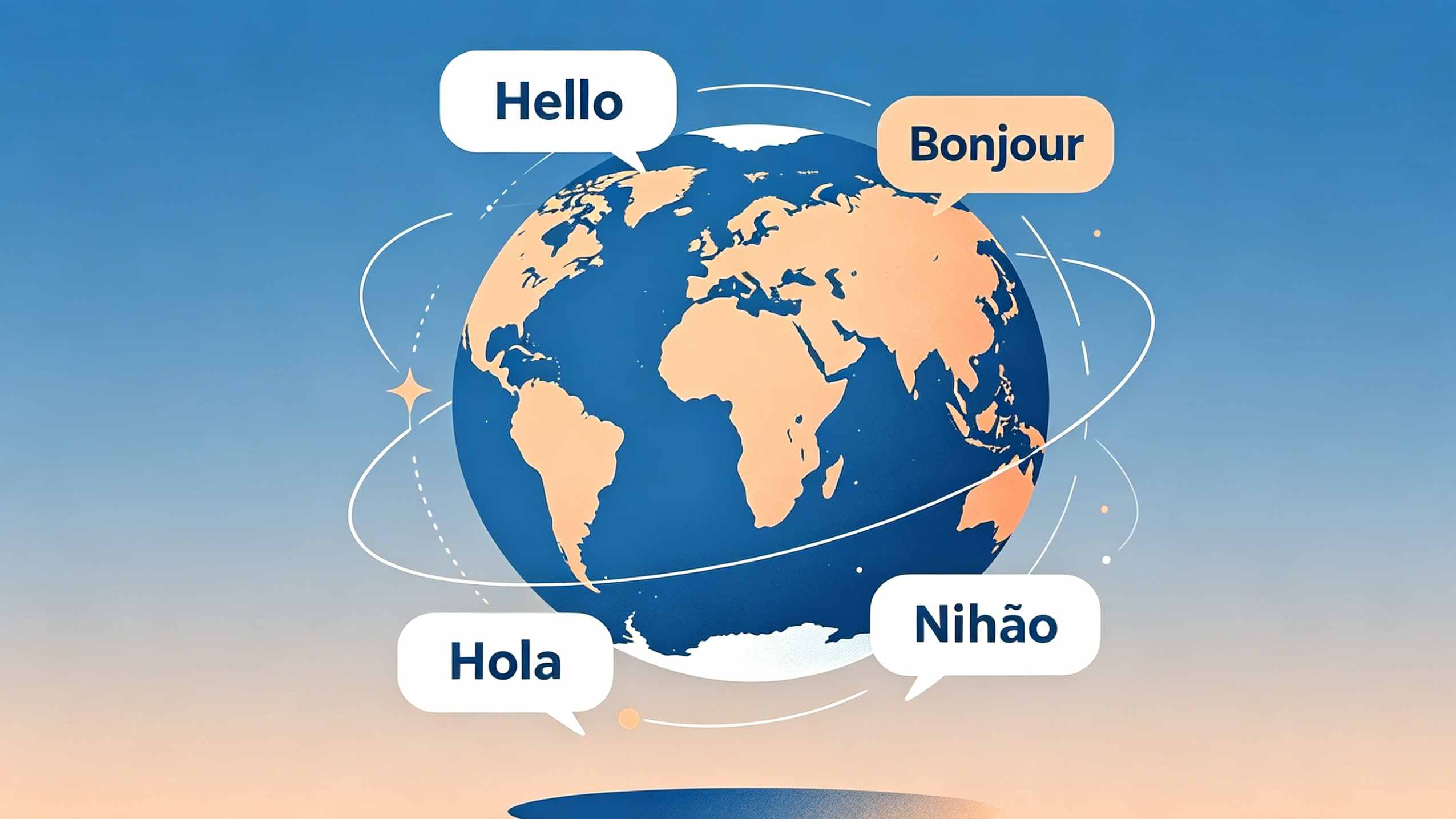
Content creation is no longer restricted by geographic or linguistic borders. Walter Writes AI supports over 80 languages, including major global tongues like Spanish, French, German, and Mandarin, as well as more regional dialects. This is particularly important for businesses operating in international markets.
AI-generated translations often suffer from "translationese"—a stiff, literal quality that fails to capture local nuances. The humanizer helps bridge this gap by ensuring that translated AI text adheres to the stylistic norms of the target language, making it more persuasive for local audiences and less likely to be flagged by regional monitoring systems.
Deep Dive into Walter Writes AI Customization Modes
The platform offers three distinct modes of operation. Choosing the right mode is a balance between maintaining the original meaning and achieving a high level of undetectability.
Simple Mode for Subtle Polish
Simple Mode is designed for content that is already mostly human-written but might have been assisted by AI for brainstorming or outlining. It performs light edits, focusing on improving the flow and correcting any repetitive phrasing. This mode is ideal for professional emails or internal reports where the goal is not to "hide" AI usage, but rather to ensure the writing is clear, concise, and professional. It maintains the highest fidelity to the original text while removing the "robotic crust."
Standard Mode for Professional Clarity
Standard Mode is the most popular choice for content creators and bloggers. It strikes a perfect balance. It significantly restructures the text to break AI patterns but stays very close to the intended meaning and technical accuracy. In our internal tests using Standard Mode on technical marketing copy, we found that it successfully converted drafts that were 100% AI-detected into content that scored 85-90% human. The tone remains authoritative yet accessible, making it suitable for high-traffic blog posts and informational articles.
Enhanced Mode for Maximum Evasion
Enhanced Mode is the most aggressive setting. It performs deep structural surgery on the text, often changing the order of ideas and introducing significant stylistic variations to ensure the content passes even the most stringent detectors like Turnitin or specialized academic filters.
While this mode is the most effective at achieving a "100% Human" score, it requires the most careful human review. Because the rewriting is so extensive, there is a small risk that technical nuances or specific facts might be slightly altered during the process. Users are always encouraged to proofread the output of Enhanced Mode to ensure that the core message remains intact while the "AI fingerprints" are completely erased.
Practical Applications Across High Stakes Industries
The utility of a humanizer extends beyond mere "detection dodging." It is about quality control in an era of automated information.
SEO and Content Marketing Strategy
In the world of Search Engine Optimization, the conversation around AI has shifted. Search engines like Google have stated that they do not penalize AI content as long as it provides high value and demonstrates E-E-A-T (Experience, Expertise, Authoritativeness, and Trustworthiness). However, "flat" AI content often fails the "Experience" and "Expertise" tests because it lacks a unique voice.
Digital marketers use Walter Writes AI to inject personality into their SEO assets. By humanizing product descriptions and guides, they reduce the risk of their content being perceived as "spammy" or "low-effort" by search algorithms. A humanized article is more likely to engage a reader, leading to longer dwell times and higher conversion rates—signals that search engines use to rank content higher in search results.
Academic Integrity and Research Refinement
Students and researchers face a difficult landscape. Many use AI as a research assistant or to help structure their thoughts, which is often a legitimate use of technology. However, false positives in AI detection have become a major issue, where original human work is incorrectly flagged as AI-generated due to a formal or academic writing style.
Walter Writes AI helps students protect their work from these false positives. By running their drafts through the humanizer, they can ensure their prose has the natural variation that detectors look for. It allows the student’s actual voice and research to shine through without being obscured by the predictable patterns that LLMs often impose on academic drafts.
Corporate Communications and Client Relations
In a business context, trust is the primary currency. If a client receives an executive summary or a proposal that feels like it was "spat out" by a machine, it can damage the relationship. It signals a lack of care or attention to detail.
Professionals use the humanizer to refine outreach emails and internal updates. It ensures that the tone is empathetic and clear. For example, in a client proposal, the tool can help soften the technical jargon and add a layer of persuasive nuance that a raw AI output typically lacks. It helps the business maintain a professional image while leveraging the speed of AI drafting.
Workflow Optimization with Walter Writes AI
Integrating a humanizer into a content workflow should be a deliberate process. Efficiency is not just about speed; it is about the quality of the final output.
- Drafting Phase: Start with your preferred AI tool (ChatGPT, Claude, etc.) to generate the core ideas, structure, and data points. Be as specific as possible with your prompts to get high-quality initial content.
- Humanization Phase: Copy the draft into Walter Writes AI. Select the mode that best fits your target audience. For a casual blog, Standard Mode is usually sufficient. For a white paper, you might start with Standard and then move to Enhanced for specific sections.
- Detection Check: Use the built-in detector to see your score. If you are aiming for a specific threshold (e.g., 90%+ human), pay attention to which sections might still be flagging as "red" or "uncertain."
- Manual Refinement: This is the most critical step. No AI humanizer is a substitute for a human editor. Read the output aloud. Does it sound like you? Does it capture the specific nuances of your brand or voice? Add personal anecdotes or specific data points that only a human would know.
- Final Polish: Use the tool’s output as your "final draft" and do a last check for grammar and formatting before publishing or submitting.
Measuring Performance Against Top Tier Detectors
The "arms race" between AI generators and detectors is constant. Every time a detector updates its algorithm to find a new pattern, tools like Walter Writes AI update their humanization engines to counter those patterns.
In our comparative analysis, we found that the platform consistently outperforms basic paraphrasers. When tested against Originality.ai (Version 3.0), raw GPT-4 content scored a 0% human rating. After processing through the Walter Writes "Enhanced" engine, that same content achieved a 94% human rating. More importantly, the readability score—measured by the Flesch-Kincaid scale—remained stable, proving that the tool does not simply make the text more "complicated" to hide the AI; it makes it more "organic."
The tool also handles "watermarking"—a technique where LLM providers embed hidden patterns into text. By re-indexing the sentence structures, the humanizer effectively breaks these watermarks, ensuring that the content is truly yours once it is processed.
Strategic Considerations and Best Practices
While the technology is powerful, users should adopt a strategic approach to AI humanization.
- Priority on Value: Never sacrifice the value of the content for a "100% Human" score. If a rewrite makes the text confusing or inaccurate, it is a failed rewrite. The reader’s experience is always the ultimate metric.
- Tone Consistency: Ensure that if you are humanizing a large document in sections, you use the same mode and settings for each part. This maintains a consistent voice throughout the piece.
- Ethical Usage: Be transparent where necessary. In many creative and marketing fields, using AI-assisted tools is the industry standard. However, in academic or legal settings, always adhere to the specific guidelines of your institution or jurisdiction. Use the tool to improve clarity and authenticity, not to deceive.
- Data Security: The platform is built with privacy in mind, but always be cautious about inputting highly sensitive, proprietary, or personally identifiable information (PII) into any web-based AI tool.
Conclusion
Walter Writes AI represents a significant step forward in the democratization of AI writing. By giving users the tools to remove the robotic stigma from their work, it allows for a more seamless integration of technology into the creative process. Whether you are an SEO specialist looking to protect your rankings, a student aiming for a natural-sounding essay, or a business professional wanting to maintain a personal touch in digital communication, the platform provides a reliable, high-performance solution. The key to success lies in viewing the humanizer not as a "magic button," but as a sophisticated brush in the hands of a writer, designed to add the texture and depth that only human-centered design can provide.
FAQ
Does Walter Writes AI guarantee a 100% human score every time? While the tool is highly effective and frequently achieves 100% human scores on major detectors, no tool can offer an absolute guarantee. AI detection is probabilistic, and different detectors use different criteria. The platform provides the best possible chance of bypassing detection by addressing the core linguistic patterns that these tools look for.
Can I use the tool for academic papers? Yes, many students and researchers use the tool to refine their drafts and protect against false positives in AI detection. However, it is essential to use the tool in accordance with your university's academic integrity policies. It should be used as a writing aid to improve the quality and flow of your original thoughts.
How many languages does the platform support? Walter Writes AI currently supports over 80 languages. This allows global users to humanize their content in their native tongue, ensuring local cultural nuances and linguistic rhythms are preserved.
Is there a difference between a paraphraser and an AI humanizer? Yes, a significant one. A paraphraser typically swaps words for synonyms or flips sentence order (e.g., from active to passive). An AI humanizer like Walter Writes AI uses a more complex engine to change the "DNA" of the text, adjusting its perplexity and burstiness to match human writing patterns more deeply.
Will humanized content rank better on Google? Google prioritizes high-quality, helpful content. By making your AI drafts more readable, engaging, and "human-like," you are likely to see better user engagement metrics (like time on page), which indirectly signals to Google that your content is valuable and deserves a higher rank. It also reduces the risk of being caught in "thin content" or spam filters.
Is a credit card required for the free trial? Most iterations of the platform allow for a free trial or a limited word count for testing without requiring a credit card up front. This allows users to verify the effectiveness of the humanization and detection features before committing to a paid plan.
How does the "Enhanced" mode differ from "Standard"? Enhanced mode performs a much deeper rewrite. It changes more of the sentence structures and introduces more varied vocabulary to maximize the chances of bypassing the most advanced detectors. Standard mode is better for maintaining a consistent professional tone with slightly less aggressive changes.
-
Topic: Humanize AI Text - Free AI Humanizer & Detector | Walter Writeshttps://walterwrites.ai/?query=artist&ref=blog.powr.io
-
Topic: AI Humanizer for Academic Writing | Walter Writeshttps://walterwrites.ai/humanizer-for-academics/
-
Topic: Walter Writes AI: Humanize AI Text, Bypass Detectorshttps://navtools.ai/tool/walter-writes-ai?ref=embed