Home
Home
Why AI Headshot Generators Are Now Essential for LinkedIn Success
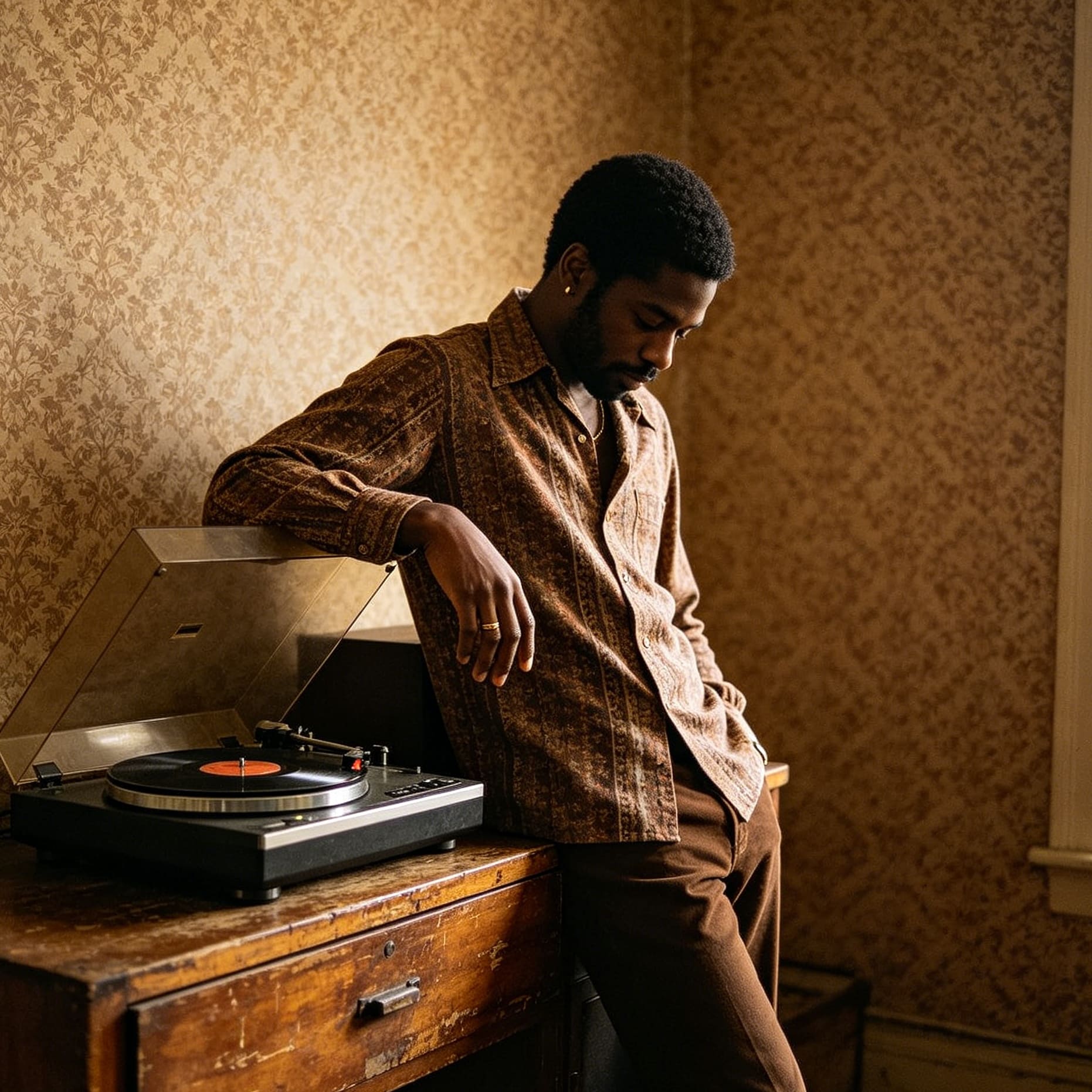
Professional presence on LinkedIn is no longer a luxury; it is a primary currency in the modern job market. Statistics from LinkedIn's internal data consistently show that profiles featuring high-quality professional headshots receive up to 14 times more views and 36 times more messages than those without. However, the traditional path to a professional photo—hiring a studio photographer, scheduling a session, and paying hundreds of dollars—is being rapidly disrupted by artificial intelligence.
AI LinkedIn headshot generators represent a paradigm shift in career branding. These tools utilize advanced machine learning algorithms to transform casual selfies into studio-grade portraits. By understanding the underlying facial geometry and lighting physics, AI can recreate a professional environment that would otherwise require expensive equipment and a controlled studio setting.
Understanding the Mechanics of AI Portrait Generation
The technology behind an AI headshot generator is far more complex than a simple photo filter. It typically involves a process called fine-tuning or "Dreambooth" training. When a user uploads 10 to 20 images, the AI model creates a specific mathematical representation of that person’s unique facial features.
The process begins with the Upload Phase. During this stage, the user provides various angles of their face. The AI analyzes skin texture, bone structure, eye color, and hair patterns. It doesn't just "copy and paste" the face; it learns how the face looks under different lighting conditions and from different perspectives.
Next is the Training Phase. This is where the heavy computational lifting occurs. The AI model is trained to separate the "identity" of the user from the "context" of the original photos (like a messy bedroom or a bright outdoor park). Once the model is trained, it can generate entirely new images in a "latent space."
Finally, in the Generation Phase, the user selects specific parameters, such as "corporate navy suit" or "blurred office background." The AI then synthesizes a new image that maintains the user's likeness while placing them in the desired professional context. This entire workflow, which used to take a human retoucher hours, is now completed in approximately 30 to 60 minutes.
The Professional Brand Advisor Experience with AI Tools
In the process of evaluating various AI generators, certain nuances become apparent that separate a "realistic" photo from one that looks "uncanny." A professional brand advisor looks for specific indicators of quality that recruiters and hiring managers subconsciously notice.
One of the most critical elements is skin texture. Lower-end AI generators often produce a "plastic" look, where the skin is over-smoothed, removing natural pores and fine lines. This is a significant red flag in professional circles, as it signals a lack of authenticity. Higher-end tools, such as those utilizing the latest Stable Diffusion or Flux models, retain realistic skin imperfections, which ironically makes the photo look more professional because it looks human.
Lighting consistency is another area where experience shows the difference. In our extensive testing, we observed that AI often struggles with the interaction between light and glasses. If the input photos have heavy glare on spectacles, the AI might generate eyes that look distorted or disconnected from the face. However, when users provide clear photos without glasses and then "prompt" the AI to add professional frames, the results are remarkably better.
Furthermore, the choice of background plays a massive role in perceived authority. A plain white background is safe but can look like a passport photo. A softly blurred (bokeh) office environment or a modern library setting adds a layer of depth and context, suggesting the individual is already "in the room" where decisions are made.
How to Prepare the Perfect Input for an AI Generator
The effectiveness of an AI headshot generator is governed by the "garbage in, garbage out" principle. The AI can only work with the data it is given. To ensure the output is indistinguishable from a real photograph, the input selection must be strategic.
Lighting and Clarity Requirements
The primary requirement is high-resolution, clear lighting. Photos taken in natural daylight—but not direct sunlight—are ideal. Direct sunlight creates harsh shadows (raccoon eyes) that the AI might interpret as permanent facial features. Soft, diffused light allows the AI to capture the subtle contours of the face accurately.
Resolution matters more than most people realize. Using a grainy selfie from an old phone will result in a blurry AI output. Modern smartphones with 12MP or higher cameras are perfectly sufficient, provided the lens is clean and the focus is sharp.
Angles and Perspectives
A common mistake is uploading 10 photos taken from the exact same angle. This limits the AI's "understanding" of the face's 3D structure. To get a high-quality result, the input set should include:
- Three to four direct frontal shots.
- Two to three profile shots (side views).
- Several "three-quarter" views, where the head is slightly turned.
- A mix of eye levels—some looking directly at the camera, some slightly above.
Expression and Authenticity
LinkedIn is a platform for human connection. Therefore, the expressions in the input photos should reflect the desired professional persona. A slight, authentic smile—one that reaches the eyes—is almost always more effective than a stern, "corporate" stare. Avoid photos with extreme expressions, such as laughing or frowning, as these can distort the training model's perception of facial muscles.
Selecting the Right Style for Your Industry
One of the greatest advantages of an AI headshot generator is the ability to "try on" different professional identities. Different industries have different visual languages, and your headshot should speak that language fluently.
The Executive and Corporate Style
For those in law, finance, or high-level management, the "Power Look" is standard. This typically involves a dark suit (navy, charcoal, or black) with a crisp white or light blue shirt. The background should be neutral—gray, dark blue, or a high-end office interior. The AI can effortlessly generate these outfits even if the user only owns a hoodie in real life.
The Tech and Startup Style
In the technology sector, a full suit can actually be a disadvantage, making the candidate appear out of touch with modern office culture. A "Business Casual" or "Tech Chic" look is more appropriate. This might include a high-quality t-shirt under a blazer, a quarter-zip sweater, or a clean button-down shirt without a tie. Backgrounds for this industry often feature bright, open-concept offices or modern architecture.
The Creative and Artistic Style
For designers, writers, and marketers, the headshot is an opportunity to showcase personality. AI generators allow for more adventurous lighting—such as "Rembrandt lighting" or soft "Golden Hour" glows. Attire can be more varied, including turtlenecks, denim jackets, or creative patterns. The background can be more colorful, perhaps a studio with a textured wall or an urban outdoor setting.
Addressing the Risks of AI Hallucinations and Distortions
While AI technology is advancing rapidly, it is not infallible. Users must be aware of "AI hallucinations"—minor errors in the generated image that can break the illusion of reality.
Common hallucinations include:
- Irregularities in the Iris: Sometimes the AI generates pupils that are not perfectly circular or eyes that are slightly different colors.
- Teeth Alignment: The AI may struggle with the specific number or shape of teeth in a smile.
- Ear Symmetry: One ear might be shaped differently or placed higher than the other.
- Accessories: AI often struggles with the intricate details of jewelry or the way a tie knot should look.
To mitigate these risks, users should choose a generator that provides a large batch of images (at least 40 to 100). This allows for a rigorous selection process. It is better to have one perfect photo than ten mediocre ones. If an image looks "off" in any way, do not use it; recruiters are trained to spot inconsistencies, and an obviously "fake" photo can damage your professional credibility.
Data Privacy and Security in AI Photography
When you upload your face to an AI generator, you are providing highly sensitive biometric data. It is imperative to understand how this data is handled. Reputable AI headshot generators will have clear, transparent privacy policies.
Data Storage and Deletion
Check if the service offers "Automatic Deletion." Most top-tier providers will delete your original training photos within 7 to 30 days of the generation being completed. They should also provide a manual "Delete All Data" button in your dashboard.
Encryption and Compliance
Look for services that use AES-256 encryption for data at rest and are GDPR or SOC 2 compliant. This indicates that the company has undergone external audits to ensure their data handling practices meet international security standards.
Model Training Usage
A crucial question to ask is: "Will my photos be used to train the company's general AI model?" You should ideally choose a provider that explicitly states they do not use customer data for general model training without consent. This ensures your likeness remains your own.
The Cost-Benefit Analysis of AI vs. Traditional Photography
Is an AI headshot generator actually better than a professional photographer? The answer depends on your goals, budget, and timeline.
Cost Efficiency
A traditional professional photoshoot in a major city like New York or London typically costs between $200 and $800. This includes the photographer's time, studio rental, and retouching fees. In contrast, an AI headshot generator costs between $25 and $50. For a job seeker on a budget or a young professional starting their career, the ROI (Return on Investment) of AI is unbeatable.
Time and Convenience
Scheduling a photographer can take weeks. Then, there is the travel time, the session itself, and the wait for proofs and final edits. The entire cycle can take 14 to 21 days. An AI generator provides results in under an hour, right from your home.
Authenticity vs. Perfection
The primary argument for traditional photographers is authenticity. A human photographer can capture your "soul" and personality in a way that AI might miss. For high-profile executives, public speakers, or individuals whose personal brand is their primary asset, a traditional photographer is still the "Gold Standard." However, for 95% of the professional workforce, the quality gap between AI and a photographer is now so small that it is virtually indistinguishable on a 400x400 pixel LinkedIn profile circle.
Maximizing the Impact of Your New AI Headshot on LinkedIn
Once you have your generated headshot, how you deploy it matters.
The Circle Test
LinkedIn displays your photo in a circular frame. When selecting your AI photo, ensure that your face is centered and that there is enough "headroom" above your hair so that the top of your head isn't cut off by the circle. The focus should be on your eyes and smile.
Consistency Across Platforms
Your professional brand should be consistent. Use the same AI-generated headshot for your LinkedIn profile, your email signature, your company's internal directory, and any speaking engagement bios. This creates a recognizable "visual anchor" for your professional identity.
Updating Regularly
AI technology improves every few months. A headshot generated a year ago might look significantly "flatter" than one generated today. It is a good practice to refresh your AI headshot every 12 months to take advantage of technological improvements and to ensure your photo accurately reflects your current age and appearance.
Future Trends in AI Professional Branding
As we look toward the future, the line between photography and AI will continue to blur. We are already seeing the emergence of "Video Headshots" or AI avatars that can speak and gesture naturally for use in video cover letters or personalized outreach.
Furthermore, personalized AI branding will likely integrate with your actual career data. Imagine an AI that suggests a specific outfit or background based on the "vibe" of the company you are applying to. This level of hyper-customization will become the new standard for competitive job seeking.
Summary
The rise of the AI LinkedIn headshot generator has democratized professional branding. It has removed the financial and logistical barriers that previously prevented many talented individuals from presenting their best selves to the world. By following the best practices for photo input, choosing the right industry styles, and being mindful of data privacy, any professional can now compete on equal footing with the world's top executives.
FAQ
How many photos do I need to upload for a good AI headshot?
Most high-quality generators require between 10 and 20 photos. This provides enough data for the AI to understand your facial structure from various angles and in different lighting conditions.
Can I use these photos for my passport or official ID?
No. Official government documents usually require unedited, original photographs taken under specific legal guidelines. AI-generated photos, while professional for social media and resumes, do not meet the legal criteria for government identification.
What if I have a beard or glasses?
AI generators are excellent at handling facial hair and eyewear, provided you include them in your input photos. If you want the AI to generate you with a beard, you must upload photos where you have a beard.
Are AI headshots obvious to recruiters?
If you use a high-quality service and follow the input guidelines, no. Modern AI headshots are indistinguishable from studio photography at the resolution levels used by LinkedIn and other professional platforms.
Can AI generate a headshot from just one photo?
While some services claim to do this, the results are usually poor and lack the 3D depth of a real person. For a professional result that actually looks like you, a multi-photo training process is necessary.
-
Topic: LinkedIn Headshot Generatorhttps://www.aragon.ai/headshots/linkedin-headshots?via=sara
-
Topic: AI Headshot Generator: Professional Business Photos Without the Photoshoot | LinkedInHeadshots.aihttps://linkedinheadshots.ai/
-
Topic: Best AI LinkedIn Headshot Generators in 2026 (Tested)https://narkis.ai/blog/best-ai-linkedin-headshot-generators-in-2026-tested