Home
Home
Why GPT-Image-2 Is Currently the Best ChatGPT Model for Image Generation
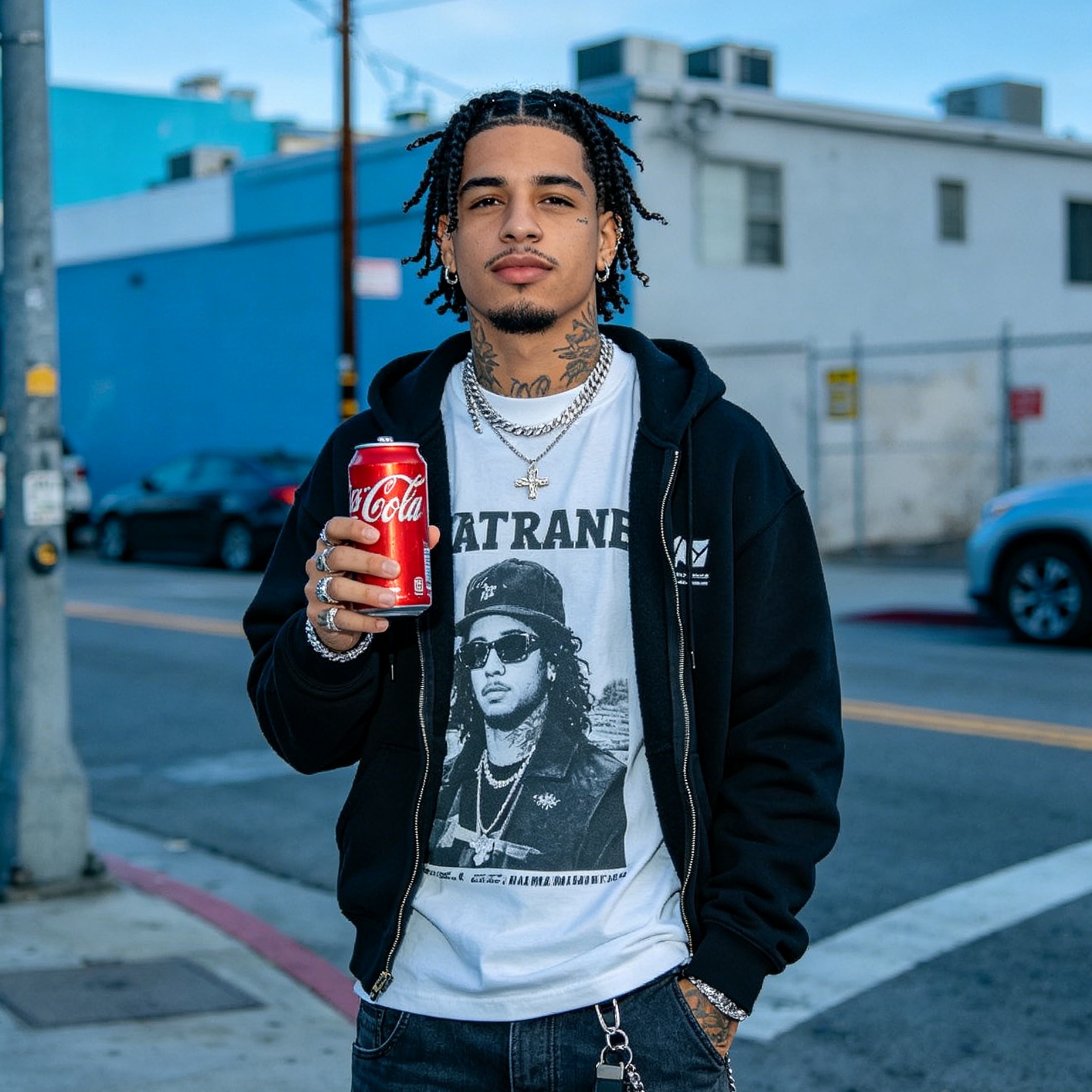
For users seeking the highest quality visual output within the OpenAI ecosystem, GPT-Image-2, especially when paired with ChatGPT’s Thinking Mode, stands as the most advanced and capable model for image generation currently available. While ChatGPT historically relied on DALL-E 3, the architecture has shifted toward a more integrated, multimodal system where the latest "GPT Image" flagship series handles complex rendering, precise text integration, and sophisticated localized edits with significantly higher fidelity than its predecessors.
The choice of "best" model is no longer about toggling a manual switch in the settings, but rather understanding how ChatGPT utilizes its latest underlying technology to interpret prompts. For professional designers, marketers, and creative hobbyists, GPT-Image-2 represents a leap in photorealism and instruction following that redefines what is possible with conversational AI art.
The Evolution from DALL-E 3 to GPT-Image-2
Understanding why GPT-Image-2 holds the crown requires looking at the trajectory of OpenAI’s visual models. DALL-E 3 was a revolutionary step in making image generation accessible through natural language, eliminating the need for complex "prompt engineering" jargon. However, as the demand for production-grade assets grew, the limitations of DALL-E 3—specifically in text rendering, anatomical accuracy, and localized editing—became apparent.
GPT-Image-1.5 introduced foundational improvements in speed and basic editing. But it is GPT-Image-2 that has fully integrated with the reasoning capabilities of the GPT-5 series (specifically GPT-5.2 architectures). This model does not just "draw" based on a prompt; it understands the spatial relationships between objects, the physics of light on different materials, and the nuanced context of brand-sensitive requirements.
In practical terms, using GPT-Image-2 means moving away from the "lottery" of AI generation. While earlier models required multiple regenerations to get a single usable image, GPT-Image-2 achieves a much higher first-pass success rate, particularly for complex scenes involving multiple subjects or specific layout constraints.
Technical Superiority and Capabilities of GPT-Image-2
The performance of GPT-Image-2 is grounded in several key technical pillars that make it the superior choice for high-stakes visual work.
High-Fidelity Photorealism
One of the most immediate differences noticed in our internal testing is the rendering of natural lighting. Older models often suffered from "AI waxy skin" or inconsistent shadow directions. GPT-Image-2 utilizes improved depth-mapping and material recognition. Whether you are generating a macro shot of a dew-covered leaf or a wide-angle architectural visualization, the model handles global illumination and micro-textures with a level of realism that rivals professional photography.
Reliable Text Rendering
For years, text inside AI-generated images was a chaotic mix of gibberish and "hallucinated" characters. GPT-Image-2 has largely solved this. In specific tests involving infographics and newspaper layouts (such as the "markdown to newspaper" challenge), the model maintains crisp lettering, consistent fonts, and correct spelling even for smaller, denser blocks of text. This makes it the best model for creating posters, social media banners, and UI mockups where text is non-negotiable.
Complex Instruction Following
GPT-Image-2 excels at "spatial reasoning." If a prompt asks for a "6x6 grid containing 36 unique items in a specific order," previous models would typically fail after the first two rows, repeating items or losing the grid structure. GPT-Image-2 maintains the internal logic of the prompt throughout the entire generation process, ensuring that every requested element is present and correctly positioned.
How Thinking Mode Enhances Visual Output
The introduction of "Thinking Mode" within ChatGPT has transformed image generation from a predictive task into a reasoning task. When a user submits a complex visual request, the "Thinking" process allows the AI to break down the prompt into sub-components before the pixels are even generated.
The Reasoning Workflow
- Deconstruction: The model analyzes the prompt to identify potential conflicts (e.g., "a sun-drenched room with moonlight shadows").
- Visual Planning: It creates a mental map of the composition, deciding on the placement of the subject, background elements, and focal points.
- Refinement: It applies style constraints (e.g., "cinematic," "minimalist," or "80s retro") to ensure a cohesive aesthetic.
In our experience, enabling Thinking Mode (available to Plus, Pro, and Enterprise users) results in significantly fewer anatomical errors—such as the infamous "sixth finger" or floating limbs—because the model "reasons" through the skeletal structure of the subjects before finalizing the render. For users who need the absolute best result, the slight increase in "thinking time" is a worthy trade-off for the massive jump in output quality.
Precision Editing: The Power of Localized Control
A major factor that makes GPT-Image-2 the best choice for professionals is its sophisticated editing suite. Unlike older iterations that would often change the entire composition when a user asked for a small adjustment, GPT-Image-2 supports "precise edits that preserve what matters."
Consistent Identity and Environment
If you generate a character in a specific setting and then ask to "change the color of the shirt to blue," GPT-Image-2 is capable of altering only the pixels associated with the shirt while leaving the facial features, background lighting, and overall composition identical. This level of consistency is critical for storyboarding and character design.
Creative Transformations
The model also supports blending and transposing elements. You can upload two disparate images—for example, a photo of a person and a photo of a specific landscape—and ask the model to combine them in a specific style (e.g., a 1950s oil painting). GPT-Image-2 understands how to merge the lighting and textures of both sources into a unified, artistically coherent output.
Mastering Resolution and Aspect Ratio for Professional Workflows
To get the most out of GPT-Image-2, one must understand the technical constraints that govern its output. Based on the latest technical documentation, the model follows a strict set of rules for resolution that, if mastered, allow for near-4K quality.
The Resolution Rules
- Max Edge Length: The longest side of the image must be less than 3840 pixels.
- The "Multiple of 16" Rule: Both the width and height must be multiples of 16. This is crucial for avoiding artifacting during the compression phase.
- Aspect Ratio Limits: The ratio between the long edge and the short edge should not exceed 3:1.
- Total Pixel Cap: The total number of pixels must not exceed 8,294,400.
Recommended Sizes for Different Use Cases
For those using GPT-Image-2 in a production environment (such as via API or advanced ChatGPT workflows), we recommend the following "Safe Zones":
- Square Default: 1024x1024 (1.04 million pixels). This is the fastest and most reliable for general ideation.
- HD Landscape: 1536x1024. Ideal for cinematic concept art and desktop wallpapers.
- HD Portrait: 1024x1536. The standard for mobile-first content and social media posters.
- 2K/QHD Widescreen: 2560x1440. This is the recommended upper boundary for high-fidelity work where you need crisp detail without entering the "experimental" 4K zone.
Generations above 2560x1440 (up to the 3840px limit) are considered experimental. In our tests, while these high-res images are stunning, they can occasionally lead to duplicated elements if the prompt is not sufficiently detailed to "fill" the extra space.
Prompting Frameworks for the GPT-Image-2 Era
Because GPT-Image-2 is more intelligent than DALL-E 3, it requires a slightly different approach to prompting. You do not need to use "hacks" or repetitive keywords like "4k, trending on ArtStation." Instead, a structured, descriptive approach yields the best results.
The Four-Step Prompt Structure
We have found that the most successful prompts follow this specific order:
- Background/Scene: Establish the environment first (e.g., "A foggy morning in a futuristic Tokyo alleyway").
- Subject: Define the main focus (e.g., "A cybernetic detective wearing a worn leather trench coat").
- Key Details: Add specific textures, lighting, or actions (e.g., "Neon signs reflecting in puddles, cinematic blue and orange lighting, rain droplets on the coat").
- Constraints/Medium: Define the format and what to avoid (e.g., "Real photograph, taken on a 35mm lens, minimalist composition, no people in the background").
By providing the "mode" of the image (e.g., "professional photography," "3D render," "watercolor"), you engage specific sub-latent spaces within the model that are optimized for those styles.
Quality vs. Latency: Choosing the Right Setting
GPT-Image-2 offers three primary quality tiers: Low, Medium, and High. Understanding when to use each is key to managing both cost (for API users) and time (for ChatGPT users).
- Quality: Low: This setting is optimized for speed and unit economics. It is surprisingly capable and is perfect for "rapid ideation"—when you need to see 20 different versions of a concept in under a minute. It still exceeds the visual quality of the original DALL-E 3.
- Quality: Medium: The balanced choice for everyday use. It offers a significant jump in texture detail and is usually the default for ChatGPT Plus users.
- Quality: High: This is reserved for "maximum fidelity" tasks. If you are creating a print-ready asset or a complex hero image for a website, this setting ensures the deepest color rendering and the most accurate lighting passes.
Comparisons: GPT-Image-2 vs. Specialized Alternatives
While GPT-Image-2 is the best general-purpose model within ChatGPT, it is worth comparing it to other versions like GPT-Image-mini.
| Feature | GPT-Image-2 (Flagship) | GPT-Image-mini |
|---|---|---|
| Primary Use | Professional assets, photorealism | Previews, drafts, high-volume batches |
| Text Rendering | Industry-leading | Basic |
| Editing Precision | Very High | Moderate |
| Speed | 4x faster than DALL-E 3 | Extremely Fast |
| Complexity Handling | Handles multi-step, complex prompts | Best for simple, single-subject prompts |
For 95% of users, the flagship GPT-Image-2 is the correct choice. The "mini" variant should only be considered when you are running massive batch operations where cost and throughput are the only constraints.
Future Outlook: The Role of GPT-5.2 in Image Generation
As of the latest updates in late 2025 and early 2026, image generation is no longer a separate "plugin" but a native part of the GPT-5.2 intelligence. This means the AI isn't just generating an image from text; it is generating an image from understanding.
We are seeing the rise of "agentic" image generation, where the AI can use tools—like a Python script to calculate exact geometric proportions or a browser to research a specific historical art style—before rendering the final image. This integration makes GPT-Image-2 not just an art tool, but a visual reasoning engine. For instance, you can now ask ChatGPT to "analyze this spreadsheet and generate a 3D bar chart that matches our brand's aesthetic," and the model will perform the data analysis and the artistic rendering in one seamless workflow.
Summary: How to Ensure You Are Using the Best Model
To guarantee you are getting the best image generation experience in ChatGPT, follow these steps:
- Use a Paid Plan: ChatGPT Plus, Team, and Enterprise users get priority access to GPT-Image-2 and the highest quality settings.
- Enable Thinking Mode: For any prompt that involves text, specific numbers of items, or complex spatial arrangements, ensure the "Thinking" toggle is active.
- Iterate via Chat: Don't try to get the perfect image in one prompt. Use the model's superior editing capabilities to refine the image through follow-up conversation.
- Be Descriptive, Not Cryptic: Talk to the model like a human art director. Explain the "vibe," the lighting, and the intended use of the image.
GPT-Image-2 is currently the gold standard for integrated AI imagery because it balances raw artistic power with the sophisticated reasoning of the world's most advanced large language models. Whether you are a casual creator or a professional designer, this model provides the most reliable, high-quality, and controllable path from an idea to a visual reality.
Frequently Asked Questions (FAQ)
What is the difference between DALL-E 3 and GPT-Image-2?
DALL-E 3 was OpenAI's previous flagship for image generation. GPT-Image-2 is a more advanced, multimodal successor that offers 4x faster generation speeds, significantly better text rendering, and more precise editing capabilities. GPT-Image-2 is also better at following complex instructions, such as creating specific grids or layouts.
Can I choose the image model manually in ChatGPT?
In the standard ChatGPT interface, the system automatically selects the best model based on your request and account type. Usually, the latest flagship (GPT-Image-2) is the default for Plus and Pro users. You can influence the quality by using "Thinking Mode" for complex tasks.
Is GPT-Image-2 available for free users?
Free users generally have access to a limited number of image generations per day. These may be powered by GPT-Image-1.5 or a "mini" version depending on server capacity. To consistently use the flagship GPT-Image-2 with high-quality settings, a Plus or Pro subscription is required.
How do I get better text in my generated images?
GPT-Image-2 is highly capable of rendering text. To get the best results, put the desired text in quotation marks within your prompt and describe the font style and placement. For example: "A sleek black coffee bag with the word 'ROAST' written in a white, minimalist sans-serif font across the center."
What are the resolution limits for GPT-Image-2?
The model supports resolutions up to 3840 pixels on the longest edge, provided the total pixel count doesn't exceed 8.29 million. For the best reliability, it is recommended to keep images at or below 2560x1440 (2K resolution).
Does GPT-Image-2 support "In-painting" or localized edits?
Yes. You can highlight a specific part of a generated image or simply ask in the chat to "change the color of the car to red" or "add a hat to the man." The model will perform a precise edit, keeping the rest of the image exactly as it was.
-
Topic: GPT Image Generation Models Prompting Guidehttps://developers.openai.com/cookbook/examples/multimodal/image-gen-models-prompting-guide?ref=aifeed.dev
-
Topic: The new ChatGPT Images is here | OpenAIhttps://openai.com/index/new-chatgpt-images-is-here/?_bhlid=3f3d8ed40fde7075a7590ec7fc36e034b47d77e4
-
Topic: 全新 chat gpt 图像 现 已 上线 | open aihttps://openai.com/zh-Hans-CN/index/new-chatgpt-images-is-here/