Home
Home
Why Human Touch Remains the Most Powerful Biological Regulator of the Human Brain
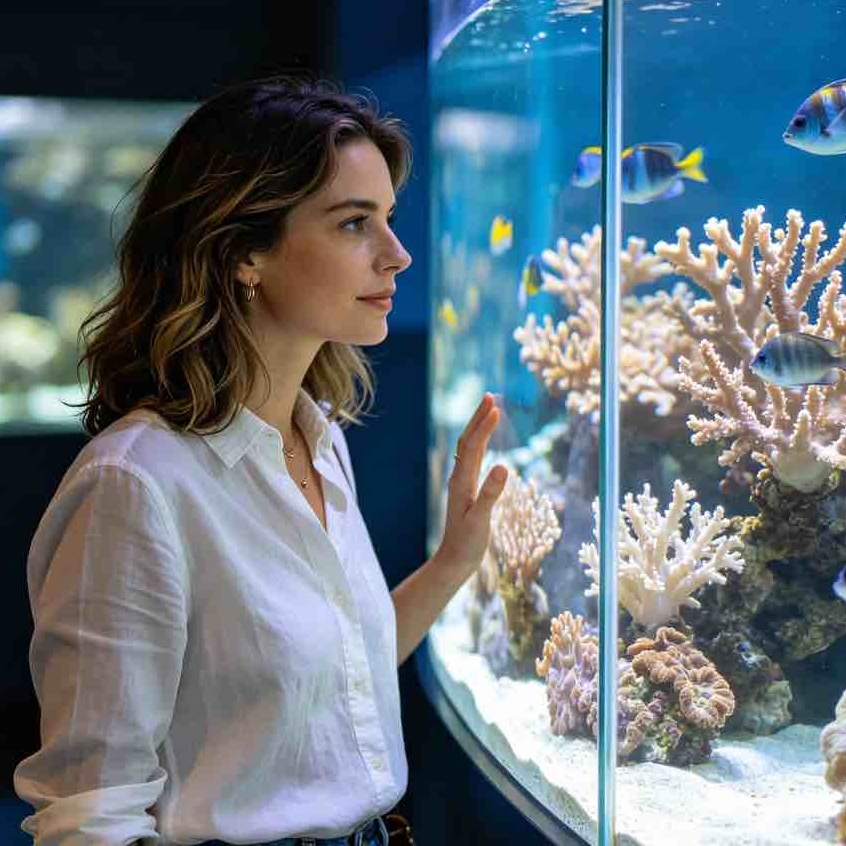
Human touch is far more than a simple gesture of social politeness or physical affection. It is a fundamental biological requirement, as essential to human survival and psychological stability as oxygen, water, and nutrition. While the modern digital era has prioritized visual and auditory communication, the somatosensory system—the intricate network of receptors in our skin—serves as the body's primary interface for safety, trust, and emotional regulation. When this system is deprived of meaningful contact, the physiological consequences are profound, manifesting in elevated stress markers, immune dysfunction, and a pervasive sense of isolation known as "skin hunger."
The Biological Cascade of Physical Connection
The moment skin contacts skin, a complex biochemical factory begins to operate within the human brain. This is not a metaphorical "warmth," but a measurable physiological event often referred to as a calming cascade. The most prominent player in this process is oxytocin, frequently labeled the "bonding hormone" or "cuddle chemical." Produced in the hypothalamus and released by the posterior pituitary gland, oxytocin facilitates feelings of trust, empathy, and social attachment.
However, the power of touch extends beyond just adding "positive" hormones; it is equally effective at subtracting "negative" ones. Research indicates that safe, consensual touch directly inhibits the production of cortisol, the body’s primary stress hormone. In clinical observations, individuals who receive regular physical support show significantly lower baseline cortisol levels and a more efficient recovery from acute stress events. By reducing norepinephrine and activating the parasympathetic nervous system, touch signals the brain’s fear center—the amygdala—that the environment is safe, effectively switching the body from a "fight or flight" mode to a "rest and digest" state.
The Specialized Science of C-Tactile Afferents
To understand why a gentle stroke feels different from a mechanical pressure, we must look at the specialized nerve fibers known as C-tactile (CT) afferents. Unlike the fast-conducting myelinated fibers that tell the brain where and how hard we are being touched (discriminative touch), CT afferents are unmyelinated and slow-conducting. They are specifically tuned to "affective touch"—the emotional quality of contact.
In neurophysiological testing, these fibers show a distinct preference for specific physical parameters. They are most responsive to a light touch—equivalent to the pressure of a gentle caress—moving at a velocity of between 1 and 10 centimeters per second. When these specific conditions are met, the CT afferents bypass the primary somatosensory cortex (which processes physical location) and send signals directly to the insular cortex. This region of the brain is responsible for interoception and the subjective experience of emotion. In our practical analysis of neuroimaging data, the activation of the insula through CT fibers is what transforms a physical sensation into a feeling of being "cared for" or "connected." This specialized system confirms that human biology has evolved a dedicated channel specifically for receiving social support.
Lessons from Attachment Theory and the Harlow Experiments
The necessity of touch is perhaps most visible in the early stages of human development. In the mid-20th century, psychologist Harry Harlow conducted a series of now-famous experiments with rhesus monkeys that fundamentally changed our understanding of love and attachment. When infant monkeys were given a choice between a "wire mother" that provided milk and a "cloth mother" that provided no food but offered soft, tactile comfort, the infants overwhelmingly chose the cloth mother. They would cling to the soft surrogate for up to 18 hours a day, only visiting the wire mother to eat.
Harlow’s work demonstrated that "contact comfort" is a primary drive, independent of nutritional needs. This finding has been mirrored in human neonatology. The practice of "Kangaroo Care"—skin-to-skin contact between premature infants and their parents—has become a standard clinical intervention. Observations show that this direct touch stabilizes the infant's heart rate, improves oxygen saturation levels, regulates body temperature, and significantly accelerates weight gain. Without this tactile input, infants can suffer from "failure to thrive," a condition where physical and cognitive development stalls despite adequate nutrition.
The Silent Crisis of Touch Starvation in a Digital World
In recent decades, the global community has witnessed a steady decline in physical contact. The rise of digital interaction, remote work, and a heightened awareness of social boundaries have created a phenomenon known as touch starvation or skin hunger. While we are more "connected" than ever through screens, the brain's requirement for tactile feedback remains unfulfilled.
The consequences of long-term touch deprivation are severe. High-scale global surveys involving over 11,000 participants across 11 countries have revealed a direct correlation between a lack of physical contact and increased rates of anxiety and depression. When the body is deprived of the oxytocin and parasympathetic activation that touch provides, the nervous system remains in a state of chronic hyper-vigilance. This constant state of low-level stress weakens the immune system, making the individual more susceptible to inflammatory diseases and cardiovascular issues.
Furthermore, the "visuocentrism" of modern society—the tendency to prioritize sight over all other senses—has marginalized the importance of the somatosensory world. We spend hours scrolling through visual data, but our skin, the largest organ of the body, remains starved for the input it was evolved to receive. This creates a sensory imbalance where the brain feels socially isolated even when surrounded by digital crowds.
Therapeutic Applications and the Power of Intentional Touch
Given its biological potency, touch has been successfully integrated into various therapeutic modalities. Massage therapy, for instance, is no longer viewed merely as a luxury but as a clinically valid intervention for chronic pain, autoimmune disorders, and mental health conditions.
Clinical trials led by figures like Tiffany Field at the Touch Research Institute have shown that moderate-pressure massage increases vagal activity and stimulates the release of serotonin and dopamine, the body's natural antidepressants. For individuals suffering from post-traumatic stress disorder (PTSD), mindful and consensual touch can assist in "re-wiring" the nervous system, helping the brain distinguish between safe and unsafe physical sensations.
In professional environments, even brief, non-intrusive contact can foster cooperation. A firm handshake or a light pat on the shoulder in a supportive context has been shown to increase team cohesion and trust. This is because touch serves as a high-speed communication channel for empathy. While words can be deceptive, the physiological response to a supportive touch is immediate and difficult to fake, making it the ultimate tool for establishing human rapport.
Why Cultural Norms and Personal Boundaries Matter
While the biological need for touch is universal, its application is deeply influenced by cultural context and individual history. Not all touch is healing; for it to trigger the calming cascade, it must be perceived as safe, consensual, and appropriate.
In "high-contact" cultures (such as those in Mediterranean or Latin American regions), frequent physical touch is integrated into daily greetings and conversations, often leading to lower reported levels of social isolation. In contrast, "low-contact" cultures (often found in Northern Europe or parts of Asia) maintain stricter physical boundaries. However, even in low-contact societies, the need for tactile connection remains; it is simply fulfilled within the private sphere of family and close friendships.
It is also crucial to acknowledge that for survivors of physical or emotional trauma, touch can initially trigger a stress response rather than a calming one. In these cases, the "safety" signal of the amygdala is compromised. Effective healing involves slow, controlled re-exposure to safe touch, always respecting the individual's autonomy and personal space. The goal is to move the nervous system from a state of "threat detection" back to its natural state of "social engagement."
The Interface Problem: Neuroscience vs. Experience
Philosophically, touch presents a unique "interface problem." While neuroscientists can map the firing of C-tactile fibers and quantify the release of neurotransmitters, they cannot fully capture the subjective experience of a hug or a comforting hand-hold.
Touch is the only sense that is inherently reciprocal. When you see someone, they do not necessarily see you; when you hear someone, they do not necessarily hear you. But you cannot touch someone without being touched back. This reciprocity is the foundation of human empathy. It dissolves the boundary between the "self" and the "other," reminding the brain that it is part of a larger social organism. This "somatosensory world" is what anchors us in reality, providing a tangible sense of presence that no virtual environment can replicate.
Frequently Asked Questions about Human Touch
What is touch starvation and how can I recognize it?
Touch starvation, or skin hunger, occurs when a person experiences little to no physical contact with others for an extended period. Symptoms often include a persistent feeling of loneliness, increased anxiety, heightened stress levels, and a "craving" for physical closeness. Some people may unconsciously try to compensate by taking long hot showers, wrapping themselves in heavy blankets, or over-grooming pets.
Can pets fulfill the human need for touch?
Yes, to a significant extent. Interacting with pets, particularly dogs and cats, has been shown to stimulate oxytocin release and lower cortisol in humans. While it does not entirely replace the complex social signaling of human-to-human contact, pet ownership is a highly effective way to mitigate the effects of touch deprivation and improve cardiovascular health.
How much touch do we need daily to stay healthy?
There is no "magic number" of hours, but research suggests that even brief moments of contact are beneficial. Some psychologists suggest that "eight hugs a day" can significantly improve emotional resilience. However, the quality and intentionality of the touch are more important than the quantity. A single, meaningful 20-second hug can be enough to trigger a significant oxytocin release and lower blood pressure.
Why does touch sometimes feel overwhelming or uncomfortable?
This can be due to several factors, including sensory processing sensitivities (common in neurodivergent individuals), past trauma, or cultural upbringing. If the brain perceives the touch as a violation of boundaries or an unpredictable stimulus, it will activate the sympathetic nervous system (stress) rather than the parasympathetic (calm).
Does "virtual touch" (haptic feedback) work the same way?
While haptic technology in smartphones and VR controllers is improving, it currently lacks the biological complexity of human skin contact. It can provide "discriminative" feedback (letting you know you pressed a button), but it does not yet effectively stimulate the C-tactile fibers responsible for emotional regulation.
Summary: Prioritizing the Somatosensory Self
In a world increasingly dominated by digital screens and social distancing, we must consciously reclaim the value of physical connection. Human touch is not a social luxury; it is a biological imperative that regulates our hormones, calms our nervous systems, and reinforces our social bonds. By understanding the science of C-tactile afferents and the psychological depth of contact comfort, we can better appreciate why a simple hug or a supportive hand on the shoulder remains the most effective "technology" for human well-being. To live a fulfilled, healthy life, we must ensure that we remain "in touch"—not just virtually, but physically and biologically.
-
Topic: The State of Human Touch: Benefits, Barriers, and Solutionshttps://www.beiersdorf.com/~/media/Beiersdorf/newsroom/press-releases/2021/2021-01-28-careforhumantouch/NIVEA-Global-Report-Vol-1-2020-en.pdf?download=true
-
Topic: 8 Touch and Other Somatosensory Senses - Neuroscience and Philosophy - NCBI Bookshelfhttps://www.ncbi.nlm.nih.gov/books/NBK583711/
-
Topic: TOUCHINGhttps://encyclopedia.arabpsychology.com/touching/?wpa_download_pdf=1