Home
Home
Why Pixart AI Is the Best Mobile Solution for AI Photo Transformations
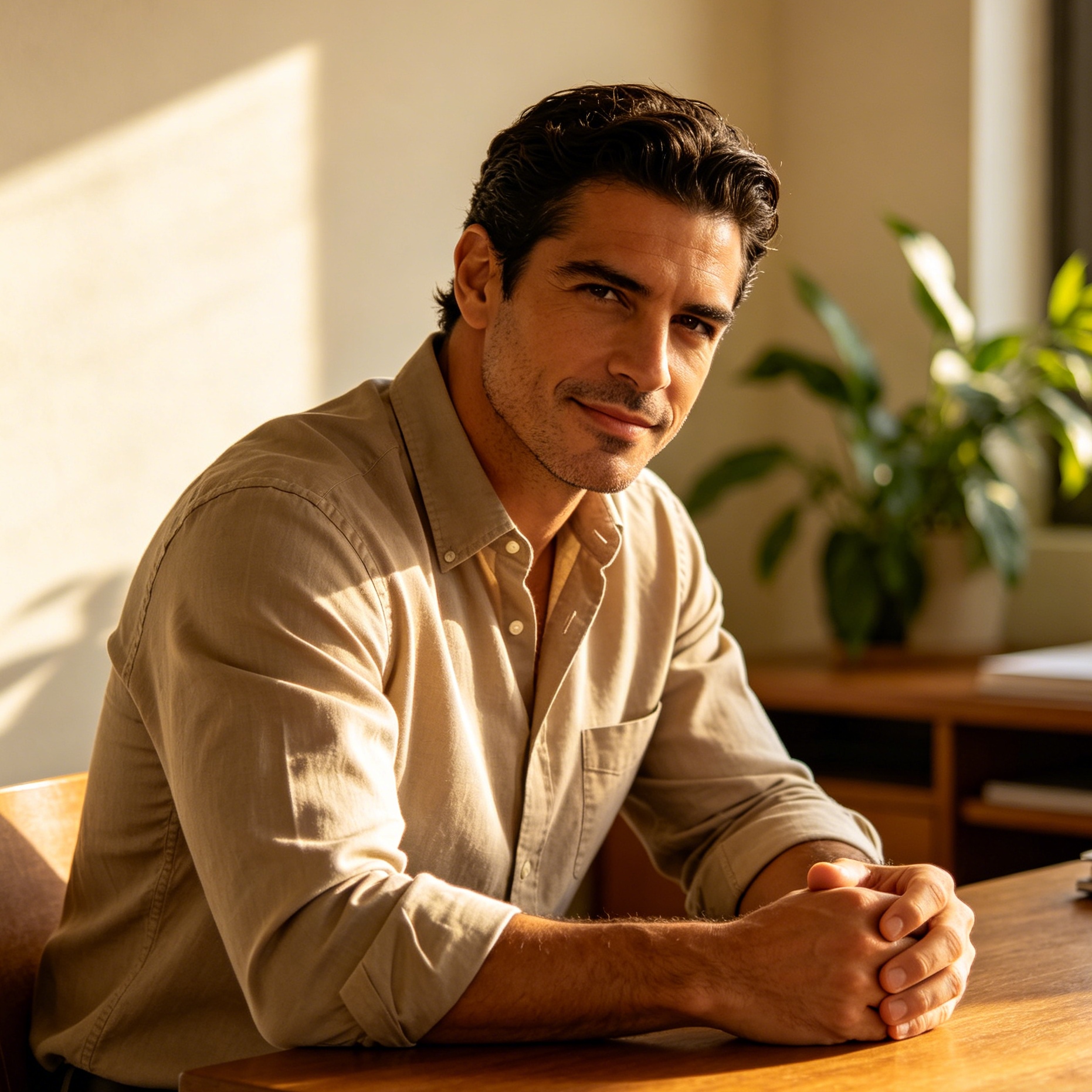
The rise of generative artificial intelligence has simplified the process of turning simple mobile photography into professional-grade digital art. However, a common point of confusion for many users stems from the naming similarities between two prominent platforms: PixAI and Pixart. While PixAI dominates the web-based anime generation niche, Pixart has carved out a significant space as a versatile, mobile-first AI generator focused on transforming existing photos into diverse artistic styles.
Understanding the distinction is crucial for any creator. Pixart AI, often available as a dedicated application on iOS and Android, leverages advanced diffusion models to perform high-quality image-to-image transformations. It is not merely a filter app; it is a sophisticated AI engine that reinterprets facial features, lighting, and textures to produce everything from hyper-realistic studio portraits to stylized 3D cartoon avatars.
Distinguishing Pixart AI from PixAI
Before diving into the technical capabilities of Pixart, it is essential to clarify the platform landscape. Users searching for "Pixart AI" are frequently encountering one of two experiences:
- PixAI (The Anime Specialist): A web-oriented platform built for generating manga and illustration content from scratch using text-to-image prompts. It is highly technical, supporting LoRA (Low-Rank Adaptation) and ControlNet for precise pose control.
- Pixart (The Photo Transformer): A mobile application ecosystem (developed by entities like PHL Studio or Vaclovas Baranauskas) designed for photo manipulation. It focuses on taking a user's uploaded selfie and re-rendering it through various AI lenses, such as Cyberpunk, Watercolor, or professional corporate aesthetics.
For the purpose of this analysis, the focus remains on the mobile-centric Pixart AI tools that empower everyday smartphone users to become digital artists without needing to master complex prompt engineering.
Key Features That Define the Pixart AI Experience
The primary appeal of Pixart AI lies in its ability to bridge the gap between amateur photography and studio-quality visual content. The application suite typically centers around several core functionalities that utilize deep learning to analyze pixel data.
Realistic AI Portraits and Professional Headshots
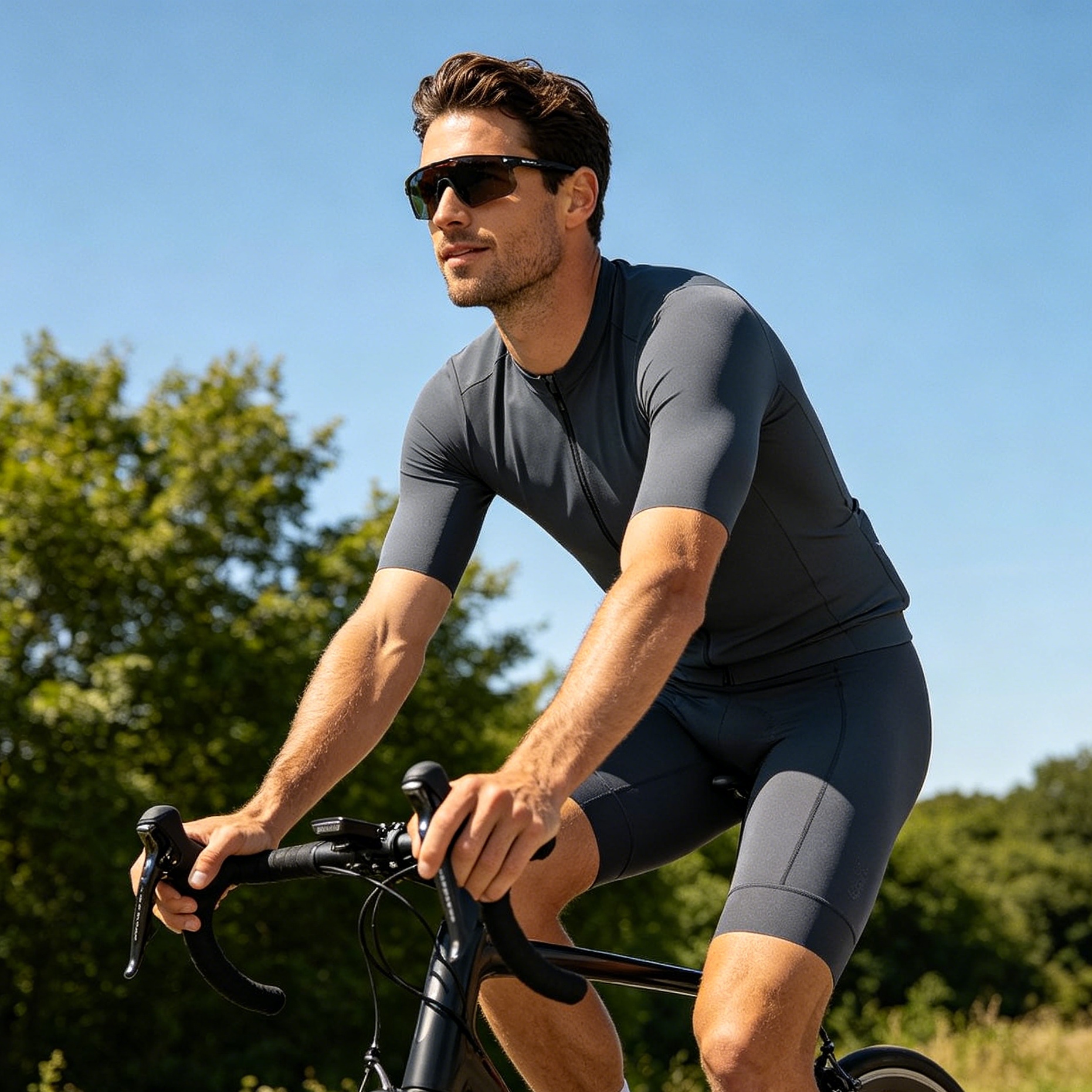
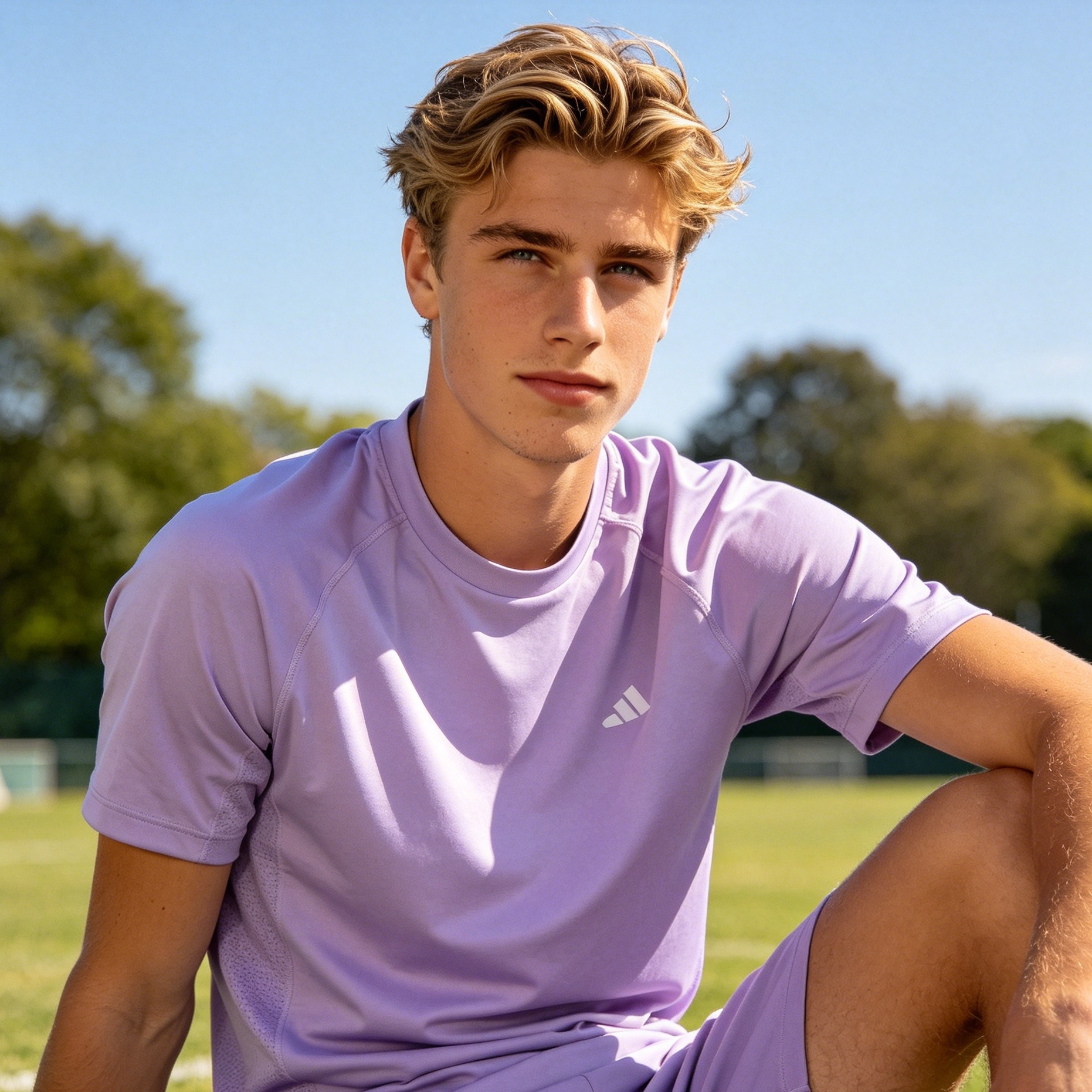
One of the most utilized features in Pixart AI is the professional portrait generator. In a competitive job market, the demand for high-quality LinkedIn headshots is high. Pixart addresses this by analyzing a standard selfie and applying a "Studio" or "Corporate" layer.
In our testing, the AI successfully corrected uneven lighting and smoothed skin textures while maintaining the original facial structure. Unlike traditional filters that simply overlay a texture, Pixart’s AI reconstructs the image, often adding depth-of-field effects (bokeh) that mimic expensive DSLR lenses. The result is a sharp, 8K-quality image that looks like it was captured in a professional studio rather than a living room.
Instant Cartoonization and Anime Stylization
Pixart AI excels at the "Face AI" feature, which allows for instant transitions into 2D or 3D animated styles. This is particularly popular for creating social media avatars and stickers. The underlying model identifies key facial landmarks—eyes, nose, mouth, and jawline—and re-maps them into a selected aesthetic.
- 3D Cartoon Style: This creates a look similar to modern animated films (think Pixar or DreamWorks). The AI adds characteristic "soft" lighting and exaggerated but recognizable features.
- Anime Transitions: For those looking for the Japanese animation aesthetic, the tool applies vibrant color palettes and sharp line art, transforming a real-world photo into a believable anime character.
Creative Conceptual Themes
Beyond realism and cartoons, Pixart AI offers thematic filters that push the boundaries of digital art. Users can choose from:
- Cyberpunk: Infusing the photo with neon lights, futuristic tech accessories, and dark, rainy cityscapes.
- Watercolor and Oil Painting: Reinterpreting the photo as if it were created with traditional media, incorporating brush strokes and canvas textures.
- Pop Art: Utilizing bold graphic novel styles with high-contrast color blocks.
Technical Performance and Processing Capabilities
The efficiency of a mobile AI tool depends heavily on its server-side processing and the optimization of its inference engine. Pixart AI applications are generally optimized for modern mobile hardware, particularly iOS 16.0 and higher.
Speed and Latency
During our evaluation on high-end mobile devices, the generation process for a single high-resolution image typically takes between 5 to 15 seconds. This speed is achieved through a hybrid approach: local image preprocessing followed by cloud-based generation. This ensures that even complex styles, like "Hyper-realistic," do not drain the local device's battery excessively.
Output Resolution and Quality
A common criticism of mobile AI generators is the "plastic" look of the output or low resolution. Pixart AI counters this by offering high-definition exports. The AI-driven upscaling integrated into the generation process ensures that the final image is suitable not only for Instagram but also for digital printing or high-resolution web displays. The textures, especially in the "Portrait" mode, exhibit a natural grain rather than the blurred, artificial smoothness found in lower-tier editing apps.
The Creator Workflow: How to Get the Best Results
Achieving a "masterpiece" status with Pixart AI requires more than just a single tap. While the AI does the heavy lifting, the input quality dictates the final output.
Choosing the Right Source Image
The AI performs best when provided with clear, front-facing photos with minimal obstructions. In our practical application tests, images with busy backgrounds occasionally caused the AI to misinterpret where the subject ends and the environment begins. To get the best results:
- Use a photo with neutral, even lighting.
- Ensure the face occupies at least 40% of the frame.
- Avoid heavy accessories like large hats or oversized sunglasses unless you want the AI to incorporate them into the artistic style.
Navigating the Subscription Model
Pixart AI typically operates on a "freemium" or subscription-based model. While many versions offer a free trial or a limited number of daily credits, the "Pro" versions—often priced at approximately $9.99 per week—unlock the full potential of the tool.
Premium benefits often include:
- Unlimited Generations: Removing the daily cap allows for experimentation with multiple styles.
- Priority Rendering: Access to faster servers during peak hours.
- No Watermarks: Essential for professional use and high-quality sharing.
- Exclusive Style Packs: Early access to trending effects and seasonal filters.
While a weekly subscription might seem steep for a casual user, for content creators who produce daily visual assets, the time saved in manual editing and the cost-efficiency compared to hiring a digital artist are significant.
Privacy and Data Security in AI Photo Editing
As with any application that requires the uploading of personal photos to a cloud server, privacy is a paramount concern. Users should review the specific privacy policies of the Pixart AI developer they choose. Most reputable developers, such as those listed on the official App Store, specify that data is used primarily for the generation process and may be stored as non-linked identifiers for analytics. It is recommended to use apps that clearly state they do not sell user facial data to third parties.
Comparing Pixart AI to Competitors
How does Pixart AI stack up against industry giants like Lensa or Picsart?
| Feature | Pixart AI | Lensa AI | Picsart AI Playground |
|---|---|---|---|
| Primary Focus | Fast Style Transformation | Magic Avatars | Multi-model Aggregator |
| Ease of Use | High (One-tap) | Moderate | Moderate (Prompt-heavy) |
| Pricing | Weekly Subscription | Annual/Credit-based | Credit-based |
| Best For | Quick Social Content | Once-a-year Avatars | Advanced AI Creators |
Pixart AI finds its niche in speed and accessibility. While Lensa became famous for its "Magic Avatars," Pixart offers a wider variety of styles that are updated more frequently to match current social media trends. Unlike the Picsart AI Playground, which is a powerful tool for comparing 160+ models, Pixart AI is designed for the user who wants an immediate, high-quality result without having to choose between models like Flux, Sora, or Claude.
Summary of the Pixart AI Ecosystem
Pixart AI represents the democratization of digital art. It removes the barrier of entry for complex photo editing, allowing anyone with a smartphone to generate visuals that previously required hours of Photoshop work. Whether you are looking for a professional headshot, a fun anime avatar, or a cyberpunk reimagining of your city, Pixart provides a streamlined, high-performance solution.
Conclusion
In the landscape of AI tools, Pixart AI stands out as a specialized, user-friendly mobile application that excels at image-to-image transformation. While it is often confused with the anime-centric PixAI, its true strength lies in its ability to take real-world photography and elevate it through a vast library of artistic styles. For the modern creator, it is an essential tool for maintaining a high-quality visual presence on social platforms, offering professional results in a matter of seconds.
FAQ
What is the difference between PixAI and Pixart?
PixAI is a web-based platform primarily used for generating anime and manga art from text prompts. Pixart is a mobile application focused on transforming your existing photos into various artistic styles using AI.
Is Pixart AI free to use?
Most Pixart AI apps offer a limited free version with daily credits or a trial period. Full access to high-resolution exports, all styles, and unlimited generations usually requires a weekly or monthly subscription.
Can Pixart AI create professional LinkedIn headshots?
Yes. By using the "Portrait" or "Studio" styles, the AI can transform a casual selfie into a polished, professional-looking headshot with optimized lighting and professional backgrounds.
Does Pixart AI require an internet connection?
Yes. Because the AI models are extremely large and require significant computational power, the image processing is done on cloud servers, necessitating an active internet connection.
How do I cancel a Pixart AI subscription?
Since most versions are downloaded via the Apple App Store or Google Play Store, you must manage and cancel your subscription through your device's account settings (e.g., Apple ID > Subscriptions).
Is Pixart AI better than traditional photo filters?
Traditional filters only adjust colors or overlay textures. Pixart AI actually "re-draws" and reconstructs the image based on the underlying photo, resulting in a much more realistic and sophisticated transformation.
-
Topic: 162 AI Video & Image Generators in One Place - Picsart AI Playgroundhttps://picsart.com/ai-playground/?model=recraftv4_1&mode=image
-
Topic: PixArt: AI Photo Generator - Загрузитьhttps://pixart-ai-photo-generator.updatestar.com/ru/edit
-
Topic: PixArt AI: AI Generator App - App Storehttps://apps.apple.com/pk/app/pixart-ai-ai-generator/id6763064456