Home
Home
Create Stunning Studio Ghibli Style Art Using These AI Image Generators
Generating artwork that captures the whimsical, nostalgic, and hand-painted essence of Studio Ghibli is no longer restricted to professional animators. With the rapid evolution of generative AI, several platforms now allow users to create "Miyazaki-esque" visuals from simple text prompts or existing photographs. Whether you are looking for a quick filter-style transformation or a high-fidelity masterpiece that mimics traditional gouache backgrounds, choosing the right Ghibli AI image generator is the first step toward success.
The most effective tools currently available for this specific aesthetic include Midjourney for artistic depth, DALL-E 3 for ease of use within ChatGPT, and Stable Diffusion for those who require granular control through specialized models. Additionally, specialized web-based generators have emerged that offer one-click solutions for transforming portraits into anime characters.
Why the Ghibli Aesthetic Is a Unique Challenge for AI
The Studio Ghibli style is defined by a specific blend of realism and fantasy, characterized by lush natural environments, soft lighting, and a distinct "lived-in" feel. Unlike modern 3D-rendered animation, Ghibli films rely heavily on hand-painted backgrounds using poster color and gouache.
For an AI image generator to successfully replicate this, it must look beyond simple "anime" tags. It needs to understand the specific color palettes—often featuring vibrant greens, cerulean blues, and warm sunset oranges—and the textural quality of brushstrokes. In our testing, generic AI models often produce images that are too shiny or "plastic-looking." To achieve authenticity, the generator must be directed to prioritize organic textures and the "Ma" (the Japanese concept of negative space and stillness) that makes these films so atmospheric.
Top-Rated Ghibli AI Image Generators in 2025
Midjourney: The Professional Choice for Atmospheric Depth
Midjourney remains the industry leader for generating high-quality artistic styles. Its latest versions possess a deep latent knowledge of various art movements, including the specific background art seen in films like My Neighbor Totoro or Howl's Moving Castle.
In our practical experience, Midjourney excels when using the --stylize and --niji modes. The Niji model is a collaboration specifically tuned for anime aesthetics. However, the secret to getting a true Ghibli look in Midjourney is not just using the --niji flag, but also incorporating specific style references. By using a style reference image from a classic film, the AI can mimic the exact grain and lighting of a 1990s animation cel.
DALL-E 3: Best for Descriptive Prompt Following
Integrated within ChatGPT, DALL-E 3 is remarkably intuitive. It understands complex spatial relationships and narrative descriptions better than most other models. If you want to describe a specific scene—such as "a girl waiting at a bus stop in the rain with a giant furry spirit"—DALL-E 3 will rarely miss a detail.
While DALL-E 3 sometimes leans toward a more modern, clean digital look, you can "nudge" it back toward the Ghibli aesthetic by emphasizing "traditional medium" keywords. We have found that explicitly asking for "hand-drawn watercolor textures" and "vintage 90s anime aesthetic" helps soften the edges that can otherwise look too clinical.
Stable Diffusion: The King of Customization and LoRA
For users with a powerful GPU or those using cloud-based platforms like Leonardo.ai, Stable Diffusion offers the most precise Ghibli AI image generator experience. This is due to LoRA (Low-Rank Adaptation) models.
LoRA models are small, fine-tuned "add-ons" trained on specific datasets. On platforms like Civitai, you can find LoRA models trained exclusively on the background art of Studio Ghibli. When you run Stable Diffusion with a Ghibli LoRA, the AI knows exactly how to render grass, clouds, and wooden interiors in the studio's signature style. It allows for a level of consistency that general-purpose models cannot match.
Specialized Browser-Based Ghibli Generators
For those who do not want to deal with complex prompt engineering, specialized websites like GhibliIA or Ghibli-AI.io have simplified the process. These tools often use a "wrapper" around models like GPT-4o or Stable Diffusion, pre-configured with the necessary style weights. They are particularly useful for "Photo-to-Ghibli" transformations, where the user uploads a selfie and receives an anime version of themselves within seconds.
Mastering the Ghibli AI Prompting Technique
The quality of your output depends heavily on the vocabulary used in your prompt. Simply typing "Ghibli style" is often insufficient. To get the best results from any Ghibli AI image generator, you should categorize your descriptors into lighting, environment, and texture.
Essential Keywords for Environments and Lighting
- Lighting: Use terms like "dappled sunlight," "golden hour glow," "soft diffused light," or "cinematic lighting." Ghibli films often feature light filtering through leaves or reflecting off water.
- Environment: Focus on "lush greenery," "meandering paths," "overgrown ruins," "billowing cumulonimbus clouds," and "quaint rural architecture."
- Atmosphere: Words like "nostalgic," "whimsical," "peaceful," "serene," and "magical realism" help the AI set the emotional tone.
Crafting a High-Fidelity Prompt
Instead of a short prompt, try a structured approach. Here is an example of a prompt that yielded exceptional results in our tests:
"A wide-angle shot of a cozy, sun-drenched kitchen in a rustic cottage. Bundles of herbs hang from wooden rafters. A steaming pot sits on a vintage stove. Sunlight streams through a window, illuminating dust motes in the air. Soft watercolor textures, hand-painted background art, Studio Ghibli aesthetic, vibrant yet gentle color palette, intricate details, peaceful atmosphere."
How to Describe Characters Without Infringing Copyright
While many generators can produce images of "Totoro," it is often better to describe the vibe of Ghibli characters to avoid generic or distorted versions of copyrighted figures. Focus on:
- "Expressive and simple character design."
- "Emotive, large eyes with soft outlines."
- "Functional, vintage-style clothing (overalls, simple dresses, flight caps)."
- "A sense of wonder and curiosity in the character's posture."
How to Turn Your Photos into Ghibli Masterpieces
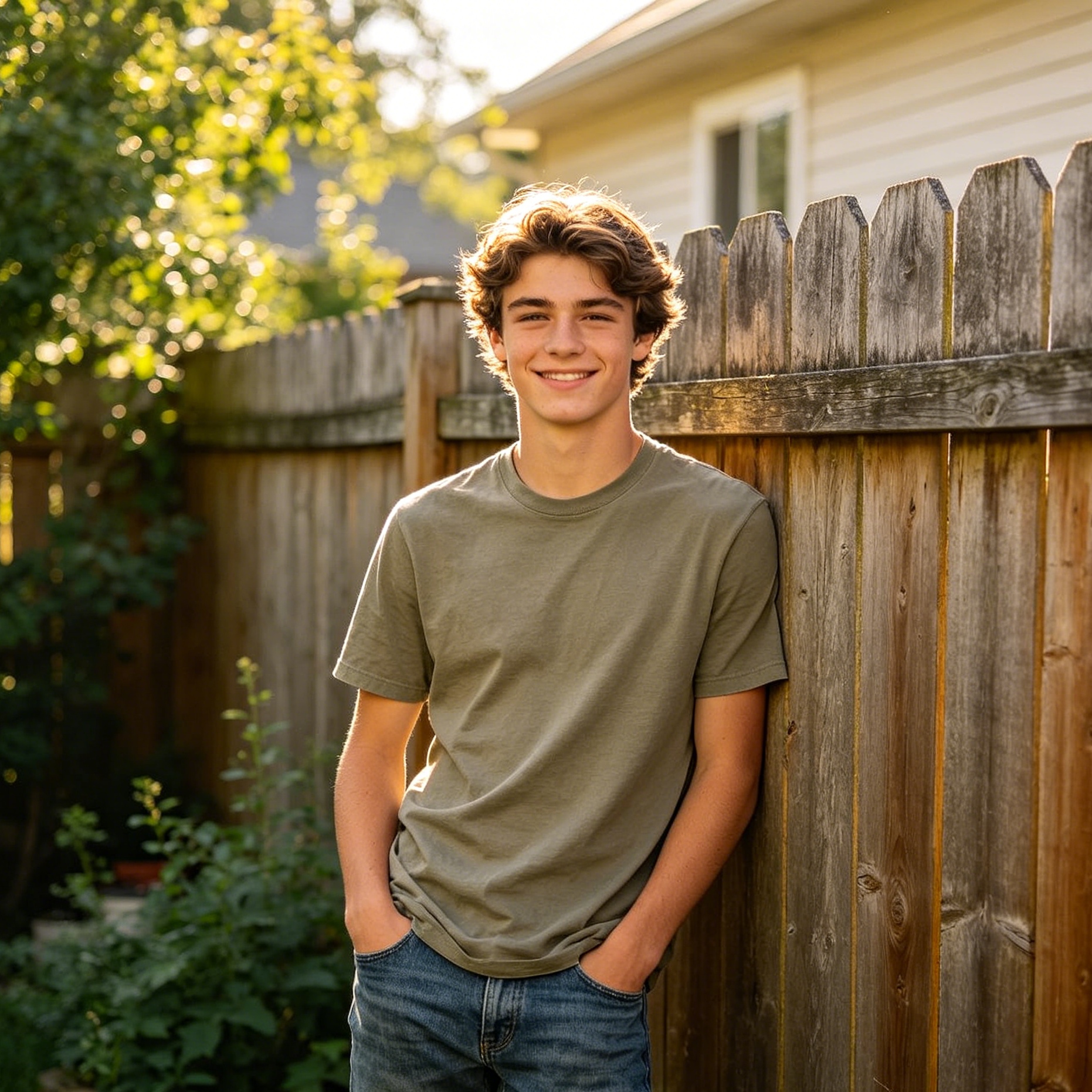
One of the most popular uses for a Ghibli AI image generator is the "Image-to-Image" (Img2Img) workflow. This allows you to upload a landscape or a portrait and have the AI reinterpret it.
The Image-to-Image Process in Midjourney
- Upload the Source: Upload your photo to Discord and copy the image link.
- Use the Prompt: Type
/imagine, paste the link, and then add your prompt (e.g.,in Studio Ghibli art style, watercolor, hand-painted --niji 6). - Adjust Image Weight: Use the
--iwparameter. A higher image weight (e.g.,--iw 2) will keep the result closer to your original photo's composition, while a lower weight (e.g.,--iw 0.5) gives the AI more creative freedom to "Ghiblify" the scene.
Using ControlNet in Stable Diffusion
For advanced users, ControlNet is the "gold standard" for photo transformation. By using the "Canny" or "Depth" model, you can force the AI to keep the exact lines of your original photo while filling in those lines with Ghibli-style colors and textures. This prevents the AI from changing your facial features too drastically while still achieving the desired anime look.
Common Challenges and How to Solve Them
Dealing with the "AI Smoothness" Problem
AI models often produce images that are too smooth, making them look like modern digital art rather than the 1980s or 90s hand-painted style. To fix this:
- Add Grain: Include "film grain" or "vintage 35mm anime" in your prompt.
- Specify Medium: Use "gouache on paper" or "rough brushstrokes" to force the AI to create texture.
- Post-Processing: Sometimes, taking the AI-generated image into a photo editor and adding a slight "noise" filter can make it look much more authentic.
Correcting Distorted Architecture
Ghibli architecture is often whimsical but grounded in European or Japanese reality. AI can sometimes get carried away with "fantasy" elements, making buildings look melted.
- Solution: Use specific architectural terms like "timber-framed houses," "shingle roofs," or "Victorian-era clockwork" to give the AI a solid structural reference.
Technical Nuances: Aspect Ratios and Resolution
The cinematic feel of a Ghibli film is often tied to its wide aspect ratio. In Midjourney or Stable Diffusion, always remember to set your aspect ratio to --ar 16:9 or --ar 21:9. A square 1:1 image rarely captures the sweeping landscapes typical of the genre.
For resolution, generating at a higher scale (2048x2048 or higher) is essential if you plan to print the artwork. Most specialized Ghibli AI image generators offer an "Upscale" feature. We recommend using a "Creative Upscale" which adds more fine-painted details during the enlargement process rather than just stretching the pixels.
What is the Best Ghibli AI Image Generator for Beginners?
If you are just starting, DALL-E 3 (via ChatGPT Plus) or Canva’s Magic Media are the easiest entry points. They require no technical setup and respond well to natural language. For those who want the highest possible quality and are willing to learn a few commands, Midjourney (Niji mode) is currently the undisputed champion of the Ghibli aesthetic.
Frequently Asked Questions About Ghibli AI Generators
Is it legal to use AI to generate Ghibli-style art?
Generating art in a particular "style" is generally considered transformative and is a common practice in the AI community. However, you should avoid using copyrighted character names (like "Totoro" or "Princess Mononoke") if you plan to use the images for anything beyond personal enjoyment or social media. Most specialized tools provide commercial usage rights for the generated image, but the style itself remains inspired by the studio.
Can I use a Ghibli AI image generator for free?
Many web-based tools offer a limited number of free "credits" per day. Stable Diffusion is free if you have the hardware to run it locally. Midjourney and DALL-E 3 (via ChatGPT) typically require a paid subscription for full access.
Why does the AI keep putting modern cars in my Ghibli scenes?
Ghibli films often have a "timeless" or mid-20th-century European feel. If the AI is adding modern elements, use "negative prompts" like --no cars, computers, skyscrapers or explicitly state "retro-futuristic" or "vintage 1940s setting" in your positive prompt.
Which model is best for Ghibli landscapes?
Midjourney is exceptional for landscapes due to its lighting engine. Stable Diffusion with a specific "Background LoRA" is also highly effective for creating scenery that looks like a genuine production still.
Summary of Ghibli AI Image Generation
Finding the right Ghibli AI image generator depends on your goals. For ease of use and photo transformation, specialized web tools and DALL-E 3 are excellent. For professional-grade artistic control and the ability to mimic specific hand-painted textures, Midjourney and Stable Diffusion are the superior choices. By mastering prompt keywords focused on lighting, "gouache" textures, and nostalgic atmospheres, anyone can create artwork that evokes the magic and wonder of a classic anime film. Always remember to balance the AI's power with your own creative direction, ensuring that the final image captures the "soul" of the aesthetic rather than just a digital imitation.