Home
Home
How AI Photo Editing Tools Are Reshaping the Creative Workflow for Photographers
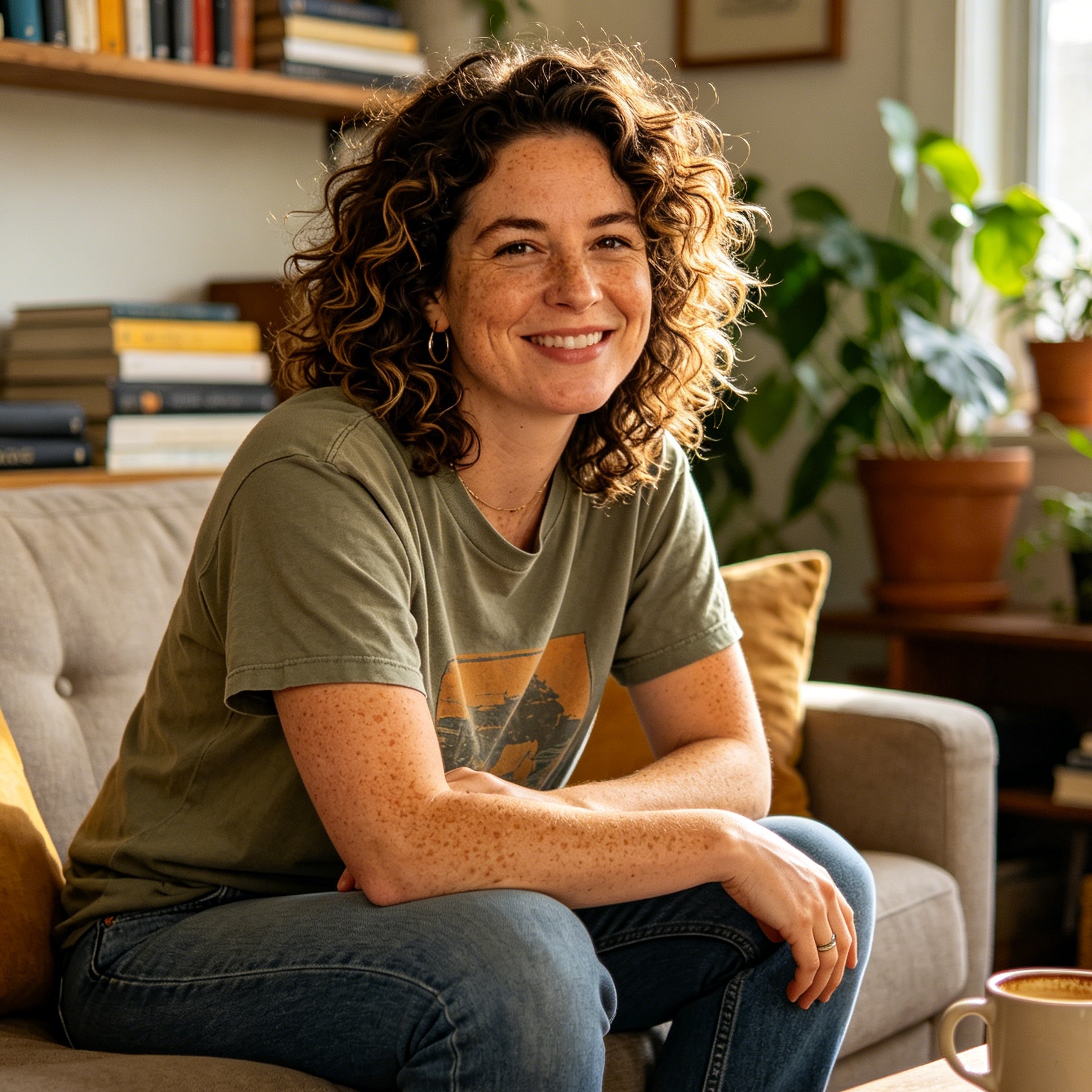
Artificial intelligence has moved far beyond being a mere novelty in the photography industry. It has evolved into a fundamental engine that drives complex edits that once required hours of manual masking and painstaking pixel manipulation. Today, AI photo editing allows creators to bridge the gap between imagination and reality with unprecedented speed. From removing complex background clutter to reconstructing low-resolution historical archives into high-definition masterpieces, the landscape of digital imagery is undergoing its most significant transformation since the invention of the digital sensor.
Core Capabilities of Modern AI Image Processing
To understand the current state of photography, one must look at the specific capabilities that AI brings to the table. These are not just automated filters; they are semantic-aware processes that understand the context of an image.
Semantic Object Removal and Replacement
One of the most revolutionary features is object-aware editing. Unlike the traditional "Clone Stamp" or "Healing Brush" which merely copied nearby pixels, AI-powered tools like Adobe’s Project Stardust or Generative Remove can identify a person, a power line, or a stray car as a distinct entity. When you delete an object, the AI analyzes the entire scene to predict what should be behind it—whether it is a complex brick pattern or the soft gradient of a sunset.
Intelligent Upscaling and Noise Reduction
For decades, "enhancing" a low-resolution image was a Hollywood myth. AI has turned this into a reality. Deep learning models trained on millions of high-resolution photographs can now "guess" missing details with startling accuracy. This process, often referred to as Super Resolution or Upscaling, allows a 1-megapixel crop from an old smartphone to be expanded into a print-ready 4K or 8K file. Simultaneously, AI noise reduction identifies the difference between camera sensor grain and actual texture, allowing photographers to shoot at much higher ISO settings in low-light environments without sacrificing detail.
Generative Fill and Outpainting
Generative AI allows photographers to expand their canvas beyond the original frame—a technique known as outpainting. If a portrait is too tightly cropped, the AI can generate the rest of the subject's clothing and the surrounding environment in a style that perfectly matches the original lighting and depth of field. This is powered by text-to-image models that respond to natural language prompts, giving the editor a level of control that was previously impossible.
The Professional Standard vs. The Consumer Choice
The market for AI photo editing tools is segmented into professional suites, specialized rescue tools, and user-friendly web platforms. Selecting the right tool depends entirely on the intended output and the user's technical background.
Adobe Photoshop and the Firefly Ecosystem
Adobe remains the industry leader by integrating its Firefly generative AI directly into the Photoshop workspace. In our testing of the latest builds, the most significant advantage is the "Generative Fill" feature. Unlike standalone AI generators, Photoshop allows you to apply AI edits onto specific layers. This non-destructive workflow is essential for professionals who need to fine-tune the AI’s output.
A notable shift in 2025 and 2026 is the opening of the Photoshop ecosystem to third-party models. Users can now choose between Adobe’s commercially safe Firefly models or integrate models from Google and OpenAI within the same interface. This flexibility allows for different "artistic styles" depending on whether you are working on a commercial fashion shoot or a surreal digital art piece. However, this power comes at a cost; the industry is moving toward a "credit-based" system where high-resolution generative edits consume monthly tokens.
Luminar Neo and the Subscription-Free Path
For photographers who are weary of monthly subscription fees, Luminar Neo stands out as a powerful alternative. It focuses on "one-slider" AI corrections. Its specific strengths lie in sky replacement and AI-driven relighting. The "Relight AI" tool can map a 2D photo into a 3D space, allowing you to adjust the lighting of the foreground and background independently without creating complex masks. While it offers a perpetual license, users should note that the most advanced generative tools—like GenErase and GenSwap—often require a separate yearly renewal for the AI cloud processing.
Topaz Photo AI for Image Rescue
Topaz Photo AI is often considered the "nuclear option" for images that are technically flawed. It excels at three things: sharpening, noise reduction, and upscaling. In high-ISO wildlife photography where every feather counts, Topaz’s ability to remove color noise while preserving natural sharpness is currently unmatched by general-purpose editors. It doesn't focus on "creating" new elements like Photoshop; instead, it focuses on perfecting what is already there.
Practical Insights into Using Generative AI for High-End Editing
When working with AI tools, the results are only as good as the input and the guidance provided by the editor. After hundreds of hours of testing these platforms, several key patterns for success have emerged.
Crafting Effective Prompts for Generative Fill
Using AI in a professional context requires a shift in how we describe visual changes. Instead of vague terms, use descriptive, context-aware prompts.
- Bad Prompt: "Add a cat."
- Good Prompt: "A fluffy ginger tabby cat sitting on the wooden floor, matching the soft evening sunlight and shallow depth of field."
The AI needs to know how the new object interacts with the existing light. If the light in your photo is coming from the left, specifying "warm side-lighting" in your prompt helps the AI align the new pixels with the original scene's physics.
Managing the AI Hallucination Factor
AI "hallucinations"—where the model generates extra limbs, distorted faces, or nonsensical textures—are still a reality. The best way to manage this is through iterative generation. In Photoshop, rather than trying to change an entire outfit in one go, try changing the jacket, then the shirt, then the accessories in separate steps. This localized approach gives the AI a narrower window for error and allows the editor to revert specific parts of the image that didn't turn out correctly.
The Hybrid Workflow
The most effective creative workflow today is a hybrid one. Start with Topaz Photo AI to clean the raw file and maximize resolution. Move to Luminar Neo for quick, AI-assisted aesthetic adjustments like "Atmosphere AI" (adding fog or mist). Finally, bring the image into Photoshop for high-precision generative work and final color grading. This "best-of-breed" approach ensures that you are utilizing the specific strengths of each engine.
Specialized AI Tools for Ecommerce and Social Media
Not every edit requires a full professional suite. The rise of specialized AI apps has democratized high-quality product photography and social content.
Photoroom and Product Photography
For online store owners, Photoroom has become a vital tool. Its AI is specifically trained to recognize products and separate them from messy backgrounds. The "Instant Backgrounds" feature can then place a product on a marble countertop or a minimalist studio shelf with realistic shadows. This eliminates the need for expensive studio rentals for small business owners.
Remini and Mobile Restoration
On the mobile front, Remini remains a dominant force for face enhancement. It uses specialized portrait models to reconstruct facial details in old, blurry family photos. While it can sometimes look "too perfect" or slightly plastic, it is remarkably effective for social media sharing and basic heritage restoration.
Canva for Rapid Content Creation
Canva has successfully integrated AI for the casual creator. Its "Magic Edit" allows users to highlight an area and replace it with something else via a simple text box. While it lacks the layer-based precision of professional tools, its generous free tier and ease of use make it the go-to for daily social media graphics and marketing assets.
The Economics of AI Editing in 2025 and 2026
The industry is currently navigating a transition from "software ownership" to "computing power consumption." As AI models become larger and more expensive to run on cloud servers, the pricing models are reflecting this reality.
The Shift to Generative Credits
Most major players, including Adobe and Canva, have implemented credit systems. A standard Photoshop subscription might include 1,000 monthly credits, where each high-resolution generative fill costs one or more credits. This means photographers must now be more intentional with their edits. Rapid-fire experimentation can quickly deplete a monthly allowance, leading to a need for higher-tier plans or purchasing add-on credits.
Commercial Safety and Licensing
A critical consideration for professional editors is the source of the AI's training data. Adobe Firefly, for instance, is trained on Adobe Stock and public domain content, making its output "commercially safe" and less likely to trigger copyright disputes. On the other hand, tools that utilize open-source models like Stable Diffusion may offer more creative freedom but carry higher legal risks for commercial clients. Always check the terms of service regarding the ownership of AI-generated pixels before using them in a paid project.
How to Prepare for the Future of AI Integration
The trajectory of AI in photo editing is moving toward total integration. We are seeing the emergence of "prompt-to-edit" interfaces where you can tell the software, "Make the sky look more dramatic and adjust the person's skin tone to match the new light," and the software will perform dozens of complex masking and grading steps automatically.
For creators, the goal is not to be replaced by AI but to become an "AI Orchestrator." The value is shifting from the ability to click a mouse or use a pen tablet to the ability to direct the AI with a refined aesthetic eye and high-quality creative prompts.
Technical Requirements for Local AI
While much of the AI processing happens in the cloud, some tools (like Topaz and certain features in Luminar) rely on local hardware. To run these efficiently, a modern GPU with at least 8GB of VRAM and dedicated AI cores (like NVIDIA’s Tensor cores or Apple’s Neural Engine) is becoming a standard requirement for a smooth editing experience. If you find your AI tools are lagging, the bottleneck is likely your computer's ability to process the neural networks locally.
Conclusion
AI photo editing is no longer a futuristic concept—it is a present-day necessity for anyone looking to stay competitive in the visual arts. Whether you are using it to save a once-in-a-lifetime shot that was slightly out of focus or to create a completely new world through generative fill, these tools offer a level of creative freedom that was previously unimaginable. By understanding the strengths of different platforms—from Adobe's professional precision to Topaz's technical rescue capabilities—photographers can build a robust workflow that combines human creativity with machine intelligence.
Frequently Asked Questions
What is the best AI tool for fixing blurry photos? For professional results, Topaz Photo AI is the most effective tool for recovering sharpness and removing motion blur. For mobile users or quick family photo fixes, Remini offers a faster, portrait-focused alternative.
Is AI photo editing commercially safe? It depends on the tool. Adobe Firefly is designed specifically for commercial safety. However, many other AI tools do not provide the same legal guarantees regarding the training data used, so it is important to verify the license for each specific application.
Do I need a powerful computer for AI photo editing? Many modern AI features in Photoshop and Canva are cloud-based, meaning they run on the company’s servers. However, "rescue" tools like Topaz or Luminar Neo run locally and require a relatively modern computer with a dedicated graphics card for the best performance.
Can AI completely replace a professional photo editor? AI can handle many of the repetitive and technical tasks, but it lacks the creative vision, emotional intelligence, and specific brand-aware decision-making of a human editor. It is best viewed as a powerful assistant rather than a replacement.
How do generative credits work in apps like Photoshop? Generative credits are used every time you click "Generate" for features like Generative Fill or Generative Expand. Different subscription tiers provide different monthly allowances. If you run out, the AI might process slower or require you to wait until the next billing cycle.
-
Topic: Adobe Sneaks Object-Aware Editing Engine and Major New Generative AI Innovations for Photo, Video, Audio and 3Dhttps://news.adobe.com/assets/downloads/pdfs/2023/10/101123adobesneaks.pdf
-
Topic: AI Photo Editor | Edit photos online | Adobe Fireflyhttps://www.adobe.com/uk/products/firefly/features/ai-photo-editor.html
-
Topic: 9 Best AI Photo Editors in 2026: Tested & Compared | ReviewAIhttps://reviewai.net/best/best-ai-photo-editors/