Home
Home
How to Execute a Professional Grade Photoshoot Using Only AI
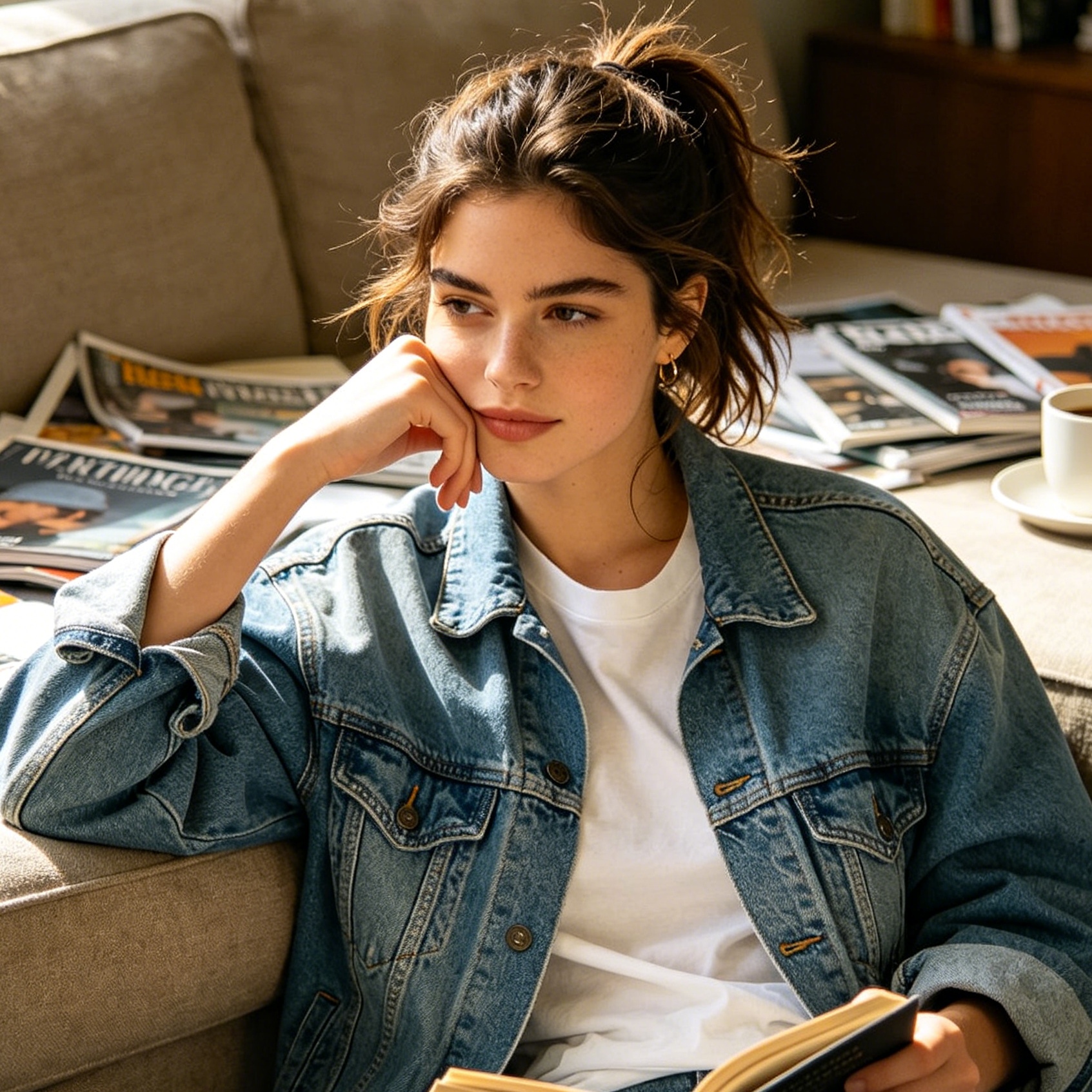
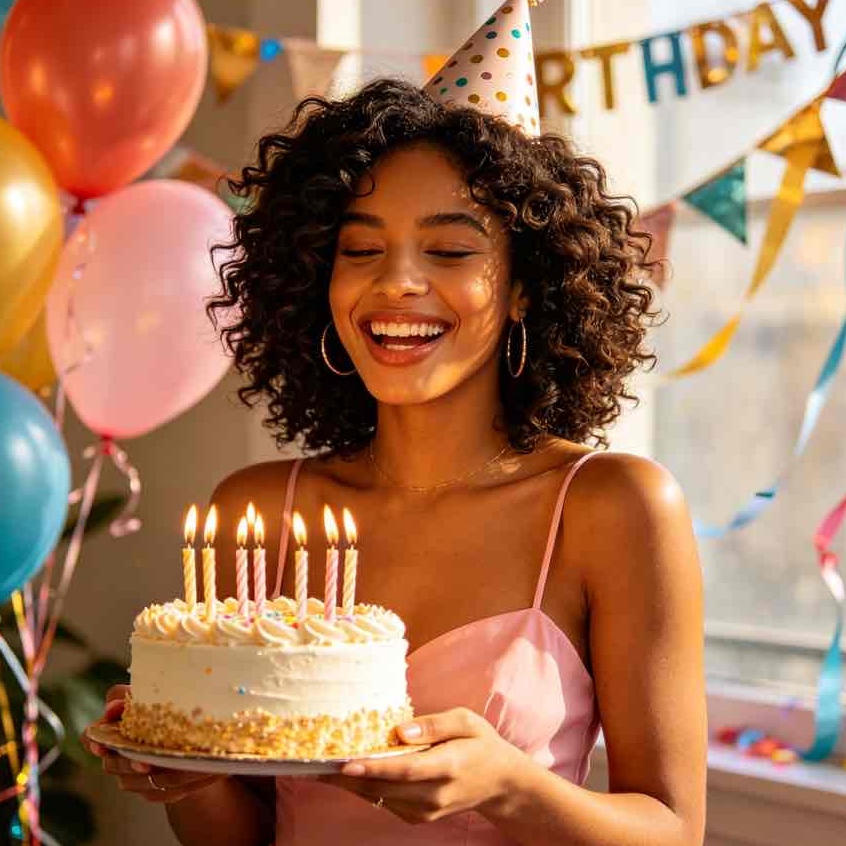
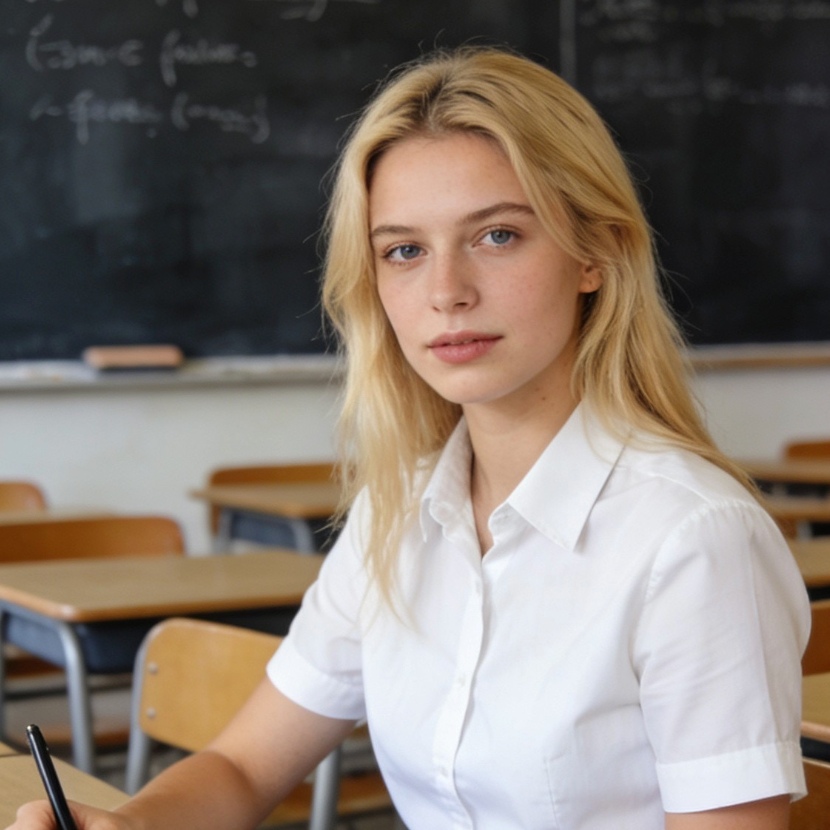
The traditional photography industry is undergoing a paradigm shift as generative artificial intelligence matures to a level capable of producing hyper-realistic, magazine-quality imagery. An artificial intelligence photoshoot eliminates the logistical constraints of physical production—such as location scouting, talent booking, lighting rigs, and weather dependencies—replacing them with computational power and strategic prompting. Achieving professional results requires more than just a basic text description; it demands a deep understanding of photographic principles, tool-specific workflows, and post-production refinement.
The Core Framework of AI-Driven Photography
At its essence, an AI photoshoot operates through two primary methodologies. The first involves training a specific "persona" or "digital twin," where the AI is taught to recognize a specific human face through a set of reference photos. This is the standard for professional headshots and personal branding. The second methodology is pure synthetic generation, where a character is created from scratch based on descriptive parameters, commonly used in fashion editorials and conceptual art where a specific real-world identity is not required.
Distinguishing Between Generative Models and Training Platforms
Selecting the right environment is the first technical hurdle. High-control environments like Stable Diffusion or Flux.1 allow for local execution and granular control over every aspect of the image through LoRA (Low-Rank Adaptation) training. These platforms are preferred by technical artists who require consistent character positioning and lighting.
In contrast, platforms like Midjourney offer superior "out-of-the-box" aesthetic quality but less direct control over specific facial features unless using their "Character Reference" (--cref) features. For those focused on personal portraits with minimal technical setup, specialized platforms such as Photo AI or Remini utilize pre-trained pipelines that automate the training process once a user uploads 10 to 20 selfies.
Mastering the Architecture of a Photography Prompt
The quality of an AI-generated shoot is directly proportional to the "photographic literacy" of the prompt. A professional prompt does not just describe the subject; it dictates the camera settings and environmental physics.
The Five-Layer Prompting Formula
To achieve realism that rivals a Sony A7R IV or a Canon EOS R5, the prompt must be structured as follows:
- Subject Description: Define the age, skin texture, expression, and attire. Avoid generic terms; use descriptors like "weathered skin," "visible pores," or "linen fabric texture."
- Environmental Setting: Specify the architectural style, time of day, and geographic context. Instead of "at a beach," use "overcast morning on a rugged Icelandic black sand beach."
- Lighting Physics: This is the most critical element. Specify lighting types such as "Rembrandt lighting," "golden hour backlighting," "butterfly lighting," or "cinematic neon noir shadows."
- Camera and Lens Specifications: Direct the AI's virtual optics. "Shot on 85mm f/1.8 lens" tells the model to create a narrow depth of field (bokeh). "35mm wide-angle, f/11" suggests a sharp, deep focus landscape shot.
- Technical Directives: Include stylistic tags such as "Kodak Portra 400 film grain," "high-fashion editorial," or "hyper-realistic 8k textures."
Case Study: High-Fashion Portrait Prompt
"A cinematic close-up portrait of a model with natural skin texture and freckles, wearing an oversized architectural silk blazer, standing in a brutalist concrete courtyard during the blue hour, soft diffused ambient light, shot on a Hasselblad H6D, 100mm lens, f/2.8, muted earthy color palette, hyper-realistic, --ar 4:5 --v 6.1"
Phase 1: Training Your Digital Twin (Persona Training)
For users who need the photoshoot to feature a specific person, the workflow begins with model training. This process involves "teaching" the AI the unique geometry of a face.
Data Set Preparation
The quality of the output depends on the input images. A successful training set usually requires:
- Diversity of Angles: Front-facing, profile, and three-quarter views.
- Variable Lighting: Photos taken in natural light, indoor light, and high-contrast settings.
- Clean Backgrounds: Minimal clutter to ensure the AI focuses on facial features rather than the environment.
- Consistent Resolution: High-definition images (at least 1024x1024 pixels) are necessary to capture skin details.
The Training Process
Using a tool like Stable Diffusion with Kohya_ss or cloud-based trainers, the images are processed through thousands of iterations (steps). The AI identifies recurring patterns—the distance between the eyes, the curve of the jaw, the bridge of the nose. Once the training is complete, a small file (LoRA) is generated. This file acts as a "filter" that can be applied to any prompt to force the AI to render that specific person.
Phase 2: Setting the Virtual Stage
Once the model or character is defined, the "shoot" begins. This phase involves generating hundreds of variations to find the perfect composition.
Establishing Character Consistency
In pure synthetic generation, maintaining the same character across different shots (e.g., a wide shot, a medium shot, and a close-up) is challenging. In Midjourney, this is managed by using the Character Reference (--cref) tag, followed by the URL of the primary image. In Stable Diffusion, ControlNet is used to lock in the character’s pose and skeleton (OpenPose), ensuring that the physical proportions remain identical across different frames.
Strategic Lighting Control
Lighting in AI photography is not just a visual flair; it defines the mood and perceived value of the image.
- Softbox Lighting: Best for professional corporate headshots to minimize harsh shadows.
- High-Key Lighting: Used in commercial and skincare shoots to create a bright, clean, and optimistic vibe.
- Volumetric Lighting: Essential for "moody" or "atmospheric" shoots, where light rays are visible through dust or fog.
Phase 3: Post-Production and Technical Refinement
Rarely is an AI image perfect upon the first generation. Professional workflows include a rigorous post-production phase to fix common AI artifacts.
Solving the "Uncanny Valley" in Skin Texture
AI models often default to "plastic" or "airbrushed" skin. To solve this, creators use Inpainting. This involves masking the face and re-generating that specific area with a prompt that emphasizes "pores," "fine lines," and "micro-sweat." This adds the granular imperfection that distinguishes a real photograph from a digital render.
Anatomical Correction
Hands and eyes are notorious failure points for AI. Using Adetailer (After Detailer) scripts in Stable Diffusion automatically detects hands and faces to perform a secondary, high-resolution pass, correcting finger counts and iris symmetry.
Professional Upscaling
Standard AI generations are usually around 1 megapixel—far too small for print or high-end web use. Tools like Topaz Photo AI, Magnific.ai, or Real-ESRGAN are employed to increase the resolution by 4x or 8x. These tools don't just stretch the pixels; they use "hallucination" to add missing details, such as the weave of a fabric or the individual strands of hair.
AI Photoshoots for E-Commerce and Fashion
The commercial sector is the largest adopter of AI photography. For a brand, the workflow involves "clothing-faithful" generation.
Virtual Try-On Technology
Advanced workflows now allow brands to upload a flat-lay photo of a garment and have an AI model "wear" it. This requires IP-Adapter technology, which maps the textures and patterns of the clothing onto the generated body while maintaining the drape and fit of the fabric. This reduces the cost of seasonal catalog shoots by up to 90%.
Creating AI Influencers
Brands are increasingly creating "synthetic ambassadors." These characters are built from a fixed seed and a specific LoRA, allowing them to appear in various locations around the world without a travel budget. The management of an AI influencer involves strict adherence to a "style guide" (fixed prompts and color palettes) to ensure the brand identity remains cohesive across social media platforms.
The Technical Hardware Requirements
For those looking to move beyond simple cloud tools and run professional-grade shoots locally, hardware is a significant consideration.
- VRAM (Video RAM): This is the most critical component. Running models like Flux.1 [dev] effectively requires a GPU with at least 16GB to 24GB of VRAM (e.g., NVIDIA RTX 3090 or 4090).
- Storage: A professional library of models (Checkpoints) and LoRAs can easily exceed 500GB. High-speed NVMe SSDs are required to handle the large data throughput during the generation process.
Ethical Considerations and Authenticity
As AI photography becomes indistinguishable from reality, the industry is moving toward transparency. The use of C2PA (Coalition for Content Provenance and Authenticity) metadata is becoming a standard. This metadata is embedded in the image file, detailing that the image was generated or modified by AI, which is crucial for maintaining trust in journalism and commercial advertising.
Summary of the AI Photoshoot Workflow
Creating a professional AI photoshoot is a multi-step process that bridges the gap between traditional art direction and data science. The workflow begins with conceptualization, defining the visual narrative and technical parameters. It proceeds to model selection and training, where the identity of the subject is established. Through iterative prompting, the virtual shoot takes place, utilizing specific photographic language to control light and optics. Finally, post-production tools are used to upscale, fix anatomical errors, and add the fine-grained textures that confirm photographic realism.
By mastering these steps, creators can produce high-end visual content that is indistinguishable from traditional photography, providing a scalable and cost-effective solution for modern creative needs.
FAQ
What is the best AI for professional photoshoots?
For high-end artistic control and realism, Midjourney (for aesthetics) and Stable Diffusion/Flux (for control) are the industry standards. For ease of use with personal photos, Photo AI is highly recommended.
How do I make AI photos look like real film?
Include specific film stock names in your prompt, such as "Kodak Portra 400," "Fujifilm Superia," or "Ilford HP5 for black and white." Additionally, add "film grain," "chromatic aberration," and "slight motion blur" to mimic the imperfections of analog cameras.
Can I use AI photoshoots for my Shopify store?
Yes. Specialized tools like Flair.ai or Pebblely are designed specifically for product photography, allowing you to place product photos into high-quality AI-generated environments.
How much does an AI photoshoot cost?
While a traditional professional shoot can cost between $1,000 and $10,000, an AI photoshoot typically costs between $20 and $100 per month for tool subscriptions, plus the cost of hardware if running locally.
How do I fix bad hands or faces in AI photos?
Use the Inpainting tool available in most advanced AI editors. Mask the problematic area and re-generate it with a specific prompt focusing on that detail, or use automated plugins like Adetailer.
Do I own the rights to the AI-generated photos?
Ownership depends on the platform's Terms of Service. Most paid tiers (like Midjourney Pro or Stable Diffusion local use) grant the user commercial rights, but AI-generated images generally cannot be copyrighted under current US law.
-
Topic: AI Glamour Photos | Professional Photo Shoots with AIhttps://photoai.com/glamour?ref=ideas_glamour
-
Topic: Artificial Intelligence Photoshoot: The Complete Guide to AI-Powered Photography - Pixlr Bloghttps://pixlr.com/blog/artificial-intelligence-photoshoot-the-complete-guide-to-ai-powered-photography/
-
Topic: AI Photoshoot Generator | Rawshot.aihttps://rawshot.ai/best/ai-photoshoot-generator