Home
Home
The Real Way to Get Professional Portraits Using Only ChatGPT
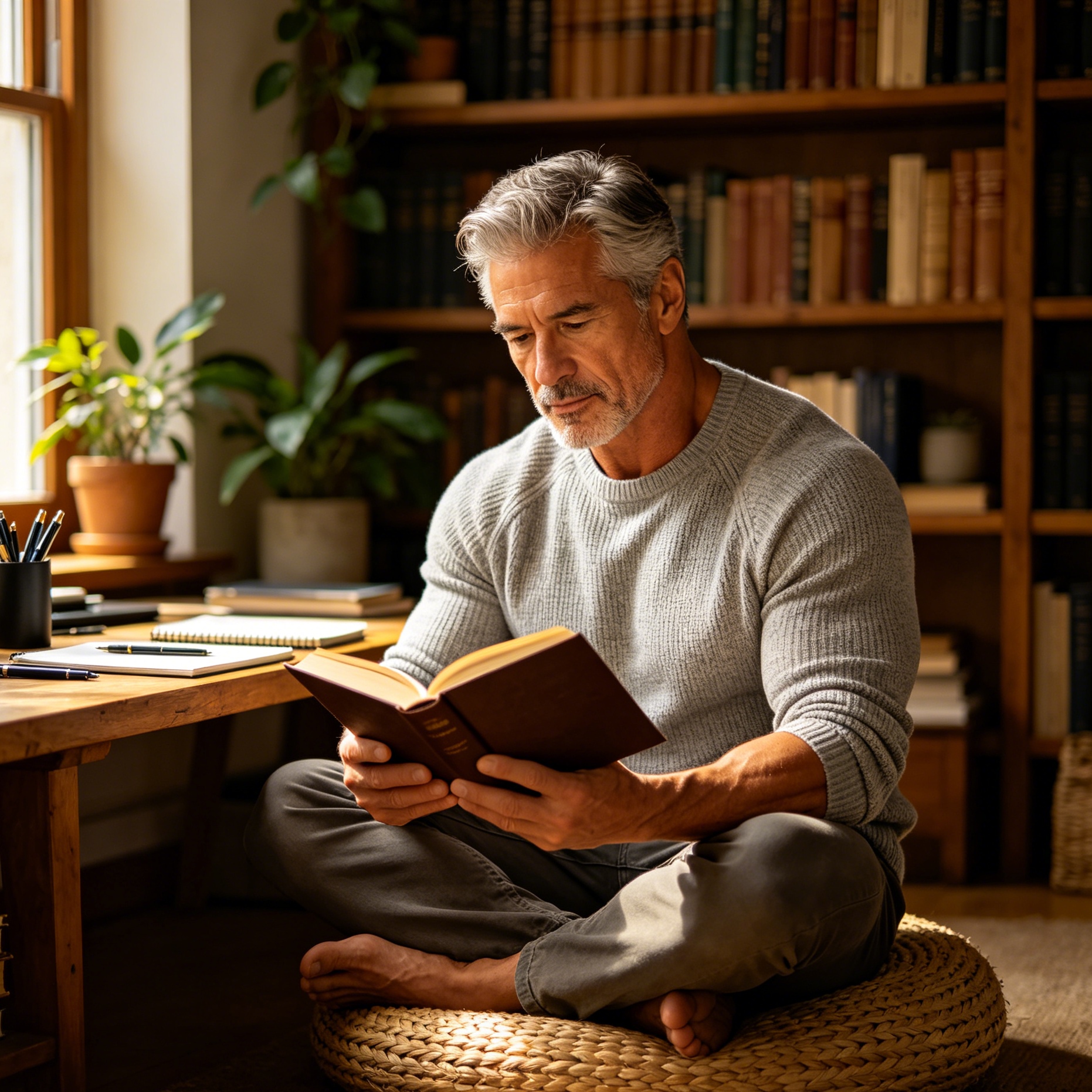
ChatGPT does not possess a camera, but through its integration with DALL-E 3, it has become a formidable tool for generating professional-grade imagery. For professionals seeking a high-quality LinkedIn headshot or a corporate portrait without the $500 studio fee, ChatGPT offers two distinct paths: generating a photorealistic AI avatar from scratch or functioning as a virtual creative director to guide a real-world smartphone photoshoot.
Generating a professional photo that avoids the "uncanny valley"—that unsettling, overly smooth AI look—requires more than a simple request. It demands a sophisticated understanding of how AI interprets lighting, lens physics, and attire.
The Architecture of a Professional AI Portrait Prompt
To achieve professional results, a prompt must go beyond describing a person in a suit. Effective AI image generation follows a structural hierarchy that mimics a professional photoshoot setup.
The Universal Formula for Professional Results
A high-converting professional image prompt should follow this sequence: [Artifact Type] + [Subject Description] + [Environment/Setting] + [Lighting Specifications] + [Technical Camera Parameters] + [Style Constraints]
When these elements are combined, the AI transitions from producing a generic illustration to a high-fidelity photographic render.
Production-Ready Prompts for Different Professional Identities
Different industries require different visual languages. A corporate lawyer needs a sense of stability and authority, while a tech founder might prioritize accessibility and innovation. Below are field-tested prompts designed for ChatGPT Plus (DALL-E 3) users.
1. The Executive Leadership Look
This prompt focuses on authority, utilizing studio lighting and a traditional corporate environment.
Prompt: "Create a high-resolution, photorealistic corporate headshot of a professional in their 40s wearing a bespoke charcoal grey suit and a crisp white dress shirt. The subject should have a confident and approachable expression, looking directly at the camera. Set the scene in a blurred high-end executive boardroom with floor-to-ceiling windows showing a soft-focus city skyline. Use 'Rembrandt lighting' to create a subtle shadow on one side of the face for depth. Technical specs: shot on 85mm lens, f/1.8 aperture for shallow depth of field, sharp focus on the eyes, natural skin texture with visible pores, no AI smoothing."
2. The Creative Director / Modern Professional
This aesthetic is less formal, focusing on "soft" professionalism and creative energy.
Prompt: "A professional portrait of a creative individual in a modern, sun-drenched studio workspace. The subject is wearing a high-quality navy cashmere sweater, standing in a relaxed but professional posture. The background features blurred shelves with design books and a minimalist plant. Lighting should be 'Golden Hour' natural light coming from a side window, creating a warm and inviting atmosphere. Technical specs: 35mm film aesthetic, slight natural grain, soft bokeh, high dynamic range, authentic skin tones."
3. The Tech Founder / Startup Aesthetic
Focuses on agility and innovation, often using outdoor or modern coworking spaces.
Prompt: "A candid professional photo of a young entrepreneur in a high-tech coworking space. The subject wears a clean black t-shirt and a light grey blazer. The background is a bustling but blurred tech office with soft neon accents and glass partitions. Lighting is bright and airy, utilizing softbox studio effects. The framing is a medium close-up (chest up) with a slight 3/4 turn of the body. Shot on a Sony A7R IV, 50mm lens, ultra-detailed textures, realistic hair strands, and eye catchlights."
The Technical Vocabulary That Controls DALL-E 3
To refine the output, specific photography terms act as "code" for the AI to adjust its rendering engine. Incorporating these terms will significantly elevate the quality of the generated professional photo.
Lens Selection and Its Effect
- 85mm Lens: This is the "gold standard" for portraits. In ChatGPT prompts, it tells the AI to flatten facial features slightly, which is more flattering, and to create a tighter crop on the subject.
- 35mm Lens: Used for environmental portraits. It includes more of the background and feels more like a "storytelling" shot.
- f/1.8 or f/2.8 Aperture: This controls the "Bokeh" (the blurred background). Specifying a low f-stop number ensures the subject pops against the environment, a hallmark of professional photography.
Lighting Directives
- Rembrandt Lighting: Creates a small triangle of light on the cheek, providing a dramatic and sophisticated look.
- Softbox Lighting: Mimics studio conditions, removing harsh shadows and providing an even, flattering glow.
- Backlit / Rim Lighting: Places a light source behind the subject to create a thin glow around the shoulders and hair, separating them from the background.
Using ChatGPT as a Virtual Photography Coach
If the goal is a real photo that actually features the user's face, ChatGPT can be used to plan the shoot. Since ChatGPT cannot see through a camera in real-time, it relies on the user to describe the environment.
Step 1: Lighting Assessment
Ask ChatGPT: "I am in a room with one north-facing window and overhead yellow LED lights. Where should I stand to take a professional headshot, and should I turn the overhead lights off?" Typical Response: ChatGPT will advise facing the window directly to use the soft, diffused natural light as a "key light" while recommending turning off the yellow LEDs to avoid "mixed color temperatures" that ruin skin tones.
Step 2: Wardrobe and Color Theory
Ask ChatGPT: "I am a consultant with a fair complexion and dark hair. I am wearing a light blue shirt. What color background should I find in my house to make my professional photo look balanced?" Typical Response: It will suggest neutral tones like slate grey or off-white to prevent color casting on the skin, explaining how contrast helps the subject stand out.
Step 3: Posing for Authority
Ask ChatGPT: "Give me three specific poses for a LinkedIn headshot that convey confidence but avoid looking stiff." Typical Response: It will describe techniques like the "Sinch" (leaning slightly toward the camera), the "3/4 Turn," and how to position the jawline to avoid double chins under various lighting angles.
The Limitations of AI Professional Photos
While ChatGPT is revolutionary, users must navigate certain technical hurdles.
The Identity Gap
DALL-E 3, the engine behind ChatGPT's images, is designed to generate new people. It cannot currently take a photo of a specific user and "clothe" them in a suit with 100% facial accuracy. To solve this, many professionals generate the "ideal" body and setting in ChatGPT and then use specialized "Face Swap" or "AI Headshot" software to map their own facial features onto the high-quality base image.
The "Plastic" Skin Problem
AI models often default to perfect, airbrushed skin. To combat this, always include negative constraints or specific texture requests such as "natural skin texture," "visible pores," or "slight imperfections."
Conclusion
Creating a professional photo with ChatGPT is a shift from manual labor to creative direction. By utilizing structured prompts that include specific lens types (85mm), lighting styles (Rembrandt), and detailed environmental descriptions, users can generate high-fidelity portraits that rival professional studio work. Whether used as a direct generator for an AI avatar or as a strategic coach for a smartphone shoot, ChatGPT significantly lowers the barrier to entry for high-end professional branding.
FAQ
Can I upload my photo to ChatGPT and have it put me in a suit? ChatGPT cannot perfectly preserve your facial identity while changing your clothes yet. It can describe how you would look or generate a similar "type" of person. For exact facial matches, you would need to use ChatGPT to generate the background and outfit, then use a third-party face-swap tool.
What is the best prompt for a LinkedIn photo? The most effective prompt is: "A professional 85mm portrait of a [Job Title], wearing [Attire], in a [Setting], shot with soft studio lighting, f/1.8 aperture, photorealistic, natural skin texture."
Does ChatGPT own the rights to the photos it generates? According to OpenAI's current terms, you own the output you create with ChatGPT, including the images, allowing you to use them for LinkedIn or personal branding.
How do I fix "weird hands" in AI professional photos? The best strategy is to use a prompt that specifies a "headshot" or "medium close-up," which keeps the hands out of the frame entirely, focusing the AI's processing power on the face.
-
Topic: 50+ Best ChatGPT Photo & Image Effect Prompts in 2026 [Copy & Paste]https://www.template.net/business/chatgpt-photo-effect-prompts/
-
Topic: New! Best ChatGPT Image 2 Prompts 2026: Free Templateshttps://www.pdnob.com/ocr/best-chatgpt-image-prompts.html
-
Topic: Retrato Profissional Criado no ChatGPT - by Fernando Souzahttps://fhenrique0.substack.com/p/retrato-profissional-criado-no-chatgpt