Home
Home
Mastering ChatGPT Prompts for Pictures to Get Professional Results Every Time
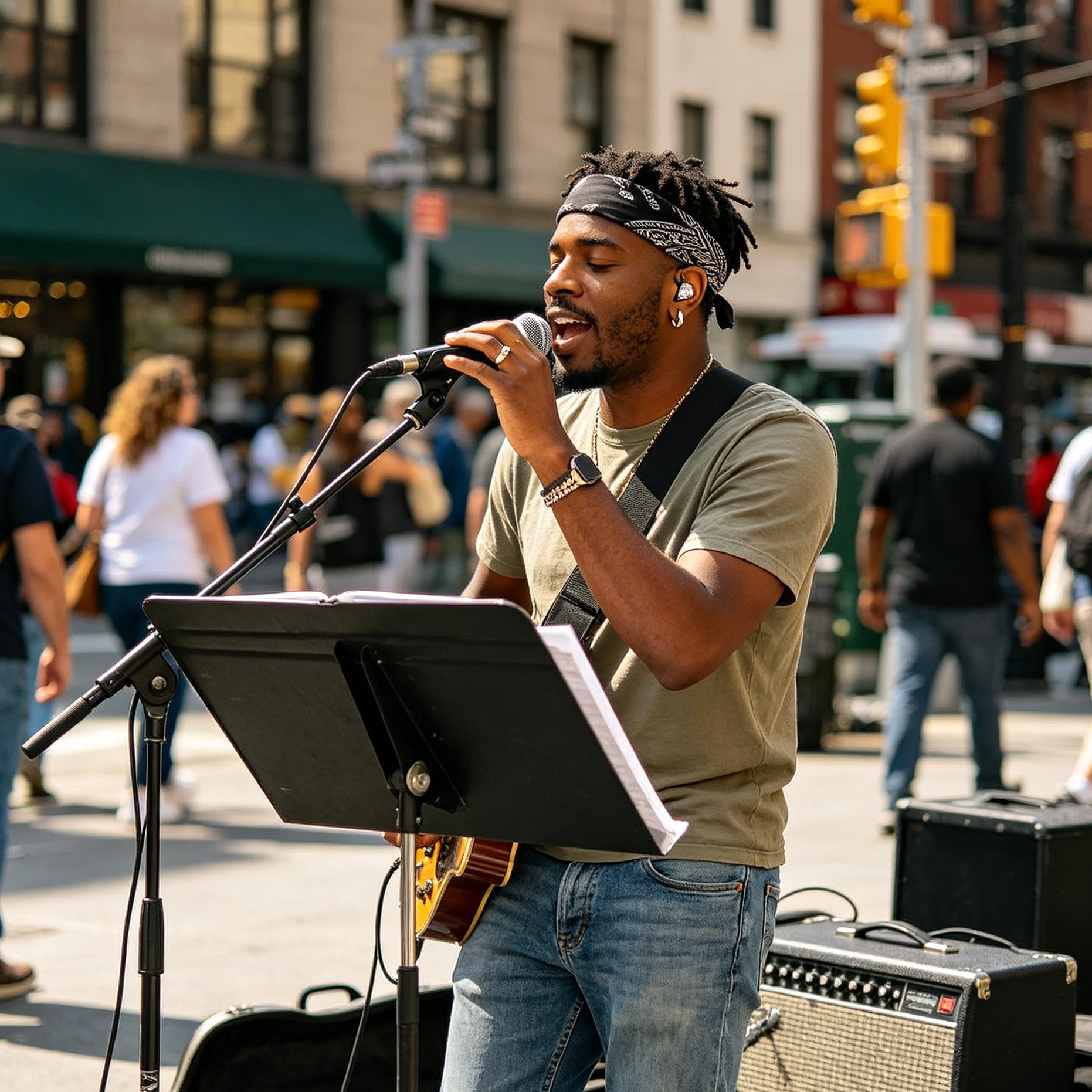
Generating images with ChatGPT is no longer a matter of random luck. With the integration of DALL-E 3, the AI has become remarkably sensitive to descriptive nuances. However, many users still struggle with generic or "plastic-looking" results because their prompts lack the structural depth that the model requires to transition from a basic sketch to a professional-grade visual.
To bridge this gap, one must move beyond simple sentences like "a cat in a hat" and start thinking like a photographer, a digital artist, and a lighting director simultaneously. This guide breaks down the science of prompt engineering for pictures, providing the exact frameworks and vocabularies needed to command the AI with precision.
The Master Formula for High-Quality Image Generation
The difference between a mediocre AI image and a masterpiece often lies in structure. Through extensive testing across various visual styles, a "Master Formula" has emerged as the most reliable way to communicate with ChatGPT's image generation engine:
[Subject] + [Action/Context] + [Environment/Background] + [Lighting/Mood] + [Camera Angle/Lens Style] + [Artistic Texture/Medium]
By filling in each of these slots, you provide the AI with a multi-dimensional map. Instead of letting the AI guess the lighting or the lens, you define the parameters, ensuring the output aligns with your creative vision.
1. Subject Specificity: Beyond the Noun
The subject is the heart of your image, but a single noun is rarely enough. To get professional results, you must describe the subject's materiality, state, and specific characteristics.
- Weak Subject: "A professional man."
- Strong Subject: "A seasoned tech entrepreneur in his late 40s, featuring salt-and-pepper hair, wearing a charcoal-grey cashmere turtleneck, with a focused and confident expression."
When describing subjects, consider these layers:
- Texture: Is it smooth, weathered, metallic, or fluffy?
- Material: Is the clothing silk, denim, or tactical gear?
- Emotion: Is the subject pensive, ecstatic, or stoic?
In our practical tests, specifying the "micro-details"—such as the specific knit of a sweater or the pores on skin—signals to DALL-E 3 that you want a high-resolution, photorealistic output rather than a generic illustration.
2. The Power of Environment and Background
The background shouldn't just be a place; it should provide context and depth. A common mistake is leaving the background blank, which often results in the AI placing the subject in a flat, uninspired white or grey space.
To elevate your prompts, use environment descriptors that imply a story:
- For Corporate Styles: "Inside a minimalist glass-walled boardroom in a Tokyo skyscraper, with a blurred cityscape of Shinjuku visible through the window at dusk."
- For Nature Styles: "A prehistoric fern forest during a heavy rainstorm, with droplets splashing off giant moss-covered stones and misty mountains in the far distance."
- For Product Photography: "Resting on a polished black obsidian surface with subtle ripples of water, against a backdrop of dark volcanic sand."
3. Lighting and Mood: The Secret to Professionalism
Lighting is perhaps the most influential factor in determining the "quality" of an AI image. It dictates the shadows, the color temperature, and the overall emotional weight. If you want your pictures to look like they were shot by a pro, you must use photography-specific lighting terms.
- Golden Hour: Soft, warm, directional light that creates a magical, nostalgic glow.
- Chiaroscuro: Strong contrasts between light and dark, creating a dramatic, moody, and artistic effect (often seen in Renaissance paintings).
- Rembrandt Lighting: A classic portrait lighting technique where a small triangle of light appears on the subject's cheek.
- Volumetric Lighting (God Rays): Beams of light shining through dust, mist, or clouds, adding a sense of awe and three-dimensionality.
- Neon Noir: High-contrast blue and magenta lighting, perfect for cyberpunk or urban night scenes.
Pro Tip: If your images look too "flat," add "cinematic side-lighting" or "rim lighting to catch the silhouette." This immediately adds depth and separates the subject from the background.
4. Camera Angles and Lens Styles
Telling ChatGPT which "lens" to use is a game-changer for composition. Each lens carries its own visual language:
- Wide-Angle Lens (14mm - 24mm): Best for vast landscapes or making a small room look grand. It introduces a slight distortion that adds energy to the scene.
- Macro Lens: Essential for close-ups of insects, flowers, or textures. It creates a "shallow depth of field," where the subject is sharp and the background is a beautiful blur (bokeh).
- 85mm Portrait Lens: The gold standard for headshots. It flattens facial features slightly in a flattering way and creates a creamy background blur.
- Bird’s-Eye View: A shot from directly above, useful for flat-lays, maps, or showing the scale of a crowd.
- Low Angle (Hero Shot): Shooting from the ground up to make the subject appear powerful, imposing, or heroic.
Comparative Examples: From Basic to Pro
To see the formula in action, compare these two approaches for the same concept.
Scenario A: A Coffee Cup
- Basic Prompt: "A cup of coffee on a table."
- Pro Prompt: "A macro photograph of a ceramic artisanal mug filled with latte art, steam rising in delicate wisps, sitting on a rustic dark oak table next to an open leather journal. The scene is lit by soft morning sunlight through a window, creating long shadows. 35mm lens, f/2.8, shallow depth of field, warm cozy atmosphere."
Scenario B: A Cyberpunk City
- Basic Prompt: "A futuristic city with neon lights."
- Pro Prompt: "A low-angle cinematic shot of a rain-slicked cyberpunk street in a dense megalopolis. Towering holographic advertisements in vibrant teal and orange reflect in deep puddles on the asphalt. Crowds of people with umbrellas walk past glowing noodle stalls. Moody atmosphere, shot on 35mm film, heavy film grain, cinematic color grading, high contrast."
Advanced ChatGPT Image Techniques
Beyond just writing the text, ChatGPT offers specific functionalities that allow for iterative design and precision.
Using Reference Images for Style Consistency
ChatGPT allows you to upload an image and use it as a reference. This is crucial for maintaining a specific "look" across multiple generations.
- How to prompt: Upload your image and say, "Generate a new image of a mountain cabin using the same color palette, lighting style, and painterly texture as this attached photo."
Precision Editing with the Select Tool
If you like 90% of an image but want to change one detail (e.g., changing a character's hat or adding a bird to the sky), you can use the interactive selection tool in the ChatGPT interface.
- Method: Click on the generated image, select the 'Edit' icon, highlight the specific area, and type your change: "Replace this hat with a red beanie."
Aspect Ratio Control
By default, ChatGPT generates square images (1:1). However, professional content often requires different dimensions.
- Wide (16:9): Ideal for cinematic scenes, website banners, and YouTube thumbnails.
- Tall (9:16): Perfect for mobile wallpapers, Instagram Stories, and TikTok backgrounds.
- Usage: Simply add "in a 16:9 aspect ratio" or "widescreen format" to the end of your prompt.
Incorporating Text into Images
DALL-E 3 is significantly better at rendering text than previous models, but it still requires clarity.
- The Rule: Put the exact text in quotation marks and describe the font style.
- Example: "A vintage travel poster for 'MARS', featuring a 1950s retro-futuristic art style, bold sans-serif white typography at the top, vibrant red and orange hues."
A Library of "Copy-and-Paste" Prompt Templates
Here are several highly optimized templates for common use cases. You can copy these and swap out the bracketed subjects.
The Professional Portrait (LinkedIn/Corporate)
"A professional editorial headshot of a [Subject Description], wearing [Specific Attire], standing in a [Modern Office/Studio] environment. Softbox studio lighting, 85mm lens, f/1.8, sharp focus on the eyes, blurred professional background. High-resolution photography, neutral color palette."
The Hyper-Realistic Product Shot
"Commercial product photography of a [Product Name] placed on a [Surface Material]. The lighting is sharp and clean with high-end specular highlights. Background is a [Color] gradient. Shot on a Phase One XF camera, 100mm macro lens, ultra-detailed textures, 8k resolution, minimalist aesthetic."
The Concept Art / Fantasy Illustration
"A stunning digital illustration of [Character/Creature] in the style of high-fantasy concept art. Atmospheric perspective with layers of mist and distant peaks. Ethereal lighting with a magical glow emanating from [Source]. Intricate armor details, vibrant colors, cinematic composition, painted by a professional concept artist."
The Flat-Lay / UI Asset
"A top-down bird's-eye view flat-lay of [Items, e.g., a laptop, a notebook, and a coffee cup] on a [Surface, e.g., white marble]. Clean, minimalist composition, even soft lighting, no shadows, high contrast. Perfect for a website hero section, 4k resolution."
Common Mistakes to Avoid
- Using Negatives: AI models often struggle with "No" or "Without." Instead of saying "a room with no furniture," say "an empty, spacious room with bare wooden floors."
- Over-Prompting: Adding too many conflicting styles (e.g., "watercolor oil painting 3D render") confuses the model. Stick to one cohesive medium.
- Vague Adjectives: Words like "beautiful," "stunning," or "cool" are subjective and don't provide the AI with visual data. Replace "beautiful lighting" with "warm golden hour sunlight with long shadows."
- Ignoring the Medium: If you don't specify, the AI often defaults to a "plastic" 3D render look. Always specify if you want a "photograph," "oil painting," "pencil sketch," or "vector illustration."
Conclusion
Mastering ChatGPT prompts for pictures is an iterative process of learning how the AI translates language into light and geometry. By using the Master Formula—focusing on specific subjects, intentional lighting, and professional camera settings—you can move away from the "AI-look" and create visuals that carry genuine artistic and professional value. Whether you are building a brand, illustrating a story, or designing a product, the precision of your language is the most powerful tool in your creative arsenal.
FAQ
What is the best way to get photorealistic skin in ChatGPT? To achieve realistic skin, avoid generic terms like "perfect skin." Instead, use phrases like "highly detailed skin texture," "visible pores," "natural skin tones," and "photographed on 35mm film." Avoid "smooth" or "flawless" as these trigger the "plastic" AI look.
Can ChatGPT generate consistent characters? While DALL-E 3 doesn't have a "fixed character" button, you can achieve consistency by creating a very detailed physical description and reusing it verbatim in every prompt. Mentioning specific unique traits (e.g., "a small scar on the left eyebrow" or "a specific pattern on a scarf") helps the AI maintain the character's identity across different scenes.
How do I stop my images from looking like AI? The "AI look" usually comes from perfectly even lighting and overly saturated colors. To combat this, specify "film grain," "natural imperfections," "cinematic color grading," or styles like "candid photography" or "documentary style."
Why does the text in my image look weird? If the text is garbled, try simplifying the prompt. Ask for the text separately or use shorter words. If it fails, use the Select/Edit tool to highlight the text area and re-prompt: "Correct the text to read 'HELLO' in a clean font."
-
Topic: Image generation | ChatGPT Learnhttps://learn.chatgpt.com/docs/image-generation
-
Topic: The following is a "script" you will feed to ChatGPT (version "January 9, 2023", this guide published on 230122)https://export3.rentry.co/gpt-prompt-generator-230122/pdf
-
Topic: 50+ Best ChatGPT Photo & Image Effect Prompts in 2026 [Copy & Paste]https://www.template.net/business/chatgpt-photo-effect-prompts/