Home
Home
How to Get Professional Quality Portraits From ChatGPT Every Time
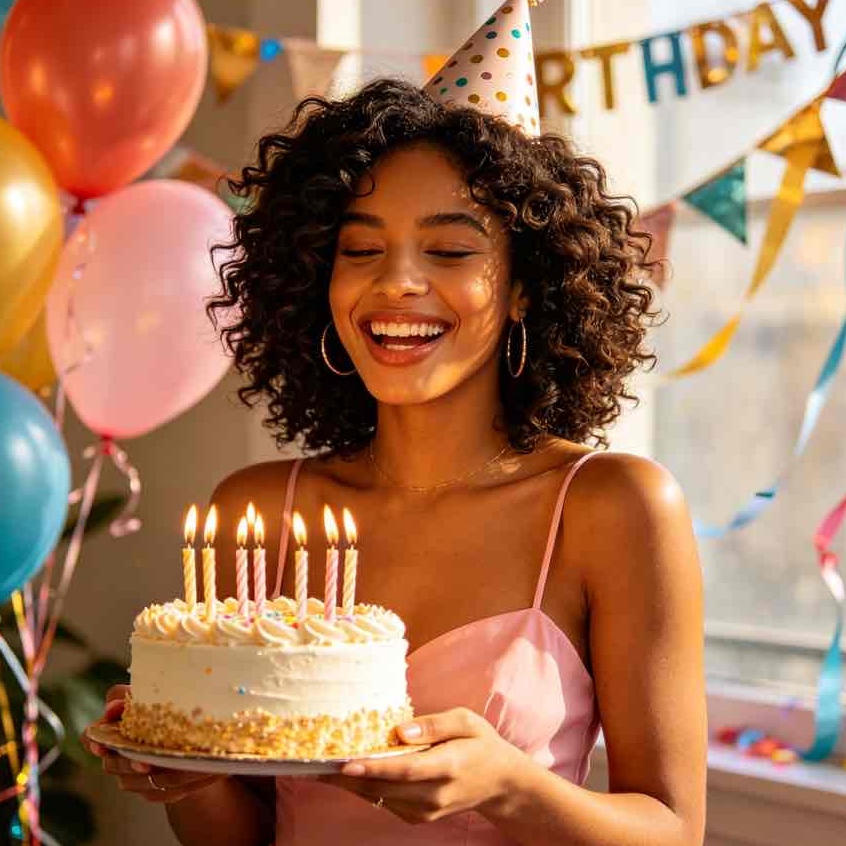
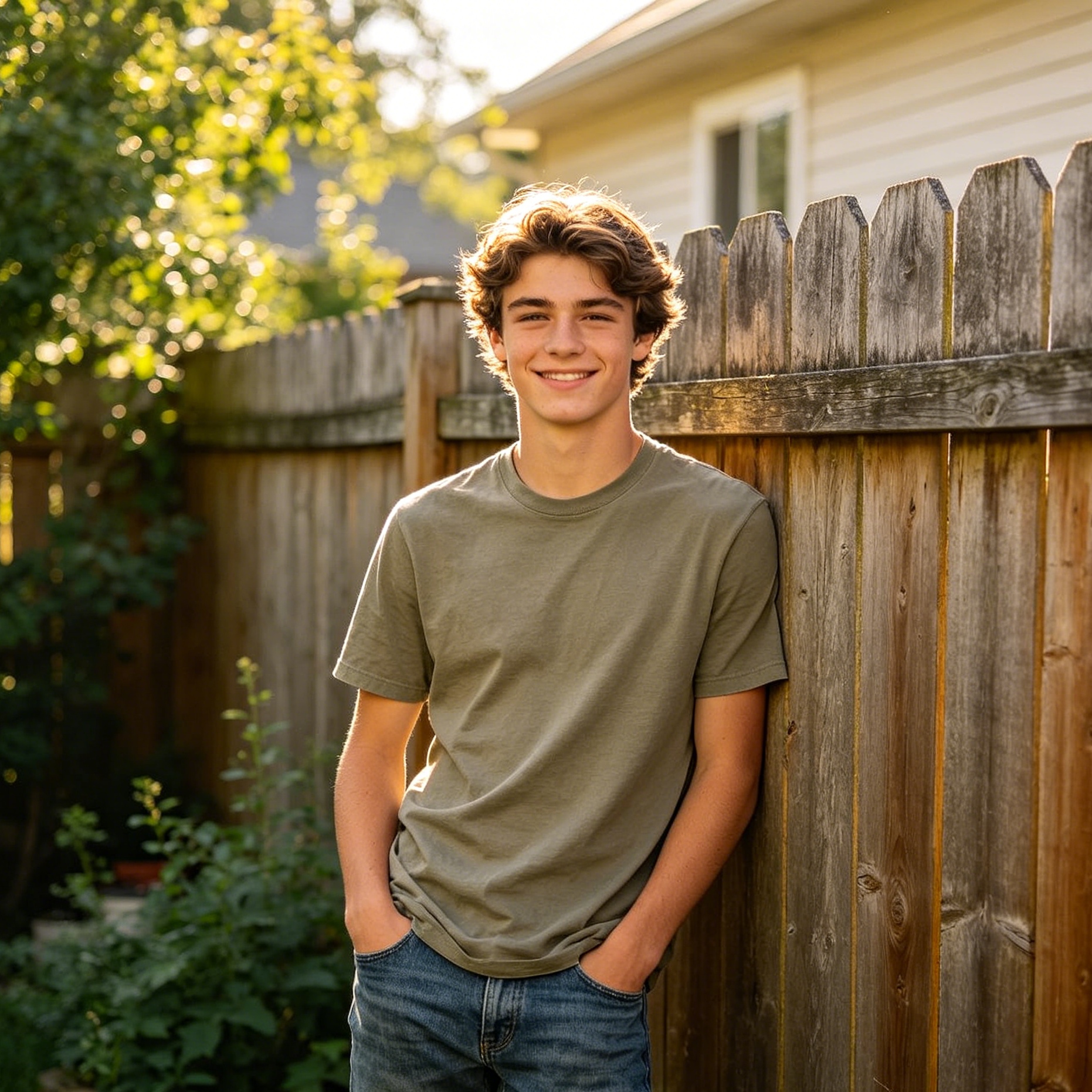
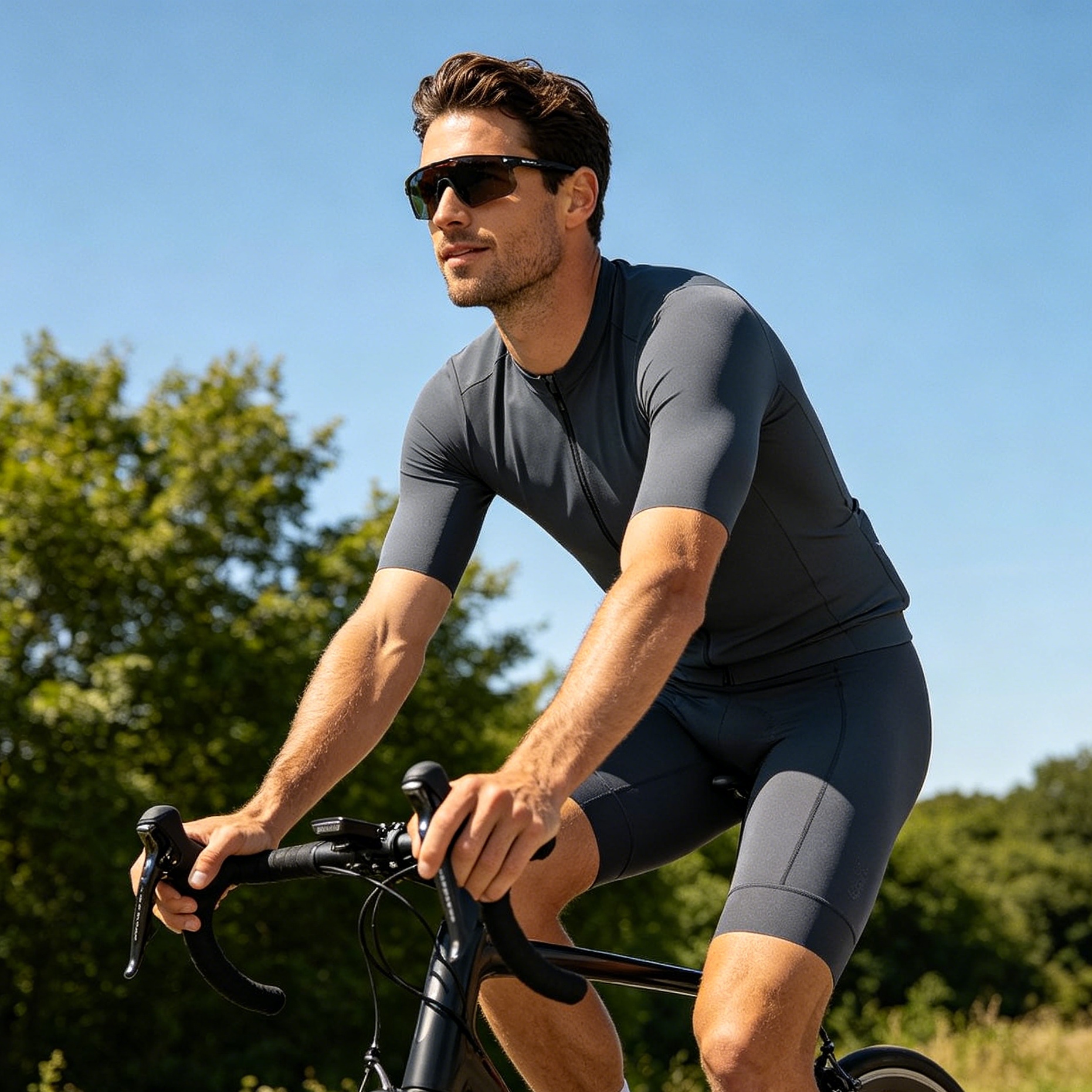
Generating human portraits is widely considered the most challenging task for artificial intelligence. While ChatGPT and its underlying DALL-E 3 engine are incredibly capable, most users struggle with the "uncanny valley"—images that look almost human but possess a waxy, artificial, or hollow quality. The secret to bridging this gap does not lie in using vague adjectives like "photorealistic" or "ultra-detailed." Instead, it requires a structured approach rooted in the fundamentals of traditional photography and optical physics.
Professional AI portrait generation is about translating professional camera settings, lighting techniques, and environmental context into a language the AI understands. By shifting from simple descriptions to a multi-layered framework, the output transforms from a generic digital render to a high-end editorial photograph.
The Problem With Generic Portrait Prompts
When a user asks ChatGPT for "a realistic portrait of a man," the model defaults to a mean average of all portraits in its training data. This usually results in flat lighting, over-smoothed skin, and a generic expression. To produce something exceptional, one must understand the four primary failure points in AI portraiture:
- Directionless Lighting: Without specific instructions, AI often creates a "beauty filter" effect where light comes from everywhere, eliminating the shadows that define facial structure.
- Texture Smoothing: AI models have a tendency to remove pores, fine lines, and natural imperfections, leading to the "plastic skin" effect.
- Focal Length Ambiguity: Different lenses distort faces in different ways. Without specifying a lens, the AI might use a wide-angle perspective for a close-up, making the nose appear larger or the face distorted.
- Adjective Overload: Words like "stunning," "beautiful," and "amazing" carry no visual data. They are subjective evaluations rather than descriptive instructions.
The Five-Layer Framework for Masterful Portraits
To achieve consistency and quality, every prompt should be built using a five-layer structure. This framework ensures that no critical element of the image is left to the AI's random generation.
Layer 1: The Style Anchor
The style anchor sets the technical medium of the image. It tells ChatGPT whether it is looking through a high-end DSLR, an old film camera, or an artist’s paintbrush.
- Examples: "Editorial photography," "35mm film still," "Cinematic close-up," "Raw DSLR photo."
Layer 2: Technical Specifications
This layer mimics the gear a photographer would use. Mentioning specific lenses and apertures changes how the AI calculates depth and perspective.
- 85mm f/1.8: The gold standard for portraits, providing flattering facial compression and a blurred background (bokeh).
- 35mm f/2.8: Better for environmental portraits where you want to see the subject in their surroundings.
- f/1.4: Creates an extremely shallow depth of field where only the eyes are in sharp focus.
Layer 3: Subject and Mood
Instead of focusing solely on physical appearance, focus on the "vibe" or the "narrative." A subject with a "weary but determined expression" creates a much more compelling image than a "smiling man."
- Descriptors: "Stoic," "contemplative," "radiating joy," "intense gaze," "quietly confident."
Layer 4: Lighting and Environment
Lighting is the most important element for realism. You must define the source, the quality, and the direction of the light.
- Types: "Golden hour," "Rembrandt lighting," "Side-lit by a neon sign," "Soft north-facing window light."
Layer 5: Texture and Quality Locks
This layer prevents the AI from over-smoothing the image. By requesting specific textures, you force the model to render higher-frequency details.
- Keywords: "Visible skin pores," "natural skin texture," "fine facial hair," "no post-processing," "unfiltered."
Mastering Light: The Soul of the Portrait
In our testing of ChatGPT’s DALL-E 3, we have found that specific lighting terminology yields significantly better results than general descriptors. Light creates depth, and depth creates realism.
The Power of Chiaroscuro and Dramatic Shadows
If you want a moody, cinematic look, use the term "Chiaroscuro." This technique, popularized by Renaissance painters and film noir directors, emphasizes the contrast between light and dark.
- Prompt Tip: "Apply dramatic chiaroscuro lighting, with one side of the face lost in deep shadow and a sharp rim light defining the profile."
Natural Light vs. Studio Light
For a professional corporate look, "Softbox lighting" or "Three-point lighting" is ideal. It creates a polished, clean aesthetic with catchlights in the eyes. For a more authentic, "candid" feel, "Overcast daylight" or "Dappled sunlight through leaves" provides a softer, more organic texture.
The Importance of Catchlights
A portrait often feels "dead" because the eyes lack a reflection of a light source. By specifically mentioning "prominent catchlights in the pupils," you add a spark of life that immediately breaks the uncanny valley.
Lens Choice and Its Impact on Facial Proportions
One of the most common mistakes in AI prompting is neglecting the focal length. In real-world photography, the lens choice is a narrative decision.
- The 85mm Lens (The Specialist): This lens is the most flattering for the human face. It slightly flattens the features, making the nose and ears appear in better proportion to the rest of the face. Use this for headshots and beauty shots.
- The 50mm Lens (The Naturalist): Known as the "nifty fifty," this lens most closely mimics the human eye's perspective. It feels honest and intimate.
- The 35mm Lens (The Storyteller): This is wider. It is perfect for "Environmental Portraits" where the background (a messy workshop, a grand library, a rainy street) is just as important as the person.
The "Anti-Plastic" Strategy: How to Get Real Skin
DALL-E 3 has a built-in tendency to make people look like they are made of porcelain. To fight this, you must explicitly describe the micro-details of human skin.
Instead of saying "clear skin," try:
"Highly detailed skin texture with visible pores, slight freckles, and natural oils reflecting the light. Avoid any airbrushing or smoothing effects. The skin should look raw and unfiltered."
By using words like "raw," "unfiltered," and "DSLR," you trigger a different part of the training data that focuses on high-resolution photography rather than digital art or beauty retouching.
Professional ChatGPT Portrait Prompt Templates
Here are several specialized templates based on the Five-Layer Framework. You can copy these and swap out the [Subject] and [Setting] for your specific needs.
1. The High-End Editorial Portrait
This style is perfect for magazine covers or high-fashion looks. It emphasizes clean lines and sophisticated lighting.
- Prompt: "A professional editorial portrait of a [Subject], shot on an 85mm lens at f/1.8. Studio setting with softbox lighting and a subtle rim light defining the hair. Sharp focus on the eyes, highly detailed irises, visible skin texture with natural pores. Neutral gray background, shallow depth of field, high-end fashion photography style."
2. The Cinematic "Film Still" Portrait
This creates an image that looks like a frame from a high-budget movie. It focuses on atmosphere, color grading, and emotion.
- Prompt: "A cinematic close-up of a [Subject] in a [Setting] at night. Moody teal and orange color grading. Lit by the warm glow of a nearby window, casting deep shadows. Shot on 35mm anamorphic lens, slight film grain, cinematic composition. The subject has a [Mood] expression, looking slightly off-camera."
3. The Rugged Documentary Portrait
This is the best style for "National Geographic" type shots. It focuses on character, age, and environmental hardship.
- Prompt: "A raw, documentary-style portrait of a [Subject] in an outdoor [Setting]. Harsh midday sun creating high-contrast shadows. Shot on a 50mm lens, f/5.6 for moderate detail in the background. Weathered skin, deep wrinkles, and sun-drenched textures. Unfiltered, authentic photography, no beauty retouching."
4. The Neo-Noir Street Portrait
For a gritty, urban feel with vibrant colors and high contrast.
- Prompt: "A gritty street photography portrait of a [Subject] standing in a rainy Tokyo alleyway. Neon signs in pink and blue reflecting in the wet pavement and the subject's eyes. Shot on a 35mm lens, f/2.0, fast shutter speed to capture falling raindrops. Gritty texture, high contrast, candid moment."
5. The Ethereal Fine Art Portrait
When realism is the foundation, but the mood is magical or dreamlike.
- Prompt: "A fine art portrait of a [Subject] draped in translucent fabric. Soft, diffused lighting that mimics a Dutch Golden Age painting. Muted earthy tones, dreamlike atmosphere, soft focus on the edges. The subject's expression is one of ethereal calm. 100mm macro lens for extreme detail on the eyes and fabric fibers."
Technical Deep Dive: Color Theory in Portraits
A high-value portrait isn't just about the person; it’s about the color harmony. When writing prompts, specifying a color palette can drastically improve the professional feel of the output.
- Analogous Colors: Using colors that are next to each other on the color wheel (e.g., gold, orange, and red for a sunset portrait) creates a sense of harmony and peace.
- Complementary Colors: Using opposites (e.g., a subject in a blue jacket against an orange desert background) creates "pop" and energy.
- Monochromatic: A portrait in shades of blue or green can evoke sadness, coldness, or clinical precision.
When prompting, add a sentence like: "The color palette should be dominated by warm ambers and deep browns to evoke a sense of nostalgia."
How to Iterate and Refine Your Results
The first image ChatGPT generates is rarely perfect. The beauty of the tool is its conversational nature. Here is how to refine an image:
- Adjust the Light: If the face is too dark, say: "Increase the exposure on the subject's face and add a soft fill light to the shadows."
- Change the Lens: If the background is too busy, say: "Use a wider aperture like f/1.2 to create a stronger bokeh effect and blur the background further."
- Fix the Skin: If they look like a doll, say: "Add more skin imperfections, subtle freckles, and visible pores to make the skin look more human and less processed."
- Preserve Identity: If you like the person but hate the clothes, say: "Keep the facial features and the person exactly the same, but change the outfit to a heavy wool turtleneck sweater."
Essential Vocabulary for Better AI Portraits
To speak the language of DALL-E 3 effectively, incorporate these professional terms into your prompts:
- Bokeh: The aesthetic quality of the out-of-focus blur in a photograph.
- Depth of Field (DoF): The distance between the nearest and the farthest objects that are in acceptably sharp focus.
- Golden Hour: The period shortly after sunrise or before sunset where the light is redder and softer.
- High-Key Lighting: A style of lighting that is bright and contains few shadows (good for upbeat, commercial looks).
- Low-Key Lighting: A style that focuses on shadows and dark tones (good for mystery or drama).
- Tonal Range: The range of tones from the darkest to the lightest areas of an image.
- Catchlight: A spark of light in the eyes of a subject.
Summary
Creating professional portraits in ChatGPT requires a departure from "asking" and a move toward "directing." By treating the AI as a world-class photographer who just needs a clear brief, you can unlock results that are indistinguishable from real photography. Remember the Five-Layer Framework: define the style, set the technical camera parameters, describe the subject's soul, control the light and environment, and finally, lock in the skin textures to avoid the artificial polish.
With these techniques, your AI-generated portraits will move beyond mere images and become compelling visual stories.
Frequently Asked Questions (FAQ)
What is the best lens for a ChatGPT portrait?
For a standard headshot, an 85mm lens is the best choice as it provides the most flattering facial proportions. For an environmental portrait where you want to see the background, a 35mm lens is preferred.
Why do my ChatGPT portraits always look like cartoons or 3D renders?
This usually happens because the prompt is too simple or uses words like "photorealistic." To fix this, use technical photography terms like "Shot on 35mm film," "raw photo," "f/1.8," and specifically request "visible skin pores" and "natural skin texture."
Can I generate the same person in different poses?
ChatGPT (DALL-E 3) currently struggles with perfect character consistency. However, you can improve results by giving the character a very specific name and a highly detailed description of unique features (e.g., "a small scar on the left eyebrow," "heterochromia eyes"). Referring back to the previous image in the conversation also helps.
How do I stop DALL-E from adding extra fingers or distorted limbs?
While you cannot "turn off" AI artifacts completely, you can reduce them by using "negative constraints" in your natural language. For example: "The subject should have a simple pose with hands tucked in pockets to ensure anatomical accuracy."
What lighting is best for a professional LinkedIn headshot?
Use "Softbox lighting" or "Clamshell lighting" with a "neutral studio background." This provides even, flattering light that eliminates harsh shadows and looks professional.
-
Topic: ChatGPT Image Prompts For Realistic Portraitshttps://aiartrevolution.com/chatgpt-image-prompts-for-realistic-portraits/
-
Topic: ChatGPT Image Prompts for Realistic Portraitshttps://queststudio.io/blog/chatgpt-image-prompts-realistic-portraits
-
Topic: 50+ Best ChatGPT Photo & Image Effect Prompts in 2026 [Copy & Paste]https://www.template.net/business/chatgpt-photo-effect-prompts/