Home
Home
How to Implement the GPT Image API for Professional Workflows
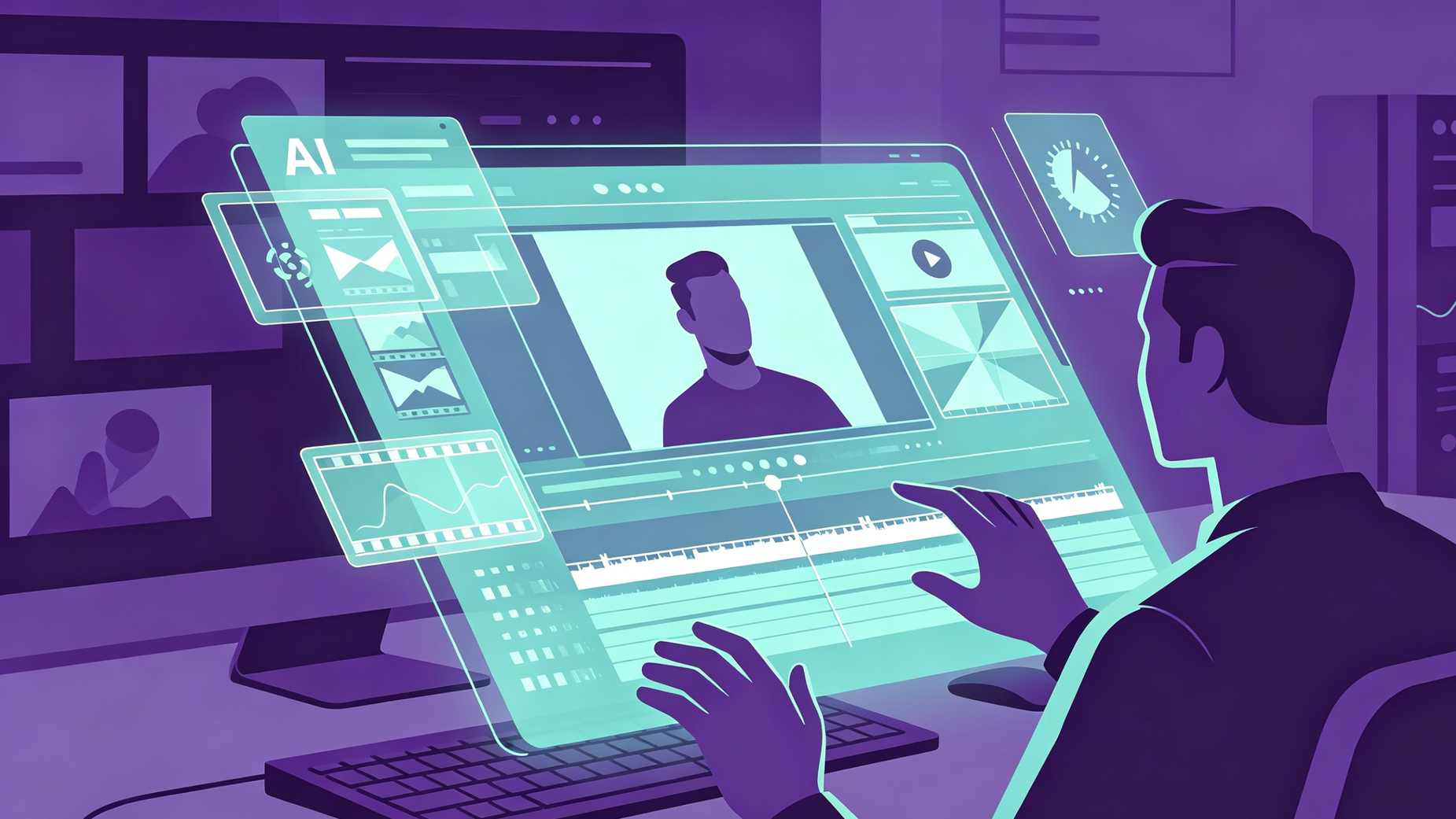
The landscape of generative AI has shifted dramatically with the retirement of the DALL-E series in early 2026. In its place, the GPT Image model family has emerged as the new standard for developers and enterprises seeking to integrate high-fidelity visual generation into their applications. This transition represents more than just a name change; it signifies a move toward more integrated, multimodal workflows where image generation is no longer an isolated task but a core component of conversational intelligence.
If you are building an application today, understanding the nuances of the GPT Image API is essential. From choosing between the lightweight Mini models for rapid prototyping to leveraging the flagship GPT Image 2 for 4K high-resolution outputs, the current API offers a level of granularity that was previously unavailable. This guide provides a comprehensive breakdown of the technology, the interfaces, and the implementation strategies required to master these tools.
The New Architecture: GPT Image Model Family
With the deprecation of DALL-E 3, OpenAI has streamlined its offerings into a cohesive "GPT Image" brand. This alignment ensures that the image models share a similar versioning and performance logic with their text-based counterparts.
GPT Image 2: The Flagship Powerhouse
GPT Image 2 is the current gold standard for fidelity. It is optimized for high-detail tasks, professional photography simulation, and complex instruction following. In our internal testing for design automation, this model consistently outperformed its predecessors in handling complex spatial relationships—such as placing multiple specific objects in a scene without bleeding colors or distorted geometries.
- Primary Strength: High-resolution generation (up to 4K) and superior text-rendering capabilities within images.
- Use Case: Production-grade marketing assets, high-end UI mockups, and realistic stock photography.
GPT Image 1.5: The Performance Balanced Tier
As the bridge between the old and the new, GPT Image 1.5 remains a favorite for developers who need high-quality results without the latency associated with the flagship model. It offers a significant speed boost over version 2 while maintaining about 90% of the visual coherence.
- Primary Strength: Multimodal context handling and faster inference times.
- Use Case: Dynamic content for social media and interactive educational tools.
GPT Image 1 Mini: High-Volume Efficiency
The Mini model is perhaps the most significant addition for the developer community. At a fraction of the cost ($0.005 per image), it allows for large-scale experiments and high-volume generation tasks that were previously cost-prohibitive. While it lacks some of the advanced "face preservation" features of the higher tiers, it excels in abstract art, icon generation, and rapid sketching.
- Primary Strength: Extremely low cost and high throughput.
- Use Case: Generating placeholders, rapid brainstorming sessions, and cost-sensitive consumer apps.
Choosing the Right API Interface
A common point of confusion for developers is deciding between the standard Image API and the new Responses API. Each serves a distinct architectural purpose.
The Standard Image API (/v1/images/generations)
The Image API is designed for "one-shot" tasks. You send a prompt, you get an image. This is the cleanest implementation if your application simply requires a "Generate Image" button. It is stateless, predictable, and requires minimal overhead.
When to use it:
- You have a clear, finalized prompt.
- You are generating a single image or a batch of variations in a single request.
- You want direct control over model selection (e.g., explicitly calling
gpt-image-2).
The Responses API (Agentic Workflow)
The Responses API is the future of interactive AI. Instead of calling an image model directly, you interact with a mainline model (like GPT-5.5) and provide it with an image_generation tool. The model then decides, based on the conversation, whether it needs to generate a new image or edit an existing one.
When to use it:
- You are building a chatbot that helps users refine an image through conversation.
- You need "multi-turn editing," where the user says, "Now make the sky purple," and the AI understands the context of the previous image.
- You are developing an autonomous agent that decides when a visual aid is necessary to answer a query.
Technical Implementation with Python
Integrating the GPT Image API is straightforward using the official OpenAI SDK. Below are the implementation patterns for both the standard generation and the conversational tool-based approach.
Basic Generation using the Image API
This is the most common implementation for developers migrating from the legacy DALL-E endpoints.
-
Topic: Image generation | OpenAI APIhttps://developers.openai.com/api/docs/guides/image-generation?api=responses&image-generation-model=gpt-image
-
Topic: How to Use Image Generation Models from OpenAI (classic) - Microsoft Foundry (classic) portal | Microsoft Learnhttps://learn.microsoft.com/en-ca/azure/foundry-classic/openai/how-to/dall-e
-
Topic: 图像 生成 | open ai api - open ai 教程https://developers.openai.ac.cn/api/docs/guides/image-generation