Home
Home
How to Prompt AI to Generate High Quality Images With Precision
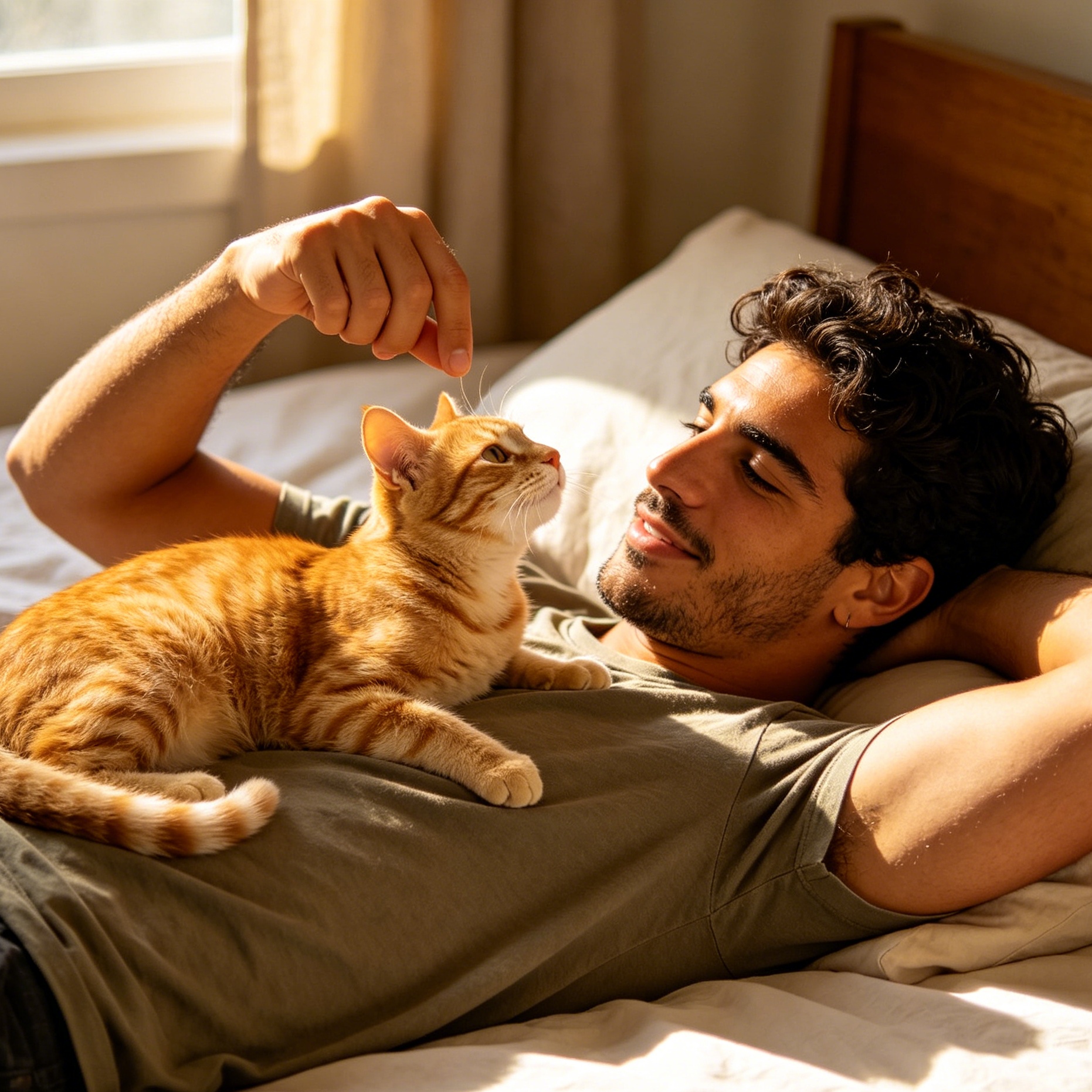
Artificial intelligence has fundamentally altered the creative landscape, transforming how we conceptualize and produce visual content. When the goal is to have an AI "do images" for you, the success of the output hinges almost entirely on the quality of the input. This process, often referred to as prompt engineering, is the bridge between a vague idea and a masterpiece. To get the best results, one must understand that an AI model does not think like a human; it predicts pixels based on linguistic patterns and massive datasets of existing imagery.
Generating a high-quality image requires more than just a simple noun. It requires a structured hierarchy of descriptors that define everything from the primary subject to the subtle nuances of atmospheric lighting.
Understanding the Anatomy of a High-Performing Prompt
A professional-grade prompt is rarely shorter than twenty words. While models like DALL-E 3 have become increasingly adept at interpreting natural language, specialized tools like Midjourney or Stable Diffusion still thrive on structured parameters. To ensure the AI produces exactly what you envision, consider the following structural pillars.
The Subject and Its Primary Action
The subject is the focal point of your image. However, a common mistake is being too brief. Instead of "a cat," specify "a Maine Coon cat with dense silver fur." Beyond the subject, define the action. Is the subject running, sleeping, or staring intensely into the camera? Action provides the AI with a sense of movement and weight, which affects how textures and lighting are rendered.
Defining Artistic Style and Medium
If you do not specify a style, the AI will default to a generic "digital art" or "photorealistic" look, which can often feel sterile. To elevate the work, specify the medium. For instance, "an oil painting on canvas with heavy impasto brushstrokes" will yield a vastly different result than "a sharp, 8K digital illustration."
In our internal testing sessions with Midjourney v6, we found that referencing specific historic eras or artistic movements—such as Art Nouveau, Bauhaus, or Ukiyo-e—provides the model with a clear color palette and compositional logic that modern descriptors lack.
The Environmental Context
Where is the subject located? The background should not be an afterthought. A subject in a "neon-lit Tokyo alleyway during a rainstorm" interacts with its environment through reflections and color bleeding. Mentioning the environment allows the AI to calculate how the surroundings influence the subject’s appearance, particularly regarding shadows and highlights.
Mastering Light, Mood, and Atmosphere
Lighting is arguably the most critical element in visual storytelling. It dictates the emotional resonance of the image and defines the depth of the composition.
Natural and Cinematic Lighting
When generating outdoor scenes, use specific times of day. "Golden hour" produces warm, long shadows and soft highlights, while "blue hour" offers a cool, tranquil atmosphere. For indoor or studio-style portraits, technical terms often yield superior results. Terms like "Rembrandt lighting," "rim lighting," or "chiaroscuro" tell the AI exactly where the light source should be positioned relative to the subject.
Atmospheric Effects and Texture
To add a sense of realism or "lived-in" quality, incorporate atmospheric descriptors. "Volumetric fog," "dust motes dancing in sunbeams," or "subsurface scattering on skin" are phrases that trigger advanced rendering techniques within the AI's neural network. In our practical experience, including "subsurface scattering" is the secret to avoiding the "plastic" look often associated with AI-generated human faces.
Technical Parameters and Frame Composition
Beyond descriptive language, most advanced AI image generators allow for technical overrides that dictate the final file’s structure.
Controlling Aspect Ratios
The aspect ratio defines the canvas. For social media stories, a vertical ratio (9:16) is necessary, whereas cinematic landscapes require a wide format (21:9 or 16:9). In many tools, this is controlled by adding a suffix such as --ar 16:9.
Camera Angles and Lens Selection
Photographers understand that a 35mm lens captures a story differently than a 200mm telephoto lens. AI models have learned these associations. If you want a vast, sweeping landscape, use "ultra-wide-angle lens" or "fisheye." For portraits with a soft, blurred background (bokeh), specify an "85mm f/1.8 lens."
In a recent experiment creating architectural visualizations, we found that using "low-angle shot" or "worm's-eye view" significantly increased the perceived scale and majesty of the buildings compared to a standard eye-level prompt.
Deep Dive into Specific Artistic Movements
To truly master AI image generation, one must speak the language of art history. By referencing specific styles, you leverage the AI’s training on thousands of years of human creativity.
Cyberpunk and Futurism
This style is characterized by high contrast, neon aesthetics, and a blend of high-tech and low-life. Use keywords like "anachrome," "bioluminescent," and "cybernetic enhancements." The color palette usually revolves around magentas, cyans, and deep blacks.
Minimalism and Flat Design
For modern branding or UI design, less is more. Prompts should include "minimalist," "clean lines," "negative space," and "vector art style." Limiting the color palette in the prompt (e.g., "monochromatic with gold accents") prevents the AI from overcomplicating the image.
Surrealism and Dream-Logic
When creating conceptual art, surrealism allows for the breaking of physics. References to "Salvador Dalí" or "René Magritte" can help the AI understand how to blend disparate objects together—like a clock melting over a tree branch—without it looking like a simple glitch.
Practical Workflows for Professional Use Cases
AI images are no longer just for fun; they are being integrated into professional pipelines across various industries.
E-commerce and Product Photography
Generating product shots without a physical studio is a major trend. A successful prompt for a luxury watch might look like this: "Luxury Swiss watch resting on a dark marble slab, dramatic side lighting with deep shadows, macro photography, 100mm lens, sharp focus on the dial, 8K resolution, photorealistic." By specifying the surface (dark marble) and the lighting (side lighting), you create a high-end commercial aesthetic.
Architecture and Interior Design
Designers use AI for rapid prototyping. Instead of "a modern living room," try: "Scandinavian interior design, open-concept living room, floor-to-ceiling windows, light oak wood flooring, mid-century modern furniture, soft natural daylight, cinematic architectural photography." This level of detail allows the AI to generate a cohesive design language rather than a random assortment of furniture.
Game Design and Concept Art
Concept artists use AI to generate "mood boards." For a fantasy RPG, a prompt might involve: "Ancient ruins of a dragon temple, overgrown with glowing emerald moss, misty atmosphere, dark fantasy aesthetic, intricate stone carvings, wide-angle cinematic shot, Unreal Engine 5 render style." Mentioning "Unreal Engine 5" or "Octane Render" often pushes the AI toward a specific high-fidelity digital look common in modern gaming.
Common Pitfalls in AI Image Generation and How to Solve Them
Despite the power of these models, they are not perfect. Knowing how to troubleshoot is a key skill.
Dealing with "AI Hands" and Anatomy
One of the most persistent issues is the rendering of human hands. While newer models have improved, they still struggle with complex finger positions. To mitigate this, avoid prompts that require intricate hand-eye coordination (like "knitting" or "playing a flute"). Instead, choose poses where hands are simpler or partially obscured.
Text Rendering Challenges
Most AI models (except for DALL-E 3 and the latest Stable Diffusion releases) struggle to render specific text strings correctly. If you need a sign that says "Cafe," the AI might output "Caffee" or "Cfee." The best approach is to generate the image without text and add the typography later using traditional design tools like Photoshop or Canva.
Over-Saturation and "Over-Cooked" Images
Sometimes, prompts like "hyperrealistic" or "detailed" can lead to images that look unnaturally sharp or saturated. In our experience, using more grounded terms like "shot on 35mm film" or "natural texture" helps keep the image looking professional and balanced.
Strategic Prompt Refinement (Iterative Design)
The first image the AI generates is rarely the final one. Use it as a base. If the composition is perfect but the lighting is too dark, do not change the whole prompt. Instead, keep the core and add "increase exposure" or "add warm ambient light."
Many tools allow for "Inpainting" or "Generative Fill." This is where you select a specific part of an image (like a person’s hat) and ask the AI to change just that part. This granular control is what separates hobbyists from professional AI creators.
Conclusion
Getting an AI to "do images" is a collaborative dance between human intent and machine execution. By mastering the five pillars of prompting—Subject, Style, Context, Lighting, and Technical Parameters—you can move beyond random results and start producing consistent, high-value visual assets. The future of design is not about replacing the artist, but about empowering the creator with a tool that can translate thoughts into pixels at the speed of light.
FAQ
What is the best AI for generating photorealistic images?
Currently, Midjourney v6 and Stable Diffusion (when using specific models like SDXL) are considered the leaders in photorealism. DALL-E 3 is excellent for following complex instructions but can sometimes have a more "illustrative" or "smooth" look.
Can I use AI-generated images for commercial purposes?
This depends on the platform's terms of service and the current copyright laws in your jurisdiction. Generally, paid versions of Midjourney and DALL-E allow commercial use, but you should always verify the latest legal standing as AI copyright law is rapidly evolving.
How do I make the AI generate the same character in different scenes?
Character consistency is achieved through several methods: using a "Character Reference" parameter (like --cref in Midjourney), using "Seed" numbers to maintain the same starting noise, or training a LoRA (Low-Rank Adaptation) on specific images of your character in Stable Diffusion.
Why do my AI images look blurry?
Blurriness often occurs when the prompt lacks technical clarity or when the resolution settings are too low. Ensure you are using terms like "sharp focus," "high resolution," or specifying a lens like "35mm" to tell the AI to prioritize clarity.
What are "negative prompts"?
Negative prompts are instructions that tell the AI what not to include. Common negative prompts include "blurry," "distorted hands," "extra limbs," or "low resolution." These help narrow down the AI's creative path toward a cleaner result.
-
Topic: Will Do png images | PNGWinghttps://www.pngwing.com/en/search?q=will+Do
-
Topic: 1,517 Will Do You Stock Photos - Free & Royalty-Free Stock Photos from Dreamstimehttps://www.dreamstime.com/photos-images/will-do-you.html
-
Topic: 127,700+ Will Do Stock Illustrations, Royalty-Free Vector Graphics & Clip Art - iStockhttps://www.istockphoto.com/illustrations/will-do