Home
Home
How to Turn Any Image Into High-Quality Video With AI
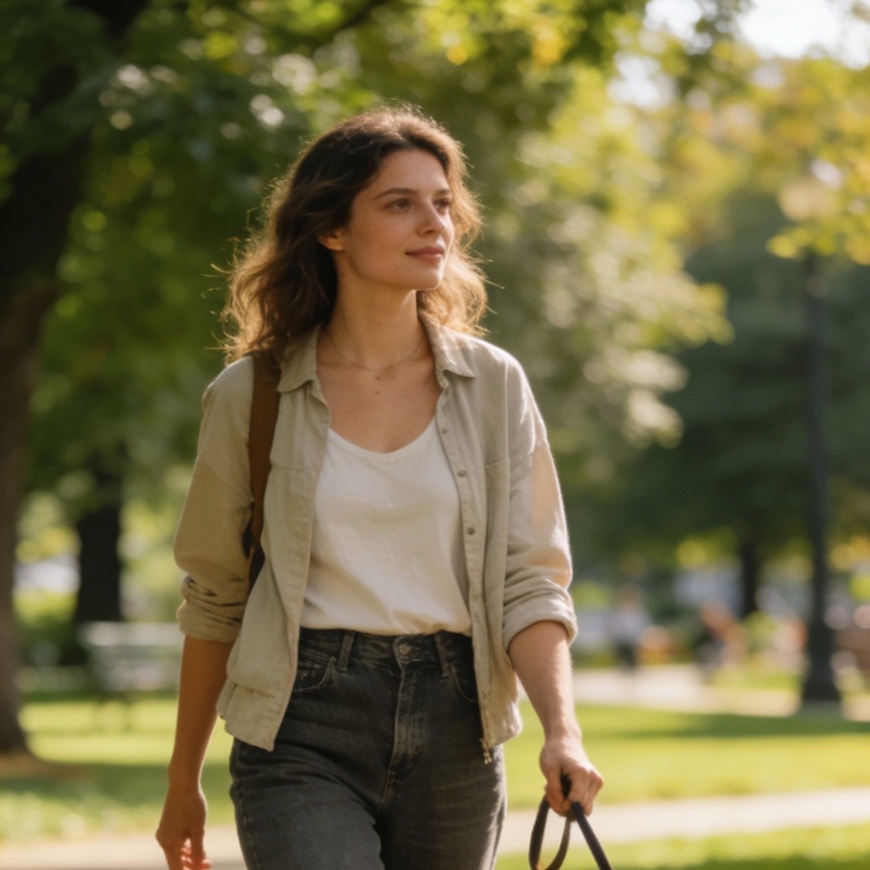
Static images no longer mark the end of the creative process. With the rapid evolution of generative artificial intelligence, the boundary between photography and cinematography has blurred. The "Image-to-Video" (I2V) workflow has emerged as a superior alternative to traditional text-to-video generation, offering creators unprecedented control over the final output. By providing a "starting frame," the AI is guided by a visual anchor, resulting in videos that maintain the subject's identity, composition, and style with far greater consistency.
This movement is powered by sophisticated neural networks that understand not just pixels, but the underlying physics of our world. Whether you are a professional filmmaker looking to generate B-roll, a marketer aiming to stop the scroll on social media, or an artist breathing life into a digital painting, understanding the mechanics and the landscape of AI video generators is essential for staying ahead in 2025.
Why Image-to-Video is Changing the Creative Landscape
In the early days of AI video, "Text-to-Video" was the primary focus. However, creators quickly realized the "slot machine" nature of text prompts: you might get a great result, but it was rarely exactly what you envisioned. Image-to-Video solves the problem of visual intent.
The Advantage of the Starting Frame
When you provide an image, you are giving the AI billions of data points regarding color, lighting, texture, and spatial relationships. This eliminates the "hallucination" phase where the AI tries to guess what a character or environment looks like. Instead, the AI focuses its computational power on one specific task: animating the existing elements in a logically consistent manner.
Predictability and Branding
For brands and professional studios, consistency is non-negotiable. If you have a product photo of a watch, you need the video to feature that exact watch, not a generic AI-generated version. I2V allows for "high-fidelity" transformations where the product remains recognizable while the environment moves, the lighting shifts, or the camera pans around it.
How AI Animates a Static Image
Understanding the technology behind the curtain helps in mastering the tools. Modern AI video generators typically rely on a combination of several advanced techniques.
Diffusion Models and Temporal Consistency
Most top-tier generators use Video Diffusion Models. These models start with a frame of pure noise and slowly refine it into a clear image, frame by frame. To ensure the video doesn't look like a flickering mess, the AI employs "temporal attention" mechanisms. This means every new frame generated is cross-referenced with the previous ones to ensure that an object in Frame 1 doesn't magically disappear or change shape in Frame 10.
Depth Mapping and Spatial Awareness
When an image is uploaded, the AI first performs a 3D analysis. It identifies the foreground, middle ground, and background. By creating a hidden "depth map," the AI understands that a mountain in the distance should move slower than a person walking in front of the camera. This parallax effect is what gives AI-generated videos their professional, cinematic feel.
Motion Prediction
The AI has been trained on millions of hours of real footage. It knows that when wind blows, grass sways in a specific pattern, and when a person smiles, the muscles around the eyes move accordingly. It doesn't "know" physics in the mathematical sense, but it has learned the visual patterns of physics.
The Best AI Video Generators for 2025
The market is currently dominated by a few key players, each with unique strengths. Based on extensive testing and industry feedback, here are the leading tools.
Runway Gen-3 Alpha: The Professional Standard
Runway has long been a pioneer in the space, and their Gen-3 Alpha model represents a massive leap in temporal consistency and cinematic quality.
- Experience Note: In our testing, Runway Gen-3 excels at complex camera movements. When using the "Camera Motion" brush, you can specify exactly how the virtual lens should move—panning, tilting, or zooming—with a level of precision that feels like using a real camera rig.
- Key Strength: High-resolution output and the "Director Mode," which offers granular control over motion intensity.
- Best For: Filmmakers and high-end advertising agencies.
Kling AI: The Realism Powerhouse
Kling AI has gained massive popularity for its ability to generate realistic human movements and longer clips (up to 10 seconds or more).
- Experience Note: We observed that Kling handles "soft body" physics—like the way clothes drape or how food looks when being bitten—better than almost any other model. It avoids the "uncanny valley" by maintaining structural integrity during fast movements.
- Key Strength: Exceptional realism in human facial expressions and physical interactions.
- Best For: Realistic storytelling and character-driven content.
Luma Dream Machine: Speed and Accessibility
Luma Labs entered the scene with a focus on speed and high-quality "dreamy" aesthetics.
- Experience Note: Luma is incredibly fast. For creators who need to iterate through dozens of ideas quickly, its ability to turn a photo into a 5-second cinematic clip in under two minutes is a game-changer. The lighting transitions it generates are often breathtakingly beautiful, though it can occasionally be more "creative" (unpredictable) with the motion.
- Key Strength: Ease of use and aesthetic lighting.
- Best For: Social media creators and concept artists.
Adobe Firefly Video Model: The Commercial Choice
Adobe's entry into video focuses on its "Content Authenticity" and "Commercial Safety" initiatives.
- Key Strength: The model is trained on licensed content, making it safe for corporate use without copyright concerns. It integrates directly into Premiere Pro and After Effects.
- Best For: Corporate marketing teams and editors already within the Adobe ecosystem.
Step-by-Step Guide: How to Generate Video from an Image
Creating a great AI video isn't as simple as clicking a button. It requires a strategic approach to get the best results.
Step 1: Prepare Your Source Image
The "Garbage In, Garbage Out" rule applies here.
- Resolution: Use at least a 2K resolution image. Low-res images will result in blurry, artifact-heavy videos.
- Clarity: Ensure the subject is well-defined. Avoid overly "busy" images where the AI might struggle to distinguish between the background and the foreground.
- Aspect Ratio: Crop your image to the desired output ratio (9:16 for Reels, 16:9 for YouTube) before uploading.
Step 2: Crafting the Motion Prompt
Most tools allow you to provide a text prompt alongside the image. Don't describe the image itself (the AI already sees it); instead, describe the action.
- Bad Prompt: "A woman standing in the rain." (Too static)
- Good Prompt: "Cinematic slow-motion. Raindrops splashing on the woman's face, wind blowing through her hair, streetlights reflecting in the puddles. Slow zoom into her eyes."
Step 3: Adjust the Settings
- Motion Scale/Intensity: Most tools have a slider (usually 1-10). A higher number creates more movement but increases the risk of the image "breaking" or morphing unnaturally. For realistic scenes, a setting of 4-6 is usually the sweet spot.
- Seed Number: If you like a specific type of motion but want a slight variation, keep the "Seed" number the same and tweak the prompt.
Step 4: Iteration and Upscaling
Rarely is the first generation perfect. Generate 3 to 5 versions of the same image. Once you have a winning clip, use an AI video upscaler (like Topaz Video AI or the built-in upscalers in Runway) to bring the resolution up to 4K and add extra sharpness.
Expert Techniques for Realistic Motion
To move from "cool AI clip" to "professional-grade video," you need to master these advanced techniques.
The "Animate Brush" Technique
Tools like Runway offer a "Motion Brush." Instead of telling the whole image to move, you can paint over specific areas.
- Pro Tip: If you have a photo of a person standing by a waterfall, only paint the water. This prevents the person from "melting" while the water flows realistically. This selective animation is the secret to high-end AI cinematography.
Guiding the Camera
Understanding basic cinematography terms will significantly improve your results. Use these keywords in your prompts:
- Dolly Zoom: Creates a sense of unease or realization.
- Orbit: Rotates the camera around the subject.
- Dutch Angle: Provides a stylized, tense feeling.
- Handheld: Adds a slight "shake" for a documentary or realistic feel.
Handling "Hallucination" in Human Limbs
One of the biggest challenges is "extra limbs" or "morphing hands." To minimize this:
- Keep the subject's hands visible but static in the source image.
- Avoid prompts that require complex finger movements (like playing a piano) unless the model specifically supports it.
- Use "Negative Prompts" if available to exclude terms like "extra fingers, deformed limbs, morphing."
Use Cases for Image-to-Video AI
1. E-commerce and Product Marketing
Transform a static product shot into a high-energy ad. A shoe can suddenly be surrounded by splashing water, or a watch can have sunlight glinting off its glass as the camera rotates. This reduces the need for expensive, high-production video shoots.
2. Reviving Historical or Personal Memories
One of the most emotional uses of I2V is animating old family photos. Seeing a great-grandparent blink or smile from a 100-year-old photograph creates a powerful connection that a static image cannot match.
3. Concept Art for Filmmaking
Directors use AI to create "living mood boards." Instead of showing a studio a static drawing of a sci-fi city, they can show a 5-second clip of flying cars moving through the neon-lit streets, helping stakeholders visualize the final film's pacing and atmosphere.
4. Social Media Content
In the attention economy, movement is king. Converting a static infographic or a meme into a video significantly increases engagement rates on platforms like TikTok and Instagram.
What are the Limitations?
While the technology is impressive, it is not yet perfect.
- Duration: Most generators are limited to 5-10 second clips. Creating a long-form narrative requires "stitching" many clips together.
- Physics Failures: Sometimes AI forgets that gravity exists or that solid objects shouldn't pass through each other.
- Text Rendering: AI still struggles to render legible, moving text within a video scene. It is better to add text overlays in post-production using traditional editing software.
Summary of Key Takeaways
AI video generation from images has matured into a reliable tool for creators. By choosing the right platform—whether it's the professional control of Runway, the realism of Kling, or the speed of Luma—you can transform any static visual into a cinematic experience. The key to success lies in starting with high-quality source material, mastering the art of the motion prompt, and using selective animation tools to maintain control over the "AI's imagination."
Frequently Asked Questions (FAQ)
What is the best AI video generator from images for free?
Most top-tier tools like Luma Dream Machine and Kling AI offer a limited number of free "credits" per day or month. For a completely free experience, you might look at open-source models like Stable Video Diffusion (SVD) if you have a powerful enough PC to run them locally.
Can I turn my own photos into AI videos?
Yes. All the tools mentioned (Runway, Luma, Kling, etc.) allow you to upload your personal JPG or PNG files. For privacy, check the terms of service of each platform to see how they store and use your uploaded data.
Is the AI video quality good enough for 4K?
Most generators output at 720p or 1080p. To reach 4K, you typically need to use a secondary AI upscaling tool. However, newer models like Google Veo and Runway Gen-3 are increasingly offering higher native resolutions.
Can I use AI-generated videos for commercial work?
This depends on the platform's licensing. For example, Adobe Firefly is built specifically for commercial safety. Runway and Luma require a paid subscription for commercial usage rights. Always verify the license before using a clip in a paid advertisement.
How do I stop the video from looking "glitchy"?
To reduce glitches, lower the motion intensity, use a higher-quality starting image, and avoid prompts that require too much change from the original image. If a clip is glitchy, try "re-rolling" with a different seed number.
-
Topic: Free AI Image to Video Generator: Convert Photos to Videos - Adobe Fireflyhttps://www.adobe.com/au/products/firefly/features/image-to-video.html
-
Topic: Top 5 AI Video Generators from Images for Stunning Visual Contenthttps://www.capcut.com/resource/ai-video-generator-from-image
-
Topic: Image to Video AI Generator: Convert Photos to Videos Online | Media.iohttps://www.media.io/ai/image-to-video?crcId=59388400