Home
Home
How to Turn ChatGPT Into a Professional Image Prompt Engineer
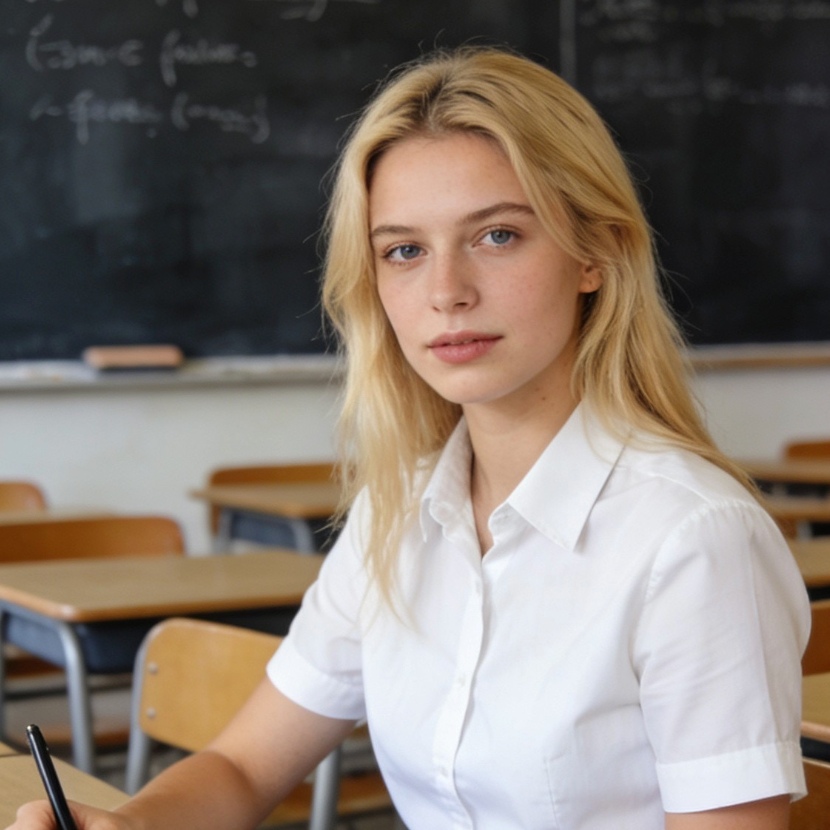
High-quality AI image generation is rarely the result of a single, simple sentence. While tools like Midjourney, DALL-E 3, and Stable Diffusion possess immense creative potential, they often struggle with vague input. A prompt like "a cat in space" yields generic results, whereas a structured, multi-layered description produces a masterpiece. This gap between imagination and output is where ChatGPT excels. By using the right system instructions, ChatGPT transforms from a simple chatbot into a sophisticated Image Prompt Engineer capable of translating thin ideas into vivid, production-ready visual directives.
Why Most AI Image Prompts Fail and How Structure Fixes Them
The primary reason users feel underwhelmed by AI art generators is the "vulnerability of interpretation." When an AI model receives a short prompt, it fills the gaps with its own default biases. These defaults are often boring, poorly lit, or compositionally flat. To get professional results, the prompt must eliminate ambiguity by addressing specific artistic pillars.
In professional workflows, we rely on the Gold Formula: Subject + Medium + Environment + Lighting + Mood + Composition.
When ChatGPT is programmed to think within this framework, it no longer just "describes" a scene; it "engineers" a visual experience. It considers the focal length of a virtual camera, the specific era of an art style, and the physics of light hitting a surface. This level of detail is what separates a casual hobbyist from a professional creator.
The Mega Prompt That Programs ChatGPT for Visual Engineering
To turn ChatGPT into an expert image prompt generator, a specific set of instructions is required. This "Mega-Prompt" sets the persona and the structural requirements for every response. Copying and pasting this into a new ChatGPT session creates a specialized environment for image creation.
The System Directive
"I want you to act as an expert AI Image Prompt Engineer. I will provide a basic idea, and you will expand it into a highly detailed prompt optimized for AI image generators like Midjourney or DALL-E 3.
Please follow this structure for every prompt you create:
- Subject: Clearly define the main character, object, or central theme.
- Action/Setting: Describe the interaction and the specific environment.
- Artistic Style: Specify the medium, such as photorealistic, cyberpunk, oil painting, or 3D render.
- Lighting/Color Palette: Detail the light source, intensity, and the specific color scheme.
- Camera/Technical: Mention lens types (e.g., 85mm), resolution (8k), and depth of field.
Provide the final output as a single, cohesive paragraph optimized for the AI model."
By establishing these rules, ChatGPT stops providing conversational fluff and starts producing technical specifications that AI models can digest effectively.
Breaking Down the Five Pillars of a Perfect Image Prompt
To understand why this ChatGPT-driven approach works, it is necessary to examine the technical components it manages.
Defining the Subject with Precision
A "man" is not enough. An Image Prompt Engineer defines the man’s age, ethnicity, clothing texture, and facial expression. ChatGPT can assist by suggesting "a weathered 60-year-old fisherman with deep-set wrinkles and a salt-and-pepper beard, wearing a heavy yellow oilskin jacket." This level of detail ensures the AI doesn't have to guess.
Choosing the Right Medium
The "Style" or "Medium" is the most powerful modifier in any prompt. If you want a photograph, you must specify the camera. If you want a painting, you must specify the movement. ChatGPT can automatically suggest styles like "Ukiyo-e," "Biomechanical surrealism," or "Kodachrome 64 film aesthetic" based on the mood of your idea.
Environmental Context and Atmosphere
The background should never be an afterthought. Whether it is a "brutalist concrete interior" or a "bioluminescent rainforest at midnight," the environment dictates the reflections and shadows on the subject. ChatGPT excels at building these worlds by pulling from its vast knowledge of architecture and geography.
Lighting and Color Theory
Lighting is the difference between a flat image and a cinematic one. A professional prompt engineer knows to use terms like "volumetric fog," "rim lighting," "golden hour," or "high-key studio lighting." ChatGPT can map colors to emotions—using teals and oranges for high-energy sci-fi or muted pastels for a nostalgic, ethereal look.
Technical Camera Settings
For photorealistic results, prompt engineering requires knowledge of photography. Specifying a "35mm wide-angle lens" provides a different perspective than a "100mm macro lens." Mentioning "F/1.8 aperture" tells the AI to create a shallow depth of field (bokeh). ChatGPT can bridge the gap for users who aren't trained photographers by applying these settings automatically.
Putting the Generator to the Test with Real World Examples
To demonstrate the power of using ChatGPT as a prompt generator, let us look at how it transforms basic concepts into professional-grade directives.
Example 1: The Portrait
- User Input: A woman in the forest.
- ChatGPT Engineered Prompt: A close-up portrait of a Celtic woman with braided auburn hair and intricate face paint, standing in a misty ancient redwood forest. Style: Ultra-realistic photography. Lighting: Dappled sunlight filtering through thick leaves, creating soft rays of light (crepuscular rays). Technical: Shot on Sony A7R IV, 85mm lens, F/1.4, sharp focus on eyes, soft background bokeh, 8k resolution, cinematic color grading with deep greens and earthy browns.
Example 2: The Architecture
- User Input: A futuristic house.
- ChatGPT Engineered Prompt: A minimalist villa perched on a jagged cliff overlooking a stormy ocean. The structure features sweeping curves of white polished concrete and floor-to-ceiling glass walls. Style: Architectural visualization. Lighting: Moody twilight with warm interior glowing light contrasting against the cool blue hour exterior. Technical: Wide-angle lens, symmetrical composition, ray-traced reflections, Unreal Engine 5 render style, high-gloss materials.
Example 3: The Fantasy Creature
- User Input: A dragon made of fire.
- ChatGPT Engineered Prompt: A serpentine dragon composed entirely of molten lava and shifting solar flares, coiling around a blackened obsidian mountain peak. Style: Digital fantasy illustration. Lighting: Intense self-illumination, glowing embers floating in the air, high contrast between the bright core of the dragon and the dark night sky. Technical: Dynamic composition, sharp jagged textures, epic scale, vivid oranges and magmas.
How to Edit and Refine Images Using ChatGPT Instructions
Generating the initial image is only the first step. Professional workflows involve iterative refinement. If you are using ChatGPT with DALL-E 3 integration, or if you are using it to generate follow-up prompts for Midjourney, the "targeted revision" method is essential.
The Small Revision Strategy
Never rewrite the entire prompt to change one detail. If the image is perfect except for the hair color, tell ChatGPT: "Keep everything exactly the same as the previous prompt, but change the hair color from blonde to raven black. Do not alter the lighting, the background, or the composition." This prevents the "concept drift" that often happens when AI models regenerate an entire scene.
Adding Text and Graphic Elements
The latest models, such as DALL-E 3 and the rumored GPT-Image-2, are significantly better at rendering text. When using ChatGPT to generate these prompts, you must be literal.
- Bad Prompt: "A sign that says welcome."
- Engineered Prompt: "A vintage neon sign on a brick wall, displaying the word 'WELCOME' in bright pink cursive letters. Ensure the spelling is exact and the glow of the neon reflects on the wet pavement below."
Advanced Prompting for Different AI Models
While the general formula works, ChatGPT can be instructed to optimize for specific platforms.
Optimizing for Midjourney
Midjourney responds well to specific parameters like --ar (aspect ratio) and --stylize. You can ask ChatGPT: "Expand my idea into a Midjourney prompt, and include a 16:9 aspect ratio and a high stylization value at the end." This ensures the output includes the necessary syntax like --ar 16:9 --v 6.0.
Optimizing for Stable Diffusion
Stable Diffusion often requires "weighted" keywords. You can instruct ChatGPT to use parentheses to emphasize certain elements, such as (highly detailed skin:1.2) or (cinematic lighting:1.5). This level of granular control is where ChatGPT’s ability to follow complex formatting rules becomes invaluable.
What are the Best Practices for AI Image Prompting?
Achieving consistent quality requires a disciplined approach to how you interact with the ChatGPT generator.
Avoid Vague Adjectives
Words like "beautiful," "stunning," or "amazing" are "slop" to an AI model. They provide no actual visual data. Instead, train ChatGPT to use concrete nouns and verbs. Instead of "a beautiful sky," use "a sky filled with cumulus clouds at sunset, tinged with violet and gold."
Use Reference Material
If you have a specific artist's style in mind, tell ChatGPT. It has a massive database of art history. Whether it's the "clean line work of Moebius" or the "dark, tactile textures of Zdzisław Beksiński," referencing specific artists helps the AI narrow down the aesthetic far faster than general descriptions.
Specify What Not to Include
Negative prompting is just as important as positive prompting. Tell ChatGPT to include a "Constraints" section in its engineering. For example: "Do not include any people, no modern technology, and no bright colors." This is particularly useful for maintaining a specific mood in minimalist or historical scenes.
Frequently Asked Questions About ChatGPT Image Prompting
Can ChatGPT generate images directly?
Yes, if you are using the Plus, Team, or Enterprise versions of ChatGPT, it uses the DALL-E 3 model to generate images directly within the chat interface. However, even if you are using the free version, you can still use it as a "Prompt Engineer" to write the text you will paste into other tools like Midjourney or Leonardo.ai.
How do I get text to appear correctly in AI images?
To get accurate text, place the desired words in quotation marks within the prompt. Be specific about the font (e.g., "bold sans-serif," "vintage serif," "handwritten script") and the placement. It also helps to tell the AI that there should be "no other text allowed" to prevent the model from adding gibberish in the background.
Why does my AI image look blurry or low quality?
Blurriness is often a result of missing "Technical" parameters. Ensure your ChatGPT-generated prompt includes terms like "sharp focus," "8k resolution," "high-fidelity," and "detailed textures." If you are using a tool like Midjourney, ensure you are using the latest version (e.g., --v 6.0).
What is the best aspect ratio for AI images?
It depends on the platform. For social media stories, use 9:16. For cinematic landscapes or website banners, 16:9 or 21:9 is ideal. For traditional photography, 3:2 or 4:3 is the standard. You can ask ChatGPT to suggest the best aspect ratio based on the subject matter it is describing.
How can I maintain the same character across multiple images?
Character consistency is the "Holy Grail" of AI art. The best way to do this with ChatGPT is to create a "Character Sheet" first. Describe the character in extreme detail once, and then tell ChatGPT to "refer back to the physical description of the character in the first prompt but change the setting and action." This keeps the features, clothing, and proportions as consistent as possible across a series.
Summary of the ChatGPT Prompt Engineering Workflow
Transforming an idea into a professional image is a three-step process when using ChatGPT as your partner.
First, you must establish the persona. Use the Mega-Prompt provided earlier to ensure ChatGPT understands that it is not just a writer, but a technical engineer focusing on subject, style, lighting, and camera settings.
Second, you must provide the core vision. Even a simple idea like "a robot drinking coffee" is enough for the generator to build a complex world around it, choosing a "steampunk aesthetic" or a "clean, white laboratory setting" based on your preference.
Third, you must iterate and refine. Use the output from the image generator to inform your next prompt. If the lighting is too dark, tell ChatGPT to "increase the exposure and add rim lighting to the edges." This feedback loop is what eventually leads to "perfect" images that look like they were created by a professional design studio.
By treating ChatGPT as an expert collaborator rather than a simple search box, you unlock a level of creative control that was previously only available to those with years of training in digital art and photography. The prompt is the brush; ChatGPT is the hand that helps you guide it with precision.
Conclusion
Mastering AI image generation is less about "luck" and more about "language." Using ChatGPT as a prompt generator allows you to tap into a structured, technical, and highly creative methodology that elevates every image you create. Whether you are building assets for a professional website, creating concept art for a game, or simply exploring the limits of digital creativity, the Gold Formula and the Mega-Prompt strategy provide the foundation for success. As AI models continue to evolve, the ability to communicate with them through structured prompt engineering will remain the most valuable skill in the toolkit of the modern digital creator.
-
Topic: Image generation | ChatGPT Learnhttps://learn.chatgpt.com/docs/image-generation
-
Topic: 86+ ChatGPT Image 2 Prompts — Production-Ready Templates · Camikahttps://www.camika.ai/gpt-image-2-prompts
-
Topic: Free GPT Image 2 Prompt Generator (2026) | Promptslovehttps://promptslove.com/free-tools/gpt-image-prompt-generator/