Home
Home
How to Turn Your Selfies Into Professional Photos and AI Art
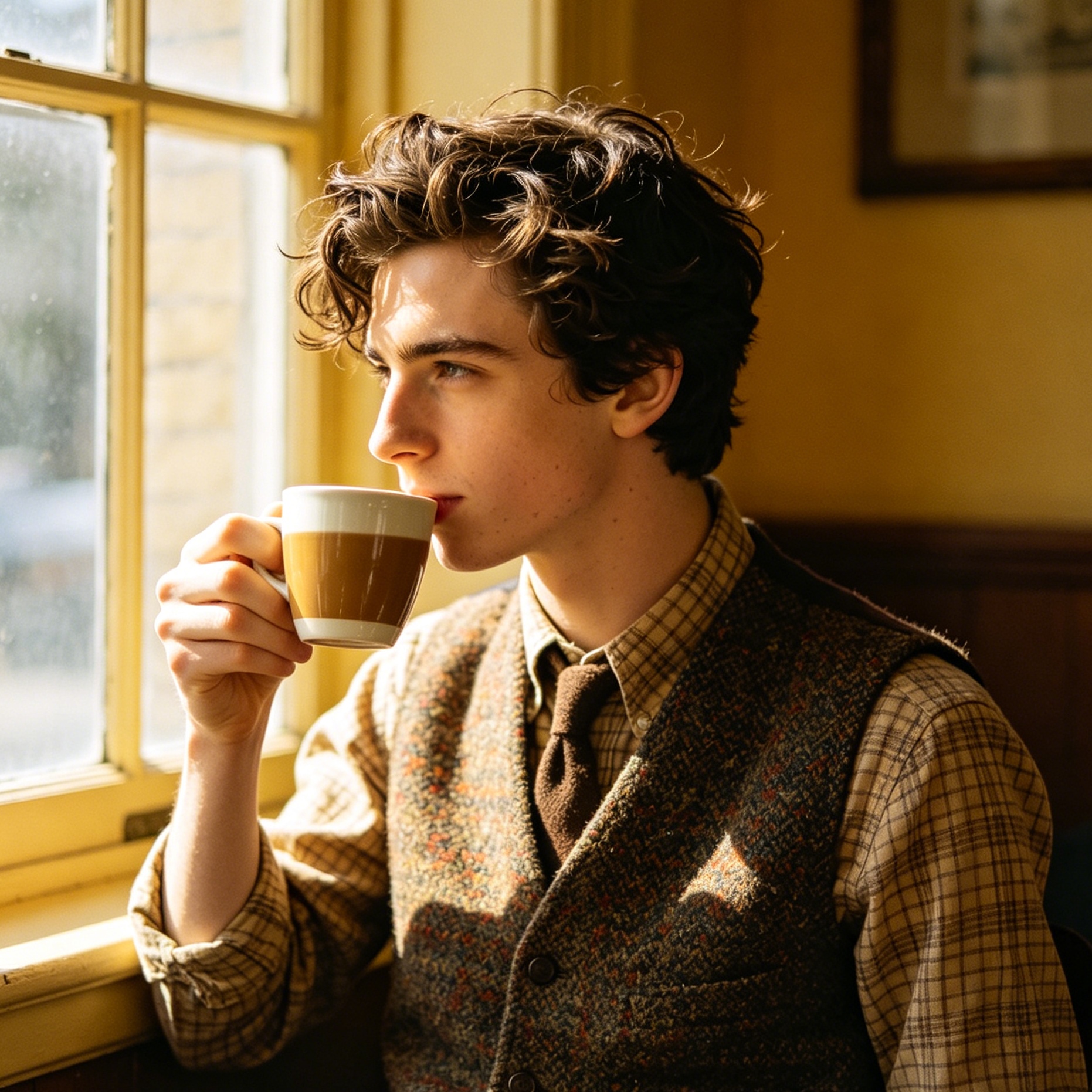
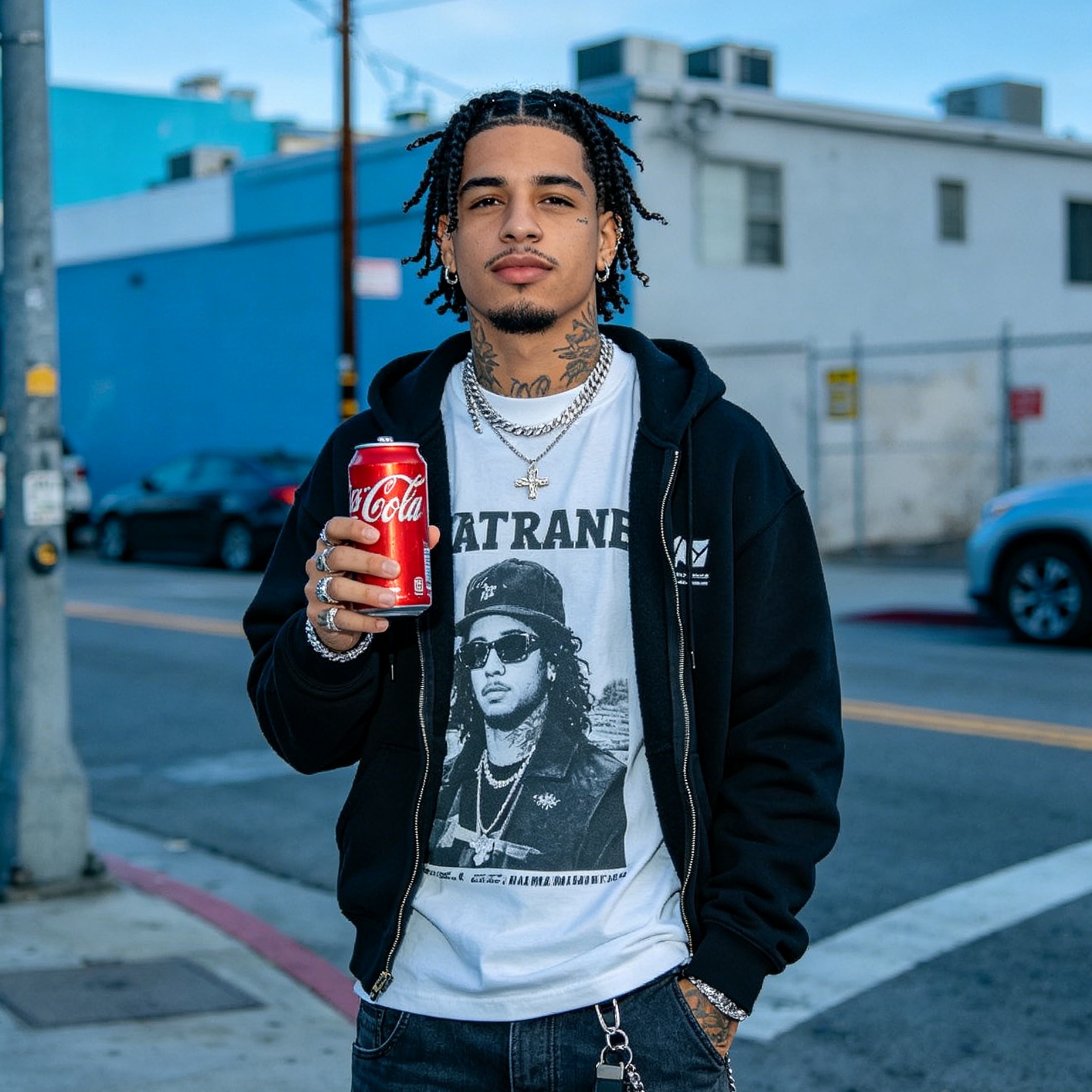
Artificial intelligence has fundamentally changed the way people view photography. What used to require a professional studio, a DSLR camera, and expensive lighting equipment can now be achieved using a smartphone and a series of advanced machine learning algorithms. An AI image generator from a selfie is a tool that takes your existing photos and uses them as a baseline to create new, stylized, or professional-grade images. These generators do not just apply a filter; they rebuild your likeness from the ground up, allowing you to place yourself in any environment, wearing any outfit, or styled in any artistic movement from the Renaissance to Cyberpunk.
The Technology Behind the Transformation
Understanding how a standard selfie becomes a high-fidelity AI portrait requires looking at the underlying architecture of modern generative models. Most high-end AI selfie tools today rely on Diffusion Models.
How AI Maps Your Face
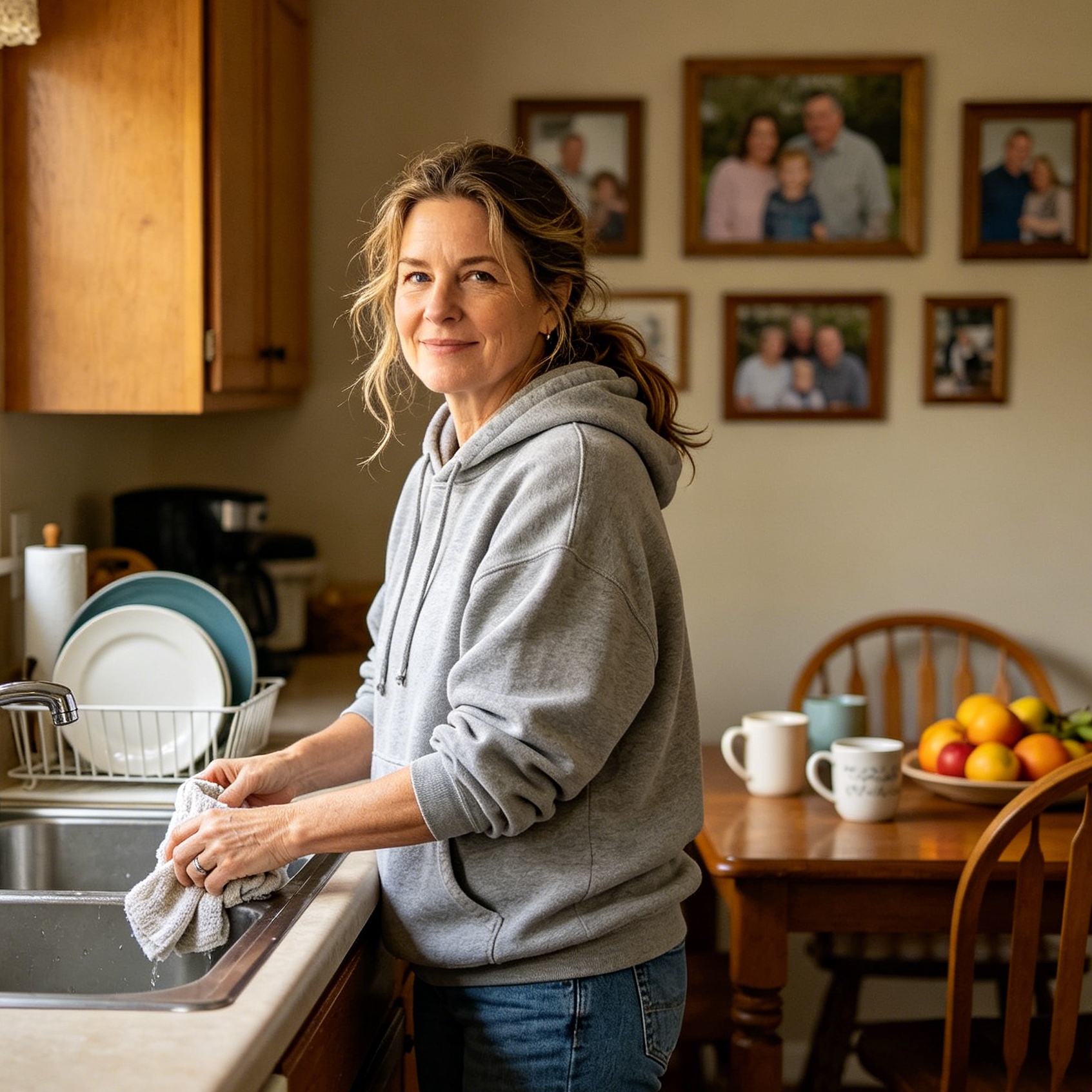
When you upload a set of selfies—usually between 3 to 20 images—the AI begins a process called "Identity Extraction." Instead of just looking at the pixels, the model creates a mathematical map of your unique facial features. This includes the precise distance between your eyes, the specific curvature of your jawline, the height of your cheekbones, and the bridge of your nose.
This mathematical representation is often referred to as a "digital fingerprint." The AI uses this fingerprint to ensure that no matter what style it applies later—whether it is turning you into a 3D cartoon character or a corporate executive—your core identity remains recognizable.
The Role of Stable Diffusion and LoRA
Many popular apps use a foundational model like Stable Diffusion. To make the AI "know" who you are, the system undergoes a brief period of fine-tuning, often utilizing a technique called LoRA (Low-Rank Adaptation). LoRA allows the model to learn your specific appearance without needing to retrain the entire massive neural network. This is why some apps require a "training period" of 20 to 60 minutes before you can start generating images.
The Denoising Process
Once the model is trained on your face, the generation process begins with a canvas of pure digital noise—essentially static that looks like a broken television screen. Guided by your facial map and a text prompt (e.g., "a professional headshot in a sunlit office"), the AI iteratively "denoises" the image. It slowly shapes the random pixels into recognizable forms, ensuring that the final output aligns with both the requested style and your physical likeness.
Top Categories for AI Selfie Generation
Not all AI image generators are created equal. Depending on whether you need a photo for a job application or a new profile picture for a gaming forum, you will need to choose a tool optimized for that specific output.
1. Professional Business Headshots
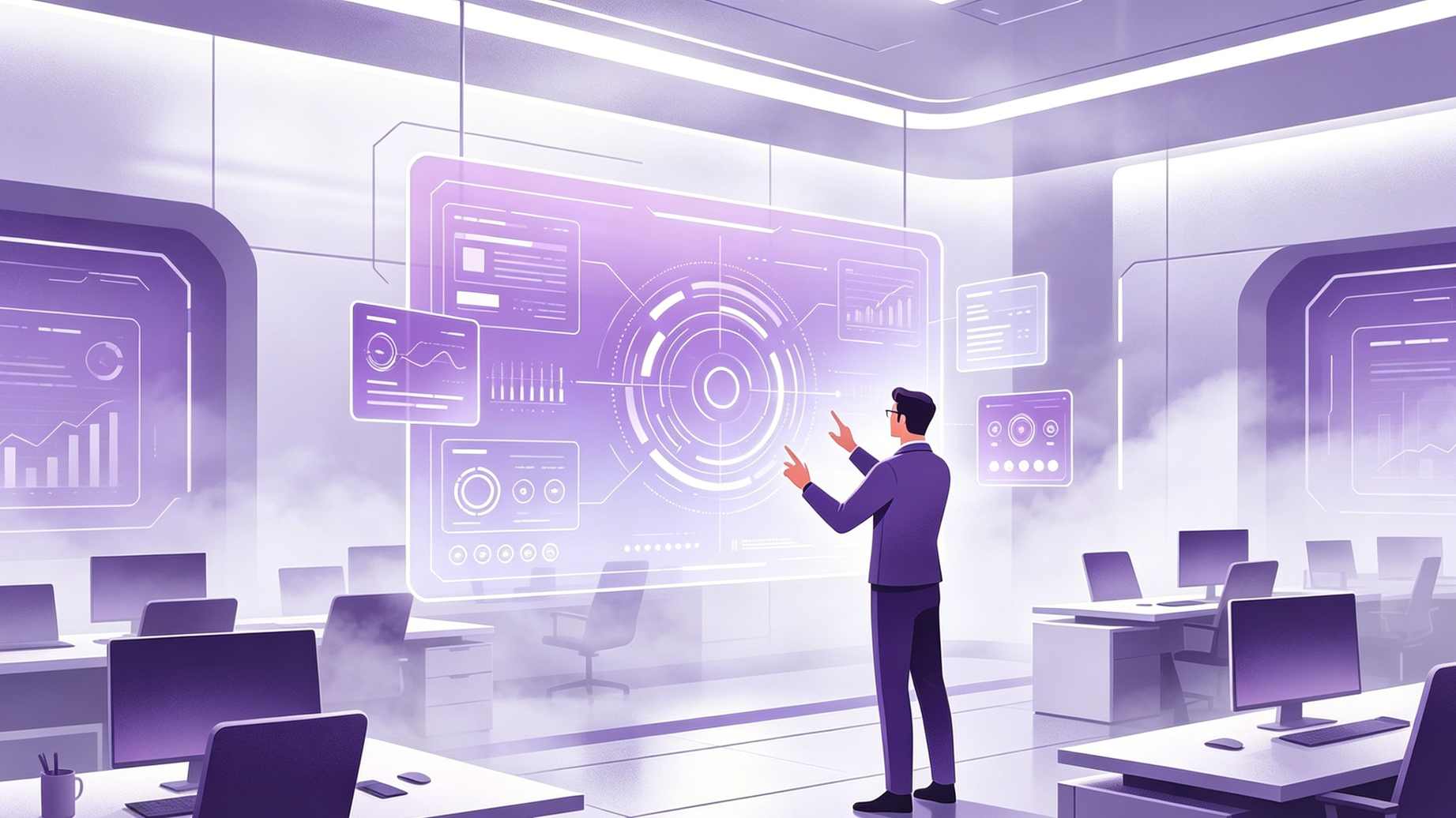
For many users, the primary motivation for using an AI generator is to avoid the cost and logistical hassle of a professional photoshoot. Tools like Photo AI and BetterPic have specialized in this niche.
These platforms are designed to prioritize realism over artistic flair. They focus on:
- Lighting Consistency: Ensuring the light hits the face naturally, mimicking a softbox or ring light.
- Apparel Transformation: Swapping a casual hoodie for a crisp charcoal suit or a professional blazer.
- Background Context: Placing the subject in credible environments like modern boardrooms, urban skylines, or minimalist studios.
In practical testing, the most successful professional AI photos are those that maintain a "natural" skin texture. Many lower-end models suffer from "over-smoothing," which results in a plastic, doll-like appearance that can be a red flag on platforms like LinkedIn.
2. Artistic and Social Media Avatars
This category is dominated by apps like Lensa AI and Dawn AI. These tools gained viral fame for their "Magic Avatars" features. Rather than aiming for 100% realism, these generators focus on creativity and aesthetic variety.
Common styles include:
- Fantasy and Sci-Fi: Turning the user into an elf, a space explorer, or a superhero.
- Fine Art: Mimicking the brushstrokes of Van Gogh, the geometric patterns of cubism, or the sleek lines of pop art.
- Pop Culture: Transforming selfies into anime characters or 3D animations reminiscent of Pixar films.
3. Image Enhancement and Restoration
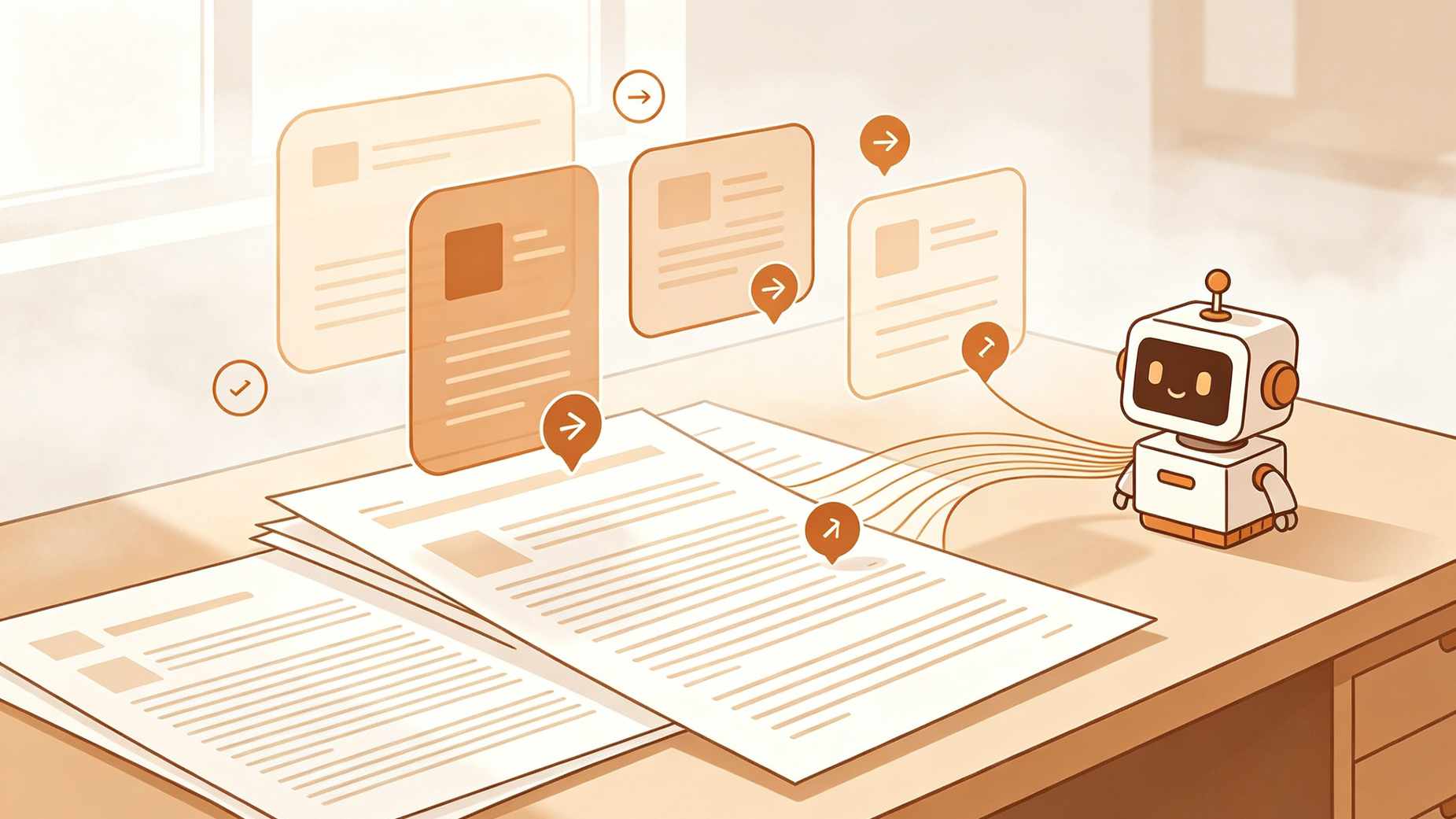
Some tools, such as Remini, occupy a middle ground. They are not necessarily meant to create a "new" image from scratch but rather to use AI to fill in the gaps of a low-quality selfie. These tools are invaluable for sharpening blurry photos, increasing resolution (upscaling), and correcting color balance. They use generative AI to "guess" what the missing details of a face should look like, resulting in a significantly clearer image.
How to Get the Best Results from Your AI Generator
The quality of the output is heavily dependent on the quality and variety of the input. If the AI is fed poor data, the resulting images will likely suffer from distortions, such as "hallucinated" extra limbs or a loss of facial resemblance.
The Importance of Variety
One of the most common mistakes users make is uploading 10 photos taken in the same room, with the same lighting, and the same expression. To create a robust digital fingerprint, the AI needs to see your face from different perspectives.
- Angles: Include straight-on shots, slight profiles (45-degree angles), and perhaps a few looking slightly up or down.
- Lighting: Provide photos taken in natural sunlight, indoor artificial light, and perhaps some in shadow. This helps the AI understand how light interacts with your skin and features.
- Expressions: A mix of a neutral "passport" face, a slight smile, and a full toothy grin will allow the AI to generate more emotive results.
Avoiding Common Input Pitfalls
To ensure the AI doesn't get confused, users should avoid the following in their training sets:
- Obstructions: Sunglasses, hats, and hands covering the face can lead the AI to believe these are permanent parts of your anatomy.
- Group Photos: If there are other people in the shot, the AI may struggle to identify which face belongs to the user, leading to a "hybrid" face that looks like a mix of two people.
- Heavy Filters: If the input photos already have heavy Snapchat or Instagram filters, the AI will build those distortions into the core model, making it impossible to get a clean, realistic result.
Advanced Use Cases: Beyond the Profile Picture
As the technology matures, we are seeing applications that go far beyond simple avatars.
AI Models for E-commerce
Small business owners are now using AI selfie technology to create "AI Models." By training a model on their own likeness or a specific persona, they can "wear" their own products without needing a physical studio. You can upload a photo of a t-shirt, and the AI will generate an image of your AI model wearing that exact shirt in a lifestyle setting, such as a park or a cafe.
AI Video Generation
The latest frontier involves turning these static AI portraits into motion. Platforms like Selfie AI and Photo AI are beginning to offer features where a generated image can be animated to speak, blink, or move. Using Motion Capture (mocap) data, the AI can map your likeness onto a video skeleton, allowing you to create video content for social media without ever standing in front of a camera.
The "Total Selfie" Concept
Research from institutions like the University of Washington is pushing the boundaries of what a selfie can be. Traditional selfies are limited by the length of the human arm, which causes perspective distortion (making the nose appear larger) and limits the field of view. The "Total Selfie" approach uses AI to take four close-up selfies (face, torso, legs, shoes) and a background image to generate a full-body photo as if someone else were standing several feet away taking the picture. This solves the "arm in the shot" problem and allows for more dynamic posing.
Privacy and Security: Protecting Your Biometric Data
When you use an AI image generator from a selfie, you are not just uploading a "photo"—you are uploading biometric data. Your facial structure is a unique identifier, and how this data is handled is a critical concern.
Data Storage and Deletion
Users should always check a platform's privacy policy to see how long their images are stored. Reputable services typically delete the raw uploaded images once the model training is complete, retaining only the mathematical model. However, some platforms may store images indefinitely to further train their global models. It is recommended to use services that allow for manual deletion of all data once you are satisfied with your results.
Deepfake Risks
There is also the ethical consideration of how these models are used. An AI model trained on your face can technically be used to generate any image—including those you might find objectionable or embarrassing. It is vital to use platforms that have strict "safety filters" preventing the generation of explicit or harmful content.
What is an AI image generator from a selfie?
An AI image generator from a selfie is a software application or web service that uses machine learning—specifically diffusion models—to analyze a user's facial features from uploaded photos. It then creates new images of the user in different styles, environments, or outfits based on text prompts or pre-set categories.
How many photos do I need to upload for AI to work?
Most high-quality AI generators require between 10 and 20 photos to create an accurate model. While some "instant" tools only need one photo, the resemblance is often much lower, and the images may lack the depth and realism of models trained on a larger dataset.
Can AI generate professional LinkedIn headshots from a casual selfie?
Yes. AI tools can analyze your face from a casual selfie and then "dress" you in professional attire like a suit or blouse while placing you in a professional setting. The success of this depends on the model's ability to maintain natural skin textures and realistic lighting.
Is it safe to upload my selfies to AI apps?
Safety depends on the specific app's privacy policy. Users should look for services that encrypt data, do not sell biometric information to third parties, and provide an option to delete both the uploaded photos and the trained AI model after use.
Summary
AI image generators have turned the humble selfie into a powerful tool for professional branding and creative expression. By leveraging diffusion models and digital facial mapping, these tools allow anyone to generate high-quality portraits that were once the exclusive domain of professional photographers. Whether you are looking to boost your presence on dating apps, professionalize your LinkedIn profile, or explore fantasy versions of yourself, the key to success lies in providing high-quality, varied input photos and choosing the right tool for the job. As the technology moves toward full-body generation and video animation, the line between traditional photography and AI synthesis will continue to blur, offering even more possibilities for digital identity.
-
Topic: Total Selfie: Generating Full-Body Selfieshttps://arxiv.org/pdf/2308.14740v2
-
Topic: AI Video Generator & Image Generator by Photo AIhttps://photoai.com/?source=trendsvc&medium=wordpress
-
Topic: Selfie AI: AI Photo Generator App - App Storehttps://apps.apple.com/xk/app/selfie-ai-ai-photo-generator/id6743319117