Home
Home
How to Write Descriptive Prompts for the Perfect AI Image
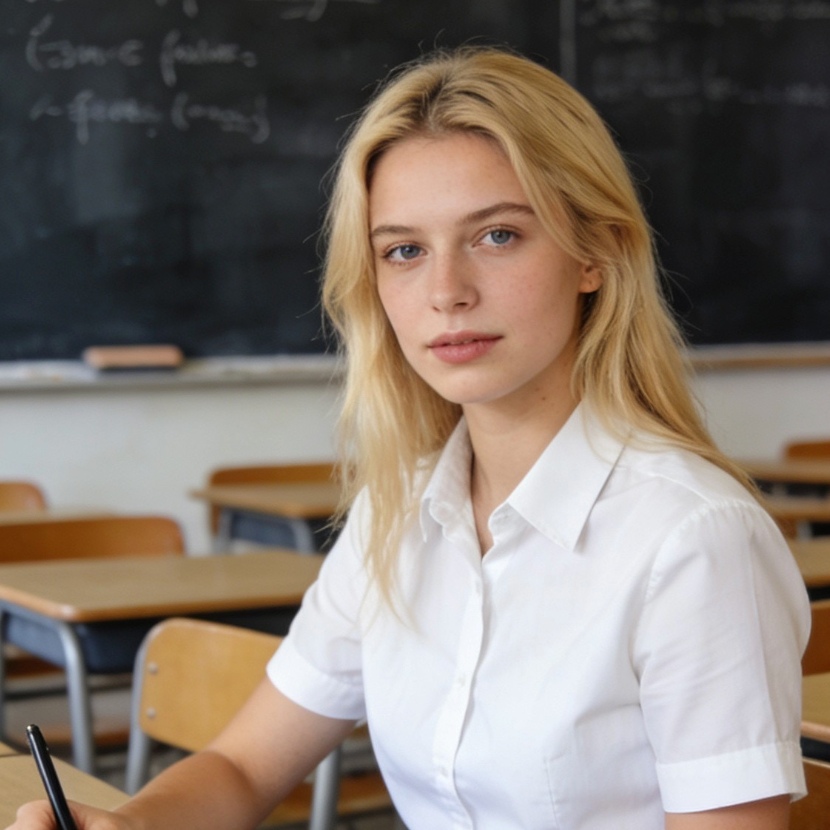
The phrase "a picture of a" is the foundational spark for nearly every visual creation process in the modern era. Whether you are searching through millions of stock photos or communicating with a high-end AI generative model like Midjourney v6, Flux.1, or DALL-E 3, these four words represent the bridge between a vague mental concept and a tangible visual asset. However, the quality of the final output depends entirely on the precision, context, and technical vocabulary that follows that initial sequence.
A common mistake is stopping too early. Entering "a picture of a cat" into an AI generator will yield a generic, uninspired result. To achieve a professional, commercial-grade masterpiece, one must understand the layered architecture of visual language.
Understanding the Foundation of Visual Language
Every high-quality image can be broken down into specific layers: the subject, the environment, the lighting, the composition, and the artistic style. When the sentence "a picture of a..." is completed with these layers in mind, the clarity of the instruction increases exponentially.
In professional photography and AI prompting, specificity is the primary driver of quality. Instead of using broad nouns, experts use evocative adjectives and technical terms that define the physical properties of the scene. This approach reduces the "randomness" of the output, ensuring that the final image aligns with the intended creative vision.
Identifying and Refining the Primary Subject
The subject is the hero of the image. When starting with "a picture of a," the first task is to define exactly what that subject is doing, wearing, or experiencing.
Moving Beyond General Nouns
A general noun provides a category, but a specific subject provides a story. For example, consider the evolution of a subject description:
- Basic: "A picture of a dog."
- Intermediate: "A picture of a golden retriever puppy."
- Professional: "A picture of an adventurous golden retriever puppy wearing a miniature explorer’s hat, sitting atop a mossy rock."
The professional version provides the AI or the search engine with clear markers for identity (golden retriever), stage of life (puppy), attire (explorer’s hat), and action/pose (sitting on a mossy rock).
Incorporating Material and Texture
In our testing with models like Flux.1 Dev, we have found that describing the texture of the subject significantly improves the tactile realism of the image. If the subject is an industrial structure, mentioning "oxidized steel beams" or "corrugated iron with rust patches" forces the rendering engine to calculate micro-details in the shadows and highlights, resulting in a much more believable image.
Defining the Environment and Atmospheric Context
The space surrounding the subject defines the mood of the entire image. Without a defined environment, the subject often looks disconnected or "photoshopped" onto a flat background.
The Role of Background Elements
A background should never be an afterthought. It provides scale and depth. If you are describing "a picture of a futuristic city," adding details like "rain-slicked neon-lit streets reflecting towering skyscrapers" creates a sense of immersion.
In our practical experiments, we noticed that specifying the weather or the time of day is the most efficient way to control the environment. Terms like "golden hour," "blue hour," "overcast morning," or "midnight thunderstorm" immediately dictate the color palette and shadow density of the entire frame.
Atmospheric Effects
To add a sense of professional polish, consider including atmospheric particles. Phrases such as "drifting embers," "ethereal morning mist," or "floating dust motes in a sunbeam" add layers of complexity that make a static image feel alive. For instance, a prompt specifying "a picture of a dense pine forest with volumetric fog filtering through the canopy" will produce a significantly more cinematic result than simply asking for a "forest."
Mastering Lighting and Color Theory
Lighting is the "secret sauce" of professional visual production. It determines the emotional weight of the image and guides the viewer’s eye toward the subject.
Technical Lighting Terms
When completing your prompt, use lighting terminology used by cinematographers. In our experience, these specific keywords yield the most consistent results across different AI models:
- Cinematic Lighting: Adds high contrast and dramatic shadows, ideal for storytelling.
- Rim Lighting: Places a thin line of light around the subject’s silhouette, separating them from a dark background.
- Softbox Lighting: Mimics studio conditions, providing even, flattering light for portraits.
- Volumetric Lighting: Creates "God rays" or visible beams of light, perfect for religious, mystical, or forest scenes.
Controlling the Color Palette
While AI models have their own "default" color biases, you can override them by being explicit. Instead of letting the AI choose, specify a "muted earthy color palette" or "vibrant cyberpunk neon hues of magenta and cyan." This level of control is essential for brand consistency in commercial projects.
Composition and Camera Perspective
The "camera" perspective determines how the viewer interacts with the subject. By defining the lens and the angle, you control the narrative of the image.
Field of View and Lens Choice
Professional prompts often include camera-specific metadata to trick the AI into simulating realistic optics.
- Wide Angle (14mm - 24mm): Excellent for landscapes and making structures look massive and imposing.
- Macro Lens: Essential for extreme close-ups of insects, flowers, or textures, providing a shallow depth of field.
- Telephoto Lens (85mm - 200mm): The gold standard for portraiture, as it compresses the background and creates a beautiful "bokeh" (blurred background) effect.
Angles and Framing
The angle from which "a picture of a" subject is taken changes its perceived power. A "low-angle shot" makes the subject look heroic and powerful, while a "bird’s-eye view" or "top-down drone shot" provides a sense of scale and overview. In our internal tests, using the term "Dutch angle" successfully added a sense of unease and tension to thriller-themed prompts.
Comparing AI Model Performance on Descriptive Prompts
Not all AI tools interpret the phrase "a picture of a" in the same way. Understanding the nuances between them is crucial for choosing the right tool for your specific task.
Midjourney v6: The Artistic Powerhouse
Midjourney is renowned for its ability to handle "stylized" prompts. It excels when you use artistic references. For example, adding "--ar 16:9 --stylize 250" to a prompt about a "futuristic space station" will result in a highly detailed, cinematic image that looks like a still from a multi-million dollar movie. It is particularly good at interpreting textures like leather, fur, and wet skin.
Flux.1: The King of Realism and Text
A newer entrant in the field, Flux.1 (specifically the Pro and Dev versions), has shown incredible proficiency in adhering strictly to long, complex descriptions. Unlike older models that might "forget" parts of a prompt, Flux.1 is remarkably good at including every detail you mention. Furthermore, if your "picture of a" subject needs to include specific text (like a sign or a book cover), Flux.1 is currently the most reliable model for rendering legible characters.
DALL-E 3: Intuitive and Conversational
DALL-E 3 is excellent for those who prefer natural language. You don't need as many technical "hacks." It is particularly strong at understanding spatial relationships—for example, "a picture of a small red bird sitting on the left shoulder of a giant stone golem."
Practical Step-by-Step: Building a Professional Prompt
Let’s transform a basic "a picture of a" query into a professional-grade prompt using the layers we have discussed.
- Start with the Core: A picture of a classic sports car.
- Add Specificity: A picture of a 1960s vintage red Ferrari 250 GTO.
- Define the Action and Setting: A picture of a 1960s vintage red Ferrari 250 GTO driving fast along the Amalfi Coast at sunset.
- Incorporate Lighting and Atmosphere: A picture of a 1960s vintage red Ferrari 250 GTO driving fast along the Amalfi Coast at sunset, with golden hour light reflecting off the polished chrome and sea spray mist in the air.
- Apply Technical Camera Settings: A picture of a 1960s vintage red Ferrari 250 GTO driving fast along the Amalfi Coast at sunset, golden hour reflections, sea spray mist. Low-angle tracking shot, motion blur on the wheels, shot on 35mm film, f/2.8, highly detailed.
By following this layered approach, the resulting image will be leagues ahead of a simple one-line request.
Common Pitfalls to Avoid in Image Descriptions
Even with a detailed description, certain mistakes can degrade the quality of your visual output.
Over-Prompting and Word Salad
There is a limit to how much information an AI or a search algorithm can process effectively. Adding 50 different adjectives often leads to "concept bleeding," where the AI gets confused and mixes the colors or subjects together. Aim for clarity and impact over sheer volume.
Neglecting Negative Prompts
In many advanced AI tools, what you don't want is just as important as what you do want. If you are generating "a picture of a modern kitchen," you might want to use negative prompts to exclude things like "clutter," "dirty dishes," or "low resolution." This helps keep the final image clean and professional.
Ignoring Aspect Ratio
By default, most images are generated as squares (1:1). However, the composition of "a picture of a" landscape usually requires a 16:9 ratio, while a portrait of a person looks best in a 4:5 or 9:16 ratio. Always specify your aspect ratio at the end of your description to ensure the composition isn't cramped.
How to Find the Right Pictures in Stock Databases
If you are not generating an image but searching for an existing one, the "a picture of a" logic still applies. Professional stock sites like iStock or Dreamstime rely on metadata tags.
To find the perfect image, use "Boolean" search techniques:
- Use Quotes: Searching for "large metallic structure" ensures the database looks for that exact phrase.
- Exclude Terms: Use a minus sign (e.g., -industrial) if you want a structure that isn't a factory.
- Filter by Orientation: Use the database’s built-in filters to match the aspect ratio you need for your project (Horizontal vs. Vertical).
Frequently Asked Questions
What is the best AI tool for generating realistic pictures?
Currently, Midjourney v6 and Flux.1 are considered the top tier for photorealism. Flux.1 is slightly better for anatomical correctness and text, while Midjourney offers a more "expensive," cinematic aesthetic.
How do I make my AI images look less "fake"?
Avoid the "plastic" look by adding keywords like "film grain," "natural skin texture," "unfiltered," and "shot on 70mm film." Avoid using words like "hyperrealistic" or "super detailed," as these can ironically trigger the AI's "over-sharpening" filters, making the image look artificial.
Can I use the same prompt for different AI models?
Yes, but the results will vary. Each model has its own "latent space" or understanding of words. A prompt that works perfectly in DALL-E 3 might need more technical parameters (like --s or --v) to work in Midjourney.
What is "volumetric lighting" in a picture description?
Volumetric lighting refers to the effect where light beams are visible due to particles in the air (like dust, fog, or smoke). It is often called "God rays" and is a powerful tool for adding depth and a sense of "awe" to a picture.
Summary of Key Prompting Components
To consistently generate or find high-quality visuals starting with "a picture of a," remember this checklist:
- Subject: Specificity in identity, age, and action.
- Environment: Time of day, weather, and background depth.
- Lighting: Use technical terms like "cinematic," "rim," or "golden hour."
- Composition: Define the camera angle (low, high, eye-level) and lens type.
- Style: Specify the medium (photography, digital art, oil painting).
By mastering these elements, you move from being a passive observer to a precise creator of visual content. The next time you start a sentence with "a picture of a," you will have the tools to ensure the result is nothing short of extraordinary.
-
Topic: Free a large Stock Photos & Pictures | FreeImageshttps://www.freeimages.com/search/a-large
-
Topic: 131,327,000+ Photo Image Stock Photos, Pictures & Royalty-Free Images - iStockhttps://www.istockphoto.com/photos/photo-image?page=4
-
Topic: 236,264 Photographed Image Stock Photos - Free & Royalty-Free Stock Photos from Dreamstimehttps://www.dreamstime.com/photos-images/photographed-image.html