Home
Home
Mastering the Chaos of Goofy AI Pictures and How to Generate Pure Absurdity
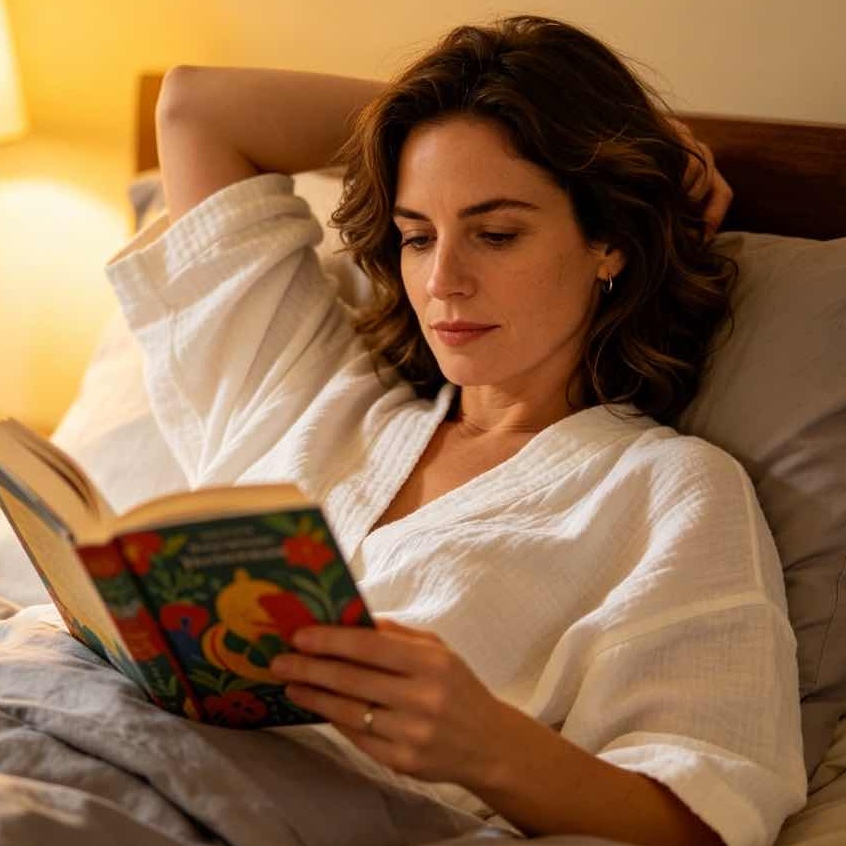
Digital art has traditionally chased the horizon of photorealism and technical perfection. However, a parallel movement has emerged that values the bizarre, the nonsensical, and the downright hilarious. Goofy AI pictures represent a unique intersection of machine logic and human humor, where the "hallucinations" of artificial intelligence are not seen as errors, but as creative goldmines. These images, ranging from cats wearing Victorian business suits to sentient vegetables participating in disco marathons, have become a cornerstone of modern internet culture and meme generation.
Defining the Aesthetic of Goofy AI Art
A goofy AI picture is not merely a "bad" image. It is an image that intentionally or accidentally subverts reality in a way that triggers laughter through absurdity. Unlike traditional caricatures, which require a human artist to exaggerate specific traits, AI-generated goofiness often stems from the model's struggle to reconcile conflicting concepts or its overly literal interpretation of a strange prompt.
The charm lies in the unexpected. When a generative model is asked to place a high-stakes corporate meeting in a setting where all participants are frogs in top hats, it applies high-resolution textures and realistic lighting to a fundamentally ridiculous premise. This contrast between "serious" execution and "insane" subject matter is the heartbeat of the goofy AI trend.
The Psychological Appeal of Digital Absurdity
Why are people captivated by a picture of a grizzly bear with a mischievous glint and a poorly rendered camera? The appeal rests on three psychological pillars:
The Subversion of Expectation
Humor often arises when the brain prepares for one outcome but receives another. AI is particularly good at this because its training data is based on human logic, yet its internal processing is mathematical. When it produces a "melting clock with googly eyes sitting on a stack of pancakes," it violates our fundamental understanding of physics and breakfast, creating a cognitive jolt that resolves as humor.
Relatability Through Imperfection
In an era of filtered photos and polished corporate aesthetics, the raw weirdness of AI goofiness feels refreshing. A squirrel intensely reading a giant acorn feels oddly human—a reflection of our own obsessive nature, rendered in a cartoonish, exaggerated style.
The "Uncanny Valley" Turned Into Comedy
Usually, things that look "almost human" are creepy. However, by leaning into the goofy aesthetic, creators push these images past the "creepy" zone and into the "hilarious" zone. A dog with its tongue sticking out in a hyper-realistic setting works because the AI captures the specific, messy joy of an animal in a way that feels both real and impossible.
How to Prompt AI for Maximum Goofiness
Creating truly funny AI art is a craft that requires moving beyond vague instructions. Typing "funny cat" will yield generic results. To unlock the true potential of the model, specific prompting strategies are required.
The Contrast Technique (Juxtaposition)
Place a mundane subject in an extreme environment, or a majestic subject in a pathetic situation. The goal is to create a narrative clash.
- Example Prompt: A photorealistic image of a penguin wearing sunglasses and a vibrant Hawaiian shirt, holding a tropical cocktail while lounging on a beach in Antarctica.
- Why it works: The clash between the freezing environment and the summer vacation attire creates immediate visual humor.
Intentional Physical Exaggeration
AI models often struggle with anatomy, so lean into this weakness. Ask for specific distortions that emphasize the "goofy" nature of the character.
- Example Prompt: A cartoon giraffe with an impossibly long neck wrapped three times around a palm tree, wearing oversized neon sunglasses and a wide, toothy grin.
- Why it works: By specifying the "wrapped neck," you force the AI to deviate from its standard training, leading to creative and funny spatial solutions.
Anthropomorphic Absurdity
Giving human traits to animals or inanimate objects is a classic comedic trope. In AI art, the key is to add professional or highly specific human contexts.
- Example Prompt: A grumpy yellow onion wearing a tiny headset and sitting in a cubicle, surrounded by miniature stacks of paperwork and a tiny coffee mug.
- Why it works: The absurdity of an onion having a "9-to-5" job provides a layer of social commentary mixed with visual silliness.
Essential Tools for Creating Goofy AI Pictures
Different AI models have distinct "personalities" when it comes to humor. Choosing the right tool depends on the level of control and the desired style.
Bing Image Creator (Powered by DALL-E 3)
This is perhaps the most "obedient" tool for goofy prompts. DALL-E 3 understands complex relationships between objects very well. If you ask for a "rubber duck piloting a pirate ship made of toast," it will likely get all the elements right on the first try. It is excellent for narrative-driven humor.
Midjourney
Midjourney is known for its high artistic quality. To get goofy results here, you often need to use the --stylize and --weird parameters. Using --weird 500 or higher can push the model to explore the fringes of its latent space, resulting in surreal and bizarre imagery that other models might filter out as "errors."
NightCafe and Leonardo.ai
These platforms offer a variety of fine-tuned models. Using a "Cartoon" or "3D Render" model on these platforms is a quick way to ensure the output has the vibrant colors and exaggerated features necessary for a goofy look. They are particularly good for creating caricature-style images of animals.
Advanced Strategies: Refining the Absurd
The first generation is rarely the funniest. The secret to viral goofy AI pictures is iteration.
- Iterative Adjectives: If the eyes aren't silly enough, don't just re-roll. Add adjectives like "bulging," "crossed," or "wildly asymmetric."
- Style Mashing: Combine a serious art style with a ridiculous subject. A "sentient pizza slice doing a disco dance" rendered in the style of "17th-century Baroque oil painting" creates a layer of sophisticated humor that transcends simple cartoons.
- The "Meta" Prompt: Ask the AI to create something that is "trying to be a serious photograph but failing miserably." This often triggers the specific type of glitch-humor that the internet loves.
Analyzing Successful Goofy AI Archetypes
Based on trending data, certain "goofy" archetypes consistently perform well across social media platforms.
| Archetype | Description | Key Prompt Keywords |
|---|---|---|
| The Corporate Animal | Animals in high-stress office environments. | Briefcase, boardroom, stressed, tie. |
| The Food Creature | Vegetables or fruits with faces and limbs. | Googly eyes, stubby legs, expressive. |
| The Historical Mismatch | Modern technology in ancient settings. | Astronaut in stone age, cavemen with iPads. |
| The Anatomical Impossible | Creatures with exaggerated or extra limbs. | Lanky, flailing, oversized, wobbling. |
Common Pitfalls to Avoid
While the goal is absurdity, certain mistakes can lead to images that are unsettling rather than funny.
- Over-Complication: Adding too many "funny" elements (e.g., a cat in a hat on a bike in space eating a taco) can confuse the AI, leading to a muddy mess where no single joke lands. Stick to one or two main points of absurdity.
- Losing the Subject: If the prompt is too weird, the AI might lose the recognizable shape of the subject. A goofy dog must still be recognizably a dog for the humor to work.
- Reliance on "Funny" as a Keyword: As noted in industry tests, AI models don't have a sense of humor. They respond to physical descriptions. Replace "make it funny" with "make the eyes twice as large and the tongue hanging out to the side."
The Future of AI Humor
As models become more sophisticated, their ability to understand irony and satire will improve. We are moving away from accidental goofiness—where the humor comes from the AI's mistakes—toward intentional digital comedy. Creators are now using these tools to build entire worlds of absurdity, proving that artificial intelligence can be a powerful partner in the age-old human tradition of making people laugh.
Summary
Goofy AI pictures are a celebration of the unexpected and the irrational. By leveraging specific prompting techniques like juxtaposition and physical exaggeration, anyone can turn a standard generative model into a comedy engine. Whether you are using Bing for quick memes or Midjourney for surreal masterpieces, the key is to embrace the glitches and lean into the bizarre.
FAQ
What makes an AI image "goofy" rather than just "bad"?
A goofy image has an intentional element of absurdity or a recognizable comedic trope, such as anthropomorphism or extreme contrast. A "bad" image is usually just technically flawed without any narrative or humor.
How can I prompt the AI to create funny images consistently?
Focus on physical descriptions rather than abstract emotions. Use words like "oversized," "cross-eyed," "tiny business suit," or "juggling" to create specific funny scenarios.
Can I use goofy AI pictures for commercial projects?
This depends on the platform you use. Most paid versions of tools like Leonardo.ai or Midjourney allow for commercial use, but you should always check the specific Terms of Service regarding AI-generated content and attribution.
What should I do if the AI isn't generating something funny?
Refine your prompt by adding more descriptive details or changing the art style. Sometimes changing the medium to "3D animation style" or "vintage comic book" can instantly make a mundane scene look much goofier.
Why does AI struggle with making things "funny" on its own?
AI doesn't have a biological or cultural understanding of humor. It predicts pixels based on patterns. Humor requires a subversion of those patterns, which must be directed by the human prompter.
-
Topic: Goofy AI Pictures - Create Funny AI Arthttps://creator.nightcafe.studio/gallery/goofy-ai-pictures
-
Topic: Ai Goofy Stock Illustrations – 3,594 Ai Goofy Stock Illustrations, Vectors & Clipart - Dreamstimehttps://www.dreamstime.com/illustration/ai-goofy.html
-
Topic: Trending 1000 of the best goofy Images | AI goofy Generatorhttps://www.promeai.pro/design-ideas-ai-images/goofy