Home
Home
Transform Your Screen With These High-Resolution Gemini Wallpaper Prompts
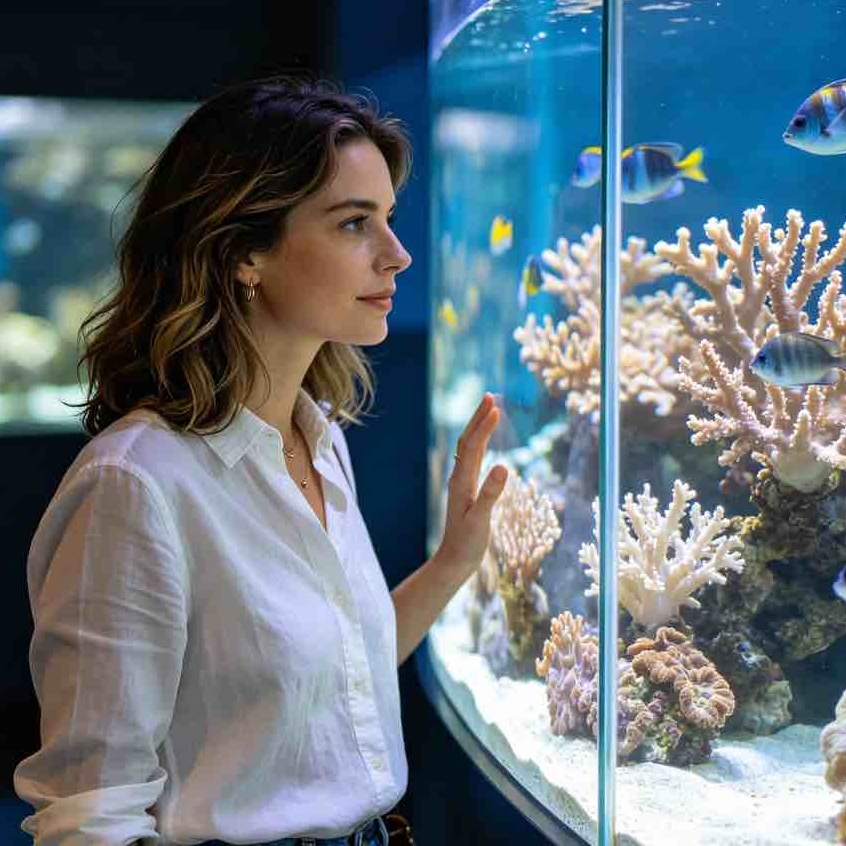
The digital age has moved beyond searching for the perfect image on stock websites. With the evolution of Google's Gemini models, specifically the Gemini 1.5 Pro and the specialized image generation iterations often referred to in developer circles as "Nano Banana Pro," users can now generate bespoke, ultra-high-definition wallpapers that fit their specific aesthetic needs and device dimensions.
Standard search queries for wallpapers often yield compressed or generic results. By using precise generative AI prompts, you can control the mood, lighting, and composition of your desktop or mobile background. This ensures that your screen isn't just a display, but a window into a uniquely rendered world.
The Architecture of a High-Performance Gemini Prompt
To achieve professional-grade results from Gemini, a chaotic string of words is insufficient. Based on extensive testing of the model’s semantic understanding, the most effective wallpapers are generated using a five-tier structural formula. This structure ensures the AI understands not just the "what," but the "how" and the "where."
1. The Subject
The primary focus of your image. This could be a "solitary lighthouse," "liquid gold waves," or "a futuristic cityscape."
2. Environment and Action
Where is the subject and what is happening? For wallpapers, static but dynamic-feeling environments work best. Examples include "resting on a mossy cliff" or "swirling in a vacuum."
3. Art Style and Medium
This defines the visual texture. Are you looking for a "3D clay render," "hyper-realistic photography," "cyberpunk digital art," or "minimalist vector illustration"?
4. Lighting and Mood
Light is the most critical element for high-definition (HD) quality. Terms like "golden hour," "cinematic volumetric lighting," "neon glow," or "soft pastel diffusion" dictate the emotional weight of the wallpaper.
5. Technical Specifications
For wallpapers, this is the non-negotiable step. You must specify the aspect ratio (16:9 for desktop, 9:16 for mobile) and resolution (4k, 8k, ultra-detailed).
Technical Requirements for Device Optimization
Generating a beautiful image is one thing; generating a functional wallpaper is another. A common mistake is creating a busy image that obscures your clock or app icons.
Managing Negative Space
When generating desktop wallpapers, icons usually reside on the left or right. To prevent a cluttered look, include the phrase "plenty of negative space on the left side" or "minimalist center focus with blurred edges." This ensures the main subject doesn't compete with your folders and files.
Aspect Ratio Mastery
- Mobile Wallpapers: Always include "aspect ratio 9:16" or "vertical orientation."
- Desktop Wallpapers: Always include "aspect ratio 16:9" or "ultrawide aspect ratio 21:9" for curved monitors.
- Tablet/Square Wallpapers: Use "aspect ratio 4:3" for devices like the iPad.
Categorized Gemini Prompt Templates
Below are curated prompts designed for maximum visual impact across various aesthetic categories. You can copy these directly into Gemini or modify the bracketed terms to suit your preference.
Nature and Serene Landscapes
Nature wallpapers are the most popular choice for reducing digital fatigue. Gemini excels at rendering natural lighting and organic textures.
The Misty Peak Prompt:
"A breathtaking wide-angle landscape of a misty mountain range at sunrise, cinematic lighting, soft purple and orange clouds, hyper-realistic, 8k resolution, serene atmosphere, highly detailed textures, aspect ratio 16:9."
Why this works: The "wide-angle" keyword provides a sense of scale, while "misty" adds layers of depth that make high-resolution screens pop.
The Golden Lavender Field:
"A vast lavender field stretching to the horizon under a warm golden hour sky, ultra-detailed purple flowers with dewdrops, backlit by soft amber sunlight creating long shadows; captured from a low wide-angle perspective using a 24mm wide-angle lens; mood is tranquil and romantic; resolution 3840x2160."
The Enchanted Forest (Mobile Optimized):
"A magical glowing forest at night, bioluminescent plants, floating fireflies, ethereal atmosphere, digital art style, vibrant teal and violet colors, dreamy, high resolution, aspect ratio 9:16."
Abstract and Minimalist
Minimalist wallpapers are ideal for professional environments where you want a clean look that doesn't distract.
Liquid Silk Waves:
"Minimalist abstract wallpaper, flowing liquid silk waves, soft gradient of deep navy blue and gold, clean composition, studio lighting, high resolution, 4k, professional desktop background, aspect ratio 16:9."
The Prism Geometry:
"Abstract geometric pattern of glass prisms refracting light, iridescent color palette, sharp edges, minimalist white background, 8k, ray-tracing effects, aspect ratio 16:9."
Why this works: Specifying "ray-tracing effects" tells Gemini to prioritize realistic light physics, which is essential for glass and liquid textures.
Pastel Gradient (Mobile Optimized):
"Vertical 9:16 pastel gradient sky with tiny minimalist stars, soft transition from peach to soft blue, no text, clean aesthetic, high resolution."
Sci-Fi and Cyberpunk
For those who prefer high energy and vibrant colors, the cyberpunk aesthetic utilizes Gemini’s ability to handle high-contrast neon lighting.
The Rain-Soaked Alley:
"Cyberpunk city street at night in the rain, vibrant neon signs reflecting on wet pavement, cinematic atmosphere, futuristic aesthetic, sharp focus, highly detailed, electric blue and magenta color scheme, 8k, aspect ratio 16:9."
The Solitary Astronaut:
"A lone astronaut sitting on the edge of a lunar crater, looking at a distant glowing Earth, cinematic volumetric lighting, hyper-realistic space suit textures, deep blacks, high contrast, 8k, aspect ratio 16:9."
Cyberpunk Interior (Mobile Optimized):
"Vertical view of a futuristic high-tech cockpit, glowing holographic displays, intricate mechanical buttons, neon orange and teal lighting, 9:16 aspect ratio, ultra-detailed 4k."
Whimsical and 3D Render Styles
The "3D clay render" and "Chibi" styles have become viral trends for smartphone customization, particularly with the "Nano Banana Pro" model updates.
Mushroom Tree House:
"Create a phone wallpaper featuring a whimsical night scene with a large tree that has mushroom-shaped houses built into its branches. The mushroom roofs are orange, blue, and red with spots, and the windows glow with a warm, yellow light. The background is a dark blue night sky filled with fireflies. Style: cute 3d clay render, 9:16 aspect ratio."
The Fluffy Cloud Kitten:
"A surreal, cute scene featuring a tiny, fluffy pink kitten sitting on top of a soft blue cloud. The background is a solid bright blue sky. Lighting is soft and dreamy, resembling a high-end 3D animated movie, 9:16 aspect ratio."
Advanced Prompting: The Professional Photographer’s Lens
To truly separate your generated wallpapers from amateur AI art, you should incorporate photography terminology. Gemini’s training data includes millions of professional photographs, and it understands specific camera settings.
Focal Length and Lens Choice
- 24mm Lens: Use for wide landscapes. It creates a sense of vastness.
- 35mm Lens: The "natural" look. Great for street scenes or urban wallpapers.
- 85mm Lens: This is a portrait lens. Use it for wallpapers where you want a single subject (like a flower or an object) to be in sharp focus while the background is beautifully blurred (Bokeh).
- Macro Lens: Perfect for texture-based wallpapers. "Macro photography of an iridescent butterfly wing, intricate geometric patterns, metallic sheen, 8k."
Lighting Modifiers
- Volumetric Lighting: This creates "God rays" or light beams passing through dust or mist. Excellent for forest or morning scenes.
- Backlit: Use this for silhouettes. "A silhouette of a gnarled tree at sunset, backlit by a fiery orange sun, high contrast."
- Softbox Lighting: Best for minimalist or product-style wallpapers (like a clean 3D render of a gadget).
Iterating and Refining Your Results
It is rare to get the perfect wallpaper on the first attempt. Gemini allows for conversational refinement. If the initial result is too bright or the composition is off, use follow-up prompts:
- "Make it moodier": This usually increases contrast and lowers the overall exposure.
- "Zoom out": Useful if the subject is too close and won't fit well behind your phone's clock.
- "Change the color palette to cooler tones": Instantly shifts the mood from energetic (reds/oranges) to calm (blues/greens).
- "Simplify the background": Essential if you find the wallpaper is making it hard to read your app labels.
Avoiding Common Pitfalls in AI Wallpaper Generation
Even with the best prompts, AI can sometimes produce artifacts that ruin the wallpaper experience.
The "No Text" Rule
AI models often try to hallucinate text, especially in "Cyberpunk" or "Storefront" styles. To prevent this, add: "No text, no letters, no watermarks, no signatures."
Correcting Distortions
If you are generating a scene with a person or animal and the limbs look odd, try adding "anatomically correct" or "perfectly symmetrical features." However, for wallpapers, it is often safer to stick to landscapes, abstracts, or silhouettes to avoid these issues entirely.
Resolution Realities
While Gemini generates high-quality images, sometimes the file size or compression might not meet the "4K" standard. If the image looks slightly soft, use an AI upscaler tool to bring it to a true 3840x2160 resolution after downloading it from the Gemini interface.
Summary of Best Practices for Gemini Wallpapers
To consistently generate stunning backgrounds, remember these core principles:
- Always Define the Aspect Ratio: 9:16 for phones, 16:9 for computers.
- Control the Light: Use terms like "Golden Hour" or "Neon Glow" to set the mood.
- Leverage Negative Space: Ensure your icons remain legible by asking for simple compositions.
- Specify the Style: Be clear if you want a "3D render," "Oil painting," or "Hyper-realistic photo."
- Use Camera Terms: Keywords like "85mm lens" or "Macro" give your images a professional, high-end feel.
By mastering these prompt structures, you move from being a consumer of generic digital backgrounds to a creator of personalized digital environments. Whether you want the serenity of a misty mountain or the vibrant energy of a neon future, the right prompt is the key to unlocking Gemini’s full creative potential.
FAQ: Frequently Asked Questions about Gemini Wallpaper Generation
What is the best aspect ratio for an iPhone wallpaper in Gemini?
For most modern smartphones, including iPhones and Android devices, the ideal aspect ratio is 9:16. You should explicitly state "9:16 aspect ratio" at the end of your prompt to ensure the image fills the screen vertically without stretching.
Can Gemini generate 4K wallpapers?
Yes. By using keywords such as "4k resolution," "8k," "highly detailed," and "ultra-realistic," you signal the model to maximize the detail density. However, for the sharpest results on high-end monitors, you may still need to use a dedicated upscaler.
How do I make my wallpaper look less like "AI"?
Avoid generic terms like "beautiful" or "cool." Instead, use technical terms like "film grain," "depth of field," "natural lighting," and "shot on 35mm film." This forces the AI to mimic the imperfections and characteristics of real-world photography.
Why does my wallpaper have weird text in the middle?
Gemini sometimes interprets the "subject" as a brand or sign. To fix this, use a negative prompt by saying: "Minimalist style, no text, no logos, clean composition."
Is it free to generate these wallpapers?
As of current updates, generating images with Gemini is available through both free and premium tiers (like Gemini Advanced). The prompts provided in this article work across all models that support image generation.
-
Topic: 15 Gemini Nano Banana Pro Prompts for Beautiful Phone Wallpapers - Imagine with Rashidhttps://imaginewithrashid.com/15-gemini-nano-banana-pro-prompts-for-beautiful-phone-wallpapers/
-
Topic: 17 Gemini AI Prompts for 4K Wallpaper Generationhttps://xponailsspa.com/17-gemini-ai-prompts-for-4k-wallpaper-generation/
-
Topic: 20 Stunning Gemini AI Nano Banana Pro Photo Editing Prompts for Beautiful Smartphone Wallpapershttps://www.freejobalert.com/article/gemini-nano-banana-pro-prompts-smartphone-wallpapers-25469