Home
Home
How to Generate Perfect AI Pictures With Precise Prompting
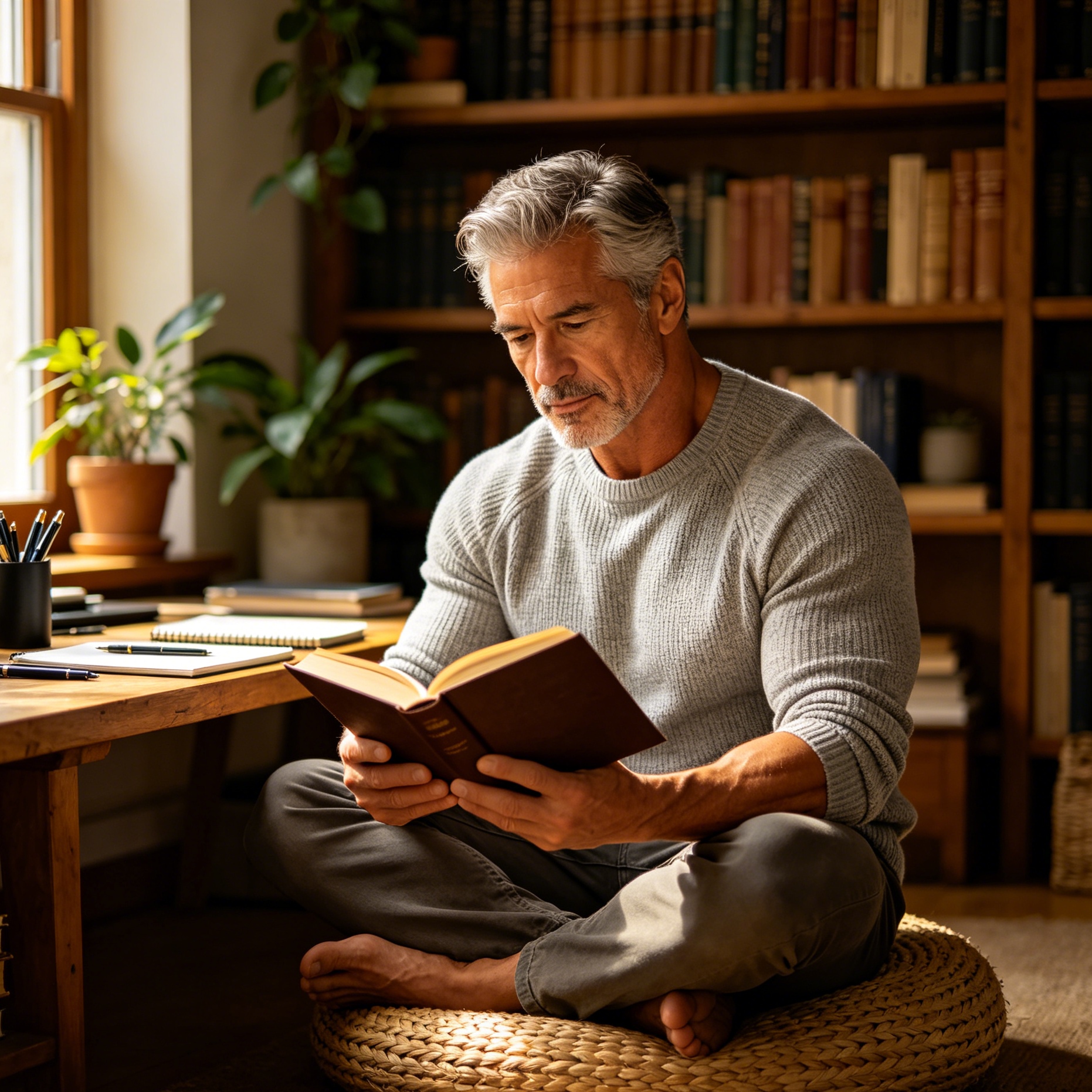
AI image generation has transformed the creative landscape, turning simple text into complex visual narratives in a matter of seconds. The ability to generate a high-quality picture is no longer reserved for skilled digital artists or prompt engineers. However, there is a significant gap between a basic AI-generated image and a professional-grade masterpiece. The difference lies in the precision of the input and a deep understanding of how generative models interpret language.
To generate a truly exceptional AI picture, a creator must move beyond vague nouns and embrace a structured approach to prompting. By defining key elements such as the subject, artistic style, environmental settings, and complex lighting conditions, anyone can command the AI to produce results that align perfectly with their vision.
The Foundation of a Perfect AI Image Prompt
The secret to mastering AI image generation is treating the prompt as a set of directorial instructions rather than a simple search query. Most high-end models, including the latest iterations of DALL-E and Adobe Firefly, respond best to descriptive, multi-layered prompts. A reliable formula for a successful prompt includes the subject, specific action or pose, environment, lighting, artistic style, and technical parameters like resolution or aspect ratio.
Instead of typing "a forest," a professional creator would specify "a cinematic wide-angle shot of an ancient redwood forest during the golden hour, with sunlight filtering through dense fog and soft moss covering the ground, hyper-realistic 8k resolution." This level of detail removes ambiguity and allows the AI to prioritize the most important visual elements.
Defining the Subject with Granular Detail
The subject is the heart of the image. When describing what the AI should generate, it is essential to be as specific as possible about the attributes of the main character or object.
Describing Organic Subjects
For humans or animals, details about texture, clothing, and expression are vital. Mentioning the material of a garment—such as "weathered leather" or "iridescent silk"—gives the AI a clear reference for how light should interact with the surface. If generating a portrait, specifying the "skin texture with visible pores and fine lines" can prevent the common AI pitfall of overly smooth, "plastic-looking" faces.
Detailing Inorganic Objects
When generating pictures of technology, architecture, or vehicles, focus on materials and functional design. Keywords like "brushed aluminum," "industrial steampunk aesthetics," or "brutalist concrete structures" help the model choose the correct geometric patterns and reflections. Our testing shows that using architectural terms such as "cantilevered roofs" or "floor-to-ceiling glass windows" results in much more structurally sound and realistic buildings compared to generic descriptions.
Mastering Artistic and Realistic Styles
Style is the lens through which the AI views the subject. Without a defined style, most models default to a generic "AI look" that can feel sterile.
Photorealism and Cinematic Styles
To achieve a look that mimics real-world photography, use terms associated with camera hardware and film stock. "Shot on 35mm film," "macro photography," or "bokeh background" tells the AI to simulate specific optical behaviors. For example, using "f/1.8 aperture" will naturally create a shallow depth of field, making the subject pop against a blurred background.
Traditional Art Styles
If the goal is an artistic render, invoking specific movements or mediums is highly effective. You might choose "Impressionist oil painting with thick impasto brushstrokes," "delicate watercolor on textured paper," or "Ukiyo-e woodblock print style." Each of these terms drastically alters the color palette and line work the AI employs.
Modern Digital Aesthetics
For contemporary projects, styles like "cyberpunk neon aesthetic," "minimalist vector art," or "low-poly 3D render" are popular choices. In our experiments, we found that "3D isometric view" is particularly effective for creating clean, professional-looking illustrations for technology blogs or app interfaces.
Creating the Perfect Setting and Background
A subject without a well-defined setting often looks disconnected or floating. The background provides context and scale.
Specifying the Environment
Instead of just "indoors," try "in a dimly lit Victorian library with mahogany shelves reaching the ceiling." The environment should complement the subject. If the subject is a futuristic robot, placing it in a "ruined, overgrown urban landscape" creates a powerful narrative contrast that a clean "white studio background" wouldn't achieve.
Interaction with the Setting
Instruct the AI on how the subject interacts with its surroundings. Keywords like "partially submerged in water," "reflecting in a puddle," or "casting a long shadow on a brick wall" integrate the subject into the scene, making the final picture feel like a cohesive moment rather than a collage of separate elements.
The Science of Lighting and Color
Lighting is arguably the most critical factor in determining the quality of an AI-generated picture. It dictates the mood, depth, and realism of the scene.
Natural Lighting Conditions
Natural light varies greatly depending on the time of day. "Golden hour" provides warm, soft, and directional light that is universally flattering. "Midday harsh sunlight" creates high-contrast shadows, while "overcast light" provides flat, even illumination suitable for detailed product shots.
Artificial and Dramatic Lighting
For more stylized images, use terms like "neon glow," "fluorescent lighting," or "volumetric fog." One of the most effective techniques we've discovered is the use of "chiaroscuro"—a term from classical painting that refers to the strong contrast between light and dark. This creates a dramatic, moody effect that works exceptionally well for noir-style portraits.
Color Palettes
Directing the color scheme can prevent the AI from using clashing or overly vibrant colors. You can specify a "monochromatic blue palette," "muted earth tones," or "vibrant complementary colors like orange and teal." Specifying a "vintage sepia tone" or "high-saturation pop art colors" will immediately set the visual identity of the generation.
Composition and Camera Techniques
How a picture is framed changes how the viewer perceives the subject. AI models understand many standard cinematography and photography terms.
Camera Angles
- Bird’s-eye view: Looking directly down on the subject, great for landscapes or maps.
- Low-angle shot: Looking up at the subject to make it appear powerful or heroic.
- Close-up: Focuses on fine details of a face or object.
- Wide-angle: Captures more of the environment, giving a sense of scale.
Rule of Thirds and Symmetry
While most AI models have a tendency to center the subject, you can break this by prompting for an "off-center composition" or "following the rule of thirds." Conversely, if you want a formal, balanced look, use "perfectly symmetrical composition."
Setting the Mood and Atmosphere
The "vibe" of an image is an intangible quality that can be influenced by emotional keywords. Adding words like "serene," "melancholic," "chaotic," "whimsical," or "mysterious" helps the AI select the appropriate textures and subtle environmental cues. A "peaceful mountain range" will look very different from a "menacing mountain range," even if the physical description of the peaks is identical.
Leveraging Technical Parameters and Model Capabilities
Different AI models have unique strengths and specific parameters that can be tuned for better results.
Resolution and Quality Settings
Modern APIs and platforms allow users to choose the quality of the render. In professional workflows using GPT-image-1.5 or DALL-E 3, you can often specify whether you want "standard" or "high-definition" (HD) quality. Higher quality settings typically involve more sampling steps, resulting in fewer artifacts and more intricate details.
Aspect Ratios
Not all pictures are square. Depending on the intended use—whether it's a vertical smartphone wallpaper or a wide cinematic header for a website—specifying the aspect ratio is crucial. Common ratios include:
- 1:1 (Square): Best for social media profile pictures.
- 16:9 (Widescreen): Ideal for video thumbnails and website banners.
- 9:16 (Vertical): Perfect for stories or mobile apps.
Model Selection: Choosing the Right Tool
- DALL-E 3: Known for exceptional prompt adherence. It is the best choice if your prompt is highly complex and involves specific text rendering within the image.
- GPT-Image-1.5: Optimized for realism and instruction following. In our technical assessments, this model excels at maintaining facial consistency and following intricate multi-turn instructions.
- Adobe Firefly: Highly recommended for commercial use. It is trained on licensed stock imagery, ensuring that the generated content is ethically sourced and safe for professional branding.
Iterative Editing and Multi-Turn Refinement
One of the most powerful features of modern AI image generation is the ability to edit an image through conversation. This is often referred to as "multi-turn generation."
If the AI generates a picture that is almost perfect but has one flaw—for example, the subject's hair color is wrong—you don't need to start over. Using a follow-up prompt like "Keep the image exactly the same, but change the hair color to silver" allows for precise refinement. Some models also support "inpainting," where you can highlight a specific area of the image and ask the AI to "generate a cat sitting on that empty chair."
Prompt Revision and Hidden AI Optimization
Many advanced AI tools now include a "prompt revision" step. When you submit a simple prompt like "a dog in a park," the underlying model (like GPT-4) will automatically expand it into a more descriptive paragraph to ensure a high-quality output. While this is helpful for beginners, experienced creators often prefer to "force" the model to use their exact words by providing highly detailed instructions from the start. Accessing the "revised prompt" field in technical APIs can also provide valuable insight into how the AI interprets your intent, allowing you to learn and improve your own prompting skills.
Common Mistakes to Avoid When Generating AI Pictures
Even with the best tools, certain habits can lead to poor results.
Avoiding Negative Prompts (When Possible)
While some tools allow "negative prompts" (telling the AI what not to include), it is generally more effective to describe what should be there. Instead of saying "no trees," try "a barren desert landscape." AI models sometimes struggle with the concept of negation and might accidentally include the object you are trying to exclude.
Overcomplicating the Prompt
There is a fine line between a detailed prompt and a cluttered one. If you include too many conflicting styles (e.g., "a hyper-realistic minimalist abstract oil painting"), the AI may become confused and produce a muddy result. Stick to one cohesive visual direction per generation.
Ignoring the Human Element
AI is a tool, not a replacement for creative judgment. The most successful AI-generated pictures are those where a human has carefully curated the prompt, iterated on the results, and perhaps performed final touch-ups in traditional photo-editing software.
Summary of Effective Image Generation
To generate high-quality pictures with AI, you must become a clear communicator of visual ideas. By structuring your prompts around the subject, style, background, lighting, composition, and mood, you provide the AI with the necessary roadmap to success. Whether you are using DALL-E 3 for its precision or Adobe Firefly for its commercial safety, the principles of good prompting remain the same. Start simple, iterate often, and don't be afraid to experiment with technical parameters like aspect ratios and quality settings to get the exact result you need.
Frequently Asked Questions
What is the best AI model for generating realistic photos?
For photorealism, models like GPT-Image-1.5 and the latest versions of Midjourney are currently considered top-tier. They excel at rendering natural skin textures, complex lighting, and accurate physical proportions.
How many words should a good AI image prompt be?
A good prompt usually ranges between 20 and 70 words. This provides enough detail for the AI to understand the context without becoming so long that it loses track of the primary subject.
Can I use AI to generate pictures for my business?
Yes, but you should choose a model designed for commercial safety, such as Adobe Firefly. These models are trained on licensed content, reducing the risk of copyright infringement. Always check the terms of service of the specific AI tool you are using.
Why do AI-generated people often have weird hands?
Rendering hands and fingers is a complex task because they have intricate geometry and many possible positions. While newer models have significantly improved, it remains a challenge. Using prompts like "hands resting on a table" or "fingers intertwined" can sometimes help the AI better understand the structure.
What does "inpainting" mean in AI image generation?
Inpainting is a technique where you "paint" over a specific part of an existing AI image and provide a new prompt to change only that area. This is extremely useful for fixing small errors or adding new elements to a scene without regenerating the entire picture.
-
Topic: Image generation | OpenAI APIhttps://developers.openai.com/api/docs/guides/tools-image-generation/
-
Topic: How to Use Image Generation Models from OpenAI - Azure OpenAI in Microsoft Foundry Models | Microsoft Learnhttps://learn.microsoft.com/en-us/azure/ai-foundry/openai/how-to/dall-e?view=foundry-classic
-
Topic: Free AI text to image generator for creating stunning visuals.https://www.adobe.com/id_en/products/firefly/features/text-to-image.html